Camping on Arkansas WMAs
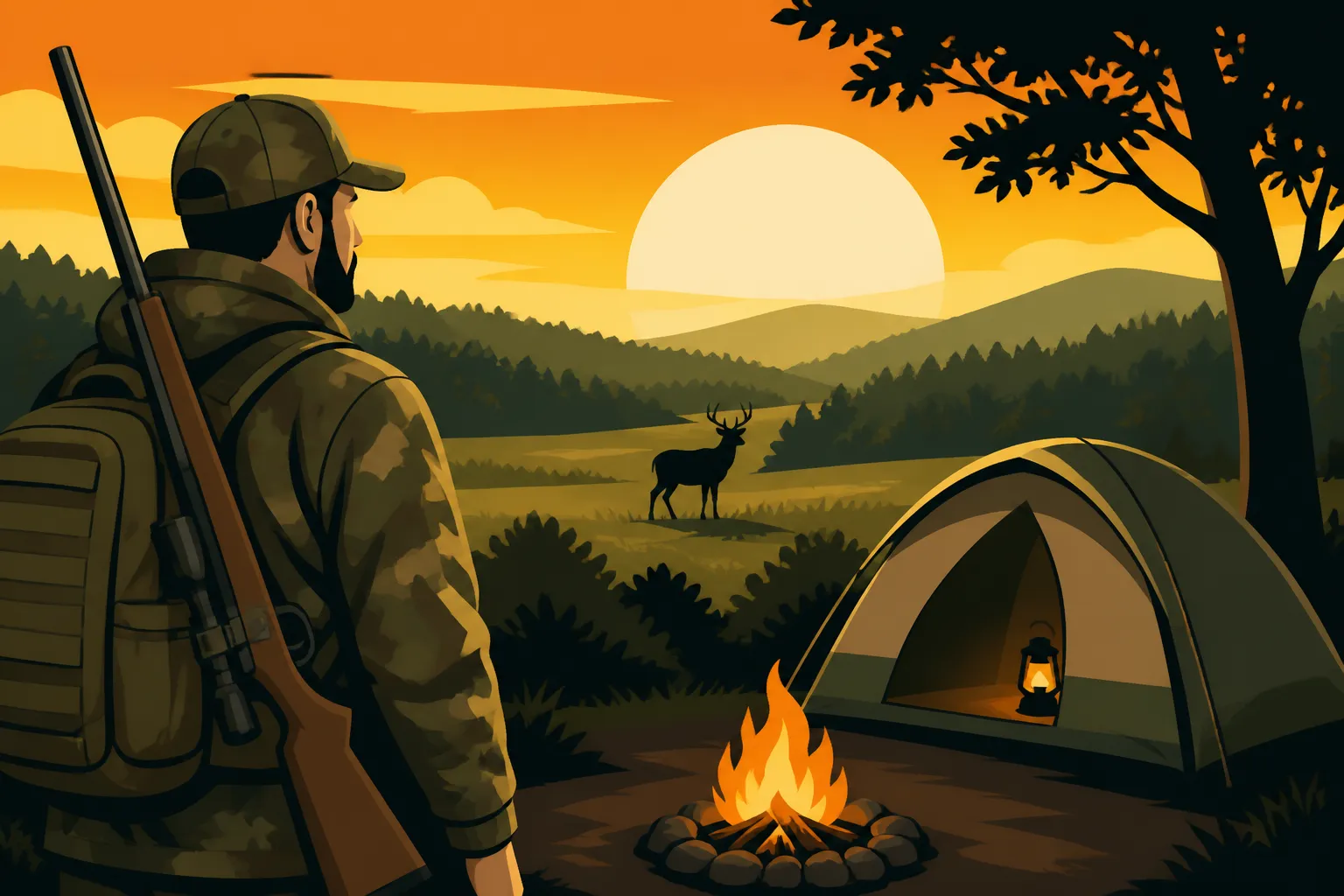
There’s nothing quite like the feeling of waking up on public land, right there where you plan to hunt. You roll out of your sleeping bag, brew some coffee, and the only commute you have is a short walk to your stand or blind. No noisy hotel rooms, no long drives in the dark, just the crisp morning air and the sounds of the woods. But when you’re looking at an Arkansas Wildlife Management Area (WMA) for this kind of experience, it’s easy to get confused about what's allowed and what's not. This guide is here to walk you through everything you need to know about camping on Arkansas WMAs, making sure your hunting trip is as seamless and immersive as possible.
Understanding the "Why" Behind WMA Camping
Before we dive into the nitty-gritty rules and regulations, let's talk about why so many of us dream of camping right on the WMA. It's more than just saving a few bucks on a motel room; it's about the entire hunting experience. For many, it's about truly immersing yourself in the wild, being disconnected from the everyday hustle, and connecting with the land in a way that just isn't possible from a hotel parking lot.
The Allure of Staying Close to the Action
The biggest draw, hands down, is the sheer convenience. Imagine setting your alarm for 4 AM, rolling out of your tent, and being at your treestand setup with plenty of time before legal shooting light. No frantic packing of the truck, no worrying about hitting a deer on the highway before you even get to your spot, and certainly no wondering if you forgot something crucial back at the motel. You’re already there, boots on the ground, ready to go.
This proximity also allows for more flexibility. If the morning hunt is slow, you can slip back to camp for a quick bite, maybe change into some drier clothes, and be back out for an afternoon sit without losing valuable hunting time to travel. It fosters a deeper sense of connection to the area; you get to hear the owls at night and the gobblers sounding off from the roost in the morning, truly feeling like a part of the environment rather than just a visitor passing through. It’s that deep immersion that makes the memories stick.
Furthermore, staying close means you can react quickly to changing conditions. A sudden rain shower? You can duck back to the tent to dry off. A prime scouting opportunity presents itself at dusk? You can take advantage of those last minutes of light, knowing your camp is just a short walk away. This kind of immediate access is invaluable for serious hunters who want to maximize their time in the field, whether they're chasing whitetails or listening for gobblers in the spring.
Economic Benefits of Camping Versus Hotels
Let's be honest, hunting can get expensive. Licenses, tags, gear, fuel, food – it all adds up. One of the easiest ways to keep costs down, especially on multi-day trips, is to cut out hotel expenses. Even a budget motel can run you a significant amount over a long weekend, money that could be better spent on that new call, an extra box of shells, or even a nice meal out once the hunt is over. Camping, whether in a tent or an RV, significantly slashes your accommodation budget.
For families or groups of friends, the savings multiply quickly. Instead of booking multiple rooms, you can pool resources for a larger campsite or just bring more tents. This makes hunting trips more accessible and sustainable for everyone, allowing you to spend more days afield throughout the season. It fosters a camaraderie around the campfire that you just can't get in separate hotel rooms, turning the hunt into a richer, shared experience.
Beyond the direct cost savings, there's a certain rustic charm to WMA camping that you often pay a premium for elsewhere. Cooking meals over an open fire, sharing stories under the stars, and the satisfaction of living simply for a few days – these are experiences money can’t buy. It's not just about pinching pennies; it’s about embracing a simpler, more traditional aspect of the hunting lifestyle.
General Rules and Regulations for WMA Camping
Navigating the rules for camping on Arkansas WMAs can sometimes feel like trying to solve a puzzle. The Arkansas Game and Fish Commission (AGFC) manages a vast network of WMAs, and while many rules are consistent, some variations exist depending on the specific area. It’s always your responsibility to know the rules for the WMA you plan to visit, and a little homework before you head out can save you a lot of headaches.
Designated Camping Areas Versus Dispersed Camping
Most WMAs in Arkansas have designated camping areas, which are often rudimentary but functional. These might be little more than a cleared spot in the woods, sometimes with a picnic table or a fire ring, but they offer a legal and generally well-understood place to pitch your tent or park your camper. These areas are typically marked on WMA maps and are often located near main access points, boat ramps, or popular hunting blocks. While they might not offer luxurious amenities, they provide a base camp from which to launch your hunting adventures.
Dispersed camping, on the other hand, is when you set up camp outside of a designated area. This is where things can get a bit trickier. Some WMAs, particularly those in the larger National Forests like the Ouachita or Ozark, might allow dispersed camping with certain restrictions. These rules usually involve staying a specific distance from roads, trails, or water sources, and often prohibit driving off-road to establish a site. It's crucial to consult the specific WMA regulations or National Forest rules, as these can differ significantly. Knowing whether you can just pull off a forest road and set up a primitive camp versus needing to be in a specific WMA campsite is a game-changer for many hunters seeking true solitude.
Regardless of whether you’re in a designated spot or practicing dispersed camping, common sense and courtesy are paramount. Always respect other users of the WMA, keep your noise levels down, and ensure your camp is not blocking access or creating a hazard. Remember, these lands are for everyone, and acting responsibly helps maintain these privileges for future generations. For more general guidelines, you can often find information in the AGFC’s yearly regulations booklet under Camping Rules on Arkansas WMAs.
Prohibited Activities and Environmental Considerations
When you're out camping on a WMA, it’s not just about what you can do, but also what you can't do. The "Leave No Trace" principles are your guiding star here. This means packing out everything you pack in – and then some. Littering, even small things like cigarette butts or spent shotgun shells, is illegal and genuinely harms the environment and the hunting experience for others. We've all seen those sad piles of trash left behind, and it's a real frustration when you're trying to enjoy the natural beauty of the area.
Beyond trash, be mindful of fire restrictions. Always check for current burn bans, especially during dry seasons. If fires are allowed, use existing fire rings where possible, or build a small, contained fire in a safe location away from dry vegetation. Never cut live trees for firewood; only use dead and downed wood. Ensure your fire is completely extinguished before you leave it unattended, especially when you head out for a morning hunt. Nobody wants to be the cause of a wildfire.
Waste disposal, including human waste, needs careful consideration, especially if you’re dispersed camping. Burying human waste at least 6-8 inches deep and 200 feet from water sources, trails, and campsites is generally recommended. For other waste, pack it out, plain and simple. Respecting the land means leaving it better than you found it, preserving the habitat for wildlife and the experience for fellow hunters.
Finding and Accessing WMA Camping Locations
So, you're ready to embrace the WMA camping life. Great! But how do you actually find these elusive campsites, especially on unfamiliar ground? It takes a bit of planning and leveraging the right tools, but once you get the hang of it, you’ll be scouting prime camp spots like a seasoned pro. The days of just showing up and hoping for the best are largely over if you want a quality experience.
Utilizing AGFC Resources and Maps
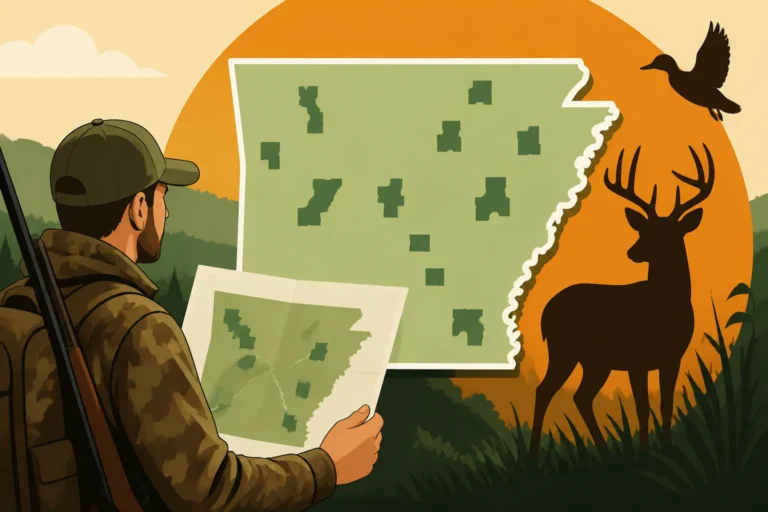
The absolute best place to start your research is the Arkansas Game and Fish Commission's (AGFC) official website. They provide specific regulations and maps for each WMA. You can often download PDF maps that show designated camping areas, access roads, and boundary lines. These maps are invaluable for understanding the layout of the land and identifying potential camping spots that are legally accessible. Don't underestimate the power of a good, old-fashioned paper map, especially if cell service is spotty.
Beyond the maps, take the time to read the specific WMA regulations. These will outline any unique rules pertaining to camping, vehicle access, or other activities on that particular WMA. Sometimes a quick phone call to the regional AGFC office can clear up any ambiguities and give you up-to-the-minute information on conditions, such as recent flooding or temporary closures. It's much better to ask ahead of time than to arrive and find yourself in violation of a rule you didn't know existed. The AGFC offers a fantastic resource called Using the AGFC Map Tool which can be incredibly helpful for planning.
Remember that WMA boundaries can be irregular, bordering private land or other public lands with different regulations. Always double-check where you are in relation to these boundaries, especially if you're venturing off a main road. Knowing where WMA land ends and private property begins is crucial to avoid any accidental trespassing issues, which can quickly ruin a hunt.
Leveraging Technology for Scouting Campsites
In today's world, our smartphones and tablets have become essential tools for hunting, and that extends to scouting campsites. Apps like onX Hunt and GoHunt are absolute game-changers for identifying potential camping locations. These platforms overlay property lines, public land boundaries, and topographic features onto satellite imagery, allowing you to see exactly where you can legally camp and what the terrain looks like around your potential spot.
You can use these apps to scout for pull-offs along WMA roads, identify flat areas suitable for a tent, or even pinpoint specific designated campsites. The satellite imagery can reveal clearings, existing fire rings, or even abandoned logging roads that might provide discreet camping opportunities within legal parameters. They're also indispensable for checking road access, seeing if a particular trail is navigable by your vehicle, or if you'll need to pack in on foot. Imagine identifying a perfect secluded spot, miles from a paved road, all from the comfort of your living room!
Furthermore, these apps often feature different map layers, including public/private land ownership, topo maps to show elevation changes, and even road networks. This combination helps you understand not just where to camp, but how to get there and what kind of environment you’ll be in. Before you even leave home, you can have a pretty solid game plan for your WMA camping experience, significantly reducing the guesswork once you hit the ground.
Essential Gear and Preparations for WMA Camping
Once you’ve figured out where you can camp, the next step is planning how you’ll camp. WMA camping, especially if you’re going the primitive route, requires careful consideration of your gear. Unlike a developed campground, you often won’t have access to water, electricity, or even a trash can. Being prepared means bringing everything you need and being ready to be self-sufficient for the duration of your trip.
Camp Setup for Comfort and Safety
Your camp setup is your home away from home, and it needs to be both comfortable and safe. For tent campers, a durable, waterproof tent suitable for the season is a must. Arkansas weather can be unpredictable, so make sure your tent can handle rain, wind, and even unexpected cold snaps. A good sleeping pad and sleeping bag rated for the lowest expected temperatures will ensure you get proper rest after a long day of hunting. Don’t skimp on these; a miserable night's sleep can really impact your hunting performance.
If you’re bringing an RV or trailer, ensure it’s self-contained and ready for boondocking, as hookups are almost non-existent on WMAs. This means adequate fresh water, waste tanks, and possibly a generator for power. Cooking gear, whether a portable stove or cast iron for a campfire, is essential. Don't forget proper food storage to protect against wildlife and spoilage; bear canisters or coolers that can be secured are a good idea, especially in areas with known bear populations, like parts of the Ouachita National Forest.
Safety should always be a top priority. A well-stocked first-aid kit is non-negotiable. Headlamps or lanterns are crucial for navigating camp after dark. Think about emergency communication, too – a fully charged phone (and a power bank) or a satellite messenger for areas without cell service. While you're roughing it, you don't want to be caught unprepared for an unforeseen event.
Legalities and Best Practices for Campfires
There’s something truly primal and satisfying about a campfire on a cool hunting evening. But just like with camping spots, there are rules and best practices around having a fire on a WMA. First and foremost, always check for current burn bans issued by the state or local authorities. A small fire for cooking and warmth isn't worth a fine or, worse, starting a wildfire. Conditions can change rapidly, so even if it was clear yesterday, it might not be today.
If fires are permitted, prioritize using existing fire rings or creating a new one in a safe, cleared area. This means scraping away all flammable material down to bare earth in a circle several feet wider than your intended fire. Keep your fire small and manageable; a huge bonfire isn’t necessary and is much harder to control. Only use dead and downed wood that you can break by hand; never cut live trees or branches, as this is often prohibited and damages the habitat.
Crucially, never, ever leave a campfire unattended. Even if you’re just stepping away for a few minutes, have someone watching it. Before you head out for a hunt or turn in for the night, ensure the fire is dead out. Drown it with water, stir the ashes, and feel for any remaining heat. Repeat until it’s cool to the touch. A seemingly extinguished ember can reignite hours later, especially on a windy night. Practicing these safety measures ensures you can enjoy a fire responsibly and keep the WMA safe for everyone.
Specific Considerations for Popular Arkansas WMAs
Arkansas offers a diverse landscape, and with that diversity comes variations in what to expect when camping on different WMAs. What works in the dense delta timber might not be feasible in the rugged Ozark mountains. Understanding these regional nuances is key to planning a successful and enjoyable WMA camping experience.
Camping in Ouachita and Ozark National Forests
Many of Arkansas's WMAs are embedded within or adjacent to the vast Ouachita and Ozark National Forests. This is fantastic news for campers because these National Forests generally have more permissive dispersed camping rules than strict WMAs, though specific WMA regulations still apply within their boundaries. You’ll often find countless undeveloped campsites along forest service roads, many of which are perfect for a quiet, primitive hunting camp. Just remember to consult both National Forest rules and the WMA rules if you're on a WMA that falls within the forest.
The terrain in these areas means you'll often be dealing with hills, hollows, and rocky ground. Finding a level spot for your tent or RV might take a bit more scouting. Road access can also be tricky; some forest roads are well-maintained gravel, while others are rough, rocky, and require a high-clearance 4×4, especially after rain. Be prepared for potentially limited cell service in these remote, mountainous regions. However, the reward is incredible solitude and access to some of Arkansas’s most beautiful hunting grounds. For specific hunting strategies in these areas, check out resources like Hunting Ozark Ridges and Hollows for Deer or Ouachita National Forest Hunting.
These National Forest areas are also prime bear country. While exciting, this means you need to be extra diligent about food storage. Bear-resistant containers are highly recommended, and keeping a clean camp is essential. Never leave food or scented items out in the open. Securing food in your vehicle or hanging it from a tree away from your sleeping area can prevent unwanted nocturnal visitors.
Delta WMA Camping Challenges and Opportunities
The Delta region of Arkansas, with its rich bottomland hardwoods and agricultural fields, presents a very different camping scenario. WMAs like Bayou Meto, Dave Donaldson Black River, or Dagmar are often low-lying and prone to extensive flooding, especially during waterfowl season. This means traditional camping can be extremely challenging, if not impossible, on many Delta WMAs. The ground stays wet for long periods, and what looks like a dry spot on a map could be knee-deep water in reality.
The AGFC has made efforts to create elevated camping platforms or designated campsites on higher ground in some Delta WMAs, but these are often limited and fill up quickly. Many hunters in the Delta opt for more robust setups, like self-contained RVs, or simply stay in nearby towns and drive to the WMA each day. If you do plan to camp, be prepared for mud, standing water, and a high likelihood of mosquitoes, even in colder months. Checking water levels and recent rainfall is absolutely critical before heading to a Delta WMA. Flooding and WMA Access in the Delta is a great resource to consult for current conditions.
Despite the challenges, camping in the Delta can offer an unparalleled hunting experience, particularly for duck hunters. Being right there, immersed in the sounds of the timber, can be magical. Just be realistic about the conditions and pack accordingly – waterproof boots, extra tarps, and plenty of bug spray will be your best friends. Sometimes, the "camping" might look more like parking a camper on the nearest available high ground outside the WMA and commuting a short distance, which still offers much of the immersion.
Advanced Tips for a Successful WMA Camping Hunt
You've got the regulations down, you know where to go, and your gear is packed. Now, let’s talk about a few advanced tips to make your WMA camping hunt not just successful in terms of game, but truly memorable and respectful of the environment and other hunters. It’s about being a good steward of the land and a smart hunter.
Minimizing Impact and Maintaining Secrecy
When you’re camping on a WMA, especially if it’s a popular spot, your goal should be to be as unobtrusive as possible. This isn't just about following rules; it's about good hunting etiquette. Keep your camp quiet, especially during prime hunting hours. Avoid loud generators or music that can disturb wildlife and other hunters. Choose camp gear that blends in with the environment rather than standing out like a neon sign.
Think about your entry and exit routes to and from your stand or blind. Parking your vehicle directly at your hunting spot might be convenient, but it also advertises your presence to every other hunter and spooks game. Consider parking your camp vehicle in a less conspicuous location and walking a bit further to your hunting access point. For example, if you're Still-Hunting Arkansas Pine Country, a quiet approach from a hidden camp is far more effective.
Scent control extends beyond your hunting clothes to your camp itself. Dispose of food waste properly and keep a tidy camp to minimize odors that might attract animals or alert them to human presence. The less impact you make with your camp, the more natural the area will remain, and the better your chances of encountering undisturbed game. This level of stealth and consideration really sets apart the seasoned public land hunter.
Dealing with Wildlife Encounters and Security
Camping in the wild means you're sharing the space with, well, wildlife! Most encounters are harmless, but preparedness is key. As mentioned, proper food storage is critical, especially in bear country. Use bear-resistant coolers or containers, or consider hanging food from a tree far from your tent. Even small critters like raccoons and opossums can be persistent if they smell food, and a raid on your cooler can be an unpleasant surprise.
Beyond food, be aware of other animals. Snakes are common in Arkansas, so watch where you step, especially around woodpiles or rocky areas. Coyotes are also prevalent, and while generally shy, they might be curious. Keep a clean camp, don't leave pets unattended, and know what to do if an animal gets too close. A strong flashlight can deter most nocturnal visitors.
Security is also a consideration, not just from wildlife but from other people. While most hunters are respectful, leaving valuables unattended at a primitive campsite isn't wise. Lock your vehicle, secure your gear, and if possible, avoid leaving expensive items visible or unsecured when you're away from camp. A little common sense goes a long way in ensuring your gear stays safe and your mind is at ease, allowing you to focus on the hunt.
| Feature | Designated WMA Camping Area | Dispersed WMA Camping (Where Allowed) |
|---|---|---|
| Availability | Specific, marked locations; often limited | More widespread, but with stricter rules for placement |
| Amenities | Minimal (e.g., fire rings, picnic tables) or none | None; completely primitive |
| Vehicle Access | Often easily accessible by vehicle | May require walking in; restrictions on off-road driving |
| Regulation Check | Consult WMA map & specific WMA rules | Consult WMA rules, and National Forest rules if applicable |
| Privacy/Solitude | Can be shared with other hunters, especially busy days | Potentially greater solitude, if chosen wisely |
| Environmental Impact | Concentrated impact in specific spots | Requires strict adherence to Leave No Trace principles |
| Food Storage | Still important, but less acute pressure from bears | Critical, especially in known bear habitats |
| Fire Safety | Use existing rings, check burn bans | Clear ground, small fire, check burn bans rigorously |
Disclaimer
This article is for general informational purposes only and does not constitute professional advice. Laws, prices and regulations vary by location and change over time. Consult a qualified professional for guidance on your specific situation.