Caney Creek Wilderness Hunting
There's a special kind of challenge that calls to some of us, a desire to get away from the roads, the crowds, and the easy access of many hunting spots. If you've ever felt that pull, you know the frustration of looking for truly remote ground where you can test your skills against wild Arkansas. This guide is all about tackling one of those remarkable places: the Caney Creek Wilderness Area, and how to successfully hunt its rugged, beautiful landscape.
Understanding Caney Creek Wilderness Area
Hunting in a designated wilderness area like Caney Creek isn't just another walk in the woods; it's a commitment to a different kind of experience. This isn't your typical WMA where you can drive right up to a food plot or quickly zip down a gravel road on an ATV. This is raw, untamed Arkansas, and it demands a deeper respect and a more prepared approach.
What Makes a Wilderness Area Different for Hunters?
When a piece of land receives a "wilderness" designation, it means it's protected from most forms of human development and mechanized use. For us hunters, this is both a blessing and a challenge. The blessing is the solitude and the chance to hunt truly wild animals on their terms, far from the pressure cooker of road-hunted areas. You won't hear four-wheelers buzzing by or see endless streams of headlights at daylight. This is backcountry hunting, pure and simple.
The challenge, however, is significant. You cannot use motorized vehicles—no ATVs, no e-bikes, not even a regular bicycle in most designated wilderness. Everything you take in, you pack in on your back or on horseback. This impacts how far you can go, how much gear you can carry, and most importantly, how you'll get your game out if you're successful. It means your scouting, planning, and physical conditioning become paramount. This commitment to self-sufficiency is precisely what draws many of us to places like Caney Creek. It forces you to shed the conveniences and connect with the land in a profound way.
Geography and Terrain of Caney Creek
The Caney Creek Wilderness Area, nestled within the Ouachita National Forest, is a prime example of the rugged beauty the Ouachita Mountains are known for. We're talking about steep ridges, deep hollows, and dense timber that can make a flatlander gasp for air. The terrain is characterized by a series of north-south ridges separated by drainages where clear, cold creeks flow, eventually feeding into the Cossatot River. These creeks are often your best route of travel in the bottoms, but they too can be rugged, full of boulders and downed trees.
The forest here is primarily mature pine and hardwood mixes, with a good percentage of older growth timber, which provides excellent cover and natural food sources. Expect to find plenty of white oaks, red oaks, hickories, and other mast-producing trees. These provide critical forage for deer, bears, and squirrels. The elevation changes aren't as dramatic as in some parts of the Ozarks, but they are relentless, with climbs and descents that can easily wear you down. Understanding these elevation changes is key to anticipating wind thermals, which can be a hunter's best friend or worst enemy in this type of terrain. The difficulty of the terrain naturally limits hunter numbers, especially deep within the wilderness, which can work to your advantage. Hunting Ozark Ridges and Hollows for Deer offers a good foundation for understanding similar mountainous terrain.
Navigating and Scouting Caney Creek
Stepping into Caney Creek Wilderness Area is like stepping back in time, away from the paved roads and cell towers. This means your preparation for finding your way and locating game needs to be top-notch. You can't just rely on glancing at your phone when the signal drops.
Essential Navigation Tools for Wilderness Hunting
Forget about constant cell service once you hike more than a quarter-mile from the perimeter roads. It's just not going to happen, and you absolutely cannot rely on it. This is why having redundant navigation methods is critical. A good old-fashioned topographical map and a compass are non-negotiable. Learn how to use them proficiently before you go; practice in your local woods until you can navigate accurately without a screen. Marking your starting point and taking regular bearings will keep you oriented, even in dense fog or after a long day of still-hunting.
Beyond traditional methods, modern digital mapping apps are incredibly powerful, provided you know how to use them offline. This is where tools like onX Hunt really shine. You can download detailed maps of the entire area, including topographic lines, public/private land boundaries, and even satellite imagery, directly to your phone or tablet before you lose service. This allows you to navigate with GPS precision even deep in the wilderness. You can mark waypoints for potential stand locations, water sources, or a downed animal. Similarly, GoHunt also offers robust mapping features that can be pre-loaded, giving you another excellent option for digital navigation. Just remember to pack extra battery banks for your devices, as GPS usage can drain batteries quickly. Having a satellite messenger device for emergency communication is also a smart move, as it allows you to send texts and SOS signals even when there's no cell service.
Scouting Strategies for Remote Territory
Scouting Caney Creek requires a different mindset than glassing a food plot or cruising a logging road. Since motorized access is forbidden, much of your scouting will be done on foot, and it needs to be strategic. Start your pre-season scouting at home with those digital mapping tools. Zoom in on satellite imagery to identify natural funnels, benches, saddles, and potential bedding areas on steep slopes. Look for subtle changes in timber type that might indicate feeding areas, like oak flats. Reading an Ozark Bench for Deer can give you insights into these terrain features.
Once you hit the ground, focus on covering ground efficiently but thoroughly. Because you can't drive in, you'll likely be hiking several miles just to get to less-pressured areas. Look for traditional deer sign like rubs, scrapes, and tracks, particularly along ridge lines, benches, and within creek bottoms. Pay close attention to natural food sources – are the acorns dropping? Which species of oaks are producing? Are there persimmon trees? Bear sign, like claw marks on trees or scat, might also be present. Understanding thermal currents is crucial here; cold air sinks into hollows in the mornings, and warm air rises up ridges in the afternoons, which dictates how animals move and how your scent will carry. This isn't a quick-hit kind of place; it demands time, effort, and a willingness to explore.
Hunting Tactics and Considerations in Caney Creek
Hunting in the Caney Creek Wilderness Area means adapting your approach to the terrain, the remoteness, and the often unpressured nature of the animals that call it home. It's a true test of woodsmanship, rewarding patience and thoughtful strategy.
Deer Hunting Strategies for Steep, Thick Woods
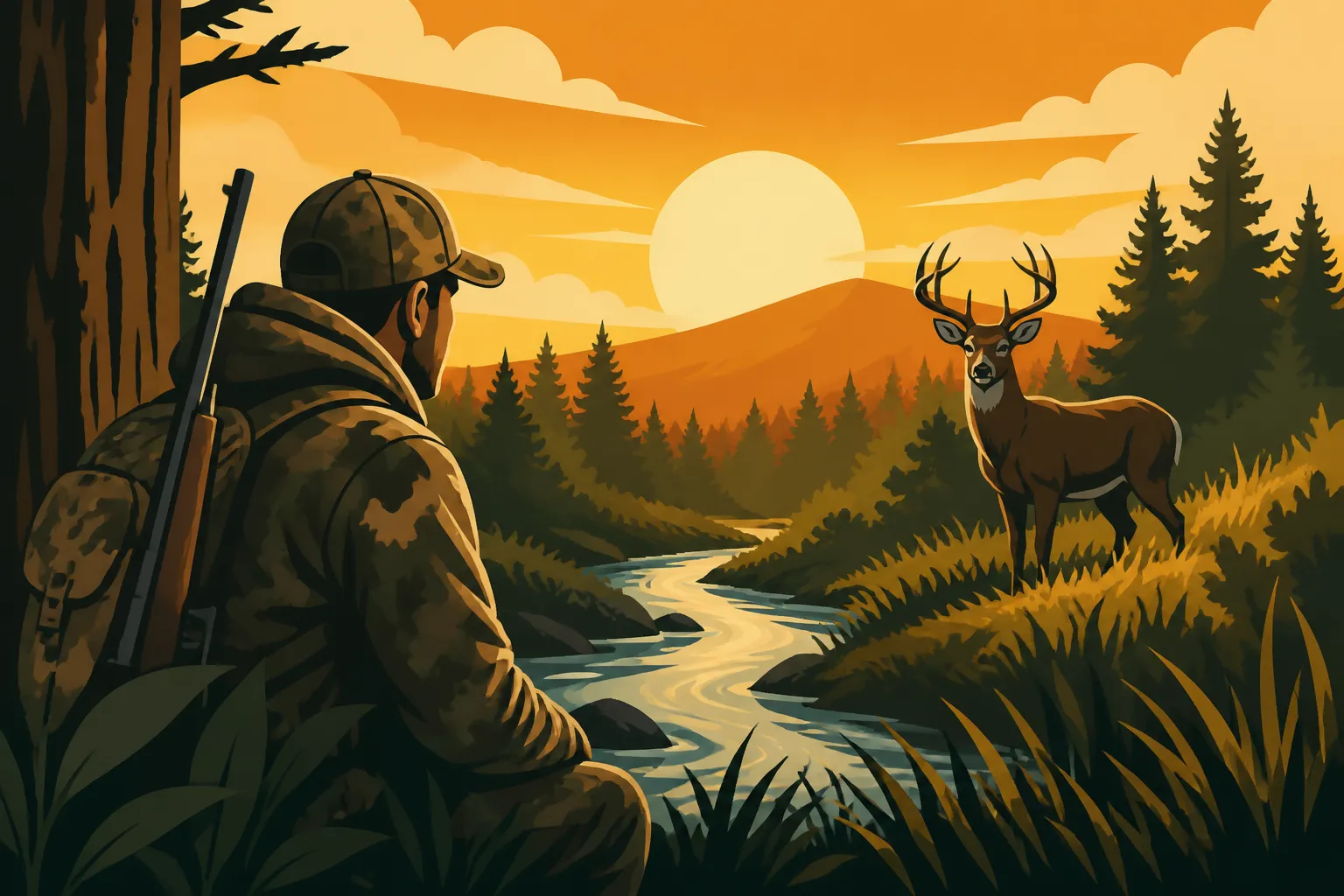
Deer in steep, thick woods like Caney Creek are often masters of using the terrain to their advantage. They'll bed on benches or thick points that allow them to see and smell anything approaching from below, and they'll use the deep hollows for thermal protection. Still-hunting becomes an incredibly effective tactic here. Move slowly, perhaps 100 yards an hour, pausing frequently to glass ahead and listen. Focus on traveling along benches, just below ridge lines, or quietly along creek bottoms where deer might be feeding or traveling between bedding and water. The key is to blend in and become part of the environment, not an intruder.
Elevated stands can also be effective, but packing in a heavy climbing stand or ladder stand deep into the wilderness is a monumental task. Many hunters opt for lightweight hang-on stands or saddle hunting setups, which are much more portable and adaptable to the varied trees you'll find. Look for natural pinch points formed by terrain, such as a narrow bench between two steep drops, or a saddle connecting two ridges. Setting up on the downwind side of these features, accounting for thermals, gives you the best chance. Ground blinds can also be improvised in dense thickets, utilizing natural cover to break up your outline. Remember, deer here might not be as skittish of human scent as those on heavily hunted public lands, but they are still extremely wary of movement and noise. Still-Hunting Arkansas Pine Country offers more insight into this patient approach.
Bear and Turkey Hunting in Caney Creek
Caney Creek isn't just for deer. The Ouachita National Forest is prime habitat for black bears, and the wilderness designation means less human disturbance, allowing them to thrive. Bear hunting here focuses on natural food sources. Bears will be gorging on acorns, persimmons, and other berries in the fall to put on weight for winter. Look for fresh bear scat, torn-up logs, or claw marks on trees, especially around mast-producing areas. These remote areas offer a truly wild bear hunting experience, though understanding Arkansas Bear Seasons and Zone Quotas is essential as seasons can be short and close once quotas are met.
For spring turkey hunting, the rugged terrain presents both a challenge and an opportunity. Gobblers will often roost on high ridges, making their morning calls echo through the hollows. Locating roosts from a distance before opening light can be critical. Once on the ground, a run-and-gun approach often works best, covering ground to locate a hot gobbler, then setting up quickly. Calling in these steep, timbered areas is different from open fields; you'll want to use calls that carry well but also accurately mimic the natural sounds of the woods. Often, the challenge is getting to a bird that's gobbling across a steep hollow or on an opposing ridge. Calling Arkansas Gobblers in the Ozarks provides valuable tips for this kind of hunt.
Logistics and Safety for Extended Wilderness Hunts
A hunt in Caney Creek Wilderness is not a spur-of-the-moment decision. It requires careful logistical planning and a strong emphasis on safety. Because you'll be far from immediate help, self-sufficiency is paramount. Your pack needs to be meticulously organized, including more than just hunting gear. Think about water filtration systems (essential, as carrying all your water is usually impractical), a comprehensive first-aid kit, and emergency shelter.
Physical conditioning is also key. Hauling a heavy pack up and down steep grades for miles is demanding. Start training well in advance of your trip. Consider potential weather changes – autumn in the Ouachitas can swing from warm and sunny to cold and rainy in a day, so layering clothing is crucial. Perhaps the biggest logistical challenge if you're successful is meat extraction. A deer, and especially a bear, quartered and packed out will be incredibly heavy. Planning your extraction route and considering how you'll keep the meat cool until you reach your vehicle is vital, particularly in warmer early season hunts. Field Dressing in Arkansas Heat can offer advice on this. Always let someone know your detailed itinerary, including your entry and exit points and expected return time.
Rules, Regulations, and Respecting the Wilderness
Hunting in a designated wilderness area comes with specific rules and an inherent responsibility to preserve the wild nature of the land. It's not just about following the law; it's about being a steward of these unique and valuable places.
Specific Regulations for Caney Creek Wilderness Area
The primary rule in Caney Creek Wilderness, as with all federal wilderness areas, is the prohibition of motorized vehicles and mechanized transport. This means no ATVs, dirt bikes, e-bikes, or even standard bicycles are allowed. You're limited to foot travel or horses. This restriction is fundamental to maintaining the wilderness character and the solitude that defines these areas.
Camping is generally dispersed, meaning you can set up camp pretty much wherever you find a suitable spot, but always practice Leave No Trace principles. Fires are usually permitted, but you should always check current fire restrictions, especially during dry periods. Building small, contained fires with dead and downed wood is the norm. When it comes to firearms, all standard Arkansas hunting regulations apply, but always double-check specific season dates and bag limits for the zone that Caney Creek falls within, as these can vary. For example, some areas might have antler point restrictions or specific antlerless deer limits. Arkansas Deer Seasons and Zone Limits will provide the overarching regulations for the state, which then apply to this area. Using trail cameras is generally allowed on national forest land, but always check for specific restrictions within wilderness areas themselves.
Here’s a quick overview of key wilderness restrictions:
| Restriction Type | Wilderness Rule (Caney Creek) | Impact on Hunters |
|---|---|---|
| Motorized Vehicles | Strictly prohibited (ATVs, dirt bikes) | All access is by foot or horse; no easy retrieves. |
| Mechanized Transport | Strictly prohibited (bicycles, e-bikes) | No shortcuts or quicker travel once off roads. |
| Camping | Dispersed camping (no designated sites) | Freedom to camp, but requires Leave No Trace practices. |
| Fires | Permitted (check current restrictions) | Use established fire rings or build small, contained fires. |
| Trail Cameras | Generally allowed (verify local rules) | Can be used for scouting, but must be removed annually. |
| Permanent Structures | Prohibited (no permanent blinds or stands) | Hunters must pack in/out all gear, no leaving items. |
Practicing Leave No Trace Principles
The "Leave No Trace" philosophy is absolutely vital in a wilderness area. It's about minimizing your impact on the environment so that future visitors, and the wildlife, experience the area as undisturbed as possible. For hunters, this translates to several key practices. First and foremost: pack out everything you pack in. This means all trash, including spent shell casings, food wrappers, and even biodegradable items like orange peels or apple cores, which take a long time to decompose and can attract unwanted animals.
When camping, choose durable surfaces for your tent and keep your campsite small. Avoid damaging vegetation. If you must have a fire, keep it small, use only dead and downed wood, and ensure it's completely extinguished before leaving. Properly dispose of human waste by burying it at least 6-8 inches deep and 200 feet from water sources, camp, or trails. When field dressing an animal, scatter the entrails away from trails, water sources, and campsites. The goal is to leave no physical evidence of your visit. This ethical responsibility ensures that Caney Creek remains the wild, remote sanctuary it is meant to be for generations of hunters and outdoor enthusiasts. Scouting Arkansas Public Land Before Season involves understanding the ethos of responsible outdoor recreation.
Disclaimer
This article is for general informational purposes only and does not constitute professional advice. Laws, prices and regulations vary by location and change over time. Consult a qualified professional for guidance on your specific situation.