Bayou Meto Boat and ATV Rules
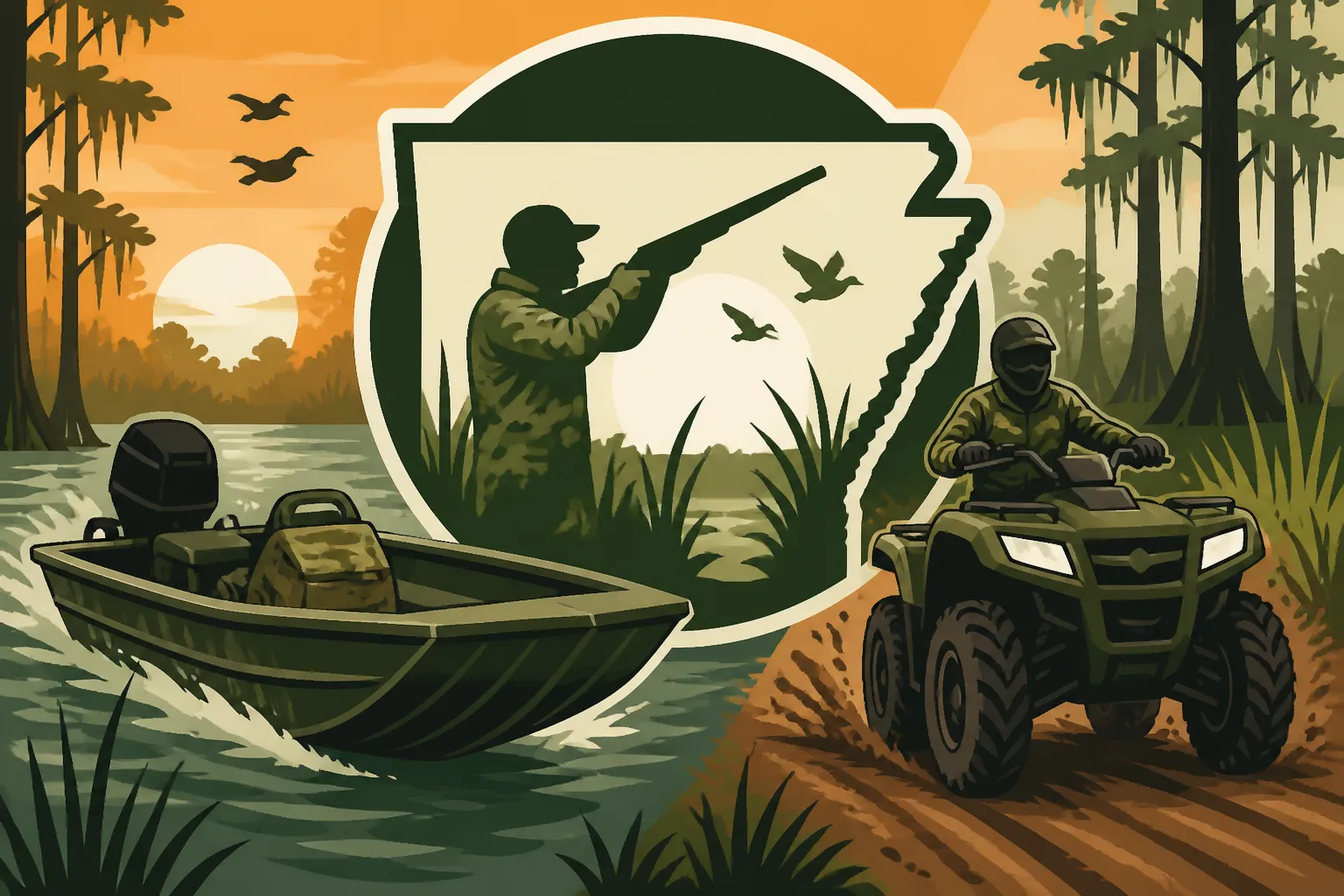
Navigating the rules for boats and ATVs on public hunting lands in Arkansas can feel like trying to untangle a stubborn fishing line, and nowhere is that more true than in the renowned Bayou Meto Wildlife Management Area. It's frustrating to roll out of bed early, drive for hours, and then realize you're unsure if your chosen mode of transport is even allowed where you want to go. This comprehensive guide is here to cut through that confusion, helping you understand the specific boat and ATV regulations for Bayou Meto WMA so you can focus on the hunt, not the rulebook.
Why Bayou Meto's Rules Are So Specific
Bayou Meto isn't just any piece of public land; it's a legendary waterfowl destination, a sprawling mosaic of flooded timber, sloughs, and managed impoundments that draws hunters from all over. This unique character, combined with its immense popularity, necessitates a very specific set of rules to protect the delicate ecosystem and ensure a fair, sustainable hunting experience for everyone. The Arkansas Game and Fish Commission (AGFC) works tirelessly to balance intense hunting pressure with the needs of wildlife and habitat conservation, and that balance often translates into detailed regulations for how we access and move through the area.
The Landscape and Its Demands
Imagine trying to run an ATV through sensitive bottomland soils that turn to mud with the slightest rain, or putting a large outboard motor through shallow, flooded timber where hundreds of ducks are trying to feed and rest. Bayou Meto is largely characterized by its extensive green tree reservoirs (GTRs) and natural overflow timber. These are areas intentionally flooded or naturally inundated, creating prime duck habitat. The ground beneath this water is often soft and easily damaged. When you consider the sheer number of hunters who visit, especially during duck season, unrestricted vehicle and boat use could quickly degrade the very habitat that makes Bayou Meto so special.
It’s not just about protecting the trees and the mud. These rules also help manage hunter density and noise, ensuring a more peaceful experience for the birds and a higher quality hunt for those who have put in the time and effort. The challenges of managing a dynamic, water-dependent environment like Bayou Meto are immense, and the rules are a direct response to these environmental and social pressures. Understanding Bayou Meto WMA Acreage helps paint a picture of the scale of this management challenge.
Balancing Access and Conservation
The AGFC's job is a tough one: provide public access for hunting while simultaneously conserving the resource for future generations. For Bayou Meto, this means carefully controlling how hunters travel through the WMA. If every hunter could drive an ATV anywhere they pleased or run a massive airboat through every slough, the ecosystem would quickly suffer, and the hunting experience would plummet for everyone.
The regulations, therefore, aim to channel human activity, concentrating it in areas that can withstand the pressure and restricting it in more sensitive zones. This is about preventing habitat damage, yes, but also about maintaining the integrity of the WMA as a premier hunting location. It's a delicate dance between giving hunters the freedom to pursue game and ensuring that the pursuit doesn't destroy the very thing they're after. These rules are part of the broader strategy for Green Tree Reservoirs and Timber Health management.
Understanding Boat Regulations in Bayou Meto
Boats are an indispensable tool for hunting Bayou Meto, allowing access to flooded timber and sloughs that would otherwise be unreachable. However, the use of boats is highly regulated to protect habitat and manage hunter impact. Ignoring these rules can lead to citations and even the loss of hunting privileges, so it's critical to know the specifics before you launch.
Motor Restrictions and Zones
Bayou Meto WMA typically has very specific rules regarding motor types and horsepower, primarily designed to reduce noise and prevent damage to sensitive shallow-water areas. Generally, you'll find zones where only electric trolling motors are allowed, and others where small gas outboards are permitted up to a certain horsepower. The intention is to keep speeds low and disturbance minimal in critical waterfowl habitat.
For instance, many areas within the WMA, especially deeper into the flooded timber, often restrict motors to electric only. This means you’ll be quietly slipping through the trees, relying on stealth rather than speed. In larger access ditches or main channels, you might find that small gas outboards (often with a horsepower limit, such as 25 HP or even 10 HP depending on the specific zone and current regulations) are permitted for quicker travel to your hunting spot. It's always a good idea to check the most current AGFC regulations for the specific area you plan to hunt within Bayou Meto, as these can change. You definitely don't want to show up with a 40 HP outboard only to find you can only use an electric in your chosen hunting compartment. When considering Hunting Arkansas Flooded Green Timber, your boat choice is paramount.
Navigating Water Levels and Access Points
Water levels in Bayou Meto are dynamic and heavily influence boat access. What might be an easily navigable slough one week could be a muddy puddle the next, or impassably flooded. The AGFC provides information on Bayou Meto Water Levels and Access, which is crucial for planning your trip. Many hunters rely on these updates to determine if certain boat ramps or access points are even usable.
Official boat ramps are usually clearly marked, and it’s important to stick to these designated launch points. Creating your own "access point" by driving through ditches or over levees not intended for boat launching is a surefire way to damage habitat and potentially earn a citation. Be mindful of prop wash and wake, especially in shallow areas or near resting birds. Running a boat through skinny water can tear up the bottom and destroy valuable vegetation that birds feed on. It's about respecting the resource and understanding that your actions impact everyone else's hunt. When you're out there, paying attention to Reading Water in the Arkansas Delta will be your best friend.
ATV and UTV Rules for Bayou Meto Hunters
ATVs and UTVs offer convenient access for hunters to haul gear and get into remote areas, but their use is highly restricted in Bayou Meto to prevent environmental damage and manage traffic. It’s not a free-for-all; specific rules are in place to guide where and when these vehicles can be operated.
Designated Trails and Off-Limit Areas
The golden rule for ATVs and UTVs in Bayou Meto is to stay on designated trails. The WMA features a network of roads and trails that are approved for vehicle traffic. These are typically gravel roads, old logging paths, or established dirt trails that are more resilient to wear and tear. Venturing off these marked trails, even for a short distance, is strictly prohibited. This is particularly important in areas with soft soils, wetlands, or sensitive vegetation, all of which are abundant in Bayou Meto. Driving off-trail can cause deep ruts, compact soil, destroy plant life, and spread invasive species, all of which take a heavy toll on the ecosystem.
There are numerous reasons for these restrictions beyond just habitat protection. Unauthorized trails can create confusion for other hunters, lead to trespass issues on adjacent private lands, and simply detract from the wild feel of the WMA. You might encounter specific areas, especially within the green timber or heavily flooded sections, where no ATV use is permitted at all. Always be on the lookout for signage, maps, and information provided by the AGFC that clearly delineates permitted routes from off-limits sections. For more general guidance, checking out ATV Rules on Arkansas Public Land can provide broader context.
Seasonal and Time Restrictions for ATVs
Beyond just where you can ride, there are often when restrictions for ATVs and UTVs in Bayou Meto. These seasonal and time-of-day limits are in place to further reduce disturbance during critical periods, especially during waterfowl migration and hunting seasons. For instance, during the heart of duck season, ATV use might be restricted to certain daylight hours—perhaps an hour before sunrise until an hour after sunset—to prevent disturbance to roosting birds or early-morning hunters walking in.
Some sections of the WMA might close to all ATV traffic during excessively wet conditions to prevent trail damage. It's crucial to check the specific annual regulations for Bayou Meto, as these can be updated based on habitat conditions, game populations, and prevailing weather. Don't assume that because you could ride your ATV somewhere last year, it's still open this year under the same conditions. These rules are part of the broader Vehicle Rules on Arkansas WMAs that apply across the state, but Bayou Meto often has its own set of additional, more stringent conditions. Planning your access with these in mind will ensure a smoother, more enjoyable trip.
Common Pitfalls and How to Avoid Them
Even seasoned hunters can get tripped up by the specific rules of a WMA like Bayou Meto. The best defense against accidental violations and frustrations is proactive preparation and using the tools available to you.
The Importance of Up-to-Date Information
One of the biggest mistakes hunters make is relying on outdated information or hearsay. Regulations for WMAs, especially dynamic ones like Bayou Meto, can change annually, or even mid-season, based on environmental conditions or management needs. What was true five years ago, or even last year, might not be true today. For example, a particular access road or timber hole might have new restrictions due to localized flooding or sensitive wildlife activity.
Before every trip to Bayou Meto, make it a habit to visit the Arkansas Game and Fish Commission's official website. Look specifically for the WMA regulations for Bayou Meto. Print them out, save them to your phone, and review them carefully. Pay close attention to dates, specific compartment rules, and any recent updates or notices. A quick check can save you a lot of grief and potential fines. This is a critical step before any Hunting Arkansas WMA Waterfowl Draw Hunts as well.
Leveraging Mapping Tools for Compliance
In today's age, there's really no excuse for getting lost or accidentally trespassing, and that includes straying off designated trails or into restricted areas within a WMA. Modern mapping applications are invaluable for staying compliant. Tools like onX Hunt have specific layers that show public land boundaries, WMA boundaries, designated trails, and even private land ownership. This can be a game-changer when you're deep in the timber or navigating unfamiliar terrain.
Before you even leave home, you can use a tool like onX Hunt to scout your intended hunting area in Bayou Meto. Look at the satellite imagery to identify potential access points, analyze the layout of the timber and sloughs, and crucially, identify all the marked ATV trails and off-limit zones. Save offline maps to your phone, because cell service can be spotty in many remote areas. During your hunt, you can use the GPS feature to track your location in real-time, ensuring you stay on legal trails and within permitted areas. Another useful platform is GoHunt, which often provides detailed analyses and planning tools that, while not directly real-time GPS navigation like onX, can help you gather information and understand the nuances of a WMA before your boots hit the ground. Using onX Layers for Arkansas Land Status can be particularly helpful for understanding the various land classifications within and around the WMA.
It's all about being informed and prepared. By understanding the unique environmental pressures on Bayou Meto and taking the time to review the most current regulations, you can ensure your hunt is both successful and compliant.
| Vehicle Type | Typical Restrictions | Key Considerations |
|---|---|---|
| Boats (General) | – Specific launch points only | – Check water levels constantly |
| – Motor horsepower limits | – Observe prop wash in shallow areas | |
| – Electric-only zones | – Noise disturbance to wildlife | |
| ATVs/UTVs | – Designated trails only | – Avoid off-trail damage |
| – Seasonal closures | – Respect wet weather closures | |
| – Time-of-day limits | – Reduce disturbance during peak hunting hours | |
| – No creation of new trails | – Prevent erosion and habitat destruction |
Disclaimer
This article is for general informational purposes only and does not constitute professional advice. Laws, prices and regulations vary by location and change over time. Consult a qualified professional for guidance on your specific situation.