Green Tree Reservoirs and Timber Health
Ah, the whispered magic of a flooded timber hole on a crisp Arkansas morning. There's truly nothing like it for a duck hunter, is there? The tall oaks standing sentinel, the perfect echo of a mallard call, and the sight of cupped wings dropping through the canopy. But beneath that iconic experience lies a growing concern: the health of these very green tree reservoirs, or GTRs, that we cherish so deeply. Many hunters are noticing changes, like areas of dead timber or less vibrant forests, and it's frustrating to see our prime hunting grounds struggling. This guide is all about diving deep into what GTRs are, why they're so special, the challenges they face, and what’s being done to ensure their future, so we can keep enjoying those unforgettable timber hunts for generations to come.
Understanding Green Tree Reservoirs: Arkansas's Waterfowl Magnets
For anyone who’s ever chased ducks in Arkansas, especially in the Delta, the term “green tree reservoir” likely conjures up images of absolute paradise. These aren't just any old swamps; they're managed ecosystems designed to provide critical wintering habitat for millions of migratory waterfowl, primarily our beloved mallards. But what exactly goes into making these places tick, and why are they so incredibly important to both ducks and hunters? Let's peel back the layers and understand the intricate balance at play.
What is a Green Tree Reservoir (GTR)?
At its core, a green tree reservoir is a tract of bottomland hardwood timber that is intentionally flooded during the waterfowl season and then de-watered afterwards. Think of it as a carefully controlled mimicry of Mother Nature's own flooding cycles. Historically, the mighty Mississippi and its tributaries would regularly overflow their banks, inundating vast expanses of forest for weeks or months at a time. Ducks evolved with this rhythm, relying on these flooded forests for food and shelter during their long migration south. GTRs recreate this scenario, concentrating food sources like acorns, providing crucial roosting and loafing areas, and offering a haven from predators.
The tree species within a GTR are key players. You'll find a mix, but species like pin oaks, Nuttall oaks, and water oaks are particularly valued because they produce abundant, nutritious acorns that are a primary food source for mallards. When the water rises and covers the forest floor, these fallen acorns become easily accessible to dabbling ducks. Beyond food, the dense canopy and standing timber offer excellent concealment and protection from the elements, making these areas irresistible to weary travelers on the Arkansas Waterfowl on the Mississippi Flyway. Without these specialized flooded environments, Arkansas's reputation as a waterfowl mecca simply wouldn't exist, and the economic lifeblood of towns like Stuttgart would dry up with the timber.
The Art of Water Management in GTRs
Creating and maintaining a functional GTR is far more complex than just turning on a spigot. It's a delicate dance with hydrology, ecology, and the often-unpredictable whims of weather. Water levels are meticulously controlled using a network of levees, water control structures (like gates and risers), and sometimes even massive pumps. The timing of both flooding and de-watering is absolutely critical. Typically, GTRs are flooded in late fall or early winter, right before or at the start of duck season, to coincide with the arrival of migratory birds. The water is held at a specific depth, usually between 6 and 18 inches, to make those acorns readily available to dabblers without being too deep for them to feed effectively.
Just as important as the flooding phase is the de-watering process. By early spring, usually March or April, the water is slowly drawn down. This drying cycle is paramount for the health of the timber. Bottomland hardwood trees, while tolerant of periodic flooding, are not aquatic species. Their root systems need periods of oxygen exposure to remain healthy and vibrant. Prolonged inundation without adequate dry periods starves the roots of oxygen, making trees susceptible to disease, insects, and ultimately, death. This intricate balance of wet and dry cycles is what keeps the GTR a "green" tree reservoir, ensuring the oaks can continue to produce acorns year after year.
The Benefits and Challenges of GTRs for Arkansas Hunting
Green tree reservoirs are an iconic part of Arkansas's hunting heritage, drawing people from all over the country to experience their unique charm. But while the benefits are immense, the long-term health of these vital ecosystems is facing significant challenges, creating a real tension between our hunting traditions and ecological sustainability.
Why GTRs Are Vital for Arkansas Waterfowling
The economic impact of GTRs on Arkansas, particularly the Grand Prairie region and towns like Stuttgart, is simply undeniable. Duck hunting isn't just a pastime here; it's an industry. Every year, hunters spend millions on licenses, gear, food, lodging, and guided hunts, supporting countless local businesses. The unique draw of flooded timber hunts is a major driver for this tourism. For many, hunting ducks in a true GTR, listening to the distinctive splash of a decoy being set in the still water and watching the first rays of dawn filter through the ancient oaks, is the pinnacle of the waterfowling experience. It’s a tradition passed down through generations, creating memories that last a lifetime.
Beyond the economic and cultural aspects, GTRs provide incredibly important ecological benefits. They act as critical wintering habitat along the Mississippi Flyway, offering a smorgasbord of food and sanctuary for millions of ducks, geese, and other migratory birds. These areas help ducks replenish fat reserves crucial for their journey back north to breeding grounds. Furthermore, the managed forests of GTRs contribute to broader ecosystem health, providing habitat for other wildlife, improving water quality by filtering runoff, and acting as natural flood control mechanisms. They are truly multi-functional landscapes that benefit far more than just duck hunters.
Mounting Concerns Over Timber Health
Despite their immense value, GTRs in Arkansas have been showing signs of distress for years, and it's a deeply concerning trend for anyone who loves these places. The primary issue stems from altered hydrology – essentially, the delicate balance of flooding and de-watering that mimics natural cycles has often been disrupted. Trees, particularly the highly valued pin oaks, are dying. When these bottomland hardwoods are kept flooded for too long, their roots are deprived of oxygen. Imagine holding your breath for too long; that's what's happening to the trees. This prolonged stress weakens them, making them vulnerable to diseases and insect infestations that a healthy tree could normally ward off.
The visible signs of this stress are heartbreaking: vast tracts of dead or dying timber, sometimes referred to as "ghost forests"; trees with thin canopies and stunted growth; and premature leaf drop in the fall. I've walked through areas where the once vibrant canopy is now sparse, the undergrowth is gone, and the silence is deafening compared to the bustling life of a healthy GTR. This isn't just an aesthetic problem; it's an ecological crisis. The loss of these mature timber stands means a reduction in the very food source and cover that attracts ducks in the first place. It also dramatically alters the microclimate and biodiversity of these areas, affecting everything from squirrels and deer to reptiles and amphibians. As the trees die, so does the unique magic of the timber hole. This is why you hear so much about concerns like Why Some Arkansas Green Timber Is Dying.
Causes of Decline and the Science Behind It
The decline in timber health within our cherished green tree reservoirs isn't a simple issue with a single cause. It's a complex web of ecological factors, management decisions, and environmental shifts that have collectively put immense pressure on these unique forested wetlands. Understanding these underlying causes is the first step toward finding sustainable solutions.
The Impact of Altered Hydrology
The most significant culprit in GTR timber decline is the alteration of natural hydrological cycles. While GTRs are designed to mimic natural flooding, they often miss a crucial element: variability. Natural river overflows are typically dynamic, with water levels fluctuating and receding as river flows change. Trees experience inundation, but also critical dry periods that allow their roots to breathe and recover. In many GTRs, the pursuit of consistent hunting conditions has sometimes led to prolonged, static flooding. This means water is held at the same depth for extended durations, and the drawdowns in spring might not be long enough or complete enough to allow the soil to properly aerate.
This constant saturation has several detrimental effects. Firstly, it creates anaerobic conditions in the soil, meaning there's a severe lack of oxygen. Tree roots need oxygen for cellular respiration, just like we do. Without it, they literally suffocate, weakening the tree from the ground up. Secondly, prolonged flooding can lead to nutrient leaching and altered soil chemistry, further stressing the trees. Over time, this constant stress compromises the tree's ability to fight off pests and diseases, which then deliver the final blow. While a natural flood might last weeks, some GTRs have seen water held for months on end, year after year, fundamentally changing the environment in a way that even flood-tolerant species like pin oaks cannot endure indefinitely.
Environmental Factors and Human Pressure
Beyond direct water management, broader environmental factors and human pressures play a significant role. Climate change, for instance, is introducing more erratic weather patterns. We're seeing heavier, more intense rainfall events that can lead to deeper, longer-lasting floods even outside of managed GTRs, making it harder to control water. Conversely, longer dry spells can also stress trees, making them more vulnerable when flooding does occur. These unpredictable shifts challenge traditional management strategies.
Human pressure from hunters also contributes, often unintentionally. There's a strong desire for reliable hunting conditions, which translates into a demand for consistently flooded timber throughout the season. This puts pressure on wildlife managers to keep GTRs wet, sometimes against the best ecological advice. As more hunters seek out these prime areas, the cumulative Hunting Pressure on Arkansas WMAs means managers are constantly balancing hunter satisfaction with the needs of the timber. Furthermore, the infrastructure of GTRs – the levees, pumps, and gates – is aging. Maintaining these systems and ensuring they can precisely control water flow requires significant funding and ongoing effort. Sedimentation can also build up, altering water flow and creating areas of perpetually saturated soil, further exacerbating the problem.
Conservation Efforts and the Future of GTRs
The dire state of some of our beloved GTRs has not gone unnoticed. Wildlife agencies, conservation organizations, and even hunters themselves are recognizing the urgency of the situation. It’s clear that a business-as-usual approach simply won't work if we want to preserve this unique hunting heritage. The good news is that significant efforts are underway to adapt management strategies and foster a more sustainable future for these vital ecosystems.
Adaptive Management Strategies
The Arkansas Game and Fish Commission (AGFC), along with partners like Ducks Unlimited, has been at the forefront of implementing adaptive management strategies for GTRs. This means moving away from a rigid, one-size-fits-all approach to flooding and instead adopting more flexible, ecologically driven plans. A key part of this is the concept of "resting" GTRs, which involves intentionally drawing down water and keeping areas dry for extended periods – sometimes an entire growing season or even two. This allows the soil to fully aerate, roots to recover, and trees to regain their vigor. You may have noticed this with Arkansas Green Tree Reservoir Closures in certain areas for rest periods, which, while inconvenient for a season, are crucial for long-term health.
Another critical strategy is reforestation. In areas where timber has died off completely, efforts are being made to replant flood-tolerant species suitable for future GTR management. This isn't a quick fix, as it takes decades for saplings to grow into mature hunting timber, but it's a vital investment in the future. Research and monitoring also play a huge role. Scientists are using advanced tools, including satellite imagery and detailed ground surveys, to track the health of GTRs, measure water flow, and understand the specific needs of different timber types. This data-driven approach allows managers to make informed decisions and fine-tune their strategies to specific GTRs, recognizing that each area has unique characteristics.
How Hunters Can Help
As hunters, we have a direct stake in the health of GTRs, and our actions can make a real difference. One of the most important things we can do is to understand and respect new regulations. If a GTR is closed for a rest period, or if hunting days are reduced, it's not to penalize hunters; it's a necessary step to save the resource. Embracing these changes, even if they're inconvenient in the short term, demonstrates a commitment to conservation. We need to be patient and trust that these measures are in place for the long haul.
Supporting conservation organizations like Ducks Unlimited and Delta Waterfowl is also crucial. These groups invest heavily in GTR research, restoration projects, and land acquisition, providing both expertise and financial resources that agencies often lack. Advocating for sustained funding for GTR restoration and management at state and federal levels ensures that these efforts can continue. Finally, practicing responsible hunting within GTRs is paramount. This means being mindful of your impact on the timber itself, avoiding damage to young trees or sensitive root systems, and minimizing disturbance to the overall ecosystem. Before you head out, make sure to use mapping tools like onX Hunt or GoHunt. These apps are invaluable for understanding WMA boundaries, identifying specific GTR units, and staying informed about any localized rules or closures that might be in effect. They can help you visualize areas where GTRs have been rested or reopened, helping you plan your hunt ethically and effectively. Make it a habit to check the AGFC's website and use their Using the AGFC Map Tool to get the latest information specific to the GTRs you plan to visit.
Navigating GTRs as a Hunter: Tips and Considerations
Hunting flooded timber is an experience unlike any other, demanding a unique set of skills and preparation. The variable conditions within GTRs, from changing water levels to varying timber density, mean that successful and ethical hunting requires careful planning and a deep respect for the environment.
Scouting and Preparation for GTR Hunts
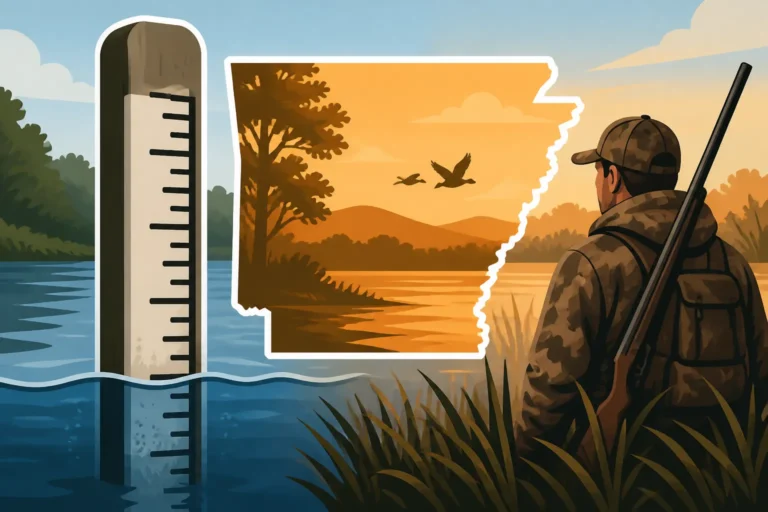
Before you ever load your shotgun, your GTR hunt really begins at home, with thorough scouting and preparation. The first and most critical step is to check water levels and access points. Water levels in GTRs can fluctuate significantly, not just through the season, but sometimes day-to-day based on rainfall or management decisions. What was wadable yesterday might be chest-deep today. Always check the latest AGFC reports or WMA-specific water gauges; knowing how to access and interpret these is key to a safe and productive hunt. You can find information on this for various areas, helping you better understand Reading a Water Gauge Before a Hunt.
Understanding GTR-specific regulations is also non-negotiable. Some GTRs might have unique rules regarding boat motor size, hunting days, shooting hours, or even specific rest areas. These regulations are often in place to protect the timber or manage hunting pressure, so familiarity is essential. For navigation, especially in the pre-dawn darkness of flooded timber, a reliable GPS or mapping app is your best friend. Tools like onX Hunt are incredibly helpful for marking your entry and exit points, saving potential blind locations, and simply not getting turned around in the featureless expanse of trees. Using the AGFC Map App Offline is a real game-changer when cell service inevitably drops. Chest waders are a given, but also consider a reliable, stable boat if you're venturing far from access points, and ensure you have all necessary safety gear.
Ethical Hunting in Sensitive Timber
The unique environment of a GTR comes with a responsibility to hunt ethically and minimize your impact on the very timber you’ve come to enjoy. One of the primary concerns is minimizing disturbance to the trees and undergrowth. Avoid driving boats directly over young saplings or creating prop wash that erodes soil around tree roots. When selecting a spot to set up, choose locations that offer natural concealment rather than breaking branches or otherwise damaging live timber. Every broken limb or scraped trunk is an injury to a tree that is already under stress.
Be acutely aware of your impact on the forest floor, especially in areas where water has receded slightly. Trampling sensitive undergrowth or compacting soil can hinder the recovery of the ecosystem. If you're wading, try to move quietly and deliberately, avoiding unnecessary disruption. Remember that GTRs are often shared resources, especially on public land. Being mindful of other hunters, giving them space, and practicing good timber etiquette ensures a positive experience for everyone and reduces pressure on the specific hunting holes. If you find a good spot, like when you're Finding a Hole in Green Timber, remember to leave it as good as, or better than, you found it. Our collective respect for these sensitive areas is crucial for their long-term health and the continuation of timber hunting traditions.
GTR Health & Management Summary
Here's a quick overview of the key aspects of GTRs and their health in Arkansas:
| Feature | Healthy GTR Characteristics | Unhealthy GTR Characteristics | Management Goal | Hunter's Role |
|---|---|---|---|---|
| Water Cycle | Mimics natural wet/dry cycles; adequate spring drawdown (aeration). | Prolonged flooding; insufficient dry periods; roots lack oxygen. | Dynamic water management; strategic rest periods. | Respect closures; understand regulations. |
| Timber | Vibrant, dense canopy; abundant acorn production; diverse species. | Dieback, ghost forests; sparse canopy; reduced acorn yield; disease. | Reforestation; promote flood-tolerant species. | Avoid damaging trees; support planting efforts. |
| Soil | Aerated; healthy microbial activity; nutrient-rich. | Anaerobic; compacted; nutrient-depleted; slow decomposition. | Restore soil aeration; prevent compaction. | Stay on established paths; minimize disturbance. |
| Waterfowl Use | High usage for feeding, roosting, loafing; diverse species. | Reduced attractiveness; lower food availability; fewer birds. | Ensure sustainable habitat; maximize food resources. | Advocate for conservation; practice ethical hunting. |
| Hunting | Consistent success; classic timber experience; sustainable harvest. | Declining success; degraded experience; unsustainable practices. | Balance hunter access with ecological needs. | Support adaptive management; educate others. |
Disclaimer
This article is for general informational purposes only and does not constitute professional advice. Laws, prices and regulations vary by location and change over time. Consult a qualified professional for guidance on your specific situation.