Finding a Hole in Green Timber
Oh, the age-old dilemma of chasing greenheads in the Arkansas timber! It’s a challenge every duck hunter in the Delta knows all too well: you’ve got the decoys, the calls, the waders, but where exactly are the ducks going to be? It’s not enough to just find flooded timber; you need to pinpoint those elusive "holes" – those pockets of open water where ducks feel safe enough to pitch in. This isn't just about pointing your boat in a direction and hoping; it's about understanding the subtle language of the woods and the ducks themselves. This guide will walk you through the nitty-gritty of scouting, observing, and ultimately finding those prime, ducky spots in Arkansas's green timber, helping you cut down on wasted mornings and maximize your time where it counts.
Understanding Green Timber Dynamics
Green timber hunting in Arkansas is legendary, and for good reason. There’s nothing quite like the sound of whistling wings through ancient cypress and oak trees, and the splash of a mallard hitting the water among your decoys. But the magic of green timber also comes with its unique set of complexities. It's not just a big, uniform block of woods; it's a dynamic ecosystem constantly shifting with water levels, food availability, and hunting pressure.
The Allure and Challenge of Green Timber
The allure of green timber is undeniable. It's a truly immersive experience, far removed from the open expanses of flooded rice fields. Here, ducks feel a natural sense of security. The dense canopy offers protection from predators and the elements, and the abundance of natural food sources, like acorns from red oaks and pin oaks, makes it an irresistible buffet. This is why ducks, particularly mallards, flock to these areas during the migration. However, this natural cover also makes hunting incredibly challenging. Unlike a blind on a levee where you can see ducks for miles, in green timber, your visibility is limited. You often don't see the birds until they're right on top of you, weaving through the trees. This requires precise calling, quick reflexes, and an intimate knowledge of where those ducks want to be. The biggest frustration for many hunters is the sheer vastness and uniformity of flooded woods, making those ideal "holes" feel like finding a needle in a watery haystack. Without a clear understanding of what a duck considers "ideal," you could spend days busting through thick undergrowth and never even see a feather.
Why Ducks Use Specific Openings
Ducks don't just land anywhere in flooded timber. They gravitate towards specific openings, or "holes," for several critical reasons. Firstly, these openings provide safe landing zones. Imagine trying to land a plane in a dense forest; it's impossible. Ducks need enough clear space to drop out of the sky, cup their wings, and descend without clipping branches. These holes offer that vital airspace. Secondly, openings often expose more water surface, making it easier for ducks to see decoys and feel comfortable. A wide-open hole gives them a sense of security that they aren't flying into a trap. Thirdly, these holes often coincide with richer food sources or areas where acorns have dropped more heavily. Water current might collect leaves and acorns in certain pockets, creating a consistent feeding ground. Additionally, ducks are social creatures, and these openings serve as natural gathering points. When they see other ducks (or your decoys) comfortably sitting in an open hole, it reinforces their sense of safety and belonging. Understanding these motivations is the first step in learning how to identify and hunt these critical spots.
Reading the Landscape Before the Hunt
Before you ever step foot in your waders, a significant portion of your "finding a hole" work can and should be done from the comfort of your home. This pre-season scouting is absolutely invaluable and can save you countless hours of busting brush on the wrong side of a slough.
Leveraging Aerial Maps and Topographical Data
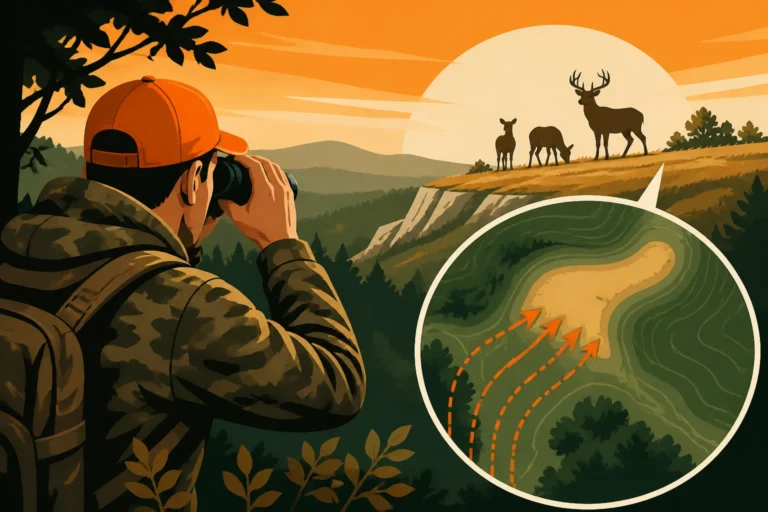
In today’s age, digital mapping tools are an absolute game-changer for green timber hunters. Forget the old paper maps that only showed roads and major waterways. Now, services like GoHunt (among others, of course) provide incredibly detailed satellite imagery that lets you zoom in and see the timber canopy. Your goal here is to identify variations in the tree cover. Look for lighter green areas, breaks in the canopy, or even subtle differences in tree species that might indicate a natural opening. Often, older timber stands will have some natural openings from fallen trees, or areas where the canopy is just less dense. These are your first clues.
Furthermore, topographical data can reveal slight depressions or rises in the terrain that become crucial when the area floods. A slightly lower elevation might hold more water consistently, drawing ducks in. You're looking for subtle changes in elevation that might be just a foot or two different from the surrounding area. These small differences can mean the difference between thigh-deep water and ankle-deep muck. You'll also want to mark any sloughs, creeks, or old logging roads that become natural travel corridors for ducks once the area is flooded. These waterways often open up into wider, more appealing pockets. Don't forget to pay attention to any man-made structures too, like old roads or levees that run through the woods. While ducks usually prefer natural settings, sometimes these features create unique water flows or clearings that hold birds. Think of this as your digital scouting mission, and make sure you save waypoints for every potential hot spot you find. When it comes to Scouting Arkansas Public Land Before Season, aerial maps are your best friend, allowing you to cover vast areas in minutes that would take days on foot.
Boots-on-the-Ground Scouting in the Off-Season
While digital maps are powerful, there's absolutely no substitute for getting your boots on the ground, especially in the off-season when the water is low or completely dry. This is your chance to really understand the terrain you've only seen from above. Walk to those potential openings you identified on your map. Are they as open as they looked? Is the timber around them too thick to even consider setting up? More importantly, look for duck sign. This might sound strange when there are no ducks around, but you're looking for clues from previous seasons. Look for old feathers, droppings, and especially concentrations of acorn caps on the dry ground. If you find a spot littered with acorn caps, you know that tree produces heavily, and if it floods, ducks will be there.
Pay attention to the forest floor itself. Are there areas of sparse undergrowth that would be easier to navigate when flooded? Are there hidden ditches or sloughs that are barely visible from above but would be prime travel lanes for ducks? During this time, you can also mark potential blind sites or specific trees that offer good concealment. Don't just look for where ducks might land; look for where you could effectively hunt them. Consider sun angles, wind direction, and escape routes for both you and the ducks. This detailed, on-the-ground assessment is critical, particularly for understanding Entry Routes Through Flooded Timber and ensuring you can actually get to your chosen hole. Sometimes a perfect hole is inaccessible, making it worthless for a hunt.
Identifying Key Features of Productive Holes
Once you've done your homework and walked the dry timber, it's time to refine your understanding of what makes a truly productive duck hole. It's more than just an opening; it's a combination of factors that ducks find irresistible.
Water Depth and Timber Density
Water depth is paramount in flooded timber. Mallards, in particular, prefer to feed in shallower water where they can easily tip up and reach submerged acorns and other vegetation. An ideal hole will often have varied depths, with a primary landing zone of about 12-24 inches, gradually getting shallower towards the edges where ducks can dabble and feed. If the water is too deep (over 3 feet), mallards will often pass it by in favor of shallower feeding areas. Conversely, if it’s too shallow, ducks might feel exposed or be unable to find enough food. Observing Reading Water Levels on the White River and understanding how it impacts specific areas can give you a significant advantage.
Equally important is the surrounding timber density. A good hole isn't necessarily a massive, wide-open lake within the woods. Often, the most productive holes are smaller, more secluded pockets with dense timber around them. This dense cover provides concealment from aerial predators and a sense of security for the ducks. It's about finding that sweet spot: enough open water for them to land comfortably, but enough surrounding timber to make them feel safe and hidden. You want a "canopy opening" where they can pitch in, but not so much open space that they feel vulnerable. If the surrounding timber is too sparse, ducks will often flare, unwilling to commit.
Food Sources and Submerged Vegetation
At the end of the day, ducks are looking for food, and green timber is a natural buffet, especially when it comes to acorns. Identifying areas with a consistent supply of acorns is critical. During your off-season scouting, you were looking for acorn caps. Now, when the water rises, you're hoping those specific trees are still dropping. Red oaks, pin oaks, and willow oaks are particularly favored by mallards. A productive hole often has a concentration of these trees nearby, and you can often see acorns floating on the surface or scattered on the bottom in clearer water.
Beyond acorns, keep an eye out for submerged vegetation. While often less visible than acorns, certain aquatic plants and seeds can be a strong draw for ducks. Look for signs of ducks actively dabbling and feeding, which might churn up the water or leave faint oil slicks on the surface. Ducks will typically feed in groups, so a hole with abundant food can become a consistent draw, day after day. Remember, the ducks aren't just looking for a place to sit; they're looking for a meal. The more food, the more likely they are to return, which is a key reason Why Mallards Use Flooded Timber. Sometimes the most unassuming little pocket of water can be a hotspot if it’s loaded with the right kind of duck grub.
Tactics for Locating Holes During the Season
Once the season is underway and the timber is flooded, your scouting efforts shift from pre-season observation to real-time detective work. This involves paying close attention to the ducks themselves and the subtle cues the environment provides.
Observing Duck Movement and Flight Patterns
The ducks will tell you where the holes are, if you're patient and observant enough. On the way to your chosen spot in the morning, or after an unsuccessful hunt, keep your eyes and ears open. Watch where ducks are flying when they're not committing to your calls or decoys. Are they consistently working a certain line of trees? Are they pitching down into an area you haven't considered? These observed flight patterns are gold. Ducks are creatures of habit, and they will often use the same entry and exit routes, and the same preferred landing zones, day after day, especially if they aren't pressured.
Don't be afraid to take a "scouting trip" purely to watch. Instead of setting up and calling, simply find a concealed vantage point and observe. Where are the birds flying? Where are they landing? If you see a group of mallards consistently landing in a particular area, even if it looks like just another patch of flooded timber to you, that's a hole worth investigating. Even on tough hunting days, when birds are just flying over, their general direction of travel and the areas they seem to avoid can give you clues. Often, what looks like an impenetrable maze of trees from your perspective might have a perfectly suitable, hidden landing strip for them, especially during peak migration.
Reading the Water and Current
The water itself can be a powerful indicator of a productive hole. In flooded timber, especially in dynamic river bottom environments like those found around the White River or Cache River, water current plays a significant role. Ducks prefer calmer water for resting and feeding. Look for areas where the current seems to slow down, or where eddies form. These calmer pockets often collect food and offer a more comfortable environment for ducks. You might even notice subtle debris lines or foam indicating a calmer zone.
Another key is water clarity. While not always a definitive indicator, ducks generally prefer cleaner water. If you notice a particular hole has clearer water than the surrounding churned-up areas, it might be a more appealing spot. Additionally, look for "sheen" on the water. A slight oil sheen can sometimes indicate recent duck activity, as their feathers release natural oils. This is a very subtle sign, but veteran timber hunters swear by it. Finally, if you're lucky enough to find fresh droppings or floating feathers, you've hit the jackpot. These are undeniable signs of recent use and a clear indication that ducks are comfortable and actively using that specific opening. The more subtle clues you can pick up from the water, the closer you are to finding that honey hole.
Navigating Green Timber Safely and Effectively
Finding the hole is one thing; getting to it, setting up, and getting out safely is another challenge entirely. Green timber can be disorienting, and water levels can change quickly, making navigation tricky.
Using GPS and Marking Waypoints
Once you've identified a potential hole, whether through maps or in-season observation, your GPS device (or a robust phone app like the GoHunt mapping platform) becomes your best friend. Mark waypoints religiously. Start by marking your truck or boat launch. Then, as you slowly make your way towards your intended hole, mark key turns, prominent trees, or any unique features that stand out. It’s incredibly easy to get turned around in flooded timber, where every tree can look the same in the dim pre-dawn light.
Not only should you mark your hunting hole, but also mark your entry and exit routes. You might have a specific path through the trees that’s less obstructed or has more consistent water depth. Save it. Also, consider marking alternative routes in case conditions change (e.g., water drops or rises, or a particular path becomes too crowded). A good practice is to create a "breadcrumb" trail on your GPS as you walk in, so you can simply follow your tracks back out. This is especially vital when hunting pre-dawn or post-sunset, or when fog rolls in, making visual navigation almost impossible. Knowing how to use these tools effectively is crucial for both safety and efficiency, particularly when attempting to locate those prime timber holes within larger public hunting areas like Bayou Meto WMA Duck Hunting.
Dealing with Obstacles and Water Conditions
Flooded timber is full of obstacles. Submerged logs, stumps, root balls, and thick brush can turn a seemingly straightforward walk into an arduous struggle. Always proceed cautiously, especially if you're unfamiliar with the area. Use a sturdy wading staff or stick to probe the water ahead of you, feeling for drop-offs or hidden obstacles. This not only prevents falls but can also help you identify submerged structure that ducks might avoid or prefer.
Water conditions are also a constant variable. What was a perfect 18-inch depth one day could be 12 inches the next if the river drops, or 3 feet if a new rain event occurs. Be prepared for variations. If the water drops significantly, some holes might become too shallow or even dry out, pushing ducks to deeper pockets. If it rises too much, smaller holes might disappear into a larger expanse, and the increased current might make ducks uncomfortable. Always check local water levels and weather forecasts before heading out. Don't be afraid to change your plans if conditions aren't favorable for your intended hole. Flexibility is key to success in green timber, and being prepared for anything is part of the game. For specific advice on Hunting Arkansas Flooded Green Timber, always remember that adaptability to changing water conditions is paramount.
Different Types of Green Timber Holes and Their Characteristics
Not all holes are created equal. Understanding the nuances between different types can help you target your scouting and hunting efforts more effectively.
Small, Secluded Pockets
These are often the "honey holes" that dedicated timber hunters dream of. They are typically smaller openings, perhaps only 20-40 yards across, completely surrounded by dense, tall timber. Ducks love these because they offer maximum security. They feel almost completely hidden from aerial predators and distant human activity. The challenge with these is that they're hard to find and hard to shoot in. Your visibility is limited, and ducks often appear and disappear quickly. These holes are best hunted with minimal decoys (perhaps a dozen or fewer) and very precise, soft calling. The goal is to make it look like a quiet, undisturbed spot for a small group of ducks. These types of holes are where mastering Calling Ducks in Tight Arkansas Timber truly shines, as loud, aggressive calling can often flare birds.
| Feature | Small, Secluded Pockets | Larger, More Open Sloughs | Overcup/Water Oak Flats |
|---|---|---|---|
| Ducks Attracted | Skittish, pressured birds, small groups | Larger groups, less pressured birds | Early season, consistent food source |
| Visibility | Low, limited shooting lanes | Moderate to High, wider shooting lanes | Moderate, depending on canopy |
| Decoy Strategy | Minimal (6-12), natural placement, motion | Moderate (1-3 dozen), spread out, motion | Moderate, focus on feeding activity |
| Calling Style | Soft, subtle, inviting, contented clucks | More aggressive, hail calls, feeding chuckles | Mix of soft feeding and reassurance |
| Pressure Tolerance | High, best for low-pressure environments | Moderate, can handle some pressure | Moderate, can get pressured if accessible |
| Best Conditions | Calm, clear days | Overcast, windy days | Early season, falling acorns |
Larger, More Open Sloughs or Flats
These are often natural depressions or old river channels that have become flooded. They are typically much larger than secluded pockets, sometimes several acres in size, and might have slightly sparser timber. These holes can hold more ducks, and offer wider shooting lanes, making them a bit easier to hunt for larger groups or less experienced timber hunters. Ducks might not feel quite as secure as in a tight hole, but the sheer expanse of open water can attract larger flocks. When setting up in these areas, you might use more decoys, spreading them out to mimic a large flock, and utilize jerk cords to add movement. While still "green timber," these areas are often closer to the edge of the woods or adjacent to a main channel. These areas are excellent for practicing tactics like Setting Up on a Canopy Opening where you have a bit more room to work with.
Overcup or Water Oak Flats
These aren't "holes" in the traditional sense, but rather specific ecological zones within the green timber that act as duck magnets. Overcup oaks and water oaks produce acorns that float, making them incredibly attractive to dabbling ducks like mallards. When a large flat of these trees becomes flooded, it creates a feeding paradise. Ducks will often spread out across these flats, picking up acorns as they drift. The "hole" here is essentially the entire flooded flat. Hunting these areas often involves subtle movements and calling, and you're looking for areas of slightly less dense timber or natural pockets where ducks can congregate. You might not have a single "hole" to target, but rather a general zone of high duck activity. These areas require a different approach to decoy placement, often favoring small clusters or individual decoys spread across the flat, focusing on showing ducks where the food is. This is a prime example of the importance of Green Tree Reservoir Management in Arkansas in creating and sustaining these crucial habitats.
Conclusion
Finding a productive hole in Arkansas's green timber is a journey, not a destination. It requires a blend of diligent pre-season scouting, keen observation during the hunt, and an understanding of duck behavior. It’s a frustrating endeavor for many, a constant puzzle that shifts with every change in water, weather, and hunting pressure. But with persistence, careful planning, and a willingness to adapt, you'll start to unlock the secrets of the flooded woods. The rewards – those unforgettable moments when mallards commit to your calls and descend through the ancient canopy into your perfectly chosen hole – make every bit of the effort worthwhile. Keep scouting, keep learning, and keep enjoying the incredible experience of green timber duck hunting.
Disclaimer
Hunting is an inherently dangerous activity. Always prioritize safety, understand and follow all Arkansas Game and Fish Commission regulations, and be aware of your surroundings. This guide provides general information and recommendations, but individual hunting situations can vary greatly. Always wear appropriate safety gear, especially waders and a life vest when navigating flooded timber, and ensure you have the necessary licenses and permits.