Entry Routes Through Flooded Timber
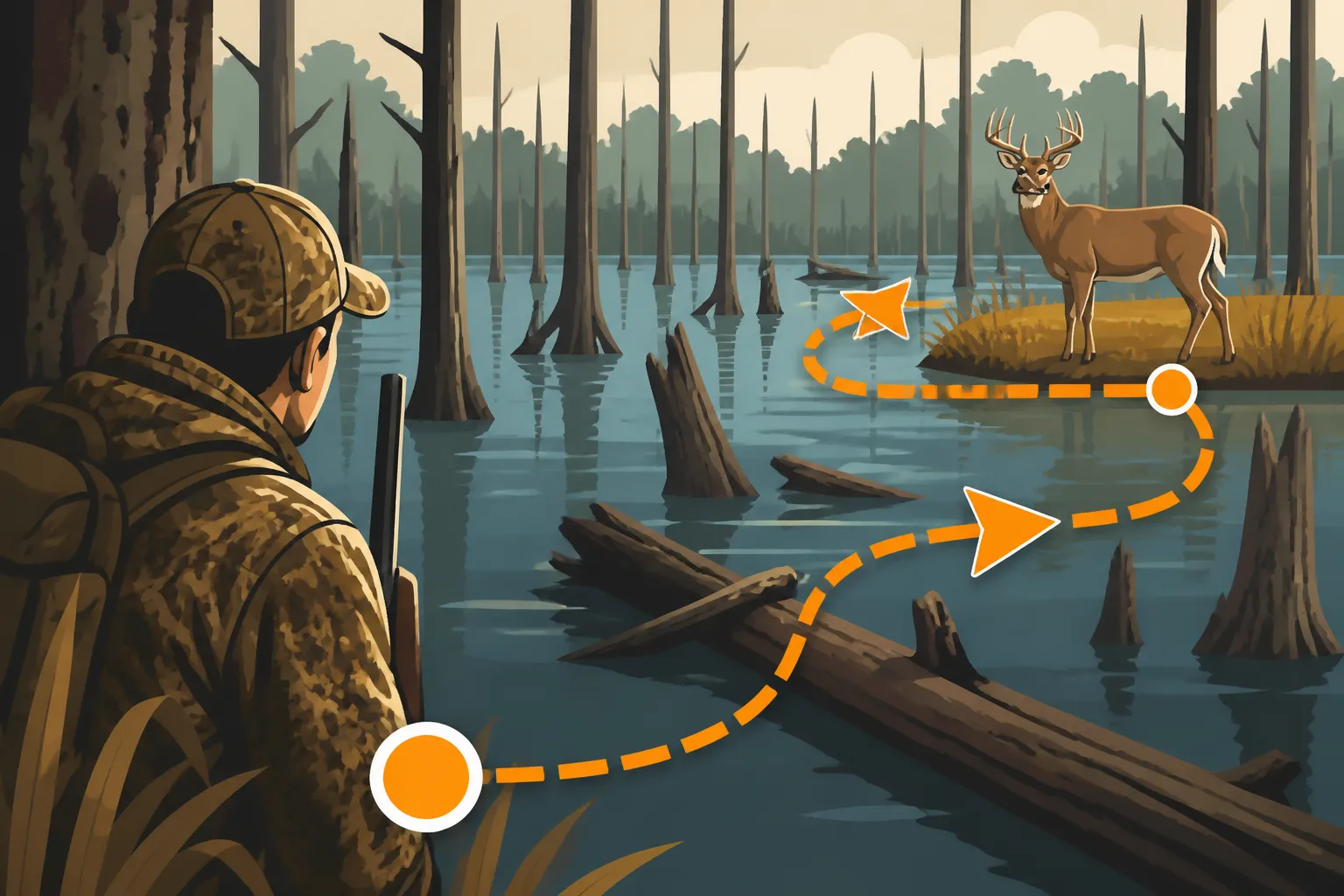
Getting into your prime duck hunting spot in Arkansas's flooded timber can feel like navigating a maze in the dark, often leading to spooked birds, lost gear, or even dangerous situations. The unique challenges of water depth, hidden obstacles, and the sheer vastness of these green timber tracts require careful planning and execution. This guide is dedicated to helping you master the art of entry routes through flooded timber, ensuring a safer, more effective, and ultimately more successful hunt.
Understanding the Flooded Timber Environment
Hunting flooded timber in Arkansas is an experience unlike any other, but it comes with its own set of unique challenges that directly impact how you approach your entry. It’s not just a wet forest; it's a dynamic ecosystem constantly changing with water levels, currents, and even the subtle shifts in the timber itself. Understanding this environment is the first critical step to planning an effective entry.
The Dynamics of Water Levels and Flow
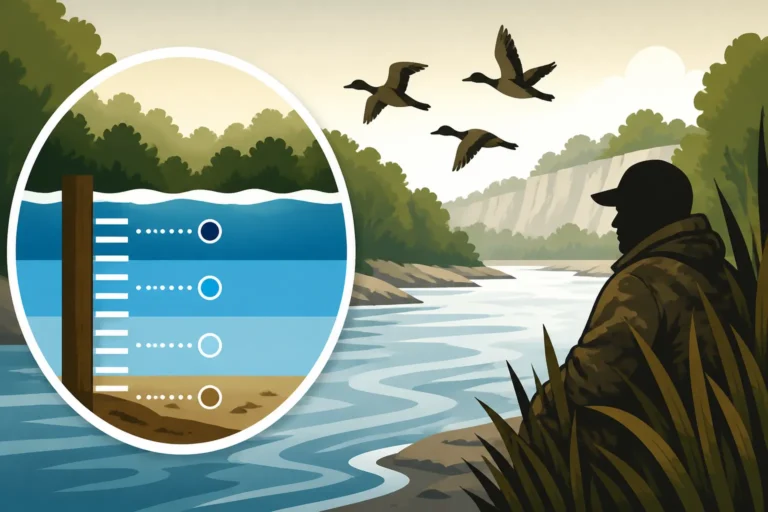
The water in flooded timber is rarely static. It rises and falls with rainfall, river stages, and controlled water management, especially in popular public hunting areas like Bayou Meto WMA Duck Hunting. A route that was an easy wade last week might be chest-deep and swift-flowing today. Furthermore, fallen trees, brush piles, and submerged stumps create currents and eddies that can be difficult to navigate, particularly when you’re pushing through in the pre-dawn darkness. You might encounter areas of slack water alongside surprisingly strong flows, which can throw you off balance and make maintaining a quiet approach a real challenge. For serious hunters, closely monitoring these changes is paramount, almost as important as knowing the bird forecast itself. It directly impacts your safety and your ability to get to your spot undetected.
Recognizing Submerged Obstacles and Terrain
Beneath the deceptively calm surface of flooded timber lies a complex and often hazardous terrain. Old logging roads, subtle ridges, and ditches can create sudden changes in depth. But the real danger lies in the submerged obstacles: fallen trees, stumps, root balls, and thick brush. These are not just inconveniences; they can cause you to trip, get snagged, or even puncture your boat if you're not careful. These hidden hazards are a primary reason why a well-planned entry route is non-negotiable. Without prior scouting or detailed mapping, every step or paddle stroke can be a gamble. Understanding the lay of the land, even when it’s underwater, is crucial for both safety and maintaining the stealth required to get close to unsuspecting ducks.
The Importance of Silence and Stealth
Ducks, especially mallards, are incredibly sensitive to disturbance. The moment you step into flooded timber, you become part of their world, and any unnatural sound or movement will send them packing. Splashing water, scraping gear against submerged logs, or heavy footfalls echoing through the trees are all red flags to wary birds. This makes the choice of your entry route and method critically important. You’re not just trying to get from point A to point B; you’re executing a silent, almost invisible, infiltration. A noisy entry can ruin an entire hunt before the first decoy even hits the water, and in a place where you're hoping to experience Hunting Arkansas Flooded Green Timber, stealth is everything.
Scouting and Planning Your Route
Effective scouting and meticulous planning are the bedrock of successful flooded timber hunting. You can't just show up and expect to find the best route in the dark; that's a recipe for frustration and failure. This preparatory phase is where you gain the intimate knowledge of the area that will make your actual entry smooth, quiet, and safe.
Pre-season and In-season Reconnaissance
There's no substitute for getting boots (or waders) on the ground – or rather, in the water – well before the season, and even during breaks in the action. Pre-season reconnaissance allows you to walk potential routes without the pressure of a hunt, identifying hidden channels, sandbars, and deep spots. You can mark troublesome submerged logs, identify bottlenecks, and even clear small sections of debris if permissible. This is also the time to observe duck patterns. Where are they flying? Where are they landing? These observations are crucial for deciding where to set up your decoys and, consequently, how best to approach.
During the season, even if you’re not hunting, it’s beneficial to take advantage of off-days or mid-day lulls to scout new routes or re-evaluate existing ones based on current water levels and bird activity. A shift in the wind or a fresh influx of birds can necessitate a change in your approach. Paying attention to details like freshly disturbed mud or faint trails through the water can reveal common duck travel lanes. Remember, scouting isn’t just about finding the best hunting spot; it’s equally about finding the most efficient and quiet way to get there.
Reading Water Levels and Conditions
Water levels are the single biggest variable in flooded timber hunting. What’s wadeable one day might require a boat the next. Knowing how to interpret local river gauges or WMA water level reports is a skill every Arkansas duck hunter needs. For instance, if you're targeting a specific hole, you need to know how different water levels will affect the approach to that spot. Will it be too shallow for your boat? Too deep for wading safely? Too much current to paddle silently?
It’s not just the depth, either. Water clarity can impact visibility of submerged obstacles, and temperature affects your gear choices and hypothermia risk. Pay close attention to local forecasts for rainfall, as even a few inches can drastically alter access. Consistently checking the official Arkansas Game and Fish Commission (AGFC) website for WMA water levels and current conditions is a must. This proactive monitoring allows you to adapt your plans, whether that means switching to a different entry point or even choosing a completely different hunting location if the conditions make your primary spot inaccessible or unsafe. Understanding how to interpret and respond to these changes is a fundamental part of Reading Water in the Arkansas Delta.
Leveraging Mapping Tools for Route Planning
Modern mapping technology has revolutionized scouting for flooded timber. Tools like GoHunt or similar GPS mapping apps become invaluable. Before you even set foot in the woods, you can use these apps to analyze aerial photographs and topographical maps. Look for subtle elevation changes that might indicate higher ground or deeper channels once flooded. Old logging roads, sloughs, and ditches that might be invisible from the ground can jump out on a satellite image.
With GoHunt, you can drop pins on potential entry points, mark submerged hazards you discover during scouting, and plot precise routes to your intended hunting location. These tools often allow you to measure distances, estimate travel times, and even integrate real-time weather overlays. Many hunters use their phone's GPS capabilities to navigate these pre-planned routes in the dark, significantly reducing the chances of getting lost or making a noisy wrong turn. Before you head out, make sure your maps are downloaded for offline use, as cell service can be spotty in remote timber. Using these digital aids ensures you have a detailed, visual plan to execute your Entry Routes Through Flooded Timber, minimizing surprises and maximizing stealth.
Navigating the Flooded Forest
Once you've done your homework and chosen your route, the actual act of navigating the flooded timber calls for specific techniques and considerations. Whether you're wading or using a boat, the goal is always the same: move silently and efficiently to your destination without disturbing the birds.
Effective Wading Techniques
Wading is often the stealthiest way to enter flooded timber, especially in shallower water or areas with dense timber where boats are impractical. However, it requires a deliberate and controlled approach. The "timber walk" is key: lift your feet high enough to clear any submerged roots or debris, and place them down gently, heel first, to minimize splashing. Avoid shuffling or dragging your feet, which can create significant noise and stir up mud. Use a wading staff or sturdy stick for balance and to probe the water ahead for hidden drops or obstacles. This isn't just about safety; it's about keeping quiet.
Maintain a slow, steady pace, pausing frequently to listen. The timber can play tricks on your ears, amplifying distant sounds or making nearby ones seem far away. If you’re carrying a decoy bag, make sure it’s securely cinched and not banging against your waders or gear. Consider a lightweight, soft-sided bag to reduce noise. When walking around the perimeter of a chosen hole or Setting Decoys in Timber Holes, try to stay in the deepest water possible to avoid disturbing the shallow mud, which can linger and alert ducks. Your movement should be as fluid and quiet as a heron stalking its prey.
Boat and Kayak Access Strategies
For deeper timber or areas with significant distances to cover, a boat or kayak becomes necessary. Jon boats, especially those with smaller, quieter outboards (or electric motors), are common. Canoes or kayaks offer unparalleled stealth and access to tighter areas. When using a boat, the primary rule is to minimize motor use once you're inside the timber. Plan your route to utilize deeper channels as much as possible, then cut the motor and paddle or pole the rest of the way.
Paddling in timber requires skill. Use short, controlled strokes, keeping the paddle from banging against the gunwales or submerged trees. A sturdy push pole is invaluable for navigating shallow, debris-filled areas silently. When approaching your desired spot, paddle slowly and hug the deeper edges or larger trees to break up your silhouette. Ensure all your gear is securely stowed and doesn't rattle or scrape. Remember to consider the wake your boat creates; even a small ripple can announce your arrival to ducks resting in calm water. For more information on how timber calling differs from open water, which is often done from a boat, check out our guide on that topic.
Dealing with Obstacles and Difficult Terrain
No matter how well you scout, you’re bound to encounter unexpected obstacles. When wading, if you hit a deep spot or a thick brush pile, don’t panic. Take your time. Use your wading staff to find a more stable path. If you must go over or through an obstacle, do so slowly and deliberately, focusing on minimizing noise. Sometimes, detouring around an especially dense section of timber, even if it adds a few extra yards, is better than forcing your way through noisily.
In a boat, a push pole is your best friend when encountering shallow water or submerged logs. If you get hung up, use the pole to gently push off rather than cranking the motor, which will create a lot of noise. If you encounter a fallen tree blocking your path, assess whether you can safely paddle over it or if a detour is necessary. Never try to force your way through dense, tangled obstacles that could capsize your boat or cause injury. It's often wiser to circle around, even if it means a longer journey, than to risk making excessive noise or endangering yourself.
Essential Gear and Safety Considerations
Hunting in flooded timber is inherently adventurous, but it's also fraught with potential hazards. The right gear can make the difference between a successful, safe hunt and a miserable, dangerous experience. Prioritizing safety through proper equipment and preparation is non-negotiable.
Appropriate Clothing and Footwear
Your choice of clothing and footwear is paramount for comfort, warmth, and safety in flooded timber. Neoprene chest waders, often 5mm thick, are the standard for their insulating properties and durability. Ensure they fit well; baggy waders can impede movement and create more splashing noise. Layering underneath is crucial: start with a moisture-wicking base layer, add insulating fleece or wool mid-layers, and top it off with waterproof, breathable outer layers if not incorporated into your waders. This allows you to adjust to changing temperatures as you exert yourself during the entry and then stand still while hunting.
For footwear, choose waders with insulated boots designed for traction in mud and on slippery submerged surfaces. Having good grip prevents slips and falls, which can lead to injury or a dangerously cold drenching. Always bring a dry change of clothes, socks, and a towel in a waterproof bag, even for a short hunt. Getting wet in cold weather is not just uncomfortable; it can quickly become life-threatening.
Safety Equipment and Emergency Preparedness
This is where your preparedness truly shines. Always wear a life jacket or PFD, even if you’re wading in what seems like shallow water. A sudden drop-off, a stumble, or losing your footing in a strong current can lead to serious trouble. Keep a waterproof headlamp with extra batteries readily accessible, preferably around your neck or in a top wader pocket. Navigating pitch-black timber is impossible without reliable light.
Carry a whistle to signal for help, and a small, brightly colored buoy or marker for your boat if you leave it tied up. A fully charged cell phone in a waterproof case is essential for emergencies. If hunting on public land, especially those involved in Arkansas WMA Duck Hunt Draws, make sure someone knows exactly where you're going and when you expect to return. Consider carrying a small first-aid kit with essentials like bandages, antiseptic wipes, and any personal medications. In extremely cold conditions, a hand warmer or two can be a small but mighty comfort. Furthermore, be aware of when Arkansas WMAs Close for High Water, as this could impact your access and safety.
Managing Cold Weather and Hypothermia Risks
Arkansas winters, even in the Delta, can be surprisingly cold, especially when you're standing in frigid water for hours. Hypothermia is a serious risk that can creep up on you without warning. Beyond proper layering and waterproof gear, active steps must be taken to manage the cold. Pack a thermos with hot coffee, tea, or broth. High-energy snacks like granola bars or nuts can help your body generate heat.
If you start shivering uncontrollably, feel confused, or experience numbness, get out of the water immediately and seek warmth. This might mean calling off the hunt early, but your life is far more valuable than a duck limit. Understand that wading through cold water, even with insulated waders, saps your body heat. Limit your exposure time if conditions are extreme, and always be mindful of your body’s signals.
Minimizing Your Impact and Maximizing Success
Your entry route isn't just about getting to the ducks; it's about minimizing disturbance and leaving the hunting area as you found it. Ethical hunting practices and a respect for the environment contribute to long-term success and the enjoyment of the resource for everyone.
Stealth, Scent Control, and Sound Discipline
Beyond silent footsteps or paddle strokes, true stealth involves a holistic approach. Scent control, while often associated with deer hunting, can be surprisingly relevant for ducks, especially in areas where they've grown wary of human presence. Avoid strong perfumes, colognes, or gasoline smells on your clothing and gear. Ducks have an excellent sense of smell, and unfamiliar odors can put them on high alert.
Sound discipline extends to every aspect of your hunt. Speak in low whispers, if at all. Avoid unnecessary movements once you're in position. Even the clanking of calls against each other or the rustle of a jacket can carry far in the quiet timber. When Calling Ducks in Tight Arkansas Timber, use soft, realistic calls that mimic natural duck chatter, rather than loud, aggressive hailing calls that might sound out of place on a small timber hole. Every action you take, from your approach to your setup, should be geared towards blending seamlessly into the environment.
Practicing Leave No Trace Principles
Ethical hunters are stewards of the land, and that means adhering to Leave No Trace principles. Pack out everything you pack in, including spent shell casings, food wrappers, and any other trash. This preserves the natural beauty of the flooded timber and prevents litter from deterring future hunters or harming wildlife.
If you build a temporary blind or brush up around your chosen tree, use natural materials sparingly and avoid cutting live vegetation. Disassemble any temporary structures when you leave. Respect property boundaries, whether on public land or if you've gained permission to hunt private ground. Remember, your actions reflect on the entire hunting community. A positive impact, or rather, no impact, ensures that these precious hunting grounds remain viable for generations to come.
Ethical Considerations and Respect for Wildlife
Part of minimizing your impact is also an ethical obligation to the wildlife you pursue. Only take shots at ducks that are within your effective range and that you can identify positively. This prevents crippling birds and ensures a clean, humane harvest. If you wound a bird, make every effort to recover it, no matter how difficult the terrain. This is a core tenet of responsible hunting.
Respect other hunters. If you encounter another hunting party, give them ample space. Don’t crowd their setup or disrupt their hunt. Public land can get crowded, especially during prime times, and mutual respect is essential for everyone's enjoyment. Understanding Why Mallards Use Flooded Timber and appreciating the intricate ecosystem helps foster a deeper respect for these magnificent creatures and their habitat. It's not just about filling a strap; it's about being a conscientious participant in the natural world.
Comparison of Flooded Timber Entry Methods
| Method | Pros | Cons | Best Use Cases |
|---|---|---|---|
| Wading | Most stealthy, direct to tight spots, no boat noise. | Physically demanding, limited by water depth/current, slow. | Shallow water (up to mid-thigh), dense timber, short distances. |
| Kayak/Canoe | Highly stealthy, good for deeper water, maneuverable. | Slower than motorboat, susceptible to current, limited gear. | Medium water depth, moderate distances, very tight timber. |
| Jon Boat | Carries more gear/hunters, faster travel. | Can be noisy (motor), less stealthy in shallow water. | Deeper channels, longer distances to timber edge, open timber. |
Conclusion
Mastering entry routes through flooded timber is a continuous learning process, but one that is incredibly rewarding. By dedicating time to scouting, utilizing modern mapping tools like GoHunt to plan your approach, and practicing meticulous stealth and safety, you'll significantly enhance your chances of success and enjoyment. Remember, every quiet step or gentle paddle stroke is a part of the hunt, getting you closer to the heart-pounding moment when those mallards commit to your spread in the tranquil Arkansas green timber. Whether you're a seasoned veteran or just starting your journey into the flooded woods, these strategies will help you get there safely and silently, ready for the magic of a timber hunt. For those looking to go even deeper into preparation, consider articles such as Reading Aerial Photos for Delta Deer, which provides invaluable insights into topographical analysis applicable to duck hunting as well.
Disclaimer
The information provided in this guide is for educational purposes only. Hunting regulations, seasons, and licensing requirements in Arkansas are subject to change. Always consult the latest official regulations from the Arkansas Game and Fish Commission (AGFC) before planning any hunting trip. Safety should always be your top priority.