Arkansas Deer Camp Traditions
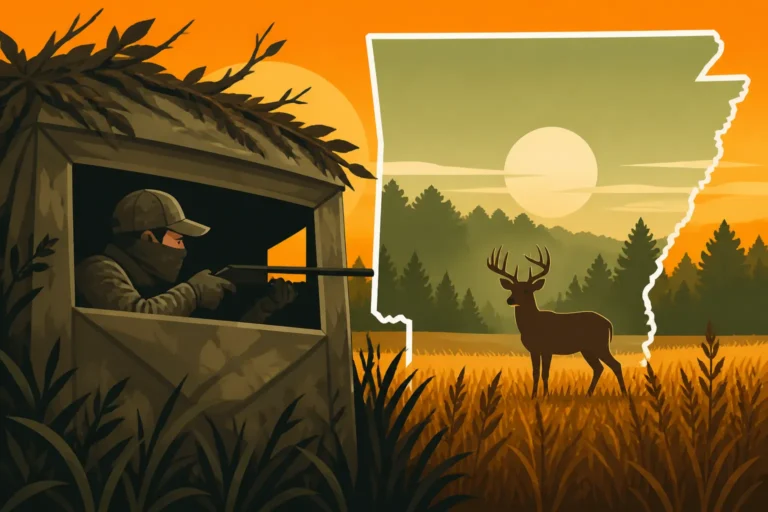
For many of us who hunt in Arkansas, deer season isn't just about the pursuit of game; it's about the deep-rooted traditions of deer camp. It’s a place where stories are told, lessons are learned, and bonds are forged, often escaping the pressures of everyday life. If you've ever felt that yearning for authentic camaraderie, or wondered how to preserve those timeless customs, this guide will delve into the rich and often unspoken traditions that define deer camp life across the Natural State.
The Heart of Arkansas Deer Camp
There’s something truly special about an Arkansas deer camp, a feeling that washes over you the moment you pull up to that familiar clearing or cabin. It’s a sanctuary, a temporary escape from the daily grind, where the primary concerns revolve around stand locations, weather patterns, and the perpetual quest for that elusive buck. This isn’t just a place to sleep; it’s the very pulse of the hunting experience for countless Arkansans, connecting them to generations past and future.
More Than Just a Hunting Spot
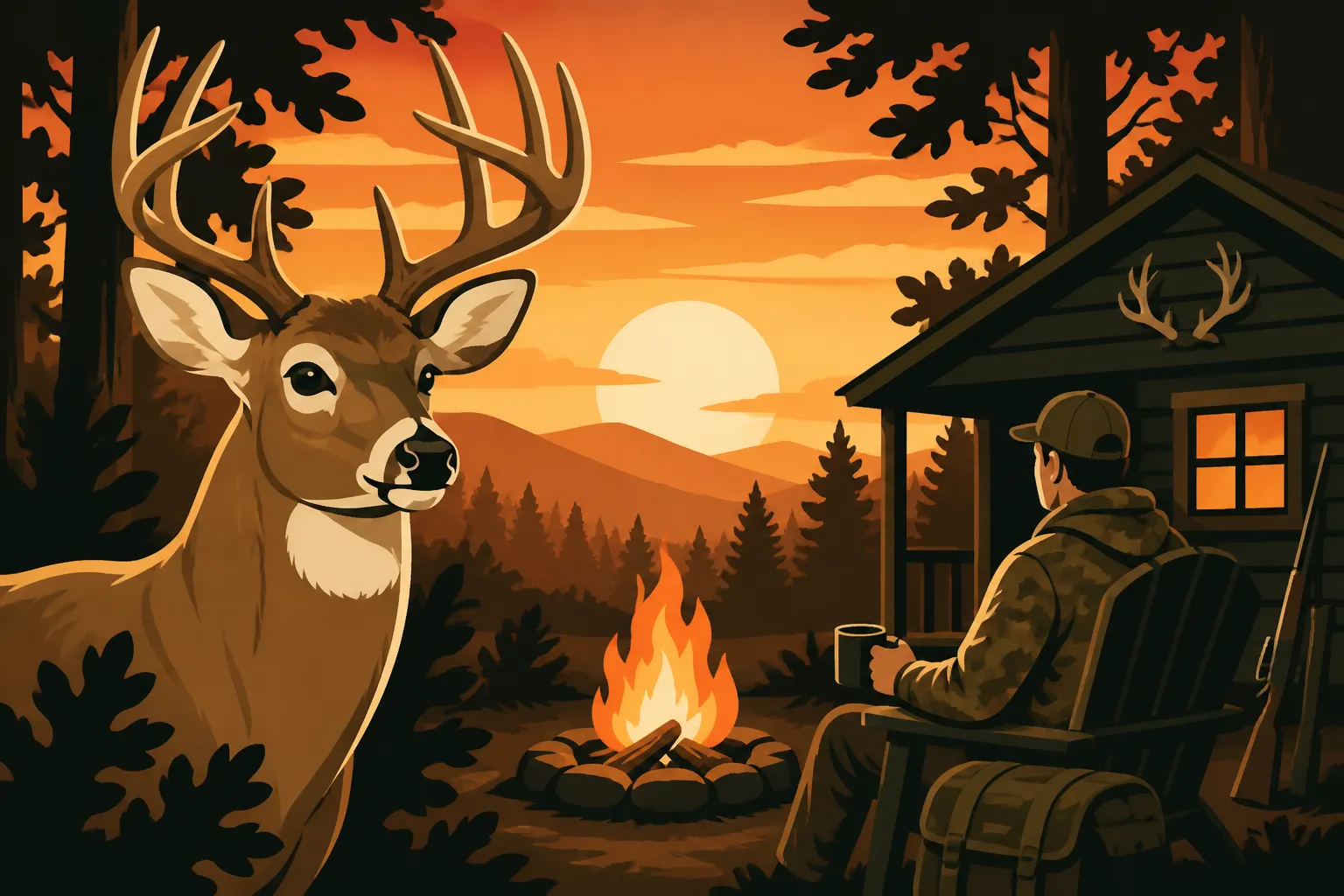
A deer camp, whether it's a rustic shack, a well-worn camper, or a designated spot in the national forest, is far more than just a place to hang your hat after a hunt. It's a gathering ground, a crucible where friendships are forged and family ties are strengthened. It's where the smell of woodsmoke mingles with coffee and bacon grease, where laughter echoes into the crisp morning air, and where the silence of the woods feels like a warm embrace. These camps are often steeped in history, with specific rules, unspoken understandings, and a unique character that evolves over decades. The physical location might change, or the amenities might improve, but the spirit of the camp – that shared anticipation, the collective effort, and the stories told around the fire – remains constant. For many, it's the anchor of their hunting season, the place they truly feel at home in the wild.
The Generations of Hunters
One of the most profound aspects of Arkansas deer camp culture is the multi-generational participation. You’ll often find grandfathers, fathers, sons, and even great-grandsons sharing the same space, passing down not just hunting knowledge but life lessons. It’s not uncommon to see a grizzled veteran hunter patiently showing a wide-eyed youngster how to properly field dress a deer, or explaining the nuances of reading a rub line. These moments are invaluable, transcending mere instruction to become rites of passage. The younger generations learn respect for the land, for the game, and for the traditions that bind them. They hear the legends of past hunts, the colossal deer that got away, and the camaraderie that defines the camp. This intergenerational dynamic ensures that the traditions don't fade, but rather continue to evolve and thrive, creating a living history with every passing season. It’s a beautiful thing to witness, a true testament to the enduring power of shared passion and family.
Time-Honored Rituals and Lore
Every good deer camp has its rituals, those little things that, while seemingly insignificant on their own, collectively form the rich tapestry of tradition. These aren't written rules, necessarily, but rather the rhythms and routines that give each season its familiar comfort and structure. From the pre-dawn whispers to the evening tales, these practices cement the bonds and deepen the meaning of the hunt.
Pre-Hunt Preparations and Superstitions
Before the first glint of daylight paints the eastern sky, an Arkansas deer camp hums with a quiet, almost reverent energy. There's the clinking of coffee mugs, the rustle of camouflage clothing, and the low murmur of last-minute strategy discussions. For many, there are specific rituals: the "lucky" hat that must be worn, the exact order of putting on gear, or the silent prayer offered before stepping out into the pre-dawn darkness. Some hunters might consult their GoHunt app one last time to check wind direction and updated weather forecasts, or review satellite imagery for their stand locations. Others swear by a particular breakfast – always biscuits and gravy, never anything else – believing it brings good fortune. These aren't just habits; they're superstitions born from years in the woods, ways to mentally prepare and invoke a sense of control over the unpredictable nature of the hunt. It’s a critical time for quiet reflection, mentally rehearsing the hunt ahead, and connecting with the silent promise of the new day.
The Art of Post-Hunt Storytelling
Ah, the post-hunt debrief. This is where the magic truly happens, where the day's events are recounted, embellished, and immortalized. Whether it was a missed shot, a close encounter with a giant buck, or just a peaceful sit in the timber, every experience becomes a story. Around the crackling fire, or gathered inside the warm camp cabin, hunters share their tales, reliving every detail with animated gestures and booming laughter. These stories are a vital part of camp lore, shaping the collective memory and providing endless fodder for future seasons. They're often filled with good-natured ribbing, exaggerated close calls, and the occasional confession of a blunder. It’s during these sessions that the unique character of the camp truly shines, celebrating triumphs and commiserating over defeats, proving that the hunt itself is only half the adventure; the retelling is just as important. These narrative sessions are where new hunters learn the unwritten rules of the woods and the camp, and where veterans reinforce their shared history.
Communal Game Processing and Sharing
When a deer hits the ground, the work truly begins, and in an Arkansas deer camp, this is almost always a communal effort. The successful hunter isn't left to shoulder the task alone; instead, hands readily volunteer. Someone brings out the knives, another fetches water, and the skinning pole or table becomes the center of attention. This shared responsibility reinforces the bond among hunters. Lessons on Field Dressing in Arkansas Heat or Cooling Meat in an Arkansas November are practical demonstrations in real-time. Young hunters get hands-on experience, learning the anatomy of a deer and the respect due to the animal that provides sustenance.
There's a palpable sense of pride and accomplishment as the work progresses, and often, the bounty is shared. Even if one hunter filled their tag, portions of the meat might be offered to others in camp, especially those who haven't been as fortunate. This act of sharing is a cornerstone of the tradition, embodying the spirit of community and ensuring that everyone benefits from the collective effort. Later, the process continues with Butchering a Deer at Camp, often turning into another social event where different cuts are discussed, and recipes are debated, further cementing the bond over the fruits of the hunt.
The Camp Kitchen: A Feast of Fellowship
Perhaps no other aspect of deer camp life fosters fellowship quite like the camp kitchen. It's often the warmest spot, both literally and figuratively, a place where sustenance and conversation flow freely. The food isn't just fuel; it's an expression of hospitality, tradition, and the collective desire to make the camp experience memorable.
Signature Dishes and Culinary Competitions
Every Arkansas deer camp worth its salt has its culinary champions and signature dishes. Whether it’s Uncle Billy’s famous venison chili, Aunt Sarah’s biscuits that defy gravity, or a deep-fried turkey that mysteriously appears one night, these meals are as much a part of the tradition as the hunting itself. Sometimes, friendly culinary competitions even break out, with hunters vying for bragging rights for the best stew, the most flavorful deer jerky, or the heartiest breakfast. Ingredients are often sourced locally, or even from previous hunts, making the meals a direct extension of the natural bounty. Imagine the anticipation of sitting down to a steaming plate of venison backstrap, perfectly seasoned and cooked, after a long, cold morning in the stand. These meals aren't just about satisfying hunger; they're about savoring the moments, the company, and the flavors that become synonymous with deer season. You might even find someone trying to replicate a recipe they found on a hunting resource while planning their trip through their GoHunt premium account.
Breaking Bread and Building Bonds
Meal times at deer camp are sacred. They're not rushed affairs but leisurely gatherings where everyone pulls up a chair, or a cooler, and unwinds. The table, whether it’s a rickety old fold-out or a sturdy wooden slab, becomes the focal point of the camp. It's where the day’s hunting stories continue, where plans for tomorrow are solidified, and where heartfelt conversations often emerge. Differences of opinion might be aired, but always with respect and often accompanied by laughter. The simple act of sharing food, especially food prepared with care and often from the very game pursued, deepens the bonds between hunters in a way that few other activities can. It’s a powerful reminder that despite the solitary nature of much of hunting, the experience is profoundly communal. These shared meals are where new hunters feel welcomed into the fold, where veteran hunters reconnect, and where the spirit of camaraderie truly flourishes.
| Role | Responsibilities | Key Traits | Example Tradition |
|---|---|---|---|
| Camp Cook | Planning menus, preparing meals, ensuring everyone is fed | Organized, creative, loves to feed people | The annual "Big Buck Breakfast" on Modern Gun Opening Weekend on Arkansas Public Land |
| Lead Scout | Researching areas, reviewing maps (e.g., GoHunt), suggesting stand locations | Knowledgeable, observant, strategic | Leading the pre-season walk-through on Scouting Arkansas Public Land Before Season |
| Game Processor | Overseeing field dressing, skinning, and initial breakdown of game | Strong, detail-oriented, experienced | Instructing new hunters on proper handling after Arkansas Deer Checking and Tagging |
| Storyteller | Recounting past hunts, sharing camp lore, keeping spirits high | Charismatic, good memory, sense of humor | Dominating the evening fire conversation with tales from Hunting the Arkansas Rut by Zone |
| Gear Master | Ensuring equipment is functional, organizing communal gear | Meticulous, practical, prepared | Performing routine safety checks on all firearms before each morning's hunt |
| New Blood/Mentee | Learning, assisting, soaking up knowledge, respecting traditions | Eager, respectful, observant | Listening intently during post-hunt debriefs and asking thoughtful questions |
Passing the Torch: Sustaining Deer Camp Culture
As time marches on, the landscape of hunting changes, but the core values of deer camp remain. A vital part of ensuring these traditions endure is the deliberate effort to bring new people into the fold and to adapt old ways to new realities. This is how the spirit of the Arkansas deer camp lives on, season after season.
Mentorship: Guiding New Blood
One of the most important, and often most rewarding, traditions in Arkansas deer camp is mentorship. It's the responsibility, and privilege, of experienced hunters to guide the next generation. This isn't just about teaching them how to shoot straight or identify deer sign; it's about instilling the values of ethical hunting, respect for wildlife, and appreciation for the natural world. It involves patiently explaining Arkansas Deer Seasons and Zone Limits, demonstrating proper safety techniques, and emphasizing the importance of following all regulations from Arkansas Hunter Education and Safety Rules.
Mentors share their wisdom, tell stories that illustrate key lessons, and lead by example. They teach humility in failure and grace in success. The goal isn't just to create another hunter, but to cultivate a thoughtful, responsible outdoors person who understands that the act of hunting is intertwined with conservation and stewardship. These young hunters absorb the atmosphere of the camp, learning not just the mechanics of the hunt but the camaraderie, the storytelling, and the deep connection to the land that define the experience. It ensures that the legacy of the Arkansas deer camp, with its unique blend of history and fellowship, continues to flourish.
Evolving Traditions in a Modern Landscape
While tradition is important, deer camp culture isn't entirely static. It adapts, subtly, to the changing times and new technologies. For example, while old-timers might still rely on paper maps, many younger hunters use advanced GPS apps like GoHunt to mark stand locations, track deer movement, and analyze terrain. The introduction of trail cameras has changed how some scouts approach game patterns, providing insights unheard of decades ago. Even discussions around topics like The Arkansas Three-Point Rule reflect evolving wildlife management practices that future generations will integrate into their hunting strategies.
The key is to embrace new tools and knowledge without losing the soul of the camp. The essence remains the same: the camaraderie, the shared meals, the stories, and the connection to nature. Technology can enhance the hunting experience, making us more efficient and informed, but it should never replace the fundamental human elements that make deer camp so special. It’s a delicate balance, preserving the cherished rituals while allowing the culture to breathe and grow, ensuring that Arkansas deer camp traditions remain relevant and vibrant for countless seasons to come. Even as methods change, the core purpose of gathering, sharing, and connecting with the land and each other will always be the enduring legacy. For those looking to enjoy the Best-Eating Game in Arkansas, the camp remains the ultimate proving ground for culinary skill and communal joy.
Disclaimer
Please note that hunting regulations and land access rules can change. Always consult the latest Arkansas Game and Fish Commission (AGFC) regulations before planning any hunting trip. This guide is for informational purposes and does not substitute for official regulations or professional guidance.