Knocking on Doors in Arkansas Farm Country
Trying to find a new hunting spot in Arkansas, especially one away from the crowded public lands, can feel like hitting a brick wall. It’s tough, frustrating even, to know there are great opportunities out there on private property, but how do you even begin to get access? This guide is all about giving you the confidence and practical steps to successfully ask for permission to hunt in Arkansas farm country, turning those frustrating drives past prime ground into potential hunting adventures.
The Mindset Shift: Overcoming the Fear of Asking
Let's be honest, the thought of walking up to a stranger's door and asking for a favor, especially one as significant as hunting access, can be incredibly daunting. Many hunters feel this same hesitation, worrying about rejection or feeling like an imposition. But with the right mindset and a respectful approach, you might be surprised at the doors that open, both literally and figuratively.
Why Private Land is Gold in Arkansas
Arkansas is blessed with abundant public hunting opportunities, from the vast expanses of the Ouachita and Ozark National Forests to the numerous Wildlife Management Areas (WMAs). However, anyone who has spent opening weekend on a WMA can tell you that "public" often means "crowded." Deer and turkey populations can be highly pressured, and finding a secluded spot to yourself often means a long walk or wading through thick cover. Private land, especially those hidden parcels tucked away in the agricultural heartland or along river bottoms, often sees less pressure. This can translate into more mature animals, more consistent patterns, and a more relaxed hunting experience. Imagine not having to worry about someone walking in on your setup or bumping your deer. It's a game-changer, and it's why so many hunters aspire to gain private land access.
Beyond the deer, private agricultural lands in the Delta and other farm regions can be absolutely critical for waterfowl. While there are fantastic public options like Bayou Meto WMA Duck Hunting, private flooded fields and timber often offer unparalleled duck and goose hunting without the intense competition. Farmers often deal with crop damage from deer, turkeys, and especially feral hogs, giving you a valuable service to offer in exchange for access.
Preparing for Rejection and Staying Persistent
The biggest hurdle for most hunters is the fear of hearing "no." And let's be realistic: you will hear "no" sometimes. That's just part of the process. For every five doors you knock on, you might get one "yes" or even just a "maybe." The key is not to take it personally. A farmer might have already given permission to family, friends, or a hunting club. They might have had a bad experience with hunters in the past, or simply not want anyone on their property for liability reasons. None of those reasons are about you, so don't let it discourage you.
Think of each "no" as a learning opportunity. What could you have done differently? Was your approach clear? Was it the right time of day? Develop a thick skin and remember your goal. Persistence, combined with politeness and respect, is often what ultimately pays off. Keep a record of who you've talked to and when, so you don't accidentally ask the same person twice if they said no. Sometimes, a "no" today could be a "yes" next year if circumstances change, and your polite demeanor will be remembered.
Doing Your Homework: Pre-Scouting Before You Knock
You wouldn't show up to a job interview without researching the company, right? The same goes for asking for hunting permission. Showing up informed and prepared instantly elevates your credibility and demonstrates your seriousness. This isn't just about finding the best spot; it's about respecting the landowner's time and property by proving you've put in the effort.
Leveraging Technology: Mapping Tools and Landowner Information
In today's world, there's no excuse for showing up blind. Tools like onX Hunt, BaseMap, and even the Arkansas Game and Fish Commission's (AGFC) AGFC Map Tool are invaluable. These apps allow you to view property boundaries, landowner names, and often even contact information. Before you ever leave your house, you can scout potential properties from your couch. Look for areas with diverse habitat – timber blocks adjacent to agriculture, thickets near water sources, or properties with good cover connecting larger tracts of woods. These are often deer magnets.
Use these tools to identify who owns the parcels you're interested in. Knowing the landowner's name when you approach their door ("Hello, Mr. Johnson, my name is…") makes a world of difference compared to a generic "Hey, are you the owner?" While services like GoHunt might primarily focus on Western states, the principle of leveraging detailed mapping and landowner data is universal. You can often find similar information through county assessor's websites, though it might be less user-friendly than a dedicated hunting app. Being able to pinpoint specific areas on a map, perhaps even showing them how a certain field edge or woodlot could be a great spot, demonstrates your seriousness and knowledge of their land. This pre-scouting is critical because it helps you identify the actual owner, avoiding uncomfortable situations with tenants or property managers who don't have the authority to grant permission.
Identifying Prime Hunting Ground from the Road
While satellite imagery is fantastic, there's no substitute for some old-fashioned windshield time. Drive the backroads, especially during the off-season or just before hunting season. Look for obvious signs of wildlife activity: deer tracks crossing dirt roads, rub lines along fence rows, areas with abundant acorn crops, or fields with evidence of turkey scratches. Pay attention to how different properties connect, forming natural travel corridors. A small block of timber might not look like much on its own, but if it's a funnel between a large crop field and a river bottom, it could be a goldmine.
Observe the general condition of the property. Is it well-maintained? Are there fences in disrepair? Does it look like they have a lot of feral hog damage? These observations aren't just for your hunting intel; they can also provide valuable talking points and opportunities to offer help when you finally knock on that door. For example, if you see a broken fence, you might offer to help mend it in exchange for access. If the field borders a public area, knowing the dynamics of Hunting Pressure on Arkansas WMAs nearby can inform your strategy for private land.
The Approach: What to Say and How to Present Yourself
This is the moment of truth. You've done your homework, you know who you're talking to, and you've identified the property. Now, it's about making a positive first impression and communicating your request effectively and respectfully. Remember, you're not just asking for permission; you're trying to build a relationship.
Crafting Your Pitch: Honesty, Respect, and Reciprocity
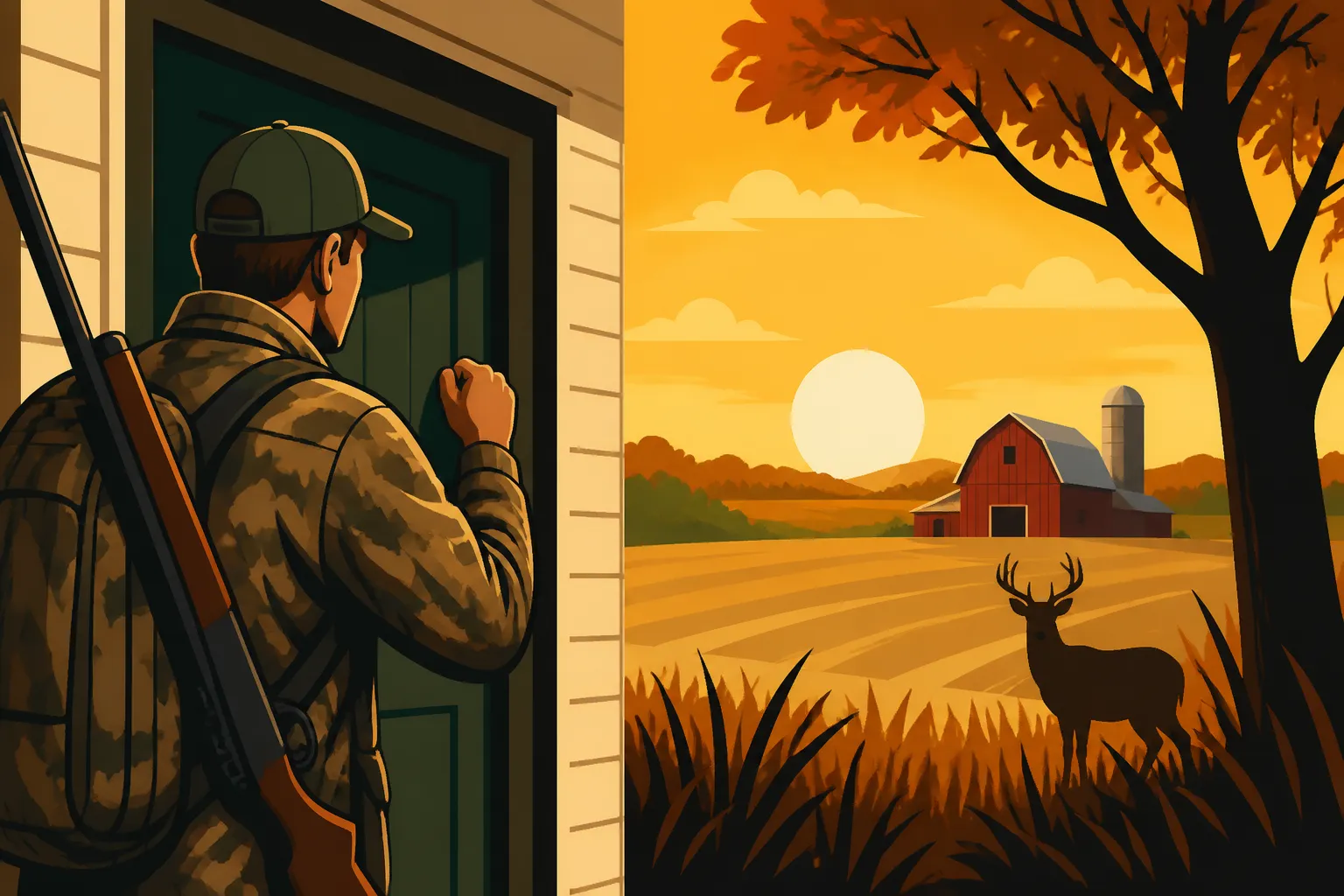
When you step out of your vehicle, make sure you look presentable. This doesn't mean a suit and tie, but clean clothes, no strong odors, and a friendly, open demeanor. Leave your hunting rifle or bow in the vehicle; you're not there to hunt, you're there to ask. Start with a polite greeting, introduce yourself by your full name, and clearly state why you're there.
Here’s a possible script: "Good morning/afternoon, Mr./Ms. [Last Name]. My name is [Your Full Name], and I hope I'm not bothering you. I was driving by and noticed your beautiful property, and I was wondering if you ever allow respectful hunters access for deer/turkey/duck hunting?"
Be honest about your intentions. Are you looking for a deer stand spot, or do you want to chase ducks in their flooded timber? Explain your experience and your commitment to safety. Emphasize that you're looking for a low-impact hunt, that you'll always let them know when you're on the property, and that you'll respect their boundaries and rules. Many landowners are wary of hunters who trash their property, leave gates open, or don't respect livestock. Reassure them you are not that kind of hunter. Offer a clear understanding of Arkansas Trespass and Permission Law and how you intend to operate strictly within the law and their wishes.
Best Times to Approach and What to Bring
Timing is everything. Avoid knocking on doors early in the morning, late in the evening, or during meal times (typically around noon or 6 PM). Mid-morning or mid-afternoon on a weekday is often ideal, as farmers are usually out and about but not deep into their most critical tasks. Weekends can be tricky; some landowners appreciate the peace, while others are more relaxed. Pay attention to their activity – if they're busy with machinery, it's probably not the best time.
Consider bringing a simple, professional folder with a few items. A copy of your hunting license and liability insurance (if you have it, which is highly recommended) can offer peace of mind. Some hunters even bring a map of the property (from their pre-scouting) to discuss specific areas. A small, thoughtful gift can also leave a good impression – maybe some homemade cookies, a pie, or a gift certificate for a local store. It shows you're not just there to take. Remember, you're trying to establish a connection, not just get a signature. If you get permission, a simple "thank you" card or a small gift after your hunt goes a long way towards Gifts and Thanks for Landowner Access and securing future access.
Offering Help Beyond the Hunt
This is where the concept of reciprocity truly shines. Many landowners, especially those with larger properties, have ongoing needs that a willing hunter can help with. This isn't just about charity; it's about demonstrating your value and commitment to being a good steward of their land.
Consider offering to:
- Help with Feral Hog Control: The Arkansas Feral Hog Problem is severe across much of the state, causing extensive crop damage and habitat destruction. Many farmers would jump at the chance for someone to help reduce these destructive pests. Offering to specifically target hogs can be a major selling point for deer or turkey access.
- Predator Control: Coyotes and bobcats can prey on livestock or small game, and offering to engage in Coyote and Bobcat Calling in Arkansas can be another valuable service.
- Property Maintenance: Offer to help with mundane tasks like mending fences, clearing brush, picking up trash, or performing minor repairs. These small gestures show you're invested in the property's well-being, not just its game.
- Observation and Reporting: Promise to keep an eye on the property for anything unusual – trespassers, suspicious activity, or issues like fallen trees after a storm. Become their extra set of eyes and ears.
- Managing Deer Numbers: In areas with high deer density, landowners might be struggling with crop damage. Offering to take antlerless deer tags can be a huge benefit to them. This is especially true in zones where Arkansas Deer Bag Limits by Zone allow for multiple antlerless deer.
By offering these services, you're not just asking for something; you're providing genuine value. This transforms the dynamic from a simple request to a mutually beneficial arrangement.
Building Lasting Relationships: From Permission to Partnership
Getting that initial "yes" is a fantastic feeling, but it's just the beginning. The goal is not just a one-time hunt but a long-term relationship based on trust and mutual respect. Treat every permission as a privilege, not a right.
Respecting the Land and the Rules
Once permission is granted, make sure you clearly understand all the landowner's rules and boundaries. Write them down if necessary. These might include:
- Specific hunting dates or times: Are you only allowed on weekdays? During certain seasons?
- Designated hunting areas: Are there areas off-limits due to livestock, residences, or other reasons? Use your mapping app, like GoHunt, to mark these boundaries clearly.
- Vehicle access: Can you drive your truck or ATV, or is it walk-in only?
- Number of hunters: Are you allowed to bring a friend or family member, or is it just you?
- Game species: Are you only allowed to hunt deer, or are turkeys and small game okay too?
- Reporting: Do they want you to check in and out each time you come to hunt? A simple text message can suffice.
- Gate etiquette: Always, always, always leave gates as you found them – if it was closed, close it; if it was open, leave it open.
- Ethical Hunting: Practice safe and ethical hunting. Make clean shots, retrieve wounded game, and follow all AGFC regulations. Be familiar with Arkansas CWD Rules and Carcass Transport if you're hunting in a CWD management zone.
Any deviation from these rules, even accidental, can jeopardize your access. When you're out there, remember you're a guest. Pack out everything you pack in. Leave no trash. Be mindful of crops, fences, and any livestock. If you harvest an animal, make sure to handle it cleanly and efficiently, especially if you're on a farmer's access road. Recovering a deer from a Delta slough or getting a deer out of an Ozark hollow might be tough, but do it respectfully.
Showing Gratitude and Giving Back
Your relationship with the landowner shouldn't end after you punch your tag. Regular communication, even just a friendly "hello" text, keeps the relationship warm. Offer to help again, even if there's no hunt involved. Remember those gestures you offered during your initial pitch? Follow through on them.
A simple end-of-season thank you can go a long way. Consider sharing some of your harvest if they are open to it – fresh venison sausage or duck breast can be a fantastic way to show appreciation. A gift certificate to a local restaurant or feed store, or even just a handwritten thank you note, reinforces your appreciation for their generosity. This kind of consistent gratitude transforms a temporary permission into a lasting partnership, often leading to access year after year, and sometimes even expanding your opportunities. This is how you move from just Finding an Arkansas Farmer to Ask to becoming a trusted friend and resource.
Dos and Don'ts of Door Knocking for Hunting Permission
Navigating the nuances of asking for hunting access can be tricky, so here's a quick rundown of key actions to take and avoid when knocking on doors in Arkansas farm country.
| Do's | Don'ts |
|---|---|
| Do your homework on property ownership. | Don't show up unannounced without knowing who owns the land. |
| Do dress neatly and respectfully. | Don't arrive in dirty hunting clothes or smelling like stale smoke. |
| Do clearly state your intentions. | Don't be vague about what you want to hunt or where. |
| Do offer to help with property maintenance. | Don't just ask for access without offering any value in return. |
| Do leave a polite note if no one is home. | Don't leave flyers or generic business cards. |
| Do respect a "no" gracefully. | Don't argue or try to guilt-trip a landowner. |
| Do establish clear rules and boundaries. | Don't assume any rules; ask for clarification. |
| Do send a thank you after the hunt. | Don't disappear until next season. |
| Do report any suspicious activity on their property. | Don't bring extra hunters without explicit permission. |
| Do leave gates as you found them. | Don't block access roads or drive off-path. |
Ultimately, getting private land hunting access in Arkansas boils down to respect, preparation, and persistence. It’s not always easy, and it takes effort, but the rewards of quiet mornings in prime habitat are immeasurable. You'll not only gain new hunting grounds but also forge valuable relationships within the community.
Disclaimer
The information provided in this guide is for general informational purposes only and does not constitute legal advice. Hunting regulations and private property laws can change, so always consult the latest Arkansas Game and Fish Commission regulations and local ordinances before engaging in any hunting activities. Always prioritize safety and ethical hunting practices.