Bayou Meto WMA Duck Hunting
Ah, Bayou Meto. Just the name itself conjures up images of towering green timber, the smell of cypress knees, and the thrilling whistle of mallards cupping their wings through a frosty dawn. For so many of us, it’s the ultimate dream of Arkansas duck hunting, a place whispered about with reverence and a touch of awe. But let's be real, stepping into the legend that is Bayou Meto Wildlife Management Area can feel less like a dream and more like trying to decipher an ancient, waterlogged map. It’s huge, it’s intricate, and it’s notorious for being both incredibly rewarding and incredibly frustrating. This guide is here to cut through the mystique, giving you the real talk on how to approach this iconic WMA, understand its quirks, and hopefully, put some ducks in your strap.
Understanding the Bayou Meto Legend and Reality
Bayou Meto isn't just a place; it's a pilgrimage for many duck hunters. It's synonymous with the best of Arkansas green timber hunting, a hallowed ground where the history of duck hunting runs as deep as the sloughs themselves. But like any legend, there's the story you hear and the reality you experience.
The Allure of Flooded Timber Hunting
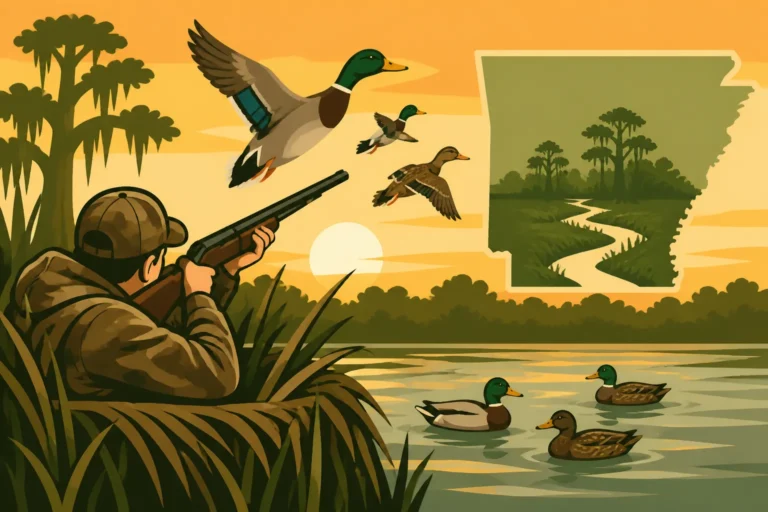
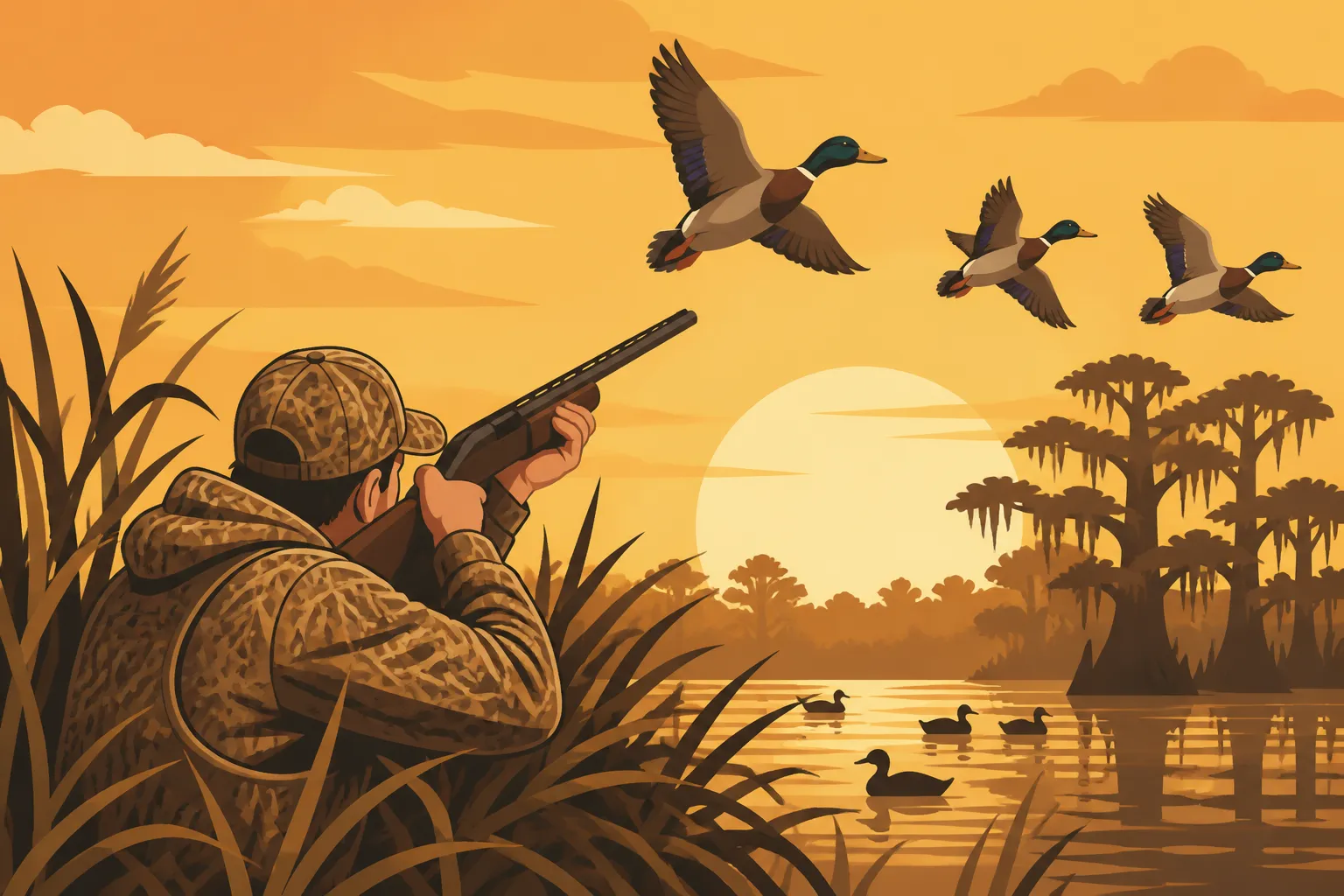
The dream is powerful: standing knee-deep in flooded woods, surrounded by ancient oaks, listening to the symphony of whistling wings and splashing water as greenheads dive into your spread. Bayou Meto, with its massive expanse of managed bottomland hardwood forest, perfectly embodies this dream. It's specifically managed for wintering waterfowl, meaning a vast amount of its acreage is intentionally flooded each fall to provide ideal habitat. This management, combined with its location in the heart of the Mississippi Flyway, makes it a magnet for mallards.
However, the reality can be a bit different. While the habitat is indeed world-class, the secret is out. Everyone wants a piece of that Bayou Meto magic. This means that while you might find yourself in an absolutely breathtaking setting, you’re very rarely alone. The sheer volume of hunters can be a stark contrast to the tranquil images you might hold in your mind. It’s a place that demands effort, resilience, and a deep understanding of its unique challenges to truly live up to the legend.
Bayou Meto's Unique Environment
What makes Bayou Meto so special, and simultaneously so challenging, is its distinct environment. We’re talking about an enormous, essentially flat expanse of bottomland hardwoods, crisscrossed by bayous, sloughs, and drainage ditches. The landscape is dominated by various species of oak, cypress, and other water-tolerant trees. This isn't just a pond in the woods; it's a forest that becomes a temporary wetland.
The water levels here are dynamic, often influenced by rainfall and the AGFC's carefully managed water control structures. Sometimes you’ll be walking through ankle-deep water, other times navigating a boat through flooded timber where only the very tops of the stumps are visible. This constant flux means that what was a perfect spot last week might be bone dry or too deep to hunt this week. It demands flexibility and an almost intuitive understanding of how the water moves and where the ducks will follow it. It’s a wild, beautiful, and often unpredictable system.
The Challenge of Hunter Pressure
Let's not sugarcoat it: hunter pressure at Bayou Meto can be intense, especially on weekends, opening day of a split, or during periods of exceptional duck movement. You'll often find vehicles lined up at boat ramps hours before legal shooting light, hunters wading in before dawn, and the sound of distant shotguns echoing through the timber. This isn't a place for those seeking absolute solitude; it's a communal hunting experience, albeit one where everyone is trying to find their own little slice of heaven.
The frustration of trying to find a "quiet" spot is real. You might hike or boat for what feels like miles, only to hear calls or shots just out of sight. This pressure means ducks are often wary, flying high, and quick to shy away from anything that seems unnatural. It forces hunters to be more strategic, more patient, and often, more willing to put in the extra effort to get away from the crowds. It's a testament to the area's draw, but it certainly adds another layer of complexity to the hunt.
Navigating Rules, Permits, and Access
Hunting Bayou Meto isn't as simple as just showing up with your waders and shotgun. It's a complex system governed by specific regulations, some of which are unique to this WMA, and understanding them is crucial for a legal and successful hunt.
Permit Requirements and General Regulations
While Bayou Meto WMA is not typically a draw hunt area for general duck hunting (meaning you don't have to win a lottery to get a permit to hunt there), hunters do need to be aware of general WMA permit requirements. Most Arkansas WMAs require a WMA General Use Permit in addition to your standard Arkansas hunting license and federal and state duck stamps. It's always a good idea to double-check the current regulations annually, as rules can change. You can find comprehensive details about these requirements and other public land considerations in our guide on Arkansas WMA Permits and Draw Hunts.
Beyond general WMA rules, Bayou Meto often has specific restrictions. For instance, non-toxic shot is mandatory, which is standard for waterfowl, but it bears repeating. There are also specific rules about vehicle access, entry times, and even motor restrictions in certain parts of the WMA. For example, some areas might only allow electric motors or even just paddling, while others allow small gas outboards. These rules are put in place to manage the resource and hunter impact, and ignoring them can lead to citations, or worse, damaging the very environment you're there to enjoy. Always, always have the current AGFC regulations on hand, whether it's a physical copy or the digital version on your phone.
Access Points and Navigation
One of the biggest hurdles for new Bayou Meto hunters is simply figuring out how to get in and around this vast property. Bayou Meto is immense, covering tens of thousands of acres. Bayou Meto WMA Acreage tells you just how big it is. There are several primary public access points, typically marked by boat ramps or designated parking areas. Famous access points include Long Pond, Halowell, and several others along the WMA's perimeter. These can get crowded, especially on busy hunt days.
Once you’re in, navigation becomes key, especially in the dark. The timber can look identical for miles, and it’s easy to get disoriented. This is where modern mapping tools really shine. Apps like onX Hunt are invaluable for marking your truck, potential hunting spots, and your route in and out. Having a reliable GPS unit or a fully charged phone with a detailed mapping app is not just a convenience; it’s a safety essential. Imagine trying to find your way back to the launch in pitch black, through winding sloughs you've only seen once before, with no stars in sight. It's a real challenge, and getting lost is a genuine concern.
For deeper insights into navigating the water conditions that define Bayou Meto, you might find our article on Bayou Meto Water Levels and Access helpful, which dives into the nitty-gritty of getting to your spot.
Bayou Meto Water Levels and Their Impact
If there’s one factor that dictates success, access, and even the very feasibility of hunting Bayou Meto, it’s the water. The fluctuating water levels are both the lifeblood of this WMA and its greatest variable.
The Critical Role of Water
Bayou Meto is a bottomland hardwood forest, and its ecosystem thrives on periodic flooding. Water brings in the food—like acorns from the numerous oaks—and creates the ideal habitat for mallards and other dabbling ducks. Without the right amount of water, ducks simply won't be there, or they'll be concentrated in whatever limited water is available, leading to even more hunter pressure. Too little water means vast stretches of the timber might be dry and unhuntable, forcing birds into smaller, more accessible areas. Too much water, and the ducks can spread out across such a massive area that finding them becomes a needle-in-a-haystack endeavor, and access to traditional spots might become dangerously difficult.
This constant push and pull means that a successful Bayou Meto hunt often starts long before you ever step foot in the woods, by obsessively checking water levels. The entire strategy, from where you park to how you set your decoys, hinges on this one crucial element. Ignoring the water levels is like trying to guess the weather without looking at the forecast; you might get lucky, but you’re likely setting yourself up for disappointment.
Reading Water Levels Before Your Hunt
Given the importance of water, knowing how to monitor it is paramount. The Arkansas Game and Fish Commission (AGFC) often provides real-time or near real-time water level gauges for many of their WMAs, including Bayou Meto. These can typically be found on the AGFC website. Learning to interpret these gauges in relation to specific access points and hunting areas within the WMA is an acquired skill. For example, a "gauge reading of 198 feet" might mean different things for Long Pond versus Halowell. Hunters who consistently do well at Bayou Meto often keep detailed notes or mental maps of what certain water levels mean for their favorite spots.
It's not just about the absolute number, but the trend. Is the water rising or falling? A rising water level might indicate fresh food sources becoming available in new areas, while falling water could concentrate ducks into deeper sloughs. Pay attention to regional rainfall, not just local precipitation. Heavy rains upstream in the White River or Arkansas River systems can eventually influence Bayou Meto's levels, especially in the lower reaches. For more general advice on understanding hydrological conditions, our article Reading Water Levels on the White River offers useful insights that can be applied here.
High Water Versus Low Water Strategies
The ideal water level for Bayou Meto is often subjective, but generally, moderate to slightly high water is preferred, as it opens up more timber for the ducks to utilize and for hunters to access.
High Water Scenarios:
- Pros: Opens up vast stretches of flooded timber, spreads ducks out, potentially reducing localized pressure, and allows for deeper boat penetration into the WMA.
- Cons: Ducks can be harder to locate due to the sheer amount of habitat, wading depth can become excessive, current can be stronger in sloughs, making boat handling challenging.
- Strategy: Focus on areas with good timber density and diverse food sources. Look for areas where the water is just barely reaching the acorn-producing oaks. Ducks will cruise through the more open, deeper areas but often settle in shallower pockets with accessible food. This is where mapping tools like GoHunt become invaluable to understand contour and depth, even if it's generally flat. Flooding and WMA Access in the Delta can also give you an idea of broader implications.
Low Water Scenarios:
- Pros: Ducks are often concentrated in remaining sloughs and deeper pockets, making them easier to locate. Wading can be easier in many areas.
- Cons: Access can be severely limited for boats, requiring long, strenuous wades. Hunter pressure can be exceptionally high on the remaining huntable water. Ducks are often warier due to crowding.
- Strategy: Scout for the deepest sloughs and potholes within the timber, or hunt near the main bayous where water persists. Be prepared for extensive wading, sometimes through thick mud. Early mornings are crucial to get to these limited spots before others. If you're going to use a boat, a smaller, shallower-draft jon boat with a mud motor is usually preferred over a traditional outboard.
Understanding How Bayou Meto Duck Hunting Works truly hinges on adapting to these ever-changing water dynamics.
Effective Hunting Tactics for Bayou Meto's Timber
Once you’ve navigated the rules and understood the water, the real work begins: hunting the timber itself. This isn't your typical field hunt; it requires a specific set of skills and strategies.
Scouting for a Timber Hole
Successful timber hunting, especially in a place like Bayou Meto, often boils down to effective scouting. You can't just drop in anywhere and expect results. Pre-season scouting, when allowed, is invaluable for identifying acorn-producing trees, duck trails, and potential loafing areas. Look for fresh sign: muddy banks where ducks have been feeding, scattered droppings, and "greased" trees where ducks have rubbed their bodies. Even during the season, arriving early enough to scout before legal shooting light can make a huge difference.
Utilize aerial maps, especially those found on apps like onX Hunt. These tools allow you to study the timber density, identify sloughs, and mark potential "holes" or openings in the canopy that ducks might use. Look for changes in timber type, slight elevations (even a foot can make a difference in water depth), or areas with diverse food sources. Remember, the ducks aren't just looking for water; they're looking for food and safety, and a spot that offers both, slightly removed from the main thoroughfares, can be a goldmine. Pay close attention to Entry Routes Through Flooded Timber to ensure you can get to your spot discreetly.
Decoy Spreads and Calling in the Timber
Decoy spreads in Bayou Meto's dense timber are very different from what you'd use in an open field or on a large lake. You don't need dozens of decoys; a half-dozen to a dozen mallard decoys, often with a few active motion decoys, is usually sufficient. The goal isn't to create a massive spread, but a realistic, inviting pocket. Position them to create an open "landing strip" that draws ducks through a canopy opening directly into your shooting zone. Setting Up on a Canopy Opening delves into this in more detail.
Calling in the timber also requires a nuanced approach. The dense trees absorb sound, so your calls don't carry as far as they would in open water. This means you need to be more precise, often softer, and focus on realistic feeding chuckles and soft greetings once ducks are close. Aggressive, loud calling can often spook birds that are already wary from pressure. Listen to the ducks; let them tell you what they want to hear. A subtle, well-timed quack can often be far more effective than a barrage of hail calls. Our article on Calling Ducks in Tight Arkansas Timber is a must-read for mastering this skill.
Setup Strategy: Entry, Exit, and Concealment
Your setup strategy in Bayou Meto is crucial. First and foremost, prioritize quiet entry. This means parking your boat a bit further away and wading in, or paddling silently through sloughs. The less disturbance you create on your way in, the better. Once you've identified your spot, concealment is key. Utilize natural cover – lean against a large tree, hide in a thicket, or even use a small, brushed-in ground blind if regulations allow. Blending seamlessly into the environment is vital, as wary mallards will pick out anything that looks out of place.
Consider the wind and sun. Position yourself so the wind is at your back, allowing ducks to land into it, bringing them closer to your position. Also, try to position the sun to your advantage, either at your back or to the side, making it harder for ducks to see you while giving you a clear view. Think about your shot angles and retrieve lanes. Ensure you have clear shooting lanes through the timber, and a plan for how to retrieve downed birds, especially if you don't have a dog. Every element of your setup needs to be deliberate and well-thought-out, respecting the intelligence of these pressured birds. For a comprehensive overview of the overall experience, be sure to check out Hunting Arkansas Flooded Green Timber.
Essential Gear and Safety Considerations
Hunting Bayou Meto isn't just about knowing the ducks; it's about being prepared for the environment. The right gear and a strong emphasis on safety can make or break your hunt.
Waders, Boats, and Motors
Your choice of waders is paramount. You'll be spending a lot of time in the water, often wading through mud, brush, and over submerged obstacles. Good quality, puncture-resistant chest waders are non-negotiable. Look for insulated options for cold mornings. You also need to consider your footwear; neoprene boots or stout wading boots with good traction are essential to prevent slips and provide support.
For transportation, a sturdy jon boat is the most common choice for Bayou Meto, often paired with a small gas motor (for open water sections) and/or an electric trolling motor (for shallower or restricted areas). A mud motor can be a huge asset in very shallow conditions. Some hunters opt for canoes or kayaks, especially for accessing super tight, shallow holes. Make sure your boat is reliable, well-maintained, and equipped with all necessary safety gear like life vests, lights, and a whistle. Remember, you're often navigating in the dark through unfamiliar territory, and breakdowns are not an option.
Navigation and Communication
We've touched on this, but it bears repeating: reliable navigation is an absolute must. The timber in Bayou Meto is dense and disorienting. A quality GPS unit or a smartphone with a robust mapping app like onX Hunt or GoHunt is essential. Download offline maps before you go, as cell service can be spotty or nonexistent deep within the WMA. Mark your access point, your hunting spot, and any significant landmarks on your way in. A compass and paper map, while seemingly old-school, can be a lifesaver if your electronics fail.
Beyond navigation, communication is critical for safety. While cell service can be unreliable, carrying a fully charged cell phone (in a waterproof case!) is still wise for emergency calls if you do find service. Consider a satellite messenger device for truly remote trips or if you're hunting alone. Always tell someone where you are going and when you expect to return. Never hunt alone if you're unfamiliar with the area or if conditions are particularly challenging. This is especially true for Arkansas Waterfowl Shooting Hours, when you're moving in and out of the woods in the dark.
Weather, Water, and Wildlife Hazards
Bayou Meto weather can change rapidly. Cold fronts bring ducks, but also freezing temperatures and harsh winds. Always dress in layers, with waterproof and windproof outer shells. Be prepared for cold, wet conditions that can quickly lead to hypothermia if you're not careful. This means extra dry clothes in a waterproof bag, fire-starting materials, and high-energy snacks.
Water itself presents hazards. The current in the bayous can be stronger than it looks, especially after heavy rains. Submerged logs, stumps, and unseen debris can be dangerous for boats and waders. Always wear your personal flotation device (PFD) when in a boat, and consider one when wading in deep, swift water. Be aware of the dangers of quicksand-like mud in some areas.
Finally, remember you're in wild Arkansas. Be aware of wildlife hazards like venomous snakes (especially during warmer periods), wild hogs (which can be aggressive if cornered), and even black bears, though bear encounters are rare in the Delta. Being observant and respectful of the wildlife around you is part of the experience.
| Factor | Low Water Hunting Strategy | High Water Hunting Strategy |
|---|---|---|
| Access | Extensive wading, potentially limited boat access. | Deeper boat penetration possible, but wading can be tough. |
| Duck Location | Concentrated in sloughs, main bayous, and deep potholes. | Scattered throughout vast expanses of flooded timber. |
| Decoy Spread | Small, tight spread in the deepest water available. | Small spread creating a clear "landing zone" in canopy openings. |
| Calling | Softer, more focused on feeding chuckles to close birds. | Softer, precise calls; listen for distant birds and respond. |
| Concealment | Utilize natural stumps, blowdowns, or thicker brush near water. | Blend into dense timber, focus on breaking up outline. |
| Physical Demand | High, often long wades through mud and shallow water. | Moderate to high, depending on boat use and wading depth. |
| Pressure | Extremely high on remaining huntable water. | Spread out due to more habitat, but still present. |
Respecting the Resource and Fellow Hunters
Bayou Meto is a shared treasure, and preserving its legacy means every hunter plays a role in respecting both the environment and each other.
Ethical Hunting and Courtesy
With so many hunters converging on a relatively finite space, courtesy is paramount. This means giving other hunters ample space – if you hear shots or see lights from another group, move on. The "first-come, first-served" rule is generally accepted for public land. Arriving well before legal shooting light is often necessary to secure a desired spot. Once you're in a spot, try to avoid making excessive noise or shining bright lights in directions where other hunters might be.
Ethical hunting also means making clean kills and doing everything in your power to retrieve downed birds. Crippled ducks escaping into the dense timber are a frustrating reality, but putting in the effort to find them is a hunter's responsibility. It's not just about filling your limit; it's about minimizing waste and showing respect for the game. Understanding Arkansas Duck Season Dates and Arkansas Waterfowl Shooting Hours is foundational to hunting ethically within the legal framework.
Leave No Trace Principles
The old adage, "take nothing but pictures, leave nothing but footprints," is particularly relevant at Bayou Meto. This means packing out everything you pack in. Spent shotgun shells, empty snack wrappers, old decoy line – it all needs to come out with you. Trash not only detracts from the natural beauty of the WMA but can also harm wildlife. Imagine a duck ingesting a piece of plastic or getting tangled in fishing line.
Beyond visible trash, consider your impact on the habitat. Avoid unnecessary damage to trees or vegetation. If you're brushing in a blind, use only what's necessary and ensure it blends naturally. Minimizing your footprint ensures that Bayou Meto remains a pristine and productive hunting ground for generations to come.
Reporting Violations and Preserving the Future
If you witness a violation of hunting regulations, whether it's shooting over the limit, early or late shooting, or outright poaching, it's our responsibility as ethical hunters to report it. The AGFC can't be everywhere, and we are all stewards of this resource. Reporting violations, anonymously if preferred, helps preserve the integrity of the hunt and ensures fair chase for everyone.
Beyond enforcement, actively supporting conservation organizations that work to protect and enhance wetlands and waterfowl habitat is crucial. Organizations like Ducks Unlimited and Delta Waterfowl, along with your purchases of hunting licenses and stamps, directly contribute to the ongoing management of places like Bayou Meto. These efforts ensure that the legacy of green timber duck hunting in Arkansas endures, allowing future generations to experience the magic and challenge of Bayou Meto, just as we do today.
Disclaimer
This article is for general informational purposes only and does not constitute professional advice. Laws, prices and regulations vary by location and change over time. Consult a qualified professional for guidance on your specific situation.