Dave Donaldson Black River WMA
Finding productive public hunting land in Arkansas can sometimes feel like trying to solve a complicated puzzle, especially when you're looking for diverse opportunities beyond just deer. We all want those hidden gems that offer a shot at multiple species, from ducks in flooded timber to big woods gobblers and even a decent deer. If you've been searching for a public land spot that truly delivers a broad range of hunting experiences, you're in the right place, because today we're diving deep into the Dave Donaldson Black River WMA.
Dave Donaldson Black River WMA: An Overview
The Dave Donaldson Black River Wildlife Management Area, often just called "Black River WMA" by locals, is a sprawling testament to Arkansas's rich natural heritage and a true hunter's paradise. It's one of those places that, despite its popularity, consistently offers incredible opportunities across different seasons. From the moment you pull in, you can feel the wildness of the place, from the cypress-tupelo brakes to the managed fields.
Location and Access Points
Nestled in northeast Arkansas, primarily within Clay, Greene, and Randolph counties, the Black River WMA is a significant chunk of public land. It sprawls along the Black River and its tributaries, forming a mosaic of bottomland hardwood forest, managed agricultural fields, sloughs, and cypress swamps. For many hunters, getting there often involves navigating some rural roads, but the journey is well worth it. You'll typically find main access points off highways like US-67 or AR-90, leading to a network of gravel roads and boat ramps.
Key access points include various public boat ramps, which are critical for waterfowl hunters, but also provide crucial entry for deer and turkey hunters looking to get deeper into the WMA via boat. There are also designated parking areas scattered throughout the WMA, allowing walk-in access to different sections. It's always a good idea to consult the most current AGFC maps, or even better, use a mapping app like onX Hunt, which clearly delineates WMA boundaries, roads, and access points. Just remember that conditions can change, especially during wet periods, making some roads impassable or certain areas only accessible by boat. Planning your entry and exit is half the battle here.
Habitat Diversity and Wildlife
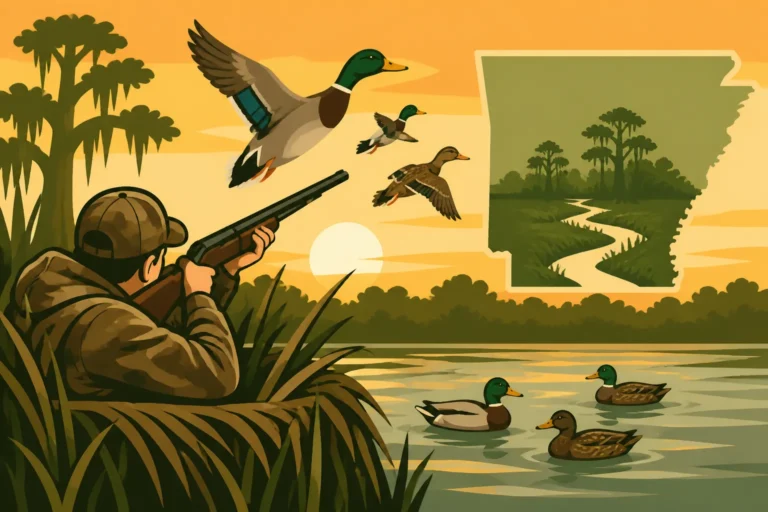
What truly sets the Dave Donaldson Black River WMA apart is its incredible habitat diversity. This isn't just a block of woods; it's an intricate ecosystem designed to support a wide array of wildlife, which in turn offers a diverse hunting menu. You'll find expansive green timber areas, characterized by towering oaks and cypress trees that get intentionally flooded for waterfowl. These are the classic Arkansas duck woods that draw hunters from all over the country.
Beyond the flooded timber, there are vast agricultural fields, some leased to farmers and others managed specifically for wildlife, often planted in corn, soybeans, or milo. These fields are magnets for deer, turkey, doves, and geese. Interspersed throughout are sloughs, oxbow lakes, and the Black River itself, providing permanent water sources and travel corridors for animals. This mix of habitats means that a deer hunter might be working the edge of a standing cornfield one day and wading through knee-deep water in a cypress brake the next. For migratory birds, it's a buffet and a sanctuary, making it a prime location for Arkansas Waterfowl Seasons and Zones. This habitat richness is precisely why the WMA can sustain healthy populations of deer, turkeys, ducks, geese, squirrels, rabbits, and various predators, offering something for almost every hunter.
General Rules and Regulations
Navigating the rules and regulations for any WMA can feel like a labyrinth, and Dave Donaldson Black River WMA is no exception. It's crucial to remember that WMAs often have specific regulations that supersede general statewide hunting rules. For starters, you'll need your general Arkansas hunting license, migratory bird permits if applicable, and often a specific Arkansas WMA Permit Requirements. These permits usually need to be purchased in advance.
One common rule across many WMAs, including Black River, involves vehicle restrictions. Many interior roads are closed to vehicular traffic during certain seasons or altogether, requiring hunters to walk or use ATVs only on designated trails. Camping is usually permitted in designated areas, but always check for specific rules regarding open fires, waste disposal, and stay limits. Pay close attention to legal shooting hours, which can vary by species and season, and remember that Arkansas Hunter Orange Rules are in effect for specific seasons, like modern gun deer hunting. It's not just about staying legal; it's about staying safe and respecting the resource, so a thorough read of the current hunting guide is non-negotiable before heading out.
Deer Hunting at Black River
Deer hunting at Dave Donaldson Black River WMA offers a unique blend of challenges and rewards. It's not your typical pine forest hunt; the bottomland hardwoods and agricultural influences create a dynamic environment that requires adaptability and keen scouting. While public land deer hunting often comes with pressure, the sheer size and diverse cover of Black River allow dedicated hunters to find pockets of solitude and success.
Archery and Muzzleloader Tactics
For the archery and muzzleloader hunter, Black River WMA presents incredible opportunities, particularly during the early and mid-seasons. The quiet nature of these hunting methods allows you to slip into areas that might be too pressured during modern gun season. Think about keying in on acorn-dropping white oaks and red oaks in the timbered areas. Deer will often pattern these food sources heavily, especially after a fresh fall. Focus your scouting on finding fresh tracks, rubs, and scrapes around these mast trees.
During the archery season, especially in the warmer September days, deer will often be found near water sources or thick cover along sloughs and river bottoms to escape the heat and insect pressure. Setting up a tree stand or ground blind on pinch points where deer travel between feeding and bedding areas can be highly effective. For muzzleloader hunters, the longer effective range can be an advantage, allowing you to cover larger field edges or river bends. Don't be afraid to hunt the fringes of the flooded timber, as deer will often skirt these areas, especially as water levels rise, offering both travel corridors and escape routes. Understanding Hunting the Arkansas Rut by Zone can also inform your tactics, as deer behavior shifts dramatically during this period.
Modern Gun Opportunities and Challenges
Modern gun season at Black River WMA is, without a doubt, the most popular and often the most challenging time to hunt deer. The WMA experiences significant hunter pressure, especially during opening weekend. If you're heading out during this time, be prepared for company in the parking lots and potentially in the woods. Many hunters use deer drives on public land here, especially in the thicker sections of the timber. While this can push deer, it also means you need to be extra vigilant and aware of other hunters' positions.
To maximize your success during modern gun season, consider hunting weekdays if possible, as the crowds tend to thin out considerably. Focus on areas that are harder to access, requiring a longer walk or a boat. Many hunters will stick to the easily accessible spots, leaving the deeper sections relatively undisturbed. Look for areas with dense thermal cover – think thick briar patches, cane thickets, or areas of downed timber – as these are where deer will seek refuge from hunting pressure. Pay attention to how deer move with the pressure; often, they'll relocate to seemingly impenetrable cover or cross open areas under the cover of darkness. This is where understanding deer behavior on pressured land really pays off. Modern Gun Tactics on Arkansas Public Land offers more insights into this specific challenge.
Scouting and Trail Camera Use
Effective scouting is paramount to success at Dave Donaldson Black River WMA. Given its size and varied terrain, you can't just show up and expect to stumble upon a trophy. Pre-season scouting, especially in late summer and early fall, is crucial. Look for natural funnels, creek crossings, old logging roads, and changes in topography that funnel deer movement. I often walk edges of fields, glassing into the timber, or follow the winding paths of sloughs, looking for fresh sign.
Trail cameras can be incredibly useful here, but be mindful of WMA rules regarding their placement and retrieval. They can help you identify active travel corridors, bedding areas, and feeding patterns without constant human intrusion. For deer, look for consistency in their movement rather than just a single picture. A buck showing up on camera at 2 AM every night might be a ghost during shooting light, but consistent daytime activity tells a different story. Remember to use mapping tools like GoHunt or onX Hunt to mark your findings, track historical data, and plan your routes efficiently. This can be a huge time-saver and help you identify patterns across multiple seasons.
| Species | Primary Habitat | Key Seasons | Access Challenge Rating (1-5, 5 being hardest) | Typical Hunting Method |
|---|---|---|---|---|
| Deer | Bottomland Hardwoods, Field Edges, Sloughs | Archery, Muzzleloader, Modern Gun | 3-4 (Varies by area/pressure) | Still-hunting, Stands, Drives |
| Ducks | Flooded Green Timber, Rice Fields, Sloughs | Early to Late Waterfowl | 4-5 (Boat access often needed) | Decoys, Calling, Wading |
| Turkeys | Hardwood Ridges, Field Edges, Timber Breaks | Spring Turkey | 3 (Can involve long walks) | Calling, Roosting, Run-and-Gun |
| Squirrels | Mature Hardwoods (Oak/Hickory Bottoms) | Fall to Late Winter | 2 (Easily accessible areas) | Still-hunting, Bushytail Busting, Dogs |
| Rabbits | Brush Piles, Cutovers, Field Edges | Fall to Late Winter | 2 (Thick cover can be challenging) | Beagles, Walk-ups |
| Predators | Anywhere Deer/Small Game Present | Year-round (Check specific rules) | 3 (Requires strategic placement) | Calling, Trapping |
Waterfowl Hunting: The Delta's Gem
The Dave Donaldson Black River WMA is perhaps most renowned for its waterfowl hunting, offering classic Arkansas delta experiences. Situated in the heart of the Mississippi Flyway, it's a critical wintering ground for countless ducks and geese. This draws a passionate, dedicated crowd, but with proper planning and persistence, it can deliver incredible hunts.
Green Timber and Flooded Field Strategies
Waterfowl hunting at Black River typically revolves around two primary habitat types: the iconic flooded green timber and the productive flooded agricultural fields. Green Timber Duck Hunting in Arkansas is an experience unto itself, and Black River offers some fantastic opportunities. In the timber, hunters often wade in, set out decoys in natural openings or clearings, and utilize calls to draw in passing ducks, primarily mallards, wood ducks, and gadwalls. The key to timber hunting is finding isolated spots where ducks want to finish, often away from heavy pressure. This might mean busting through thick brush or wading a long distance.
Flooded fields, on the other hand, offer a different dynamic. These are often managed rice or soybean fields that are intentionally flooded after harvest. Hunters here typically use large decoy spreads, field blinds, or natural levees as cover. The shooting can be fast and furious, especially on migration days, as birds pile into these feeding areas. A combination of mallard, pintail, and even some specklebelly goose decoys can be effective. Regardless of the habitat, reading the wind, understanding duck behavior, and having a good calling routine are crucial.
Accessing Waterfowl Hotspots
Accessing the prime waterfowl areas at Black River WMA can be a challenge, and it's often what separates the casual hunter from the truly dedicated. Many of the best timber holes require either a long, arduous walk through knee-deep water and thick mud, or the use of a boat. The Black River itself, along with its numerous sloughs and bayous, provides boat access to many parts of the WMA. You'll find several public boat ramps, but during peak season, they can get very crowded, especially pre-dawn.
Knowing the water levels is absolutely critical. The AGFC usually provides water level updates for specific WMAs, and this information can make or break your hunt planning. Too low, and ducks won't be able to get into certain areas; too high, and they'll be scattered across too much water, making them harder to concentrate. For walk-in spots, study aerial maps carefully to identify openings, timber breaks, or slight elevation changes that might offer a natural advantage. It's often the less obvious, harder-to-reach places that hold the most undisturbed birds.
Managing Pressure and Competition
Let's be realistic: Dave Donaldson Black River WMA is a popular place, and with popularity comes pressure. You're not going to have the whole WMA to yourself, especially during the peak of duck season. Managing this pressure is a significant part of successful hunting here. One strategy is to avoid opening weekends and holidays if possible, opting for weekdays when hunter numbers tend to be lower. Another is to be willing to work harder and go farther than most. The deeper you go, whether by foot or by boat, the less competition you'll generally find.
Being respectful of other hunters is also paramount. Establishing a good distance from other groups is not just courteous, it's safer and generally leads to better hunting for everyone. Sometimes, you'll encounter a situation where someone has set up too close; how you handle this can affect your whole day. Often, a polite conversation can resolve it, or you might just need to move on and find another spot. Remember that Arkansas WMA Duck Hunt Draws exist for other areas, but Black River is generally open to anyone with the proper licenses, making pressure a constant factor to navigate.
Small Game, Turkey, and Predator Opportunities
While deer and waterfowl often steal the spotlight, Dave Donaldson Black River WMA offers fantastic opportunities for other species that shouldn't be overlooked. These hunts can provide exhilarating experiences, fill the freezer, and extend your time in the woods beyond the primary big game and waterfowl seasons.
Squirrel and Rabbit Hunting
For a more relaxed pace or for introducing new hunters to the sport, squirrel and rabbit hunting at Black River WMA are excellent choices. The abundant mature hardwoods, particularly in areas rich with oaks and hickories, are squirrel magnets. You can spend a crisp autumn morning still-hunting through the timber, listening for the telltale cutting of acorns or the chatter of a fox squirrel. Squirrel Hunting Arkansas Hardwoods offers a classic Southern hunting experience. Alternatively, take a good squirrel dog, and you're in for some action-packed bushytail busting.
Rabbit populations also thrive in the WMA's diverse habitat, especially in areas with thick briar patches, regenerating clearcuts, and brushy field edges. These thickets provide ideal cover for cottontails and swamp rabbits. Hunting with a small pack of beagles is a time-honored tradition and one of the most effective ways to chase rabbits here. The dogs will push rabbits out of heavy cover, offering challenging shots as they dart across openings. Even without dogs, still-hunting through these dense areas can jump rabbits, but be prepared for quick reactions.
Spring Turkey Pursuits
Spring turkey hunting at Dave Donaldson Black River WMA can be incredibly rewarding, though it requires dedication and strategic planning. The mix of bottomland hardwoods, creek drainages, and field edges creates prime Rio Grande and Eastern wild turkey habitat. Locating birds often starts by listening for gobblers on the roost at dawn. Once a bird is located, the classic run-and-gun or set-up-and-call tactics come into play.
Focus on areas where timber transitions to fields, along power lines, or near water sources. These are often strutting zones and travel corridors for gobblers. Pressure can be a factor, so being willing to walk a bit further from main access points or using a boat to get into less-pressured timber can significantly increase your odds. Patience is key, as is understanding turkey vocalizations. Don't be afraid to experiment with different calls, from soft tree yelps at first light to more aggressive cutting and fly-down cackles. For more specific tactics, check out Calling Arkansas Gobblers in the Ozarks, though techniques largely transfer to the delta.
Predator Calling and Furbearer Trapping
For those looking for a different kind of challenge, Black River WMA offers opportunities for predator hunting and furbearer trapping. Coyote and bobcat populations are healthy, thriving on the abundance of small game and deer in the area. Calling can be effective, especially during the colder months when food sources might be scarcer. Try setting up on field edges, overlooking clearings, or along timber lines, using distress calls to lure in curious predators. Early morning and late evening often yield the best results. Coyote and Bobcat Calling in Arkansas can provide invaluable tips for success.
For furbearer enthusiasts, species like raccoon, opossum, and even river otter are present. Raccoon hunting, especially at night with hounds, is a popular activity. Remember to always check the specific regulations for night hunting and trapping seasons, as they can differ significantly from daytime hunting rules. Trapping requires specific permits and knowledge of local laws, so be sure you're fully compliant before setting any traps. This WMA provides a robust ecosystem that supports a full cycle of predator and prey, making it an exciting place for hunters interested in these often-overlooked species.
Essential Tools and Considerations for Black River
Hunting at Dave Donaldson Black River WMA requires more than just a gun or a bow; it demands careful preparation, the right tools, and an understanding of its unique environment. Being well-equipped and informed can significantly enhance your safety, comfort, and success in this remarkable piece of Arkansas public land.
Mapping and Navigation Tools
In a WMA as expansive and diverse as Black River, reliable mapping and navigation tools are absolutely non-negotiable. Traditional paper maps from the AGFC are a great starting point and a good backup, but digital mapping apps have revolutionized how we hunt public land. I personally wouldn't step foot in a new WMA without a premium hunting app like onX Hunt. It overlays property lines, WMA boundaries, public access points, topography, and aerial imagery directly on your phone or GPS device. This is invaluable for:
- Boundary Awareness: Ensuring you stay on public land and avoid accidental trespass.
- Feature Identification: Pinpointing sloughs, timber changes, elevation subtle changes, old logging roads, and potential pinch points.
- Tracking Your Movement: Recording your routes, marking sign, and remembering exactly how you got to that promising spot.
- Offline Access: Critically, these apps allow you to download maps for offline use, essential in areas with no cell service, which you'll find plenty of at Black River.
Another useful tool is GoHunt, which can provide insights into seasonal trends, harvest data, and other analytics that might inform your strategy, though perhaps more for Western species, its principles of data-driven scouting are universal. Always carry a compass and a physical map as a redundant system; batteries die, and electronics fail. Knowing how to navigate without a screen could be a lifesaver. Using the AGFC Map Tool online before you go is also a smart move to get a general lay of the land.
Checking Conditions and Regulations
The dynamic nature of a bottomland WMA means conditions can change rapidly, and so can regulations. Water levels on the Black River and its associated sloughs are constantly fluctuating, impacting duck hunting directly and deer movement indirectly. Always check current water levels, often available through AGFC websites or local gauge stations, before heading out for a waterfowl hunt. A few inches can make a world of difference in accessibility and bird distribution.
Beyond water, pay close attention to temporary closures or special regulations that might be enacted. Flooding can close roads or entire sections of the WMA. Specific dates for youth hunts, quota hunts, or changes in bag limits are common on WMAs. These updates are usually posted on the AGFC website, so make checking those resources part of your pre-hunt routine. Local sporting goods stores or bait shops near the WMA can also be excellent sources of up-to-the-minute local intelligence.
Safety and Ethical Hunting Practices
Hunting at Black River, especially in the water-filled timber, comes with inherent risks. Water safety is paramount for duck hunters; wearing a life vest, knowing water depths, and being aware of submerged obstacles are critical. Hypothermia is a real danger in cold weather if you get wet. For deer hunters using tree stands, proper safety harness use is non-negotiable. Always let someone know where you're going and when you expect to return, especially if you're venturing deep into remote areas.
Ethical hunting goes beyond just following the rules; it's about respecting the land, the wildlife, and your fellow hunters. This means packing out all your trash, minimizing your impact on the habitat, and making ethical shot choices. Understand that other hunters are out there trying to enjoy their time too. Give them space, avoid sky-busting ducks, and retrieve all game promptly. Familiarize yourself with Arkansas Hunter Orange Rules to ensure visibility during seasons when it's required. Ultimately, we are stewards of this incredible resource, and how we conduct ourselves directly impacts the future of hunting opportunities on public lands like Dave Donaldson Black River WMA.
Disclaimer
This article is for general informational purposes only and does not constitute professional advice. Laws, prices and regulations vary by location and change over time. Consult a qualified professional for guidance on your specific situation.