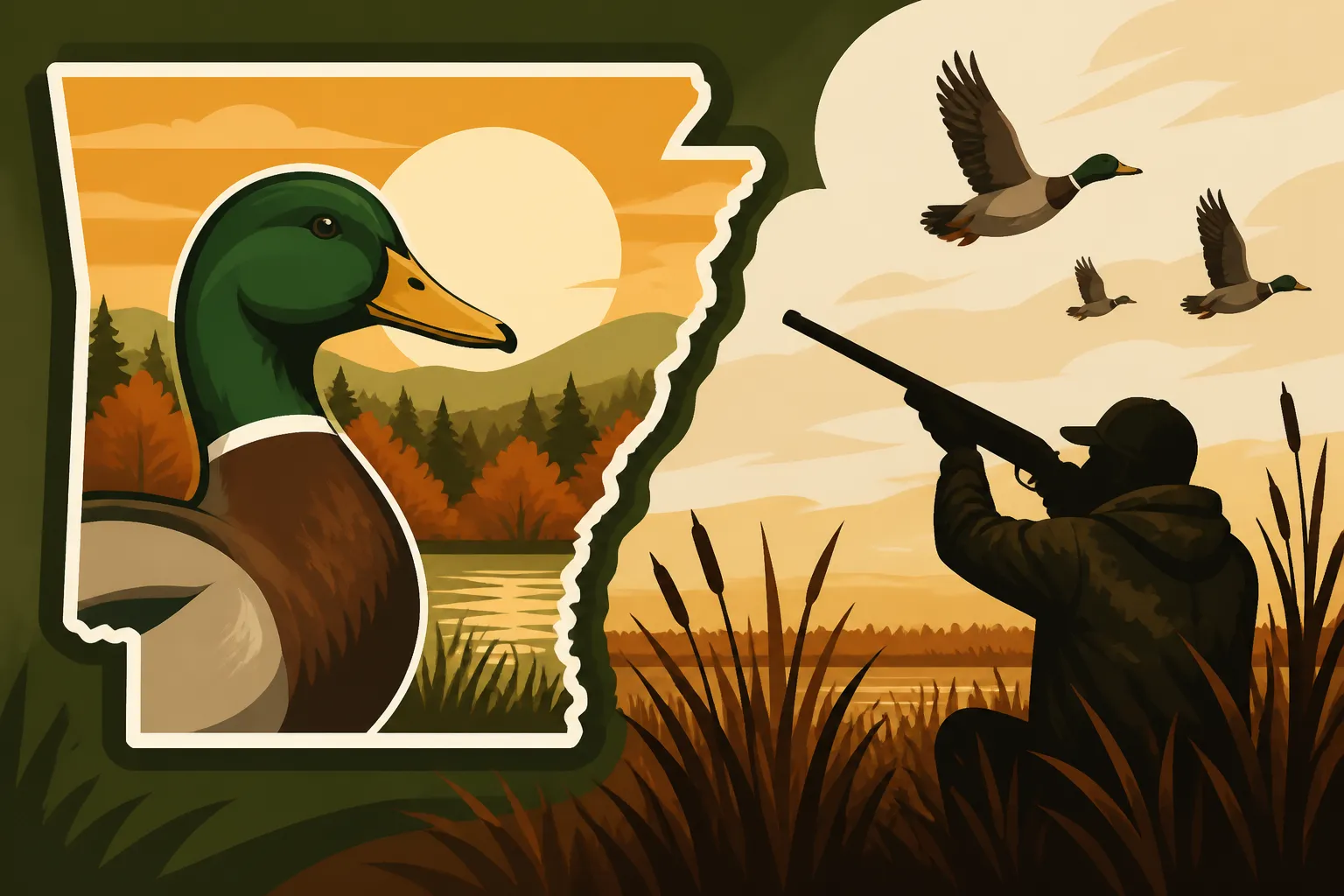
Arkansas WMA Duck Hunt Draws
Trying to secure a prime duck hunting spot on Arkansas's coveted Wildlife Management Areas (WMAs) can feel like winning the lottery, especially when you're up against thousands of other passionate hunters for limited opportunities. The frustration of missing out season after season, or just not understanding the complex draw system, is a common one. This comprehensive guide is here to demystify the Arkansas WMA duck hunt draws, walking you through the application process, offering tips for success, and preparing you for what to expect when chasing greenheads in these special, managed areas.
Understanding the Arkansas WMA Duck Draw System
The Arkansas Game and Fish Commission (AGFC) manages an incredible network of WMAs across the state, many of which offer world-class duck hunting opportunities. However, because these areas are so popular and the goal is to provide quality hunts while managing wildlife populations, access is often controlled through a lottery or draw system. This isn't just about fairness; it's a vital tool to distribute pressure, reduce overcrowding, and maintain the integrity of the habitat and the hunting experience. Imagine trying to hunt a small timber hole with 50 groups vying for the same spot—it would be chaos, and the ducks would be gone in a hurry.
Why Draws Are Necessary for Quality Hunts
Think about it from both a hunter's and a wildlife manager's perspective. For the hunter, a draw system, while sometimes frustrating, offers the potential for a truly memorable hunt in a less pressured environment. Instead of arriving in the dark only to find every desirable spot already taken, a successful draw means you have a designated area, or at least a limited pool of hunters, ensuring a more peaceful and potentially more productive experience. These WMAs are often developed specifically for waterfowl, with intricate water level management and habitat work that make them magnets for migrating birds. Without draws, these prime locations would be overwhelmed, leading to stressed ducks, diminished success rates, and a degraded environment.
From the AGFC's side, draws are crucial for sustainable management. They allow biologists to control hunter numbers, which directly impacts the birds' behavior and the long-term health of the WMA's ecosystem. Over-pressuring a specific area can cause ducks to abandon it entirely, rendering all the habitat work useless. The draws ensure that while some areas are rested, others receive just the right amount of pressure to keep ducks moving and responsive to calling, without burning them out completely. It's a delicate balance, and the draw system is the primary lever.
Types of WMA Draw Hunts
Not all WMA duck hunts are created equal, and the AGFC offers a few different draw formats, each with its own set of rules and nuances. It's really important to know which type of hunt you're applying for, as it dictates everything from your chances of success to what kind of hunting experience you'll have if you draw a tag. Generally, these fall into two main categories: permit-based hunts and designated-area hunts. Understanding these distinctions is key to successfully applying for an Arkansas WMA permit.
Permit-based draws typically grant you access to a specific WMA for a designated period, often a day or a few days, but don't always assign you a precise hunting spot. You're simply allowed into the WMA, and then it's first-come, first-served for general hunting spots within that area, or specific zones might be outlined. These are more common on larger WMAs. The other type, designated-area hunts, are perhaps the most coveted. Here, if you draw, you're assigned a specific blind, timber hole, or field plot for your hunt. This is where the competition gets really intense, as these spots are often scouted and known to be productive. Places like Bayou Meto WMA are famous for their specific hunt units, and drawing one of those is a golden ticket.
There are also some WMAs that have a combination approach, where certain zones are permit-only, and others are open to the public on a first-come, first-served basis without a draw, though these often see extremely high pressure. It's vital to check the specific regulations for each WMA you're interested in, as rules can vary from one to the next and even change season to season.
Navigating the Application Process
The application process for Arkansas WMA duck hunt draws can feel a bit like wading through thick timber in the dark—confusing and easy to get lost. But with a clear understanding of the steps and some attention to detail, you can navigate it successfully. The AGFC has made efforts to streamline things over the years, but it still requires careful planning and adherence to deadlines. Missing a key date or making a small error in your application can mean missing out on a chance at a fantastic hunt.
Key Dates and Deadlines
One of the biggest frustrations for hunters is simply keeping track of when to apply. These dates aren't always front and center, and if you blink, you might miss them. Generally, applications for WMA waterfowl draws open in late summer, often around August or September, and close a few weeks later. The exact dates can shift slightly each year, so it's absolutely crucial to check the official AGFC website as the summer draws to a close. Don't rely on last year's calendar! Setting reminders on your phone or marking a physical calendar well in advance is a smart move.
The AGFC website will publish the specific dates for when applications open, when they close, and when the draw results will be announced. Typically, results are posted a few weeks after the application period closes, giving you time to plan if you're one of the lucky ones. For example, if applications close in early September, you might expect results by late September or early October. These lead times are important for anyone planning an out-of-state trip or needing to coordinate with hunting partners. Trust me, the disappointment of realizing you missed the application window is a gut punch no hunter wants to experience.
Step-by-Step Application Guide
Applying for a WMA duck hunt draw is primarily an online process through the AGFC licensing system. Before you even start, make sure your hunting license and any required state or federal stamps (like the Arkansas Waterfowl Stamp or Federal Duck Stamp) are up to date for the upcoming season. You can't apply if your basic licenses aren't in order. Once you're squared away there, here's a general walkthrough:
- Access the AGFC Licensing System: Head to the official AGFC website and look for the "Buy Licenses & Permits" section. You'll need to log in to your existing account or create a new one if you're a first-time user.
- Locate the WMA Waterfowl Draws: Once logged in, navigate to the "Permits" or "Draws" section. You'll usually see a clear listing for "WMA Waterfowl Draw Applications" or something similar.
- Select Your WMA and Hunt Type: This is where you make your choices. You'll be presented with a list of WMAs offering draw hunts. Pay close attention to the specific hunt dates, zones, or blind numbers available. Some WMAs might offer multiple hunt periods, or split hunts. You'll typically rank your choices in order of preference.
- Form Your Group (if applicable): Many WMA duck draws allow you to apply as a group. If you plan to hunt with friends or family, one person will usually apply as the group leader, and then list the other members. Each group member must also have a valid hunting license. Be very careful to enter the correct AGFC customer ID for each member. An incorrect ID can invalidate your entire group's application.
- Review and Submit: Before hitting that final "submit" button, double-check everything. Are the dates correct? Are all group members listed accurately? Have you selected your preferred WMAs in the right order? A small oversight here could cost you a prized hunting opportunity. There's often a small non-refundable application fee per applicant, so be prepared for that.
It can be a bit nerve-wracking, especially if you're applying for a highly sought-after WMA. Taking your time and reviewing each step ensures you don't make a simple, preventable mistake.
Common Application Pitfalls to Avoid
Even seasoned hunters can sometimes trip up on the nuances of the WMA draw application. Knowing these common pitfalls can save you a lot of headache and heartache.
First, incorrect or expired licenses. This is a basic one, but it happens. Make sure you've purchased your annual hunting license and any necessary state or federal waterfowl stamps before attempting to apply for a WMA draw. The system will often flag this, but sometimes it allows you to proceed only to disqualify your application later.
Second, group member errors. If applying as a group, ensuring every member's AGFC customer ID is precisely correct is paramount. A single digit off, or an ID for someone who hasn't purchased their license, will often invalidate the entire group's application. Have all your buddies' IDs ready and double-check them. Also, remember that all members must have the proper licenses themselves.
Third, missing deadlines. We already touched on this, but it's worth reiterating. The AGFC does not offer grace periods for late applications. When the window closes, it closes. Plan ahead!
Fourth, misunderstanding preference points or bonus points. While the AGFC's duck draw system traditionally hasn't used a complex preference point system like some Western big game draws, it's good practice to understand if any such system is implemented for a particular WMA or season. If the AGFC were to introduce a preference point system, those who applied and weren't drawn in previous years might gain an advantage in future draws. Staying informed on the AGFC website about any changes in the draw structure is always wise. The GoHunt app, for example, is excellent for tracking complex draw systems in other states, and while Arkansas's duck draws are simpler, it highlights the importance of staying current on regulations.
Finally, not understanding the specific WMA rules. Each WMA might have slightly different regulations regarding party size, shooting hours, or allowed equipment. Some WMAs might restrict ATV use, while others might have specific entry routes through flooded timber. Even if you draw, not knowing these rules can lead to a ruined hunt or even a citation. Always read the individual WMA regulations carefully once you've secured a spot.
Understanding Draw Results and Next Steps
The weeks following the application deadline are filled with anticipation, checking your email or the AGFC website constantly. When those results finally drop, it's either a moment of exhilaration or a familiar pang of disappointment. But whether you draw a golden ticket or strike out, knowing what to do next is crucial for making the most of your duck season.
Checking Your Draw Status
Typically, the AGFC will notify applicants of their draw status via email. However, email can be finicky, and sometimes messages get lost in spam folders. The most reliable way to check your results is to log back into your AGFC licensing account on their official website. There will usually be a dedicated section where you can view your draw history and see the outcome of your WMA waterfowl applications.
Don't panic if you don't get an email exactly when others do; the website is the definitive source. If you applied as part of a group, the group leader is usually the one who receives the primary notification, but all members should be able to see their status when they log into their individual accounts. Be prepared for a mixed bag of emotions, as these draws are highly competitive, especially for top-tier WMAs like those with designated timber holes. Many hunters apply for years before they ever draw a prime hunt.
What to Do if You Draw a Permit
Congratulations, you've beaten the odds! Drawing a WMA permit is a fantastic opportunity, and now the real planning begins.
- Confirm Your Acceptance: Some draws require you to "accept" your permit within a certain timeframe to finalize it. Make sure you follow any instructions provided in your notification email or on the AGFC website to officially claim your spot. Failing to do so could result in your permit being forfeited and offered to an alternate.
- Study the WMA Rules: Immediately dive deep into the specific regulations for the WMA and hunt dates you drew. These rules cover everything from legal shooting hours, entry/exit times, allowed firearms, nontoxic shot requirements, party size limits, and any special instructions for navigating the area. For example, knowing if you need to wade in through specific entry routes through flooded timber, or if certain areas are off-limits, is critical.
- Scout (if possible and allowed): If time and regulations permit, consider scouting your assigned area or unit prior to your hunt date. This could mean using mapping tools like GoHunt to analyze aerial imagery for potential duck movement patterns, water depths, and access points. For some WMAs, physical scouting might be prohibited or impractical, so digital scouting becomes even more important. Understanding the terrain, potential blind locations, and even where a buck might be scraping along a logging road nearby can give you an edge.
- Coordinate with Your Group: If you drew as a group, get everyone on the same page regarding travel, equipment, responsibilities, and expectations. Discuss calling strategies, decoy spreads, and how you'll handle retrieving game. Having a solid plan before you arrive will make for a much smoother and more enjoyable hunt.
- Prepare Your Gear: Make sure all your gear is in top shape. Waders, decoys, calls, guns, ammo, and safety equipment like life vests (especially if you're using a boat) should be inspected. Remember that most WMAs require nontoxic shot for waterfowl hunting.
What to Do if You Don't Draw
It's okay, you're not alone! Many, many hunters don't draw a WMA permit in any given year. This is where resilience and a solid Plan B come into play.
- Don't Give Up: Just because you didn't draw a prime WMA spot doesn't mean your duck season is over. Arkansas still offers incredible public hunting opportunities, even if they require a bit more legwork.
- Explore Other Public Lands: Many other WMAs or portions of WMAs are open to public hunting without a draw, operating on a first-come, first-served basis. Areas like the Ozark National Forest and Ouachita National Forest also offer public land hunting for various species, though waterfowl specific opportunities might be limited to rivers and large creeks. Research other state-owned public lands or National Wildlife Refuges that might not have draw requirements but still hold good numbers of ducks. You might need to focus on finding unclaimed water on public ground that others walk past.
- Consider Private Land Alternatives: This might involve seeking permission from landowners in agricultural areas, or looking into hunting clubs or leases. While this requires different efforts and often financial investment, it can provide reliable access.
- Focus on the Regular Season: Remember that the vast majority of duck hunting in Arkansas happens during the regular season, outside of these specific WMA draws. Head out to the fields, public rivers, and other areas where you have access. Your dedication to scouting and adapting to conditions will still pay off.
- Improve Your Application for Next Year: Reflect on your application. Did you make any errors? Did you apply for only the most competitive hunts? Consider diversifying your choices next year or ensuring every detail is correct.
Even without a draw, the spirit of Arkansas hunting thrives on determination and a willingness to explore.
Strategies for Maximizing Your Chances (and Your Hunt)
Drawing a WMA duck hunt permit often feels like pure luck, and to a large extent, it is. The odds can be incredibly slim, especially for the most sought-after spots. However, there are some strategic approaches you can take, both during the application phase and if you're fortunate enough to draw, to slightly nudge the odds in your favor or at least make the most of the experience.
Applying as a Group vs. Individual
This is a common question, and the answer isn't always straightforward. Applying as a group can increase your overall chance of someone in your party drawing a permit, as each person in the group essentially adds another "chance" into the lottery. However, if any single person in your group doesn't meet the eligibility requirements (like missing a license), the entire group's application can be disqualified.
Applying as an individual means your odds are solely yours. If you draw, it's just you, or you might be allowed to bring a small, specified number of guests. This is often simpler but can reduce the cumulative "chances" your broader hunting party has.
Applying as a group typically means one person applies as the group leader and lists the others. If the group is drawn, everyone listed gets to participate. This can be great for ensuring friends and family can hunt together. However, it's critical to ensure everyone in the group has their licenses squared away and their AGFC customer IDs are correct. A single error from one member can sink the whole ship. Some hunters opt to have individuals from their group apply separately for different draws or different dates, hoping that at least one person in their circle gets a lucky break. It's a risk assessment based on how much you value hunting together versus maximizing any single individual's statistical chance.
Diversifying Your WMA Choices
Don't put all your eggs in one basket! While it's tempting to only apply for the most famous or historically productive WMAs, the competition for these spots is astronomically high. While it's certainly worth putting in for places like Bayou Meto WMA, consider diversifying your application choices to include some lesser-known or less popular WMAs. These might not have the same "trophy" reputation, but they can still offer excellent hunting and significantly better draw odds.
For instance, while everyone might be vying for timber holes in the Delta, a WMA in a different region that offers flooded fields or sloughs might have far fewer applicants. By including a mix of highly competitive and moderately competitive WMAs in your ranked choices (if the system allows for multiple preferences), you increase your overall probability of drawing something. It's about playing the long game and understanding that any WMA permit in Arkansas is a fantastic opportunity.
Tips for Increasing Draw Odds (Realistically)
Let's be realistic: there's no magic bullet to guarantee a draw. It is, after all, a lottery. However, some common-sense approaches can help ensure you don't disqualify yourself and potentially improve your overall chances over time.
- Apply Every Year: This is the most fundamental tip. You can't win if you don't play. Consistency is key, especially if AGFC ever moves towards a preference point system for waterfowl.
- Double-Check Everything: As mentioned, errors in licenses, customer IDs, or selected dates are common reasons for disqualification. Take an extra 10 minutes to review your application thoroughly before submitting it.
- Consider Off-Peak Dates: If a WMA offers multiple hunt periods, the opening weekend or prime migration dates (e.g., in December) are often the most popular and thus most competitive. Applying for a hunt slot in late season (January) or early season (like the September teal season, if offered through a draw) might offer slightly better odds due to fewer applicants. Remember that Hunting the Delta Rut in January can still be fantastic for ducks.
- Educate Yourself on All Available Draws: Don't just assume the most popular WMAs are the only ones with draws. The AGFC sometimes offers special youth hunts or specific types of hunts that might have lower applicant numbers. Stay informed by regularly checking the AGFC website for all available draw opportunities.
Table: Example WMA Duck Draw Schedule & Odds (Illustrative)
To give you a clearer picture, here's an illustrative table. Please note, actual dates and odds vary significantly year to year and by WMA, so always consult the official AGFC website for current information.
| WMA (Illustrative) | Draw Type | Typical Application Window (Illustrative) | Typical Draw Notification (Illustrative) | Estimated Odds (Illustrative, highly competitive) |
|---|---|---|---|---|
| Bayou Meto WMA (Blind Hunt) | Designated Blind Spot | Aug 15 – Sep 10 | Early Oct | 1 in 50 – 1 in 100+ |
| Dave Donaldson WMA (Unit Hunt) | Assigned Unit Access | Aug 20 – Sep 15 | Mid Oct | 1 in 30 – 1 in 70 |
| Rex Hancock WMA (Permit Hunt) | General Access Permit | Aug 25 – Sep 20 | Late Oct | 1 in 20 – 1 in 50 |
| Green Island WMA (Field Hunt) | Designated Field Plot | Sep 1 – Sep 25 | Early Nov | 1 in 15 – 1 in 30 |
This table is purely illustrative but demonstrates the typical timelines and the often slim odds for highly coveted WMA duck hunts. It emphasizes the importance of applying consistently and understanding the competitive nature of these draws.
Preparing for Your WMA Draw Hunt
If you're one of the lucky ones to draw a permit, the real work (and excitement!) begins. A WMA draw hunt is a special occasion, and being thoroughly prepared can make the difference between a memorable experience and a frustrating one. You've earned this spot, so make the most of it by knowing what to expect and what to bring.
Essential Gear and Equipment
Having the right gear is paramount, especially when you might be hunting in unfamiliar territory or under specific WMA rules. Don't leave anything to chance.
- Waders and Layered Clothing: Arkansas weather can be incredibly unpredictable during duck season. One day it's 60 degrees and sunny, the next it's freezing rain. Invest in good quality, insulated waders, even if you anticipate hunting from a dry blind. You never know when you might need to retrieve a bird from deeper water. Layering your clothing is key to adapting to changing temperatures and activity levels, particularly if you're slogging through mud or water to your spot.
- Nontoxic Shot: This is non-negotiable for waterfowl hunting on all WMAs and federal refuges. Make sure you have plenty of nontoxic shells (steel, bismuth, or tungsten) in the appropriate gauges for your shotgun. Check the WMA regulations for any specific shot size restrictions, though generally, typical duck loads are fine.
- Decoys and Calls: The number and type of decoys will depend on your assigned area. If it's a small timber hole, fewer, higher-quality decoys might be more effective than a massive spread. If you're in a larger field or open water unit, you might want more. Bring a variety of calls, including a reliable mallard call and perhaps a pintail or wigeon whistle, to adapt to the birds you're seeing. Remember that calling ducks in tight Arkansas timber differs from open water, so practice soft, realistic sounds.
- Navigation and Scouting Tools: A GPS device or a mapping app like GoHunt on your phone with downloaded offline maps is invaluable. The AGFC's interactive map tool can also be a lifesaver. This helps you navigate to your exact designated area, stay within WMA boundaries, and avoid trespassing or accidentally entering restricted zones. Knowing where to hang a camera in big timber might not apply to draw hunts, but understanding the terrain digitally is crucial.
- Safety Equipment: Always bring a first-aid kit, a working flashlight or headlamp (essential for early morning or late evening treks), and a fully charged cell phone. If you're using a boat, life vests are mandatory for everyone. Consider a small dry bag for your electronics.
- Hunting License and Permits: Don't forget your physical hunting license, federal and state duck stamps, and, most importantly, your WMA draw permit. Have these readily accessible for inspection by game wardens.
Specific WMA Rules and Considerations
Each WMA has its own unique set of quirks and rules. Understanding these specifics is vital for a successful and legal hunt.
- Entry and Exit Times: Many WMAs have strict entry and exit times, especially for draw hunts. You might not be allowed into your area until a certain time before legal shooting hours, and you must be out by a specific time after. Adhering to these is crucial.
- Vehicle and Boat Restrictions: Some WMAs restrict vehicle types, only allowing ATVs on specific trails or prohibiting them entirely. Boat access might be limited to certain ramps or horsepower restrictions. Always check before you tow your rig. For example, Bayou Meto WMA has specific boat and ATV rules.
- Blind/Stand Requirements: Some designated blind hunts mean you're using a permanent blind provided by the WMA, while others might require you to bring your own ground blind or ensure your natural cover is sufficient. Check if you're allowed to set up on a canopy opening or if you need to stay within existing cover.
- Water Levels and Access: Water levels can dramatically impact access and hunting success, especially in the Delta. What might be a walkable path one day could be chest-deep the next. Keep an eye on local forecasts and any AGFC alerts regarding flooding and WMA access in the Delta. You might need to check a water gauge before a hunt.
- Bag Limits and Regulations: While general statewide limits apply, double-check if your specific WMA has any additional or more restrictive bag limits for certain species. Also, remember to check your deer checking and tagging protocols even if you aren't deer hunting, as general regulations are good to be aware of.
- Ethical Hunting and Etiquette: Even with a draw, you might be sharing the WMA with other hunters or outdoor enthusiasts. Practice good ethics: clean up after yourself, respect boundaries, and keep your dog under control. Morning draw etiquette on a WMA is about showing respect to everyone and ensuring a fair start to the day.
Being well-versed in these details ensures not only a legal hunt but also a more enjoyable one, allowing you to focus on the flight and the call, rather than worrying about a violation.
Hunting in Designated Areas
Hunting in a designated area, whether it's a specific blind, timber hole, or field plot, comes with its own set of advantages and challenges. The good news is that pressure is limited, and the AGFC has often managed these areas to attract ducks. The challenge is often adapting to a fixed location.
- Scout from Afar: If allowed, use binoculars to observe duck patterns leading into and out of your area the day before, or at least from a distance on the morning of your hunt. How are they entering the hole? What's their preferred landing zone? This will inform your decoy spread and calling strategy.
- Decoy Placement: With limited space, especially in timber, think about realism. Don't just throw out a dozen decoys in a clump. Create natural-looking landing zones, a "hole" in your spread, where ducks feel comfortable dropping in. Use a jerk cord or spinning wing decoy (if allowed) for motion. Remember decoy numbers for timber holes are often less than open water.
- Calling Strategy: In a specific, often smaller hunting spot, calling can be more nuanced. Aggressive hailing might be too much. Focus on softer, more inviting feeding chuckles and quacks. Reading the birds' reactions is key. If they're cupped and coming, shut up! If they're circling, give them just enough to keep their interest.
- Concealment is Key: Ducks in these managed areas are often educated. Ensure your blind is brushed in effectively, and you and your dog are completely concealed. Minimizing movement is critical.
- Patience and Persistence: Even in prime spots, ducks aren't always flying. Be patient. Wait for the right opportunity, don't rush shots, and be prepared for periods of inactivity. Sometimes the best action happens when the sun gets higher or during a mid-day lull.
Hunting a WMA draw hunt is a privilege, offering a unique opportunity to experience some of Arkansas's finest waterfowl habitat. With careful preparation and a little luck, you're set for an unforgettable day in the field or timber.
Disclaimer
Please be aware that hunting regulations, season dates, and WMA rules can change frequently. Always consult the official Arkansas Game and Fish Commission (AGFC) website or current hunting guidebooks for the most up-to-date and accurate information before planning any hunting trip. This article is for informational purposes only and should not be considered a substitute for official regulations.