Hunting Arkansas Deer With a Muzzleloader
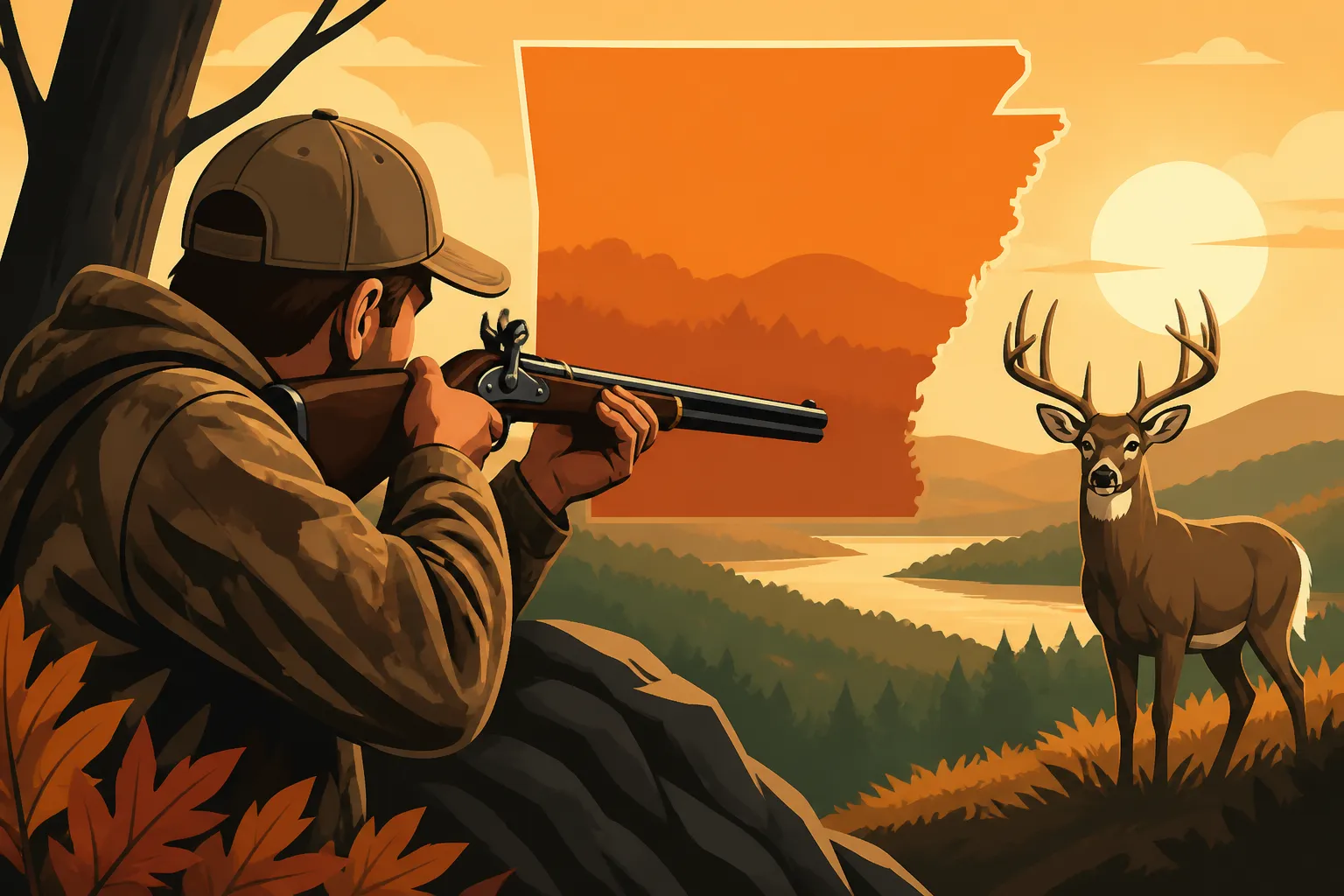
For many deer hunters in Arkansas, the thought of muzzleloader season might bring a slight pause. It’s a unique window, often nestled between the long archery season and the high-octane modern gun opener, and sometimes it feels like a specialized skill set is required. But trust me, once you understand the ins and outs, hunting Arkansas deer with a muzzleloader can be incredibly rewarding, offering a different pace and a distinct challenge that often translates into prime opportunities. This guide will help you navigate the specific rules, gear, and tactics to make your muzzleloader deer hunt successful and enjoyable here in the Natural State.
Understanding Arkansas Muzzleloader Seasons and Regulations
Diving into muzzleloader hunting in Arkansas means first getting a solid grip on the specific seasons and what the Arkansas Game and Fish Commission (AGFC) rules entail. It's not just about knowing when you can hunt, but how, and with what.
Key Dates and Zone Considerations
Arkansas generally offers dedicated muzzleloader seasons that fall at specific times of the year, usually a week or two before the major modern gun season kicks off, and sometimes another short window later in the season. These dates are crucial to note, as they often coincide with periods of increased deer activity, perhaps just before or during the initial phases of the rut in some zones. For example, you might find yourself in the woods during prime pre-rut cruising phases, an excellent time to intercept bucks on the move. Always consult the current AGFC regulations, as these dates can shift slightly year to year. Understanding the nuances of Arkansas Deer Seasons and Zone Limits is paramount, as different zones across the state can have varying season lengths and antler restrictions, which directly impact your muzzleloader strategy. What might be legal in the Delta might not apply in the Ozarks, so paying close attention to your specific hunting zone is non-negotiable. This unique timing often means fewer hunters in the woods compared to the modern gun opener, giving you a quieter, more intimate hunting experience.
Legal Muzzleloader Requirements
When it comes to legal muzzleloaders in Arkansas, the AGFC is quite clear. Generally, any muzzleloading rifle, pistol, or shotgun is permitted during the muzzleloader season, provided it's loaded with a single projectile. This means no buckshot in your muzzleloader during deer season! The regulations specify that scopes are legal, which is a huge advantage for many hunters, allowing for more precise shot placement. You're also typically allowed to use modern inline muzzleloaders that take 209 primers, which have become incredibly popular due to their reliability and ease of use compared to traditional flintlock or percussion cap models. The term What Counts as an Alternative Firearm often includes muzzleloaders, and it's important to differentiate these seasons from general modern gun seasons. For instance, in some zones, the muzzleloader season might have different antler point restrictions or bag limits than the archery or modern gun seasons. Make sure your chosen firearm and ammunition comply with these specific rules to avoid any unexpected violations.
Tagging and Reporting Rules
Just like with any deer harvest in Arkansas, successful muzzleloader hunters must follow strict tagging and reporting protocols. Immediately after harvesting a deer, you'll need to notch your paper tag or use the AGFC app to electronically tag the animal before moving it from the kill site. This step is critical and cannot be overlooked, even if you’re just dragging it a short distance. Within 24 hours of harvest, you must complete the deer check process, which can be done online through the AGFC website or app, or by phone. This process registers your harvest with the state, providing vital data for wildlife management. It’s not just a formality; it's a legal requirement that helps the AGFC monitor deer populations and make informed decisions about future hunting regulations. Keep in mind that different zones may have specific antlerless limits, so understanding your total bag limit by zone is crucial. Transporting your deer, especially out of a Chronic Wasting Disease (CWD) management zone, also has specific rules regarding carcass parts, so be sure to check those regulations beforehand.
Essential Muzzleloader Gear and Setup
The gear you choose for muzzleloader hunting can make a huge difference in your success and enjoyment. It’s a bit different than setting up for a modern rifle, requiring attention to unique details.
Choosing the Right Muzzleloader and Caliber
For most Arkansas deer hunters, the .50 caliber inline muzzleloader is the workhorse of choice. Brands like Thompson/Center, CVA, and Traditions offer reliable and accurate options that are perfect for deer hunting. The .50 caliber is widely accepted as a powerful and effective round for whitetails, delivering excellent knockdown power. While .45 caliber muzzleloaders are also popular and can be very accurate, the .50 caliber usually provides a bit more forgiveness in terms of bullet weight and frontal area, which can be reassuring in varied hunting situations. When selecting a muzzleloader, consider factors like barrel length, which can affect maneuverability in thick woods, and overall weight, especially if you plan on covering a lot of ground. I personally prefer a lighter, more compact model for Still-Hunting Arkansas Pine Country or navigating dense bottomland hardwoods. The action type – break-open, bolt, or drop-block – also influences cleaning and loading speed. Go with what feels most comfortable and intuitive for you to operate under pressure.
Projectiles, Powder, and Primers
This is where muzzleloaders get a little more specific than your average centerfire rifle. You'll be dealing with separate components: projectiles, propellants (powder), and primers. For projectiles, common choices include saboted bullets, which are essentially modern rifle bullets encased in a plastic sabot to fit the bore, and full-bore bullets (like conical or round balls). Saboted bullets, such as those from Hornady or Barnes, often offer superior accuracy and ballistics, making them a popular choice for deer. For powder, Pyrodex or Triple Seven are common black powder substitutes, available in granular or pellet form. Pellets, while convenient for quick loading, can be less forgiving if your rifle prefers a specific charge. Granular powder allows you to fine-tune your load for optimal accuracy. As for primers, 209 shotgun primers are standard for inline muzzleloaders, offering reliable ignition. Always start with the manufacturer's recommended powder charge and never exceed maximum loads. Consistency is key with muzzleloading, so using the same brand and type of powder and projectile every time you shoot and hunt is crucial.
| Muzzleloader Type | Pros | Cons | Ideal Use in Arkansas |
|---|---|---|---|
| Inline (209 Primer) | Easy to load, reliable ignition, good accuracy, uses modern bullets | Modern appearance, can be harder to clean if not designed well | Most common, versatile for all terrain |
| Percussion Cap (.50 Cal.) | Traditional feel, good accuracy, simple mechanics | Slower loading, less weatherproof ignition, exposed cap | Hunters seeking a more traditional experience |
| Flintlock (.50 Cal.) | Ultimate traditional experience, historical appeal | Slowest loading, finicky ignition in damp weather, short range | Pure traditionalists, very challenging hunts |
Sighting In and Practice Drills
Accuracy is paramount with any firearm, and even more so with a muzzleloader where shot opportunities might be fewer and distances potentially shorter. Start by carefully sighting in your chosen rifle at a range, aiming for a consistent group. Many hunters find that a 50-yard zero works well for muzzleloaders, allowing for minimal holdover out to 100-125 yards, which is a realistic maximum range for ethical shots on deer with these firearms. Practice shooting from various positions – standing, kneeling, and from a rest – to simulate real hunting scenarios. Don't just shoot once and assume you're good. Load and fire multiple times, noting any changes in accuracy as the barrel fouls. Pay close attention to your loading procedure, ensuring consistency with every shot. Remember, you might only get one shot at a deer during muzzleloader season, so make it count. Practice quick, efficient reloading drills too, even though a follow-up shot is less common with a muzzleloader, knowing you can reload quickly can boost your confidence.
Muzzleloader Hunting Tactics for Arkansas Deer
Now that you've got your gear dialed in, let's talk about putting it to use in the Arkansas woods. Muzzleloader hunting demands a slightly different approach than modern gun hunting, focusing on getting closer and making that first shot count.
Scouting for Success During the Muzzleloader Season
Effective scouting is the backbone of any successful deer hunt, and it's especially important for muzzleloader season. Since your effective range is generally shorter than with a high-powered rifle, you need to know exactly where deer are moving and feeding. Focus on identifying pinch points, dense cover where deer bed, and key food sources. In early muzzleloader seasons, natural food sources like acorns (especially white oaks) are king in the Ozarks and Ouachitas. For those hunting in the Delta, scout for agricultural fields, transition lines, and isolated cover. The GoHunt app can be an invaluable tool here, allowing you to mark specific deer sign, map out travel corridors, and even check property lines on public or private land. Pay attention to fresh tracks, rubs, and scrapes, as these indicate recent deer activity. I often find that when Hunting Ozark Ridges and Hollows for Deer, bucks will use saddles and benches as travel routes, especially when feeling pressure. The pre-season scouting you do will dictate your stand placement and still-hunting routes.
Still-Hunting and Stand Hunting Strategies
Both still-hunting and stand hunting can be highly effective with a muzzleloader, but each requires specific considerations. When stand hunting, whether from a treestand or a ground blind, your primary goal is to be invisible and silent. Place your stand overlooking trails leading to and from food sources, or along natural funnels. Since your range is limited, focus on areas that naturally bring deer within 50-75 yards. Consider factors like wind direction and thermals, especially in hilly terrain like the Ouachita National Forest. If you're hunting during an early muzzleloader season, deer might still be in summer patterns, meaning early mornings and late evenings are prime times. For still-hunting, the slower pace of a muzzleloader often naturally encourages more deliberate, quiet movement. This method is particularly effective in areas with varied terrain or thick cover, such as Hunting Arkansas Cutovers and Clearcuts, where you can ease through the woods, stopping frequently to glass and listen. The GoHunt app's mapping features can help you navigate quietly through dense areas, allowing you to identify potential bedding areas or natural crossings without getting lost or making unnecessary noise. Take one or two steps, then pause for several minutes, scanning thoroughly before moving again.
Adapting to Weather and Terrain
Arkansas weather during muzzleloader season can be unpredictable, ranging from warm, early fall days to crisp, colder fronts. This directly impacts deer behavior and your hunting strategy. On warmer days, deer activity might be concentrated during the cooler parts of the day – dawn and dusk – with midday resting periods in dense cover. Focus your efforts on these prime times and areas with good shade and water sources. A sudden cold snap, however, can kick deer activity into high gear, especially if it coincides with the pre-rut. They'll be on their feet longer, seeking out food to build reserves. Rain can also be your friend, as it quiets the woods, masking your movements while still-hunting. Just be sure your muzzleloader's ignition system is protected from moisture. Different terrains demand different tactics too. In the flat, dense bottomlands of eastern Arkansas, finding higher ground or pinch points between sloughs is key. In the steep, rugged Ozarks, understanding how wind and thermals carry your scent up and down hollows is critical. The GoHunt app can overlay topographic maps, helping you visualize these terrain features and plan your approach effectively.
Field Care and Beyond
The shot is made, and now the real work begins. Recovering your deer and properly caring for the meat is just as vital as the hunt itself, especially with the unique challenges a muzzleloader can present.
Tracking and Recovery Challenges
Muzzleloader projectiles, while effective, might not always create the same kind of exit wound or blood trail that a high-velocity modern rifle round does. This means you need to be particularly diligent when Tracking a Deer in Ozark Rock or through thick Delta swamps. After the shot, give the deer ample time to expire before taking up the trail – at least 30 minutes for a good hit, and several hours for a questionable one. Mark the exact spot of the shot and the deer's last known location. Look for blood, broken branches, disturbed leaves, and tracks. If the blood trail is sparse, use your general knowledge of deer behavior: they often run downhill, to water, or to thick cover when wounded. Grid searching with a partner can be very effective if the trail disappears. Remember, the goal is a quick, ethical recovery. If you're on public land, be aware of other hunters and be courteous if you cross paths.
Cleaning Your Muzzleloader in the Field
One of the unique aspects of muzzleloader ownership is the immediate need for cleaning after firing. Black powder and its substitutes are corrosive and will quickly rust your barrel if not cleaned promptly. While a full breakdown cleaning should be done at home, a quick field clean is crucial to prevent damage. Many hunters carry a small bottle of Windex (or a specialized muzzleloader solvent) and a few patches. Remove the breech plug, run a few wet patches down the barrel from the muzzle end, followed by dry patches until they come out clean. Pay attention to the breech plug itself, cleaning out any powder residue. This quick wipe-down will prevent major corrosion until you can get back to camp or home for a thorough cleaning. It's a small but vital step that will ensure your muzzleloader remains accurate and functional for years to come.
Processing Your Arkansas Harvest
Once your deer is recovered, the next step is field dressing and getting the meat cooled, especially if you're hunting during warmer muzzleloader seasons. Prompt field dressing is essential to allow the carcass to cool down quickly, preventing meat spoilage. In Arkansas, temperatures can still be quite warm during early muzzleloader season, making Field Dressing in Arkansas Heat a critical skill. Hang the deer, if possible, to aid in drainage and air circulation. If you're far from your vehicle, quartering the deer in the field might be necessary to lighten the load, especially if you're pulling it out of a deep hollow or across rough terrain. Once home or at camp, get the meat on ice or into a cooler immediately. Many local processors in Arkansas are well-equipped to handle deer, often offering services to cut, wrap, and freeze your venison. This takes the guesswork out of processing and ensures you get quality cuts. Enjoying the harvest is the final, satisfying chapter of your muzzleloader hunting adventure.
Disclaimer
Hunting carries inherent risks, and it is the responsibility of each individual hunter to know and obey all applicable laws and regulations. The information provided in this guide is for informational purposes only and should not be considered legal advice. Always consult the most current Arkansas Game and Fish Commission regulations before heading afield.