Deer Hunting With Dogs in Arkansas
The baying of hounds pushing deer through thickets is a sound deeply embedded in Arkansas's hunting heritage, a tradition passed down through generations. Yet, for many, the world of deer hunting with dogs can feel shrouded in mystery, controversy, or simply misunderstood. Whether you're a seasoned hound hunter or someone curious about this unique method, navigating the nuances—from strict regulations to complex dog training and public perception—can be a real challenge. This comprehensive guide aims to unravel the intricacies of deer hunting with dogs in the Natural State, providing clarity on the rules, effective strategies, and the vital role of responsible stewardship.
The Enduring Tradition and Modern Realities of Dog Hunting
Deer hunting with dogs isn't just a method; it's a way of life for many families across Arkansas and the broader Southern United States. This deeply rooted practice has shaped generations of hunters, creating a vibrant subculture within the larger hunting community. However, like any tradition, it faces modern pressures and evolving perceptions.
A Rich History in the South and Arkansas
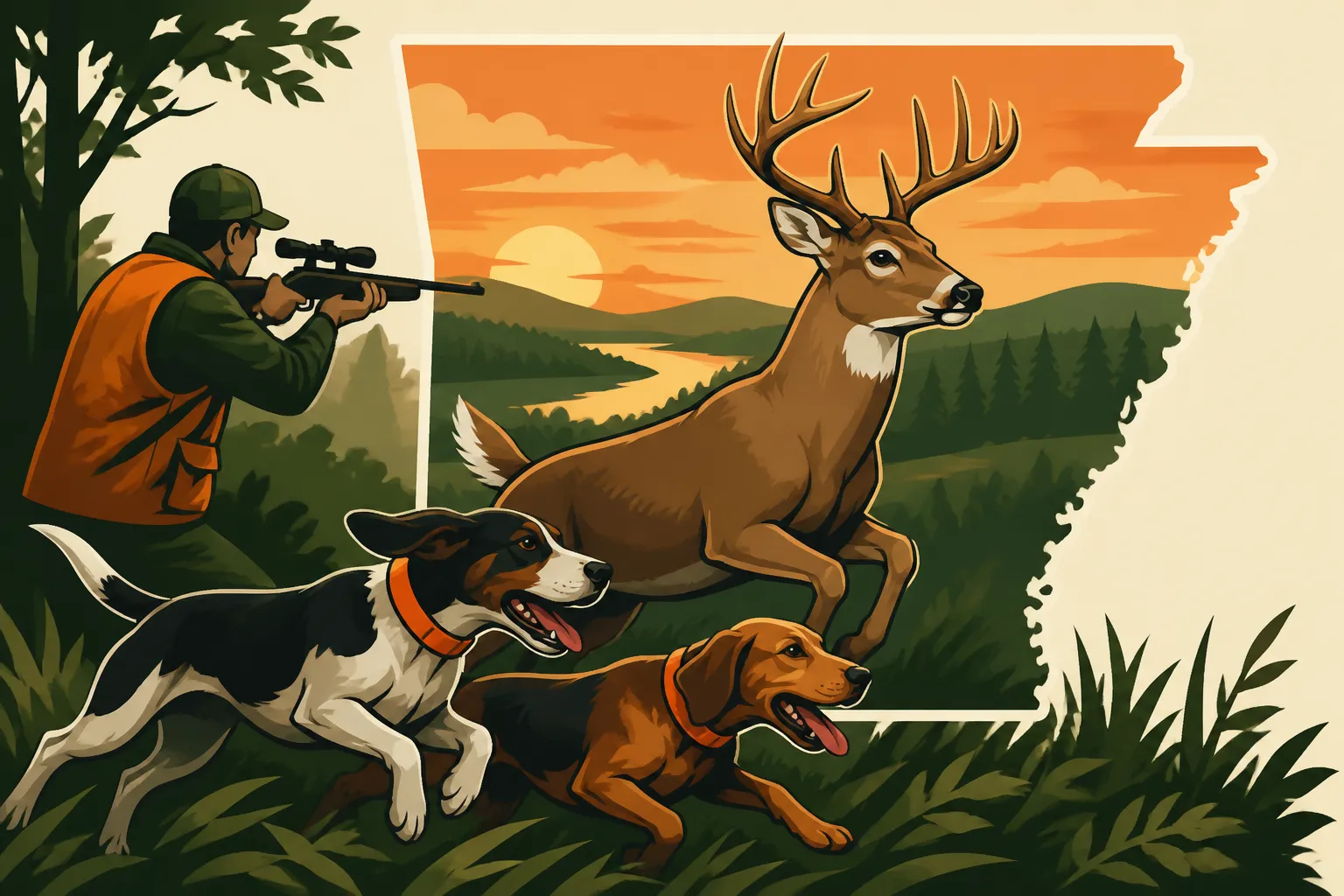
Historically, long before modern wildlife management and regulated seasons, dogs were indispensable tools for subsistence hunters. In the vast, often impenetrable bottomlands and dense forests that characterized much of Arkansas, particularly in the Delta region, sending hounds into thick cover was often the most effective, if not the only, way to locate and push deer. These were not simply pets; they were working animals, vital partners in putting meat on the table. The sound of a distant hound, its bay echoing through the timber, was a signal of an approaching deer, a cue for anticipation and strategy among the hunters.
This method became ingrained in the social fabric, particularly in communities where large tracts of land, often shared among families or neighbors, lent themselves to group efforts. Deer drives, orchestrated with a team of "drivers" and "standers," became community events, teaching younger generations not just hunting skills but also the values of teamwork, patience, and respect for the game and the land. It's a heritage tied to the land itself, to the cypress swamps, flooded timber, and dense pine plantations that define so much of Arkansas's rich ecosystems.
Over time, as deer populations fluctuated and hunting regulations became more sophisticated, dog hunting adapted. But its core appeal, the primal thrill of the chase and the cooperative effort, remained strong. For many, it's not just about the harvest; it's about the dogs, the camaraderie, and the continuation of a cherished family legacy.
Navigating Public Perception and Misconceptions
Despite its deep roots, deer hunting with dogs often faces significant scrutiny and negative stereotypes today. Many still-hunters, who prefer solitary sits in a treestand or still-hunting through the woods, view dog hunting as less ethical, disruptive, or even "lazy." Common complaints include dogs running rampant across private property, chasing non-target animals, or simply disturbing the peace of other hunters or landowners. These perceptions, whether founded or unfounded, present a significant challenge for the tradition's future.
It's a frustration that many dog hunters understand all too well. They dedicate countless hours and significant resources to training their hounds, scouting, and meticulously planning their drives. The image of a "slob hunter" merely turning dogs loose and waiting for a deer to appear couldn't be further from the reality for most responsible dog hunters. The truth is, it requires immense skill to read dog work, understand deer movement, and coordinate a safe, effective drive. It's an active, physically demanding method that often involves long hours in the field, tracking dogs, and retrieving them, sometimes miles from where they were released.
Counteracting these misconceptions is paramount for the longevity of deer dog hunting in Arkansas. Responsible hunters understand the importance of being good neighbors, respecting property lines, ensuring their dogs are well-trained and controlled, and educating others about their methods. By demonstrating a strong commitment to ethics, safety, and conservation, dog hunters can help bridge the gap between tradition and modern expectations, ensuring this unique aspect of Arkansas hunting continues to thrive.
Understanding Arkansas's Regulations for Deer Dogs
One of the most crucial aspects of deer hunting with dogs in Arkansas is understanding the specific regulations. These rules are not uniform across the state and are subject to change by the Arkansas Game and Fish Commission (AGFC). Misunderstanding or ignoring them can lead to serious legal consequences and further fuel negative perceptions of dog hunting.
Licensing, Permits, and Zone-Specific Rules
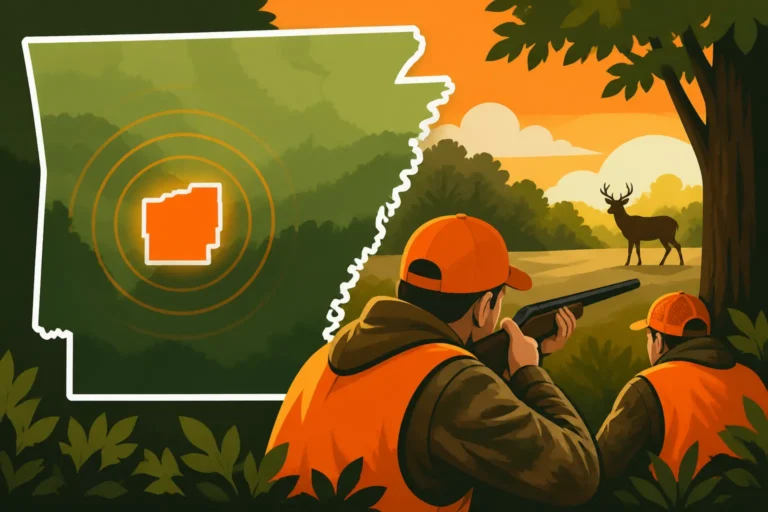
Let's get one thing straight right away: deer hunting with dogs is not legal statewide in Arkansas. The AGFC has very specific zones where this method is permitted, and these zones primarily exist in the southern and eastern parts of the state, particularly in the Delta and Gulf Coastal Plain regions. It's absolutely vital to consult the current AGFC Hunting Guide each year, as zone boundaries and specific rules can be adjusted. This is not a "set it and forget it" kind of situation; regulations evolve. For a broader overview of state regulations, checking out Arkansas Deer Seasons and Zone Limits is a smart first step, but always drill down to the specifics for dog hunting.
Beyond your standard hunting license, which you can learn more about in Arkansas Hunting Licenses and What They Cost, there are often additional permits required specifically for hunting deer with dogs. For instance, non-residents often have more restrictive rules or may need special permits to participate in dog deer hunting. Always verify if an Arkansas Dog Hunting Permits is necessary for your situation. These regulations are designed to manage the deer population effectively and mitigate potential conflicts with other hunters or landowners. It’s not just about knowing the big picture; you need to understand the micro-details of the zone you intend to hunt, including which specific days of the modern gun season, if any, allow for the use of dogs.
The concept of Arkansas Deer Zones Explained is paramount here. Zone 16, for example, is traditionally known for allowing dog hunting, but even within these zones, there can be specific nuances or exceptions, particularly on public lands. Never assume that because one part of a zone allows it, the entire zone does, or that the rules from last year are still in effect. Always double-check with the latest AGFC regulations or their online map tools before heading afield.
Rules for Hounds and Hunter Responsibility
Arkansas's regulations extend beyond just where and when you can hunt with dogs; they also dictate specifics about the hounds themselves and the responsibilities of the hunters. For starters, all dogs used for deer hunting must be clearly marked with the owner's name and contact information. This is usually accomplished through durable collars that can withstand the rigors of the chase. Modern technology has also brought about GPS tracking collars, which, while not always legally mandated, are highly recommended for responsible dog hunting to keep tabs on your valuable canine partners.
Hunter presence is another key component. Generally, hunters must be actively participating in the drive, meaning you can't just release dogs and then go relax in your truck miles away. The intent is that dog hunting is a coordinated, active effort. There are also strict rules against road hunting or shooting from a vehicle, which are often mistakenly associated with dog hunting by those unfamiliar with the practice. All hunters must adhere to the same firearm safety rules as any other method, including safe shooting lanes and positive identification of the target.
Perhaps the most contentious area of dog hunting rules revolves around dog recovery, especially when a dog crosses onto private land where hunting isn't allowed. Arkansas law generally protects a hunter's right to retrieve their dog, even if it goes onto private property, provided no hunting occurs on that property and the hunter does not carry a firearm during the retrieval. However, this is a frequent source of friction with landowners, who might be understandably upset by dogs on their property. This is where responsible hunters use every tool at their disposal, like detailed property line maps from services like GoHunt, to minimize incursions and be prepared to courteously address any issues that arise. Understanding Arkansas Dog Deer Hunting Rules thoroughly can help avoid legal trouble and maintain good relations with neighbors, which is essential for the future of the sport.
Selecting and Training Your Hunting Hounds
The success of deer hunting with dogs hinges almost entirely on the quality and training of your hounds. These aren't just pets; they're finely tuned athletes and partners, requiring significant investment in time, patience, and resources. Choosing the right dog and committing to a rigorous training regimen are foundational to ethical and effective dog hunting.
Choosing the Right Breed and Temperament
When you talk to experienced Arkansas dog hunters, certain breeds invariably come up in conversation. The Walker Hound is arguably the most popular, known for its incredible speed, endurance, and distinctive "chop" voice on a hot trail. They're intelligent, competitive, and often eager to please, making them highly trainable for deer. However, their drive and speed mean they can range widely, requiring good tracking technology.
Other popular choices include Redbone Hounds and Black and Tan Coonhounds, both known for their strong noses, stamina, and often a more measured, methodical trailing style. Plotts are also seen, prized for their courage and tenacity in rough terrain. For hunting smaller deer in really thick, brushy areas, some hunters opt for Beagles, which are smaller, slower, but possess incredible scenting abilities and can work heavy cover meticulously. The breed choice often comes down to personal preference, the type of terrain you hunt, and the specific characteristics you value in a trailing dog.
Beyond breed, individual temperament is paramount. A good deer dog needs an innate desire to run deer, a strong "prey drive" combined with a trainable mind. You want a dog that's focused, has a good nose, and possesses the stamina to run for hours. However, they also need to be manageable and responsive to commands, especially recall. Starting with puppies from proven bloodlines is always a good idea, as genetics play a huge role in developing a natural hunter. When evaluating a pup, look for curiosity, boldness, and a keen interest in scents.
Consider the environment you'll be hunting in. If you're often in vast, open timber or pine plantations, a faster, wider-ranging dog like a Walker might be ideal. For dense, tangled bottomland or specific thickets, a dog that works a bit closer, or has a "tighter" run, might be more effective. Ultimately, the best dog is one that matches your hunting style and the local terrain.
From Basic Obedience to Trailing Mastery
Training a deer dog is a multi-year commitment, beginning with the absolute basics. Just like any other dog, your future hound needs a strong foundation in obedience: reliable recall, sitting on command, staying put, and walking politely on a leash. These aren't just parlor tricks; they are critical safety measures. A dog that won't come when called is not only a danger to itself but also a liability in the field, potentially running onto roads, private property, or into dangerous situations. Mastering basic obedience first lays the groundwork for more specialized hunting commands.
Once basic obedience is solid, you move into scent training. This typically starts with controlled environments, perhaps dragging deer hide or using deer urine on a training dummy, encouraging the dog to follow the scent trail. The goal here is to get the dog to understand what scent it should focus on. A critical part of deer dog training is teaching the dog to "run clean," meaning it should only pursue deer, ignoring other game like rabbits, squirrels, or even hogs. This takes immense patience and consistent reinforcement, often involving correcting the dog when it shows interest in non-target scents and rewarding it enthusiastically when it stays on a deer track.
The progression of training is gradual: starting with short, controlled "check-out" runs on a leash, moving to longer leads, and eventually allowing the dog to range freely in increasingly challenging terrain. Experienced handlers will often run younger dogs with older, seasoned veterans, letting the pups learn by example. Field experience is invaluable; nothing teaches a dog like real-world scenarios. It's during these field sessions that you learn to read your dog's "voice" – how their bark or bay changes depending on if they're on a hot track, scenting a fresh rub, or have a deer jumped. This is where truly mastering Running Deer Dogs in Arkansas takes shape, transforming raw instinct into refined hunting skill through countless hours of dedicated work. Consistent practice, positive reinforcement, and a deep understanding of your dog's individual learning style are the keys to developing a top-tier deer hound.
Effective Tactics and Strategies for Dog Drives
Successful deer hunting with dogs is far from a haphazard affair; it's a meticulously planned and executed operation that relies on keen observation, precise coordination, and an intimate knowledge of the land. It’s an active form of hunting that often involves a team, making communication and strategy paramount.
Planning the Drive and Hunter Placement
The absolute first step to any successful dog drive is thorough scouting. You can't just release dogs into a random patch of woods and expect results. You need to identify key areas where deer are likely bedding, feeding, or traveling. This includes thickets, dense clearcuts, creek bottoms, and pine plantations where deer feel secure. Mapping tools have revolutionized this aspect of hunting. Utilizing satellite imagery and property line overlays from platforms like GoHunt can help you pinpoint these areas, understand terrain features, and crucially, see where property lines are to avoid unintentional trespass. You'll want to focus on natural funnels, pinch points, and escape routes where deer are likely to pass when pushed.
Once key areas are identified, the next critical step is hunter placement. This involves setting up "standers" – the hunters positioned at strategic points where deer are expected to break cover or cross. These might be along old logging roads, power line cuts, creek crossings, or open timber edges. The goal is to place standers in locations that offer clear, safe shooting lanes without endangering other participants or dogs. Simultaneously, "drivers" (often the dog handlers) will plan their route to push deer from the bedding areas towards the standers. The number of people involved dictates the scale of the drive; smaller groups might focus on pushing a single thicket, while larger groups can cover vast tracts of land. This is particularly relevant when you're working the dynamic landscapes of Deer Drives in Arkansas Bottomland.
Communication among the entire hunting party is non-negotiable. Radios are a modern hunter's best friend for dog drives, allowing standers and drivers to relay information about deer movement, dog locations, and, most importantly, everyone's position for safety. Establishing clear hand signals or predetermined radio codes can enhance efficiency. Before the drive even begins, a thorough safety briefing is essential, outlining shot zones, no-go areas, and emergency procedures. Everyone must know where everyone else is at all times to prevent accidents.
Managing Dogs During the Drive and Recovery
The art of managing dogs during a drive begins with their strategic release. You don't just open the dog box and hope for the best. Drivers will often release dogs in areas with fresh sign, allowing the hounds to quickly pick up a scent and begin working. The number of dogs released depends on the size of the cover, the terrain, and the specific goals of the drive. Some prefer a single, disciplined "strike dog" to start, while others might release a small pack. The key is to introduce them to the scent in a way that maximizes their chances of getting on a hot trail.
Once the dogs are off, monitoring the chase becomes the hunters' main task. This is where technology like GPS tracking collars truly shines. Devices such as Garmin Alpha or similar GoHunt-compatible systems allow handlers to see their dogs' locations in real-time on a handheld device or smartphone. This is invaluable for understanding the direction of the chase, assessing its intensity (is it a hot deer or a cold track?), and making strategic adjustments to stander positions if needed. Listening to the dogs' "music" – the distinct changes in their bay as they work a trail or jump a deer – provides critical auditory cues that complement the GPS data.
Ethical recovery is the final, crucial phase. If a deer is shot, getting the dogs on the blood trail quickly is vital for a swift and humane recovery. Even if the shot deer isn't immediately visible, a well-trained dog can often follow the trail through dense cover where a human might struggle. If a deer is wounded and escapes the immediate area, a dedicated blood trailing dog or knowledge of techniques like Blood Trailing After Dark in Arkansas can be invaluable. It's also critical to call dogs off the chase once a deer is harvested or if they've pushed a deer out of the hunting area. This requires dogs to be well-trained on recall commands, sometimes even using e-collars for long-distance communication, ensuring they don't harass deer unnecessarily or run onto neighboring properties without permission.
Public vs. Private Land: Navigating Access and Etiquette
Hunting deer with dogs in Arkansas presents distinct challenges and opportunities depending on whether you're on public or private land. The rules, expectations, and social dynamics are vastly different, making it essential to understand how to navigate each landscape responsibly.
Hunting on Arkansas Wildlife Management Areas (WMAs)
Hunting on Arkansas Wildlife Management Areas (WMAs) with dogs requires meticulous research and a deep understanding of specific regulations. It cannot be stressed enough: not all WMAs allow deer hunting with dogs. In fact, many explicitly prohibit it or restrict it to specific areas or seasons. Before you even consider heading out, you must check the individual WMA regulations for the specific area you intend to hunt. The general Arkansas WMA Rules and Permits are a good starting point, but you need to drill down to the fine print for dog hunting.
Even on WMAs where dog hunting is permitted, you'll encounter unique challenges. Public lands often experience higher hunting pressure from various user groups, including still-hunters, small game hunters, and hikers. Your dogs must be exceptionally disciplined to avoid conflicts. They need to stay within the designated hunting area, and ideally, be trained to ignore other human scent or other types of game. Losing a dog on a WMA due to it crossing into a non-hunting zone or simply getting disoriented can be a significant and distressing problem.
Some WMAs might have historical allowances for dog hunting in certain sections, often due to their geographical location within traditional dog hunting zones. However, even these can change with management objectives. For instance, areas within the Delta that have vast bottomland hardwood tracts might be more conducive to dog hunting and have specific allowance windows during the season. Always use the AGFC's online map tools and their annual hunting regulations booklet to verify permissions and any specific access points or vehicle restrictions. Understanding these localized rules is crucial for a lawful and respectful hunt on public lands.
Securing Private Land Permission and Good Neighbor Relations
For many successful deer dog hunters in Arkansas, private land is the preferred and often only viable option. Securing exclusive permission can reduce conflicts with other hunters and offer a more controlled environment for running dogs. However, gaining and maintaining private land access requires consistent effort and a strong commitment to good neighbor relations. The process of Getting Private Land Permission in Arkansas often starts with polite inquiry, respect, and offering a fair exchange.
Building these relationships is a long-term investment. Landowners, whether farmers or timber companies, often have concerns about dogs. These can range from disturbing livestock, crossing into neighboring properties, or simply the presence of hunters on their land. Proactively addressing these concerns is key. Offer to share game, help with property maintenance, or simply be a reliable, respectful presence. Always communicate your hunting plans, including when you'll be there and roughly where your dogs will be running. Providing your contact information to the landowner and any adjacent property owners can go a long way in fostering trust.
The issue of trespass, especially with dogs, is a constant worry for both dog hunters and landowners. Even the best-trained dogs can get off track, crossing property lines inadvertently. This is where tools like GoHunt become indispensable, offering detailed property line maps that allow hunters to identify boundaries and anticipate potential crossing points. If your dogs do cross onto neighboring private land, you must be prepared to retrieve them legally and courteously. While Arkansas law allows retrieval without a firearm, a polite conversation with the landowner, explaining the situation and offering an apology, can prevent a minor incident from escalating into a serious dispute. Continually showing respect for landowners, their property, and their wishes is the single most important factor in sustaining this hunting method on private ground.
Safety, Ethics, and the Future of Dog Hunting
Like all forms of hunting, deer hunting with dogs carries significant responsibilities when it comes to safety and ethics. These considerations are amplified due to the dynamic nature of dog drives, the presence of multiple participants, and the public perception surrounding the method. Ensuring safe practices and upholding ethical standards are vital for the continued acceptance and longevity of dog hunting in Arkansas.
Prioritizing Hunter and Dog Safety
Safety must always be the number one priority in any hunting scenario, but especially during a deer drive. By Arkansas law, all hunters on a modern gun deer hunt (which is when dog hunting for deer is typically allowed) must wear hunter orange. This isn't just a suggestion; it's a critical safety measure. Every participant, whether standing or driving, needs to wear enough hunter orange to be visible from all angles. The dynamic and often chaotic nature of a deer drive means that deer can appear suddenly from unexpected directions, making clear visibility of all human participants paramount.
Firearm safety is equally crucial. Every hunter must meticulously know their shooting lanes, have a clear backstop, and always be aware of where other hunters, dogs, and property lines are. Never take a shot unless you are 100% certain of your target and what lies beyond it. In a fast-paced drive, the temptation to rush a shot can be high, but patience and discipline are essential. Pre-hunt briefings should explicitly define safe shooting zones and potential hazards.
Dog safety is another significant concern. Your dogs are valuable partners, and their well-being is your responsibility. Brightly colored collars, often with reflective tape, help make dogs visible. GPS collars, mentioned earlier, are not just for tracking deer; they're vital for locating a lost or injured dog. Dogs can encounter numerous dangers in the woods: venomous snakes, feral hogs, rough terrain, barbed wire fences, and unfortunately, roads. Having a basic dog first-aid kit, ensuring dogs are hydrated, and taking breaks during long runs are all critical. Furthermore, proper training can help dogs avoid some dangers, such as teaching them to ignore hogs if those are prevalent in your area.
Advocating for the Tradition Through Responsible Practice
The future of deer hunting with dogs in Arkansas rests heavily on the shoulders of current practitioners. With ongoing debates and varying opinions on its place in modern wildlife management, dog hunters must strive to be exemplary ambassadors for their sport. This means consistently upholding the highest ethical standards and going above and beyond legal requirements to ensure their practices are responsible and sustainable.
Community engagement plays a pivotal role. Many negative perceptions stem from a lack of understanding. Dog hunters can actively dispel myths by engaging with non-hunters, other hunters who prefer different methods, and landowners. Explaining the effort, training, and coordination involved in a drive can help bridge gaps. Highlighting the traditions, the camaraderie, and the selective nature of many dog hunts (e.g., passing on small bucks) can foster greater appreciation. Participating in local wildlife conservation groups or landowner associations can also provide platforms for education and collaboration.
Staying informed about changing regulations is non-negotiable. Wildlife agencies like the AGFC constantly evaluate hunting methods and their impact. Dog hunters should actively participate in public comment periods, attend local AGFC meetings, and stay updated on any proposed changes to Arkansas Dog Deer Hunting Rules. By engaging constructively, dog hunters can ensure their voices are heard and demonstrate their commitment to sound wildlife management. Ultimately, the best way to advocate for the tradition is through consistent, visible, and unwavering responsible practice—showing, not just telling, that deer hunting with dogs is a legitimate, ethical, and valuable part of Arkansas's hunting landscape.
Challenges and Innovations in Modern Dog Hunting
Deer hunting with dogs, while deeply traditional, is not immune to the challenges and advancements of the modern era. Hunters face evolving landscapes, changing social attitudes, and opportunities for innovation that can either enhance or complicate the practice. Understanding these dynamics is crucial for its continued vitality in Arkansas.
Overcoming Common Hurdles
One of the most significant challenges for deer dog hunters today is access to land. With increasing land fragmentation, urbanization, and more private land being "posted" or leased by still-hunting clubs, finding suitable, large tracts of land that permit dog hunting is becoming increasingly difficult. This forces many hunters to seek out new areas or negotiate complex access agreements with multiple landowners, which can be a time-consuming and sometimes frustrating endeavor. The shrinking availability of large, contiguous tracts of dog-huntable land necessitates adaptability and creativity in securing permissions.
Another common hurdle lies in dog training and behavior. Not every hound is naturally a "deer dog." Many will initially chase "trash" deer (smaller, illegal deer) or other animals like rabbits, squirrels, or even feral hogs. Training a dog to run only legal deer and to stay on track, ignoring distracting scents, requires immense patience and consistent reinforcement. It's a continuous process that can take years, and even then, some dogs may never completely break certain habits. The effort required to ensure dogs are running clean and not causing nuisance on neighboring properties is substantial.
Finally, managing expectations is a hurdle in itself. Dog hunting is often portrayed as an easy way to get a deer, but in reality, it's physically demanding, highly strategic, and often unpredictable. Weather conditions, deer movement, dog performance, and hunter coordination all play a role. There will be days when the dogs can't jump a deer, or they push it in an unexpected direction, or the standers simply don't get a shot. It's not a guarantee; it's a dynamic pursuit that requires resilience and a deep appreciation for the chase itself, regardless of the outcome.
Embracing Technology and Conservation
Despite the challenges, modern technology offers significant opportunities to enhance dog hunting practices, making them safer, more efficient, and more responsible. The most impactful innovation has been the widespread adoption of GPS tracking collars. Brands like Garmin (Alpha and Astro series) have become standard equipment, allowing dog handlers to precisely monitor their dogs' locations, speed, and direction in real-time. This not only dramatically improves dog safety by preventing them from getting lost or entering dangerous areas (like busy roads) but also provides invaluable data on deer movement patterns during a drive. GoHunt, while primarily known for its mapping and scouting features, also integrates well with these tracking technologies, allowing hunters to see dog locations overlaid on detailed property maps, which is crucial for managing dogs on land with complex boundaries.
Beyond tracking, technology aids in scouting and communication. High-resolution satellite imagery and topographic maps available through apps and online platforms help hunters identify ideal drive routes, stand locations, and potential deer bedding areas even before stepping foot in the woods. Weather apps and real-time conditions help plan optimal hunt days. Digital radios ensure clear, reliable communication among all members of the hunting party, improving safety and coordination. Hunters can also use apps to record successful drive routes, deer harvest locations, and dog performance, building a valuable database of information for future hunts.
The future of deer hunting with dogs also deeply intertwines with conservation efforts. Responsible dog hunters understand that their sport depends on healthy, thriving deer populations and well-managed habitat. They are increasingly involved in habitat improvement projects, supporting sustainable forestry practices that create favorable deer cover, and advocating for balanced wildlife management policies. They recognize that participating in AGFC deer observation surveys, providing harvest data, and supporting research efforts all contribute to the long-term health of the resource their sport relies upon. By embracing technology and actively engaging in conservation, deer dog hunters in Arkansas can ensure their unique tradition not only survives but thrives for generations to come.
Disclaimer
Please note: Hunting regulations can change frequently. Always consult the latest Arkansas Game and Fish Commission (AGFC) regulations and official publications before participating in any hunting activity. This guide provides general information and should not be considered legal advice or a substitute for current official regulations.