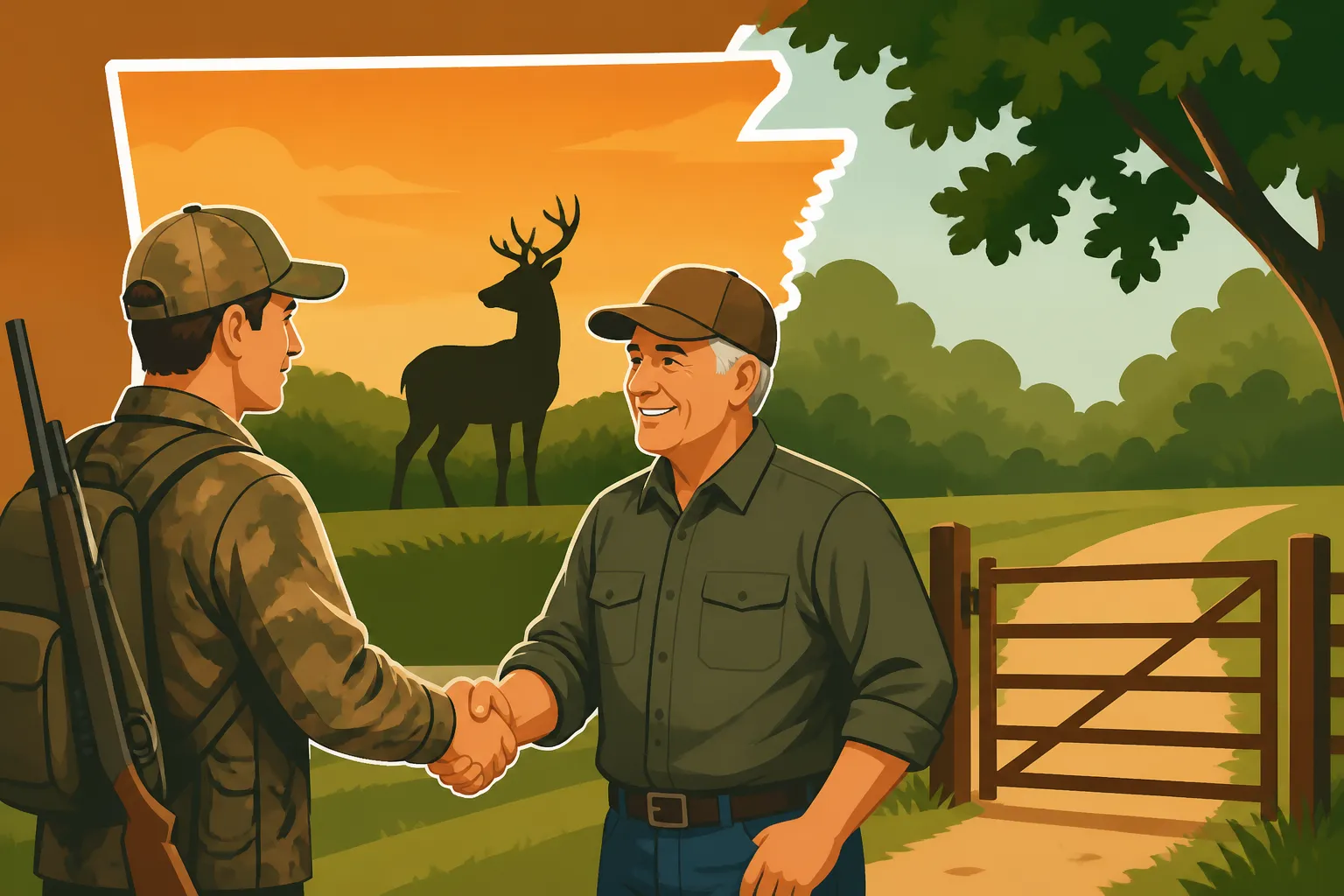
Getting Private Land Permission in Arkansas
One of the biggest frustrations for any hunter in Arkansas, especially those who've spent countless hours navigating crowded public lands, is finding truly unpressured ground. You know the feeling: you put in the legwork, find promising sign, and then opening morning rolls around and you're sharing your perfect spot with three other hunting parties. It’s enough to make you throw your hands up! But what if there was another way to unlock incredible hunting opportunities right here in our beautiful state? This guide is going to walk you through the often-intimidating, but incredibly rewarding, process of respectfully and effectively gaining private land permission in Arkansas.
The Challenge of Finding Private Land Access in Arkansas
Let's be honest, the dream for many of us is to find a piece of ground where you're the only one walking through the woods, setting up blinds, or calling in gobblers. Arkansas has an abundance of incredible wildlife, from robust deer populations in the Delta and Ozarks to booming duck numbers in the eastern rice fields, but much of that prime habitat is on private property. Navigating how to even begin asking for permission can feel like trying to solve a complicated puzzle, especially if you didn't grow up with a network of landowning friends and family. It’s a challenge, for sure, but one that’s absolutely worth overcoming.
The Allure of Unpressured Ground
There’s a certain magic to hunting private land that's hard to replicate anywhere else. When you have permission, you're often stepping onto ground that sees far less hunting pressure, which can translate into more predictable animal behavior and higher success rates. Imagine being able to scout a property at your leisure, place trail cameras without worrying about theft, and implement long-term strategies for deer or turkey without external interference. You can truly learn the movements of the animals on that specific tract, understand their bedding and feeding patterns, and discover those hidden gems – the secluded acorn flats, the overlooked creek bottoms, or the perfect bottleneck for deer travel. This level of intimacy with a hunting area is what truly separates the experience from many public land hunts, where you often feel like you're reacting to other hunters more than you are to the wildlife.
Furthermore, private land often allows for a more personalized approach to habitat management. While you might not own the land, if you build a strong relationship with the landowner, you might find opportunities to help enhance the property for wildlife, perhaps by planting a small food plot in an out-of-the-way corner, clearing some brush to create better edge habitat, or even managing invasive species. These efforts not only benefit the wildlife but also deepen your connection to the land and further solidify your permission to hunt there. It becomes a symbiotic relationship where everyone benefits.
Why Public Land Can Be a Grind
While Arkansas boasts an impressive amount of public hunting land, from the vast expanses of the Ouachita and Ozark National Forests to the numerous Wildlife Management Areas (WMAs) managed by the Arkansas Game and Fish Commission (AGFC), the reality is that these areas can be incredibly challenging. The sheer volume of hunters, especially during prime seasons like the modern gun deer opener or the first split of duck season, means that deer are constantly on alert, ducks are highly educated, and turkeys are extremely wary. You might spend days Scouting Arkansas Public Land Before Season, locating perfect spots, only to find multiple trucks parked at the trailhead on opening morning, or worse, someone already in your ideal treestand location.
The constant pressure on public land often forces animals into nocturnal patterns or pushes them onto neighboring private property where they feel safer. This can lead to frustrating hunts, where you see little to no game, or the animals you do see are moving at such a high speed that they offer no real shot opportunities. It's not uncommon to hear tales of hunters walking miles into a WMA only to find empty woods or to discover that their carefully scouted honey hole has been trampled by dozens of other boots. While public land certainly offers invaluable access and incredible opportunities for those willing to put in the work, the grind and competition can definitely take a toll on a hunter's morale. The desire for a more peaceful, productive, and predictable hunting experience is a powerful motivator for seeking private land permission.
The Myth of the "Easy Yes"
Many hunters assume that getting private land permission is simply a matter of asking a friendly landowner, shaking hands, and being granted free reign. The truth, however, is far more nuanced and challenging. Arkansas landowners, like those everywhere, have valid concerns and often deeply personal connections to their property. They might have had bad experiences with past hunters who left gates open, littered, drove recklessly, or even damaged property. They might worry about liability, especially in today's litigious society. They might have family members who hunt, or they might lease their land to a hunting club, making it unavailable.
The "easy yes" is largely a myth because landowners are protecting their investment, their peace of mind, and their legacy. They aren't just giving away a hunting spot; they're entrusting a stranger with a piece of their world. To assume it will be an easy "yes" underestimates the value they place on their land and overlooks the valid reasons they might be hesitant. It requires a genuine effort to build rapport, demonstrate trustworthiness, and offer something of value, whether it's peace of mind, help around the farm, or simply respect for their property. Approaching the conversation with humility and understanding that a "no" is not a personal affront will serve you far better than expecting immediate agreement.
Understanding Arkansas Landowner Dynamics
Before you even think about knocking on a door or making a phone call, it's crucial to understand the different types of landowners you might encounter across Arkansas and the unique perspectives they bring. Our state is incredibly diverse, from the rich agricultural fields of the Delta to the rugged timberlands of the Ozarks and Ouachitas, and each region tends to have its own flavor of landownership. Approaching a farmer with thousands of acres of rice and soybean fields will be different from approaching a family that owns a smaller tract of timber next to their home in the foothills. Knowing who you're talking to will help you tailor your approach and increase your chances of success.
Types of Private Landowners You'll Encounter
In Arkansas, you'll generally find a few different categories of private landowners, each with their own set of priorities and concerns when it comes to granting hunting access.
First, you have the active farmer or rancher. These folks often own large tracts of land, primarily for agriculture or livestock. Their lives revolve around their crops and animals, and their land is their livelihood. When approaching a farmer, their primary concerns will likely be about protecting their fields, crops, equipment, livestock, and most importantly, their peace of mind. They might also be worried about liability if someone gets hurt on their property. Offering to help with chores, respecting farm operations, and being extremely careful around fences and fields will go a long way. They might already have a system in place for hunting, perhaps leasing to a club or having family who hunts, so be prepared for that.
Then there are the timberland owners. These could be large commercial timber companies, or smaller private individuals who own significant acreage primarily for timber production. Companies might have formal leasing programs, which we'll touch on later, but individual timber owners often have a different set of concerns. They might manage their land for recreation as well as timber, or they might simply want to prevent trespassing and ensure their trees aren't damaged. Understanding their land management goals can help you frame your request.
Finally, you have the residential or recreational landowners. These folks might own smaller parcels, perhaps a few dozen acres bordering public land or near a small town, often with a home on it. Their main priorities are usually privacy, safety, and quiet enjoyment of their property. They might be wary of strangers, especially those with firearms, and could have children or pets that frequently use their land. Building trust and demonstrating a commitment to safety and respect for their family space will be paramount here. They might not even hunt themselves, but appreciate wildlife, so framing your request in terms of wildlife management and respect can be effective.
Respecting Property Rights and Local Culture
Arkansas is a state where land is deeply valued, and property rights are taken seriously. Even if land isn't posted, it's still private, and accessing it without permission is trespassing. This isn't just a legal issue; it's a matter of fundamental respect. Many landowners, especially in rural communities, have deep roots in their area, and their land has often been in their family for generations. There's a strong sense of stewardship and pride associated with land ownership.
When you're seeking permission, you're not just asking to hunt; you're asking to be welcomed onto someone's personal space, sometimes into their family's tradition. Understanding and respecting this cultural context is vital. This means being polite, speaking clearly, and using appropriate language. Avoid using slang or being overly casual. Demonstrate that you appreciate the value of their property and understand the responsibility that comes with being granted access. A simple "Yes sir" or "No ma'am" can go a long way in establishing respect. Show that you care about their land as much as they do, or at least that you intend to treat it with the same care and consideration. If they mention local customs, listen intently and show that you're willing to adhere to them.
The Legal Side of Arkansas Permission
Understanding Arkansas Trespass and Permission Law is not just about avoiding legal trouble; it's about building trust with landowners. In Arkansas, it is unlawful to hunt, fish, trap, or retrieve game from private land without permission from the landowner or lessee. This isn't just a recommendation; it's the law. Permission doesn't necessarily have to be written, but having it in writing is always the best practice for both you and the landowner. Verbal permission can be easily forgotten or misinterpreted, especially if ownership changes or if there's a dispute.
It's important to clarify the exact scope of the permission. What species can you hunt? During what seasons? Are there specific areas of the property that are off-limits? Can you bring guests? Can you use an ATV or drive a vehicle on the property? What about trail cameras or tree stands? All these details should ideally be discussed upfront. Many landowners are concerned about liability, so some may require you to sign a waiver. While Arkansas has landowner liability protection laws (like recreational use statutes), they don't cover all situations, and landowners are often rightly cautious. Offering to show proof of your own hunter's education (if applicable) and a valid Arkansas hunting license can also demonstrate your responsible approach. Knowing the rules about Arkansas Posted Land Rules will also save you from approaching land that is clearly marked as no hunting or no trespassing.
The Art of the Approach: Making a Good First Impression
You only get one chance to make a first impression, and when you're asking for private land permission, that first impression is everything. It's not just about what you say, but how you say it, how you present yourself, and when you choose to make your approach. Think of it like a job interview – you wouldn't show up late, disheveled, or unprepared, right? The same goes for trying to earn the privilege of hunting on someone else's property. Getting this step right can open doors, while getting it wrong can close them permanently, not just for you, but potentially for other respectful hunters in the future.
Timing Your Visit for Maximum Impact
Timing is absolutely critical when seeking permission. Randomly showing up unannounced can be disruptive and unwelcome. The best time to approach a landowner is generally during the off-season, well before hunting seasons open. Farmers are less stressed after the harvest and before planting, and everyone is generally more relaxed when they're not dealing with the immediate demands of hunting season. Trying to get permission a week before deer season opens is usually a recipe for a quick "no," as landowners are likely already fielding numerous requests or have their own hunting plans in place.
Aim for late spring, summer, or very early fall. Weekday afternoons or early evenings are often better than weekends, when families might be busy or just want their peace and quiet. Avoid meal times or very early mornings, unless you have a pre-arranged appointment. If it's a farming operation, pay attention to their work schedule. Don't interrupt them while they're on a tractor in the middle of a field or actively tending to livestock. Wait for a natural break in their work, or catch them when they're back at the house or barn. A thoughtful, well-timed approach shows consideration for their busy lives.
Presenting Yourself Professionally and Respectfully
When you knock on that door, your appearance and demeanor speak volumes before you even utter a word. Dress neatly and conservatively. You don't need to wear a suit, but don't show up in your grimy hunting clothes covered in mud either. Clean jeans, a nice shirt, and presentable shoes are appropriate. Avoid wearing camouflage, as it can be perceived as presumptuous or aggressive to some non-hunting landowners. Your goal is to look like a responsible, respectful individual, not someone who's already mentally sizing up their deer herd.
Your demeanor should be humble, polite, and confident, but not arrogant. Make eye contact, offer a firm handshake if appropriate, and speak clearly and courteously. Introduce yourself and explain why you're there without rambling. Be prepared for them to be busy or hesitant. If they seem rushed, offer to come back at a more convenient time. Remember, you are asking for a favor, a privilege, and their time. A positive attitude, even if you’re a little nervous, will make a much better impression than one that seems demanding or entitled. Show genuine interest in them and their property, not just what you can get from it.
What to Bring (and What Not to Bring)
Being prepared can set you apart. Here's what I recommend carrying:
- A simple, polite introduction: Practice what you're going to say.
- Your contact information: A small card with your name, phone number, and email. This makes it easy for them to get back to you.
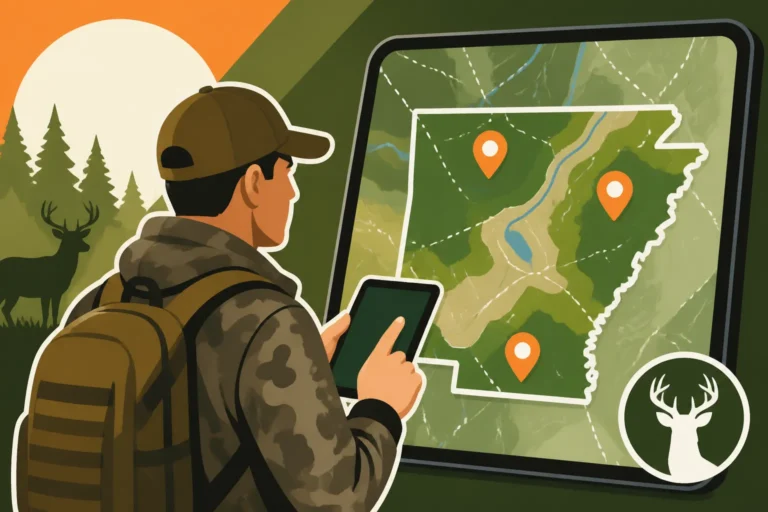
- A map of their property: Using tools like onX Hunt or GoHunt can help you identify property boundaries and landowner names. Having a printed map, or showing them on your phone, demonstrates you've done your homework and can clearly identify their land. You could even circle specific areas you're interested in, showing you've thought about their property and not just generic "hunting land." This map can also be useful for discussing access points and boundaries.
- Proof of insurance (optional but impactful): If you have personal liability insurance that covers recreational activities, offering to show proof can alleviate some of their concerns about potential accidents.
- A small, thoughtful gift (optional, use discretion): This is tricky and should be used with extreme care, if at all, on a first visit. It should never feel like a bribe. A small basket of local produce, a gift certificate to a local diner, or something similar might be appropriate after permission is granted, or if you're making a second visit and feel a connection has been made. For the first ask, it's generally best to stick to your honest, respectful words.
- A pen and paper: To jot down notes, specific instructions, or contact details.
What NOT to bring:
- Firearms or bows: Obviously, don't show up armed.
- Dead animals: Even if you're just coming from a successful hunt on other land, this is not the time or place to display your harvest.
- Children or pets: Unless specifically invited or part of a pre-arranged conversation, leave them at home. Your focus needs to be on the landowner.
- An expectation of immediate permission: Be patient and prepared for them to need time to think it over.
Crafting Your Pitch: What to Say and How to Say It
Once you've made a great first impression, the next step is to clearly and respectfully articulate your request. This isn't just about asking, "Can I hunt?" It's about explaining why you're a good choice for their land, what you're hoping to hunt, and how you plan to conduct yourself. Your pitch should be concise, honest, and geared towards addressing their potential concerns while highlighting the benefits of having you on their property.
Clearly Stating Your Intentions and Goals
When the landowner gives you the opportunity to speak, be direct but polite. Start by reiterating who you are and why you're bothering them. Something like, "Good afternoon, Mr./Ms. [Landowner's Last Name]. My name is [Your Name], and I live just down the road/over in [nearby town]. I noticed you have some wonderful timber/fields here, and I was wondering if you ever allow anyone to hunt deer/turkeys/ducks on your property."
Be specific about what you want to hunt. Don't just say "hunt." If you're interested in deer, say deer. If it's turkey, say turkey. If you're hoping to call in some ducks on a flooded field, mention that. This shows you've thought about it and aren't just looking for general access for everything under the sun. It also allows them to consider your request within their own comfort zone. For example, some landowners might be fine with deer hunting but have specific reservations about turkey hunting near their home, or vice versa. Being upfront helps manage expectations on both sides. Also, clarify your hunting method – bowhunting, modern gun, muzzleloader. This level of detail builds trust and reduces ambiguity.
Offering Value and Building Trust
This is where you move beyond just asking for a favor and start demonstrating what you bring to the table. Think about what a landowner might value, and present yourself as a solution, not just another request.
- Security and Surveillance: Many landowners, especially those who aren't on their property constantly, appreciate an extra set of eyes. You could say, "I'm often in the woods, and I'd be happy to keep an eye out for anything unusual – trespassers, downed fences, or signs of trouble. I'd consider it part of my responsibility to help protect your property." This is a huge selling point.
- Help with Chores: For farmers or elderly landowners, offering to help around the property can be a game-changer. "I'm pretty handy and would be glad to help with any odd jobs around the farm – mending fences, clearing brush, fixing gates, or anything else you might need a hand with, especially in the off-season." Make sure you're genuinely willing and able to follow through on this.
- Respect and Safety: Emphasize your commitment to safety and ethical hunting. "I'm a very responsible hunter, always follow all AGFC regulations, and am extremely careful with firearms. I'll always wear my Arkansas Hunter Orange Requirements when required, and I'm very mindful of safety zones around homes and barns." You could also mention you'd be happy to let them know when you plan to be on the property.
- Wildlife Management: For landowners interested in improving their property, you could offer, "I'm also passionate about wildlife management and would be happy to discuss ways to improve habitat on your property, perhaps by planting beneficial species or removing invasives. I could even help manage the deer herd by taking antlerless deer if that's something you're interested in, helping reduce crop damage." You could even suggest connecting them with programs like those offered through the AGFC.
- Share the Harvest: If they don't hunt but enjoy wild game, offering a portion of your harvest can be a powerful gesture. "If I'm successful, I'd be delighted to share some fresh venison or wild turkey with you." Many hunters also participate in programs like Arkansas Hunters Feeding the Hungry, and mentioning that can show your commitment to responsible harvesting.
Make it clear that you understand this is their property and you will abide by their rules, whatever they may be. Listen carefully to their questions and concerns, and address them honestly and thoroughly.
Handling Rejection Gracefully
It's inevitable that you'll hear "no" more often than "yes." Don't take it personally. As we discussed, landowners have many reasons for declining permission, most of which have nothing to do with you as an individual. A graceful response to a "no" is just as important as a good pitch.
If they decline, simply say, "I completely understand. Thank you so much for your time and for listening to my request. If anything ever changes, or if you ever hear of anyone else needing a responsible hunter, please feel free to keep my number." Then, thank them again and politely leave. Don't press the issue, don't argue, and certainly don't leave feeling angry or disgruntled. A positive, respectful exit leaves the door open for future opportunities, even if it's not on their land. They might remember your politeness down the road, or mention your respectful approach to a neighbor who is looking for a hunter.
Sometimes, a "no" isn't a hard "no." They might say, "Not right now," or "I'll think about it." If that's the case, thank them and ask if it would be okay to follow up in a few weeks or months. "Would it be alright if I checked back with you around [specific date]?" This shows you're serious and respectful of their need for time. If they say no to that, respect it. The key is to always be polite, appreciative, and understanding, regardless of the outcome.
Maintaining the Relationship: Earning Continued Access
Getting permission is a huge win, but it's only the first step. The true test of a successful private land arrangement is how well you maintain that relationship over the long term. This isn't a transactional agreement; it's a partnership built on trust, respect, and mutual benefit. Think of it like any valuable friendship – it requires ongoing effort and communication. Many hunters get permission once and then neglect the landowner, only to find their access revoked the following season. Don't be that hunter.
The Importance of Communication and Follow-Through
Once you have permission, consistent and clear communication is paramount. Always let the landowner know when you plan to be on their property. A quick text or phone call saying, "Hey [Landowner's Name], I was hoping to slip into the back forty for an evening deer hunt on Tuesday, if that's okay?" is courteous and ensures they're not surprised by your presence. If you're running late or decide not to go, let them know. If you encounter any issues – a broken gate, suspicious activity, or even just a deer running through a field – inform them immediately. This reinforces your commitment to watching over their property.
Equally important is following through on any promises you made. If you offered to help with chores, periodically check in and see if they need assistance. Don't wait for them to call you. If you said you'd share meat, do so. If you promised to hunt only specific species or areas, stick to it religiously. Deviating from the agreed-upon terms, even slightly, can erode trust quickly. Remember, your word is your bond, and in rural Arkansas, that means a lot. Consistent, respectful communication demonstrates your reliability and value beyond just being a hunter.
Offering Help Beyond Hunting Season
True relationship building extends far beyond the hunting season. The best way to secure long-term access is to be a good neighbor year-round. This is where those offers of help really come into play.
- Spring and Summer: Offer to help with planting season, fence repair, or general property maintenance. Maybe they need help moving hay bales, repairing a leaking roof, or even just mowing their yard if they're elderly or busy. A few hours of your time in the blazing Arkansas summer can be worth its weight in gold to a landowner.
- Fall (Pre-Season): This is a great time to ensure all gates are in working order, check on any crop damage, or help prepare for winter. You could offer to clear shooting lanes, maintain access roads, or put up small food plots if you've discussed it. This also gives you a chance to scout and discuss any potential changes to hunting plans.
- Post-Season: After your hunting is done, take down your stands, remove any trash (and then some!), and leave the property in better shape than you found it. Offer to help clean up fence lines or remove any debris. This shows you're not just there for the hunt but genuinely care for their land.
These gestures demonstrate your respect for their property and your appreciation for the privilege they've extended. It shifts the dynamic from a one-sided favor to a mutually beneficial relationship. It's not about paying for access with labor, but about genuinely being a helpful and trusted friend.
Thoughtful Gestures and Gratitude
Small acts of kindness and genuine gratitude can make a big difference. This isn't about expensive gifts, but heartfelt appreciation.
- Handwritten Thank You Notes: A sincere thank-you note after the season expressing your appreciation for the opportunity means a lot. It’s old-fashioned, but incredibly effective in showing you care.
- Sharing the Harvest (Consistently): If you've had a successful season, consistently offering venison, turkey breast, or even cleaned ducks can be a wonderful gesture. Even if they don't eat game meat, the offer itself is appreciated. "I got a nice doe last week, and I'd love to drop off some backstrap if you'd like some."
- Small Tokens of Appreciation: Again, use discretion, but a practical gift around the holidays – like a gift certificate to a local feed store, a nice fruit basket, or even fresh baked goods – can reinforce your gratitude. It should always feel personal and not like a transaction.
- Listen and Learn: Take the time to listen to their stories, ask about their family, and learn about the history of their land. Show genuine interest. Many landowners enjoy sharing their knowledge and connection to the property. This builds a personal bond that goes beyond hunting.
Remember, every time you are on their land, you are representing yourself and other hunters. By being an exemplary guest, you not only secure your own access but also help foster a more positive image of hunters in the community.
Navigating Specific Scenarios and Modern Tools
Getting private land permission isn't a one-size-fits-all endeavor. The strategies you employ might need to adapt depending on the game you're after, the type of landowner, and the tools you use to identify and research properties. Knowing how to leverage modern technology and tailor your approach to specific hunting types can significantly increase your success rate.
Permission for Deer, Turkey, or Duck Hunting
The type of hunting you're seeking permission for can influence the landowner's response and your approach.
- Deer Hunting: This is often the most common request. Landowners might be concerned about hunter safety, property damage, or managing herd numbers. If they have a large deer population causing crop damage, offering to help thin the herd (especially antlerless deer) can be a strong selling point. Be prepared to discuss your hunting methods (bow, modern gun) and safety protocols. Mentioning you will track any wounded game diligently and notify them if you need to retrieve a deer from neighboring property is also important. Knowing the Deer Rules in the Arkansas Delta Zones or Deer Rules in the Arkansas Ozark Zones for their specific location shows your diligence.
- Turkey Hunting: Turkey hunting often involves more movement and calling, which can sometimes be seen as disruptive, especially if the landowner lives on the property. Reassure them you'll be mindful of their home, avoid approaching too close, and adhere to specific areas. Emphasize your respect for the birds and your commitment to ethical hunting practices. You might even offer to take them out to listen to gobblers sometime.
- Duck Hunting: This can be a more complex ask, especially in the Delta, where flooded timber and rice fields are highly valuable. Many prime duck properties are leased out to clubs, or the landowner manages the hunting themselves. If you're asking about duck hunting, be prepared for a "no," but don't let it discourage you. If they don't lease, they might be worried about noise, damage to levees, or impact on their crops. Highlight your understanding of wetland ecosystems and your commitment to preserving the resource. You might find more success seeking permission on smaller, overlooked pockets of water rather than major flyways. For properties near specific WMAs, understanding details like hunting Arkansas green timber versus Hunting Rice Fields and Levees can show you know your stuff.
Using Mapping Apps to Identify Landowners
In today's digital age, powerful mapping applications have revolutionized the process of identifying landowners and researching properties. Gone are the days of driving around blindly, trying to match names on mailboxes to county plat maps.
Tools like onX Hunt and GoHunt provide invaluable layers of information that can make your private land outreach far more efficient. With these apps, you can:
- Identify Property Boundaries: See precise property lines, helping you understand exactly whose land is whose. This prevents you from inadvertently trespassing or approaching the wrong individual.
- Find Landowner Names and Contact Information: Many apps offer a "landowner" layer that displays the owner's name, and sometimes even their mailing address or phone number (though direct phone numbers are less common for privacy reasons). This is crucial for making a targeted approach.
- Analyze Topography and Habitat: Before you even leave your couch, you can use these apps to Reading Aerial Photos for Delta Deer or Reading an Ozark Bench for Deer, identifying potential bedding areas, food sources, and travel corridors. This allows you to speak intelligently about the property, demonstrating that you've done your homework and aren't just making a random request.
- Plan Your Approach: Once you've identified a promising property and its owner, you can use the map to determine the best access points, where the owner's home is located, and how to approach them respectfully.
When using these tools, remember to use them as a starting point, not a replacement for personal interaction. Don't call someone just because you found their number on an app if they clearly live nearby. A face-to-face visit, when possible, is always preferred. However, for absentee landowners, a well-written letter or a phone call (if you can find a number through other public records, not just the app) can be an effective way to introduce yourself. Using the AGFC Map Tool alongside these private apps can also provide information on neighboring public lands or specific WMA regulations.
Timber Company Land and Hunting Clubs
Beyond individual landowners, there are two other significant avenues for private land access in Arkansas: timber companies and hunting clubs.
- Timber Company Land: Large timber companies like Weyerhaeuser or others often own vast tracts of land across Arkansas. Many of these companies have formal leasing programs for hunting access. Instead of a personal request, this usually involves applying for a lease, often through a lottery system or a competitive bidding process. The costs can vary significantly depending on the acreage, location, and demand. Researching Hunting Arkansas Timber Company Land is essential here. These leases typically come with specific rules regarding access, road usage, stands, and sometimes even species-specific limits. While it's not the same as getting individual permission, it can provide reliable access to large, often well-managed, hunting grounds.
- Hunting Clubs: Joining an established Joining an Arkansas Hunting Club is another way to gain private land access. Clubs lease land, often from farmers or timber companies, and then members share the hunting opportunities. Membership fees can be substantial, but they often provide access to well-managed properties with established infrastructure (blinds, roads, food plots). This also comes with social dynamics – you'll be hunting with a group, so understanding the club's rules, culture, and expectations is crucial. It’s a good option for those who want private land benefits without the solo hassle of securing and maintaining individual permissions.
| Approach Type | Best For | Key Considerations |
|---|---|---|
| Direct Approach | Farmers, small-acreage owners, local residents | Best for building personal trust, offering mutual help. |
| Written Letter | Absentee landowners, those not easily reached | Politeness, clarity, professional tone, self-introduction. |
| Mapping Apps (onX, GoHunt) | Identifying owners, researching property | Essential for groundwork, but not a substitute for personal touch. |
| Timber Company Lease | Large acreage, formal access programs | Usually paid, specific rules, often competitive. |
| Hunting Club Membership | Shared access, established infrastructure | Paid, social dynamics, club rules, often group-based. |
Common Pitfalls and How to Avoid Them
Even with the best intentions, it's easy to stumble when navigating the world of private land permission. Avoiding common mistakes is just as important as knowing the right steps to take. These pitfalls often stem from a lack of understanding, entitlement, or simply poor communication. Being aware of these traps can save you a lot of frustration and help maintain a positive image for all hunters.
The Dangers of Assumption and Entitlement
This is probably the biggest trap. Never assume anything when it comes to private land. Don't assume that because land isn't posted, it's okay to walk on it. Don't assume that because you got permission last year, you automatically have it this year. Don't assume that verbal permission for deer hunting extends to turkey hunting, or that it includes your buddy. Every piece of private land, every landowner, and every hunting season is a fresh start for permission.
The mindset of entitlement is a killer. The moment you start thinking a landowner "owes" you access because you're a good hunter, or because there's a huge buck on their property, you've lost. Landowners have no obligation to grant you access. Hunting private land is a privilege, not a right. Approaching with humility and respect for their property rights is paramount. If you treat their land as if you own it, without first earning that trust, you'll quickly find yourself without permission. Always ask, always confirm, and never take anything for granted.
Misunderstandings About "Posted" Land
Arkansas law regarding "posted" land can sometimes be confusing, but the core principle is simple: if land is clearly posted with "No Hunting," "No Trespassing," or similar signs, or if it's fenced and maintained, you absolutely cannot enter it without explicit permission. Arkansas Posted Land Rules are designed to protect landowners. Even if you see game animals running onto posted property, your permission to retrieve them from private land without explicit consent is limited.
A common misunderstanding is that if land isn't posted, it's fair game. This is unequivocally false. All private land is private, whether it's posted or not. Posting signs simply acts as an additional legal deterrent and makes it easier to prosecute trespassers. Not seeing a sign doesn't give you license to enter. Always operate under the assumption that if you don't have explicit permission, you don't belong there. Ignorance of the law is not an excuse, and violating these rules can lead to fines, loss of hunting privileges, and irreparable damage to your reputation and the reputation of hunters as a whole.
The Importance of Written Permission
While verbal permission is legally binding in Arkansas, it's always in your best interest and the landowner's to get it in writing. This protects both parties by clearly outlining the terms of the agreement and leaving no room for misinterpretation. Verbal agreements can be forgotten, misunderstood, or even denied if disputes arise, especially if the landowner's memory fades or ownership changes hands.
A simple written agreement doesn't need to be a complex legal document. It can be a basic letter or card stating:
- Your Name and Contact Info
- Landowner's Name and Contact Info
- The Specific Property Address/Description
- The Species You Are Allowed to Hunt
- The Hunting Method (e.g., archery only, modern gun)
- The Dates/Season for Which Permission is Granted
- Any Specific Restrictions (e.g., no ATVs, specific access points, areas off-limits)
- Signatures of Both Parties and Date
This written record can prevent disputes, clarify expectations, and even protect the landowner from liability concerns by showing they granted permission under specific terms. For more detail, refer to Do You Need Written Permission in Arkansas?. Always make a copy for yourself and ensure the landowner retains the original. This simple step can solidify your permission and demonstrate your professionalism and commitment to a clear, respectful agreement.
Disclaimer
This article is for general informational purposes only and does not constitute professional advice. Laws, prices and regulations vary by location and change over time. Consult a qualified professional for guidance on your specific situation.