Deer Rules in the Arkansas Ozark Zones
Navigating the ever-changing landscape of deer hunting regulations in Arkansas can feel like trying to track a mature buck through a dense thicket – confusing, to say the least. It’s a common frustration when you just want to understand the specific rules for your favorite hunting grounds. This comprehensive guide is here to shed light on the ins and outs of deer rules specifically for the Arkansas Ozark Zones, helping you hunt smarter and stay compliant.
Unraveling the Arkansas Ozark Deer Zones
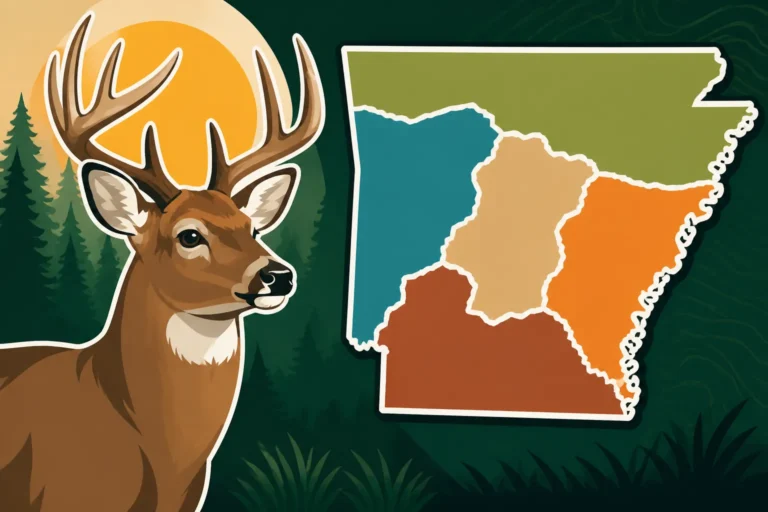
The Ozarks in Arkansas present a unique hunting environment, characterized by their rugged terrain, dense hardwood forests, and distinct deer populations. The Arkansas Game and Fish Commission (AGFC) divides the state into various deer zones, each with its own set of regulations tailored to local herd management goals. Understanding which zone you’re in is the absolute first step to a successful and legal hunt. It’s easy to get caught up thinking "Ozarks is Ozarks," but the nuances between Zone 1, Zone 2, Zone 3, and Zone 4 can significantly impact your season.
Identifying Your Specific Ozark Zone
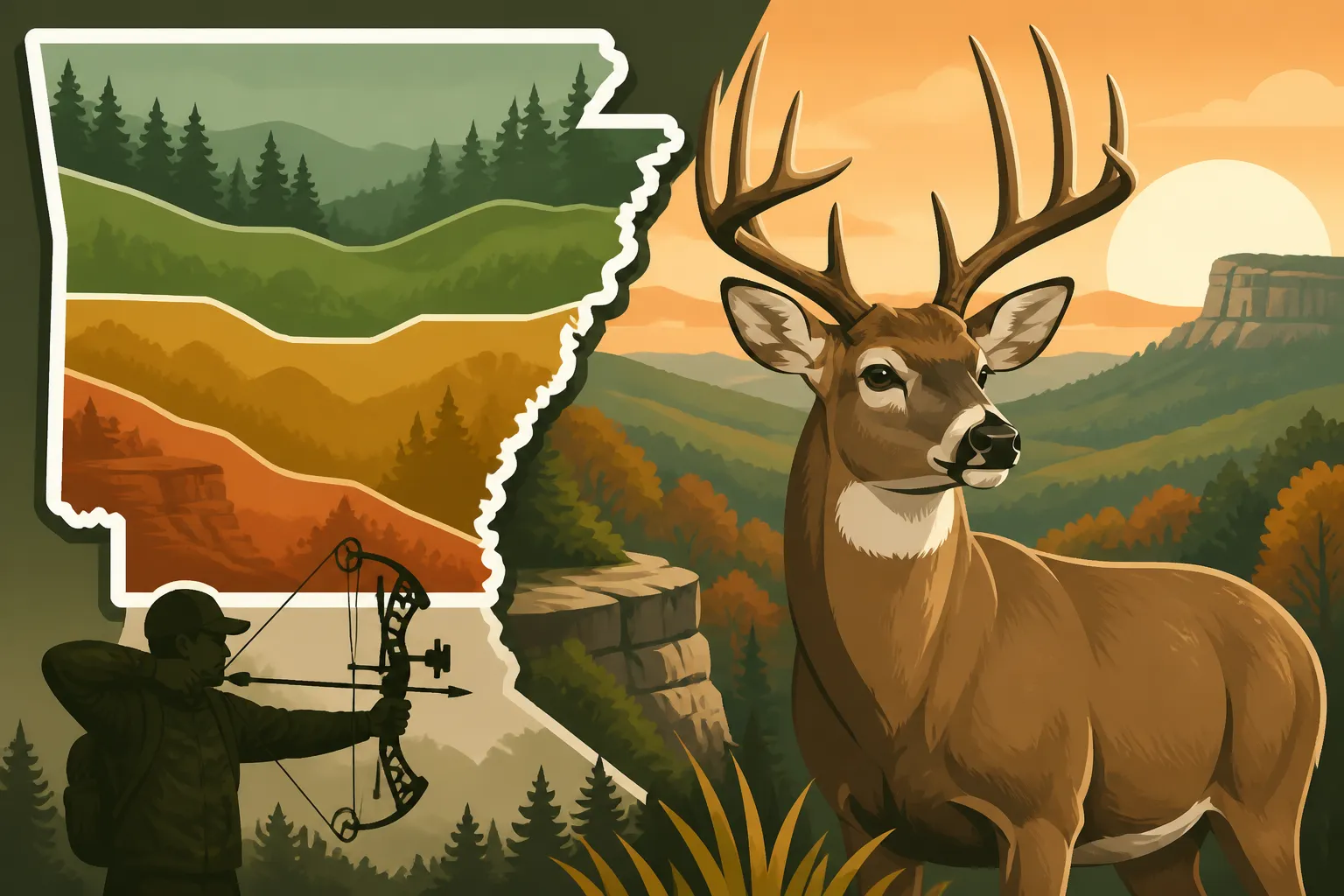
When you look at the AGFC's deer zone map, the Ozarks generally encompass Zones 1, 2, 3, and 4. These zones are primarily found in the northern and northwestern parts of the state. Zone 1 is way up in the extreme northwest corner, bordering Missouri and Oklahoma, while Zone 2 covers a larger swath of the north-central Ozarks. Zone 3 extends more into the central-northern region, and Zone 4 dips slightly south and east, often including parts of the Ozark National Forest. Knowing your precise location within these zones is non-negotiable, as even adjacent zones can have differing antler point restrictions or season lengths. Tools like the AGFC’s interactive map or a reliable hunting app like GoHunt are invaluable for pinpointing these boundaries down to the property line.
Many hunters find mapping apps, like the one offered by GoHunt, invaluable for quickly identifying their location relative to these zones. It takes the guesswork out of it, especially when you’re on the ground and reception might be spotty. Always double-check county lines and major roadways as these are often used as boundary markers, which can be tricky if you're hunting along them. Misinterpreting a map or a road name can lead to a violation, and nobody wants that.
Key Characteristics of Ozark Deer Habitats
Deer in the Ozark Zones face different challenges and utilize different food sources than, say, deer in the Delta. This is why the regulations are different. The landscape is dominated by mature hardwood forests—oaks, hickories, and other mast-producing trees—interspersed with cedar thickets, rocky bluffs, and winding creek bottoms. These habitats influence deer movement, bedding areas, and feeding patterns. Deer here often rely heavily on acorns in the fall, making areas with good mast crops prime hunting locations.
Unlike the agricultural fields of the Delta, deer in the Ozarks are typically more spread out and often smaller-bodied due to the less nutrient-rich forage and steeper terrain. This doesn't mean there aren't big deer, but the overall population density and size metrics are different. Understanding the local habitat is key to finding deer, whether you're trying to figure out where the deer might be bedding in those thick cedar breaks or looking for natural funnels between ridge tops and hollows. It’s all part of the complex puzzle of hunting Ozark Ridges and Hollows for Deer.
Specific Deer Bag Limits and Antler Restrictions
One of the most talked-about and often misunderstood aspects of Arkansas deer hunting, especially in the Ozarks, revolves around bag limits and antler restrictions. These rules are in place to help manage the deer herd, encourage older age classes of bucks, and ensure sustainable hunting opportunities for years to come. Ignoring these rules isn't just illegal; it undermines the efforts to improve the deer herd for everyone.
The Three-Point Rule in Ozark Zones
Many of the Ozark Zones, including Zone 1 and parts of Zone 2 and 3, have specific antler point restrictions, often referred to as the "three-point rule." This regulation typically states that a legal buck must have at least three points on one side of its antlers, or a main beam length of at least 15 inches. This rule is designed to protect younger bucks (yearlings and 2.5-year-olds) from harvest, allowing them to mature and contribute to the herd's genetics and age structure. This is a critical component of deer management in these areas.
However, the three-point rule can be a real headache in the field. Judging points quickly and accurately, especially in dim light or thick cover, is tough. What looks like a legal 3-point in your scope could, upon closer inspection, turn out to be a 2-point with a broken tine or a developing brow tines that doesn't quite count. The AGFC is clear on what constitutes a legal point – it must be at least one inch long. This is where patience and good optics come into play. It’s always better to pass on a questionable buck than to risk a citation. You might find more detailed information on this in guides like What Counts as a Legal Arkansas Buck.
Antlerless Deer Harvest Opportunities
While antler restrictions focus on protecting young bucks, antlerless deer harvest is crucial for managing the overall deer population. In the Ozark Zones, antlerless opportunities can vary greatly by zone and by specific dates within the season. Some zones might allow antlerless harvest for the entire archery season, while others might restrict it to specific periods or only during modern gun hunts. These antlerless tags are vital for controlling herd numbers, especially female deer, to keep the population healthy and in balance with the available habitat.
It's common for hunters to prioritize antlered bucks, but harvesting antlerless deer plays a significant role in herd management. Too many does can lead to overbrowsing, poorer fawn recruitment, and a general decline in herd health. Always check the current AGFC regulations for your specific Ozark Zone to confirm when and how many antlerless deer you can harvest. Don't assume your old rules apply year after year; the AGFC often adjusts these based on population surveys and habitat conditions.
Key Hunting Seasons and Legal Methods
The diverse topography and deer behavior in the Ozarks necessitate a range of hunting seasons and methods. From the stealthy approach of archery season to the widespread participation in modern gun hunts, each method has its place, but each also comes with its own set of rules specific to the Ozark Zones.
Archery Season Nuances in the Ozarks
Archery season in the Ozark Zones typically kicks off in late September, offering hunters a long season stretching into February. This extended period provides ample opportunity to pursue deer, but the early days can be brutally hot. Bowhunting Arkansas in September Heat requires different tactics than hunting in the cooler late fall or early winter months. Early season success often hinges on locating dependable water sources and food plots, or identifying trails leading to active acorn drops if they're falling.
Later in the season, as the rut kicks in, deer patterns shift. You might find yourself rattling and grunting in Arkansas to attract bucks that are cruising for does. Remember, the general bag limits for archery often include both antlered and antlerless deer, depending on your specific zone. Always review the detailed regulations for your zone, especially regarding daily and season limits.
Modern Gun and Alternative Firearms Seasons
Modern gun season is arguably the most popular time to hunt deer in Arkansas, and the Ozark Zones are no exception. These seasons usually open in November, often leading to a bustling Modern Gun Opening Weekend on Arkansas Public Land. During modern gun season, the rules on antlered and antlerless harvest are often more structured and might be more restrictive than archery season, especially concerning antlerless tags.
For those who enjoy a different challenge, Arkansas also offers alternative firearms seasons, typically for muzzleloaders or other specific weapon types. These seasons often precede or run concurrently with parts of the modern gun season. If you're considering hunting with an alternative firearm, it's crucial to understand What Counts as an Alternative Firearm and if your chosen weapon is legal for your specific Ozark Zone. These hunts can offer a quieter, less crowded experience, but require attention to detail regarding the specific dates and bag limits.
Navigating Public Lands and WMA Rules in the Ozarks
A significant portion of the Ozark landscape is public land, including vast tracts of the Ozark National Forest and numerous Wildlife Management Areas (WMAs). Hunting on these public lands offers incredible opportunities but also comes with a unique set of rules and considerations beyond just deer regulations.
Hunting in the Ozark National Forest
The Ozark National Forest provides thousands upon thousands of acres of public hunting ground. This is truly big woods hunting, with steep climbs, deep hollows, and abundant cover. However, hunting here requires a different mindset than hunting smaller, private tracts. Access can be limited in some areas, and deer densities are often lower than in more agricultural regions. Scouting Arkansas Public Land Before Season is absolutely vital here, especially if you're targeting specific areas like food sources or pinch points along ridges.
When hunting in the Ozark National Forest, you’ll need to be aware of specific forest service regulations, in addition to AGFC rules. This includes regulations on vehicle access, camping, and the placement of stands or blinds. While the hunting can be challenging, the reward of harvesting a deer deep in the Ozarks is unmatched. Always carry a reliable map and compass (or a GPS app like GoHunt) and let someone know your plans, as it's easy to get turned around in the expansive terrain.
Specific Rules for Ozark WMAs
Arkansas has several WMAs scattered throughout the Ozark region, each with its own management plan and often, specific regulations that differ from the general statewide rules or even the surrounding national forest. WMAs like White Rock WMA in the Ozark National Forest often have unique draw hunts, specific check-in/check-out procedures, or antler restrictions that may be stricter than the general zone rules.
Before hunting any WMA, always check the AGFC's website or regulation guide for that specific area. Many WMAs require a WMA general use permit in addition to your regular hunting license and deer tags. Some may have limitations on when you can scout, deploy trail cameras, or even what type of weapon you can use. Failing to adhere to these WMA-specific rules can lead to fines or loss of hunting privileges, so diligent research is paramount.
Here’s a simplified table comparing some common deer rules in the Ozark Zones. Please remember to always consult the current AGFC regulations for the most up-to-date and exact information for your specific hunting area.
| Feature | Zone 1 (NW Ozarks) | Zone 2 (N-Central Ozarks) | Zone 3 (Central N. Ozarks) | Zone 4 (SE Ozarks) |
|---|---|---|---|---|
| Antler Restrictions | 3 Points on one side OR 15" Main Beam | 3 Points on one side OR 15" Main Beam (select dates) | 3 Points on one side OR 15" Main Beam (select dates) | General Statewide Buck Rules (no specific restriction) |
| Antlered Buck Limit | 2 | 2 | 2 | 2 |
| Antlerless Limit | Generous, often throughout archery & modern gun | Varies, often specific dates or limited | Varies, often specific dates or limited | More generous, often throughout archery & modern gun |
| Archery Season | Sept 23 – Feb 29 (example dates) | Sept 23 – Feb 29 (example dates) | Sept 23 – Feb 29 (example dates) | Sept 23 – Feb 29 (example dates) |
| Modern Gun Season | Nov 11 – Nov 26 & Dec 26-28 (example dates) | Nov 11 – Nov 26 & Dec 26-28 (example dates) | Nov 11 – Nov 26 & Dec 26-28 (example dates) | Nov 11 – Nov 26 & Dec 26-28 (example dates) |
| Primary Terrain | Rugged hills, hardwoods | Mixed hardwoods, some pine | Mixed hardwoods, bluffs | Rolling hills, mixed forests |
| CWD Status | Often in CWD Management Zone | Often in CWD Management Zone | Often in CWD Management Zone | May be adjacent to CWD Management Zone |
Disclaimer: The dates and specific rules in this table are illustrative and can change annually. Always refer to the official Arkansas Game and Fish Commission regulations for the most current information.
Understanding CWD Rules in the Ozarks
Chronic Wasting Disease (CWD) is a serious concern for deer populations in Arkansas, and the Ozark regions were unfortunately where it was first detected in the state. As a result, many of the Ozark Zones fall within what the AGFC designates as a CWD Management Zone, which comes with its own set of critical rules for hunters.
Carcass Transport and Testing Requirements
Within a CWD Management Zone, there are strict rules regarding the transport of deer carcasses. Generally, you cannot transport certain parts of a deer (like the brain, spinal cord, or lymph nodes) out of a CWD Management Zone. This is to prevent the spread of the disease to unaffected areas. Usually, hunters are allowed to transport deboned meat, clean antlers, hides, and taxidermy-ready skulls. This means Field Dressing in Arkansas Heat takes on an added layer of importance – you'll need to know how to process your deer right there in the field if you plan to leave the CWD zone.
The AGFC also often mandates or encourages voluntary CWD testing for harvested deer, especially within the CWD Management Zone. They provide drop-off locations or require samples to be submitted. This data is crucial for monitoring the prevalence and spread of the disease. Always be prepared to comply with any CWD-related regulations, as they are non-negotiable for the health of the deer herd. You can learn more about these rules and what they mean for your hunt in Arkansas CWD Rules and Carcass Transport.
Baiting and Feeding Restrictions
Another common regulation within CWD Management Zones in the Ozarks involves baiting and feeding restrictions. To reduce the congregation of deer at artificial feed sites, which can increase the risk of disease transmission, baiting and feeding deer are often prohibited or heavily restricted in these areas. This includes mineral blocks, corn, or any other food attractant that concentrates deer.
Hunters need to be extremely diligent about this rule. Even a small pile of corn accidentally left from a previous season could lead to a violation. Understand that these rules are in place not to make hunting harder, but to safeguard the future of the deer herd in areas impacted by CWD. Always check the current regulations for your specific hunting location to ensure you are not inadvertently violating any baiting laws.
Disclaimer
The information provided in this guide is for general informational purposes only and is not a substitute for the official regulations published by the Arkansas Game and Fish Commission (AGFC). Hunting laws and regulations can change frequently. It is the responsibility of every hunter to review and understand the current year's official AGFC hunting guide and any local WMA-specific regulations before hunting. Failure to comply with all laws and regulations may result in penalties.