Arkansas CWD Testing for Hunters
The unsettling reality of Chronic Wasting Disease (CWD) casts a long shadow over hunting seasons in Arkansas, leaving many of us with questions and concerns about the health of the deer we pursue and, frankly, the safety of the venison we bring home. It's a heavy topic, and the regulations can feel like a moving target, especially when you just want to enjoy your time in the woods without a cloud of uncertainty. This guide aims to clear up the confusion surrounding CWD testing for hunters in Arkansas, helping you understand the disease, the testing process, and what you need to do to ensure peace of mind.
Understanding Chronic Wasting Disease in Arkansas
It's tough when something as fundamental as deer hunting gets complicated by a disease, especially one that's a bit mysterious. We all want to feel confident in our harvest, but CWD has changed the landscape, requiring a more vigilant approach from hunters.
What CWD Actually Is and How It Spreads
Chronic Wasting Disease (CWD) is a neurological disease that affects cervids, which include deer, elk, and moose. It's caused by abnormal proteins called prions, not a virus or bacteria, and these prions slowly attack the brain and nervous system of infected animals. Over time, the deer loses weight, shows neurological symptoms like stumbling, excessive drooling, and a general lack of fear of humans, eventually leading to death. The tricky part about CWD is its persistence; these prions can survive in the environment for years, even decades, in soil, plants, and water, making it incredibly difficult to eradicate once it takes hold.
Transmission typically occurs through direct contact with an infected animal's bodily fluids, like saliva, urine, and feces. It can also spread indirectly through contact with contaminated soil or vegetation. This environmental persistence is what makes CWD such a formidable challenge for wildlife management agencies and hunters alike. You could have a seemingly healthy deer walking through an area where an infected deer deposited prions years ago, and that exposure could lead to infection. For hunters, this means that even if a deer looks fine on the hoof, there's always a lingering question, especially in areas where CWD has been detected. The idea of bringing home a deer that might be sick is a real source of anxiety for many.
The History and Current Status of CWD in Arkansas
Arkansas wasn't always a state grappling with CWD. The disease first made its unwelcome appearance in the state in February 2016, when a hunter-harvested deer tested positive in Newton County. This discovery in the Ozark Mountains was a wake-up call, confirming what many other states had already experienced: CWD was a serious threat. Since then, the Arkansas Game and Fish Commission (AGFC) has been actively monitoring and managing the spread, establishing designated CWD Management Zones. You can learn more about Where CWD Was First Found in Arkansas to get a better historical perspective.
Initially, CWD was concentrated in certain areas of the Ozarks, but unfortunately, it has since been detected in more counties, primarily spreading southeastward from the initial discovery zone. The AGFC conducts extensive surveillance, collecting samples from harvested deer and road-killed animals to track the disease's prevalence and geographic spread. Understanding Arkansas CWD Prevalence Rates is crucial for hunters to make informed decisions. This ongoing monitoring helps define the CWD Management Zones, which are subject to specific regulations aimed at slowing the disease's progression. It's a continuous battle, and the status can change, which means hunters always need to be aware of the latest information from the AGFC regarding their specific hunting areas.
When and Why Hunters Should Consider CWD Testing
Deciding whether or not to test your harvested deer for CWD can feel like another chore added to an already busy hunting season. But it's a critical step, both for your peace of mind and for the larger effort to manage this disease in Arkansas.
Mandatory Testing Versus Voluntary Submission
In Arkansas, CWD testing isn't always mandatory for every deer harvested, but there are specific circumstances where it becomes a requirement. The AGFC often implements mandatory testing periods, particularly during the opening weekends of modern gun season, within specific CWD Management Zones. These periods are usually announced well in advance, and hunters harvesting deer in those designated zones and during those times are required to submit their deer for sampling. This helps the AGFC gather crucial data on disease prevalence and spread, especially from areas where hunting pressure is high. It’s important to always check the latest AGFC regulations for Arkansas CWD Management Zone Rules before you head out, as these rules can change from year to year based on disease dynamics.
Outside of mandatory testing periods and zones, submitting your deer for CWD testing is entirely voluntary, but it's a highly recommended practice. Even if you hunt outside a known CWD zone, there’s always a chance the disease could be present but undetected. Voluntarily testing your deer offers significant peace of mind, allowing you to confidently consume your venison knowing it has been screened. Furthermore, every voluntarily submitted sample contributes valuable data to the AGFC's surveillance efforts, helping them to map the disease more accurately and implement targeted management strategies. Think of it as a small but meaningful contribution to the long-term health of Arkansas's deer herd, making it a worthwhile effort even when not required.
Key Indicators and High-Risk Zones
One of the frustrating aspects of CWD is that an infected deer can appear perfectly healthy for a long time, often for years, before showing any outward symptoms. This makes it challenging for hunters to identify infected animals in the field based on observation alone. However, as the disease progresses, some noticeable indicators might emerge. These can include extreme weight loss (often described as "wasting away"), excessive drooling, stumbling or lack of coordination, a vacant stare, listlessness, and a lack of fear of humans. If you observe a deer exhibiting any of these behaviors, it's a strong reason to consider harvesting it (if legal and safe to do so) and submitting a sample for testing, regardless of zone. It's important to Report a Sick Animal in Arkansas to the AGFC if you encounter one, even if you don't harvest it.
High-risk zones for CWD in Arkansas are primarily defined by the AGFC's CWD Management Zones. These are counties where CWD has been detected, or adjacent counties that are considered at high risk for spread due to deer movement. If you're hunting in any of these counties, testing your harvested deer is strongly advised. Even if you're hunting just outside these zones, particularly on public lands like sections of the Ouachita National Forest Hunting or Ozark National Forest Hunting that border known CWD areas, voluntary testing is a wise precaution. The disease doesn't respect imaginary lines on a map, and deer can travel. Utilizing tools like the GoHunt app or the AGFC map tool can help you identify current CWD zone boundaries and public land access points, aiding in your decision-making process for testing.
The Process of Getting Your Deer Tested for CWD in Arkansas
Once you've made the decision to test your deer, whether it's mandatory or voluntary, the process itself is fairly straightforward. The AGFC has worked to make it as accessible as possible for hunters.
Step-by-Step: Sample Collection at Home
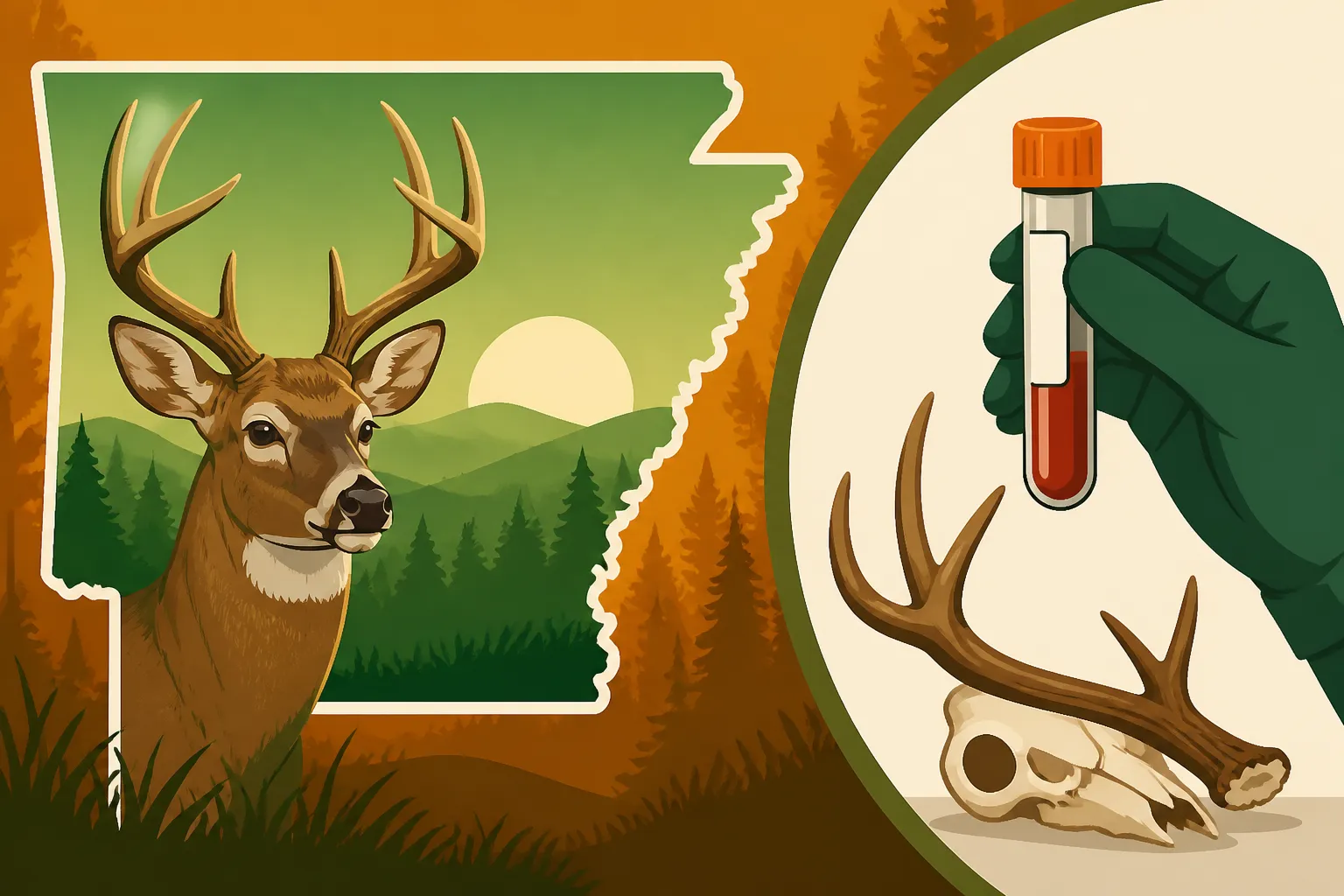
For hunters who can’t make it to a staffed check station or prefer to process their deer quickly, the AGFC provides instructions for self-sampling. This is a huge convenience, but it does require careful attention to detail to ensure a usable sample. The most common samples collected are the retropharyngeal lymph nodes, located in the neck near the jaw, or a portion of the obex, which is part of the brainstem. You'll need some basic tools: a sharp knife, gloves, and a clean, resealable plastic bag. The AGFC website provides detailed diagrams and even video tutorials to guide you through the process. It’s not a task for the faint of heart, but with a bit of patience, it’s certainly doable. Many hunters also find that resources from GoHunt can provide additional visual guides or tips for field dressing and sample collection, making the process smoother.
The key to a good sample is precision and hygiene. When collecting the lymph nodes, you're looking for two bean-shaped glands deep in the throat area, embedded in fat. For the obex, it involves opening the skull and carefully severing a small, distinct section of the brainstem at the base of the skull. Once collected, place the sample immediately into a clean, resealable plastic bag, clearly label it with your harvest information (date, county, WMA if applicable, and telecheck confirmation number), and keep it cool until you can drop it off. Remember, the accuracy of the test depends heavily on the quality of the sample. Taking your time and following the AGFC guidelines precisely will make all the difference, ensuring that your efforts aren't wasted and you get reliable results.
Utilizing AGFC Drop-Off Locations and Check Stations
After collecting your sample, the next step is getting it to the AGFC for analysis. The commission provides several convenient options for hunters to submit their CWD samples. During peak hunting seasons, especially the modern gun opener, the AGFC often operates temporary CWD check stations in high-harvest areas within or near CWD Management Zones. These stations are typically staffed by AGFC personnel who can collect your sample and answer any questions you might have. They’re usually well-marked and advertised on the AGFC website and social media channels. Bringing your telecheck confirmation number to these stations is essential, as it links your sample directly to your specific harvest.
In addition to temporary check stations, the AGFC also maintains a network of permanent CWD sample drop-off locations throughout the state. These are often at AGFC regional offices, wildlife management area (WMA) headquarters, or designated freezers at local businesses. These drop-off points usually consist of a freezer where you can deposit your properly bagged and labeled sample, along with a form to fill out with your harvest details. These locations are available for voluntary submissions throughout the season, offering flexibility for hunters. It's always a good idea to check the AGFC website or use a mapping tool like GoHunt to find the nearest and most current drop-off locations before your hunt. Make sure your sample is clearly labeled with your unique harvest ID or telecheck number. This system is also important when considering Carcass Transport Rules Out of Arkansas or even just within the state, as proper documentation and handling are paramount.
Submitting Your Sample and Awaiting Results
Once you've dropped off your sample, the waiting game begins. The AGFC labs process thousands of samples each season, so the turnaround time for results can vary depending on the volume of submissions. Generally, you can expect results to be available within 2-4 weeks, though sometimes it can be quicker or take a bit longer during peak periods. The AGFC typically provides an online portal where hunters can check the status of their submitted samples by entering their unique harvest or sample ID number. They may also notify you directly via email or phone, especially if a positive result is detected.
It's common for hunters to proceed with butchering their deer even before results are back, especially if they plan to Butchering a Deer at Camp or take it to a processor. If you choose to do this, it’s highly recommended to keep the meat from that specific deer separate from any other harvested game, and to follow safe processing guidelines, avoiding consumption of high-risk parts. If your deer tests positive for CWD, the AGFC will contact you directly with instructions and guidance. While it's disheartening to receive a positive result, it's important to remember that by testing, you've done your part to monitor the herd and protect your family. The AGFC also offers guidance on Arkansas Wildlife Disease Monitoring and how hunters contribute to these efforts.
Handling and Transporting Deer from CWD Zones
The rules around handling and transporting deer are critical when hunting in or near CWD Management Zones. These regulations are designed to prevent the further spread of the disease, and non-compliance can lead to serious penalties.
Rules for Moving Carcasses and Parts
One of the most important aspects of CWD management for hunters involves strict rules for transporting deer carcasses, especially when harvested from a CWD Management Zone. These regulations are in place to prevent the physical movement of prions from infected areas to uninfected areas. Generally, whole deer carcasses cannot be transported out of a CWD Management Zone. This means if you harvest a deer in a CWD-positive county, you must process it down to specific parts before leaving that zone. The allowable parts usually include deboned meat, antlers, cleaned skull plates with antlers attached, hides, and taxidermy-ready capes. The brain, spinal cord, lymph nodes, and spleen—all high-risk parts—must be left within the CWD zone.
These rules apply to both residents and non-residents, and it's imperative to understand them fully. You can find detailed maps and descriptions of Arkansas CWD Zones Explained on the AGFC website, which also outlines the specific transport restrictions for each zone. For non-residents, understanding Arkansas Deer Transport Rules is even more critical, as additional regulations may apply when crossing state lines, potentially including requirements for CWD testing even if it wasn't mandatory in Arkansas. Using tools like GoHunt can help visualize these zones and plan your hunting trips accordingly, ensuring you know where you can and cannot transport certain parts of your harvested deer. Always check the latest AGFC regulations before each hunt, as these rules are periodically updated based on the evolving CWD situation.
Safe Practices for Processing and Consumption
Beyond regulatory compliance, adopting safe practices for processing and consuming venison, particularly from deer harvested in CWD areas, is a smart move for any hunter. Even if you're awaiting test results, it's prudent to handle the meat with caution. The Centers for Disease Control and Prevention (CDC) and other public health organizations recommend not consuming meat from a CWD-positive animal. For this reason, if you do process your deer before receiving results, try to keep the meat from that specific deer separate from other game. When Field Dressing a Deer in Warm Weather, maintaining cleanliness is always a priority, but it's especially critical when CWD is a concern.
When processing, always wear gloves. Avoid cutting through the brain, spinal cord, lymph nodes, or spleen, as these are the tissues with the highest concentration of CWD prions. Use separate knives and cutting boards for these high-risk tissues, or thoroughly clean and disinfect them afterward. It’s a good practice to dispose of all high-risk parts properly, preferably by burying them deep or placing them in a designated landfill within the CWD zone, if available, rather than leaving them exposed where other animals could access them. While there's currently no scientific evidence that CWD can be transmitted to humans, health agencies advise against consuming meat from infected animals as a precautionary measure. By following these guidelines, you're prioritizing your health and contributing to responsible wildlife management.
Here's a quick reference table to help clarify CWD guidelines:
| Feature | CWD Management Zone | Non-CWD Zone |
|---|---|---|
| Mandatory Testing | May be required during specific seasons/dates (check AGFC) | Generally not required (but always check AGFC updates) |
| Voluntary Testing | Highly recommended for all harvested deer | Highly recommended for peace of mind and data |
| Carcass Transport | Deboned meat, cleaned skull, antlers, hide, cape only | Whole carcass transport generally allowed |
| High-Risk Parts | Must be left within the CWD Zone | Should be disposed of responsibly |
| Field Processing | Strongly encouraged before leaving the zone | Good practice for meat quality, optional for CWD |
| Consumption | Avoid if deer tests positive | Safe to consume, but testing for peace of mind is good |
Disclaimer
Please remember that hunting regulations, season dates, and CWD management protocols in Arkansas can change. Always consult the latest official Arkansas Game and Fish Commission (AGFC) regulations and proclamations before planning any hunting trip or engaging in hunting activities. This guide is intended for informational purposes only and should not be considered a substitute for official AGFC documentation.