When Arkansas Goose Seasons Run
For anyone who’s ever stared at the Arkansas Game and Fish Commission (AGFC) hunting guide, trying to decipher the often-complex layers of waterfowl seasons, you know the frustration. It feels like you need a law degree just to figure out when you can chase geese in our beautiful state! But don't you worry, because this guide is here to untangle all those dates, zones, and special regulations so you can spend less time scratching your head and more time looking skyward.
Understanding Arkansas's Goose Hunting Landscape
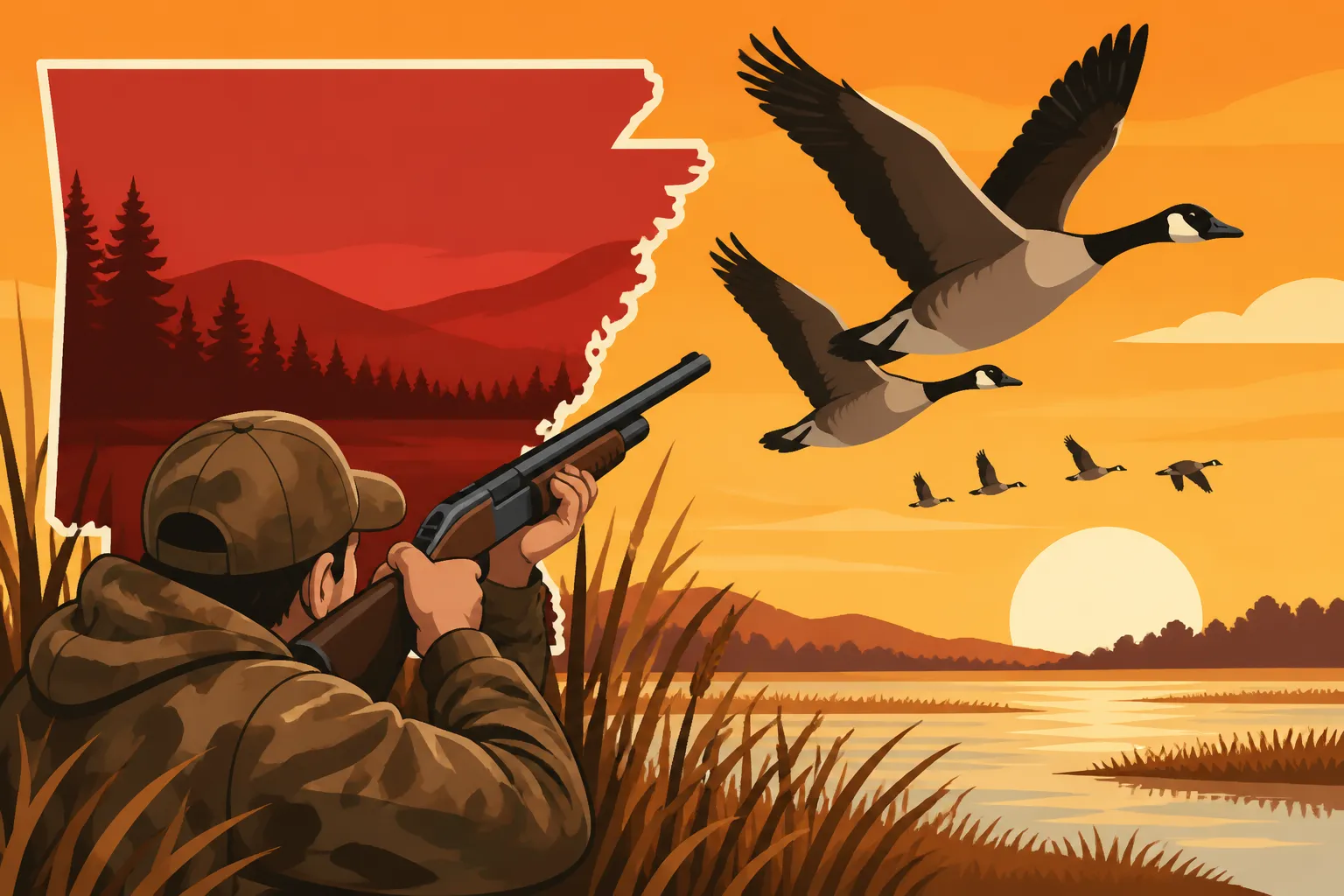
Arkansas isn't just a duck hunting paradise; it's also a prime destination for goose hunters, particularly those chasing the elusive specklebelly or the overwhelming numbers of snow geese. Our state sits smack in the middle of the Mississippi Flyway, a superhighway for migratory birds, which means we get incredible flights of geese passing through or wintering here. Knowing when these seasons run is the first step, but understanding why they run the way they do can make you a more successful hunter.
The Migratory Flyway Advantage
Arkansas's position on the Mississippi Flyway is the primary reason we have such a robust goose hunting tradition. As colder weather pushes south from the Canadian prairies and northern states, millions of geese follow river systems and agricultural fields right into the heart of the Delta. These birds are looking for food—often waste grain in harvested rice, corn, and soybean fields—and refuge. This consistent migration pattern dictates the timing of our seasons, as game managers work to align hunting opportunities with the peak abundance of these migratory visitors. It's a delicate balance, ensuring sustainable populations while providing ample opportunity for hunters.
Goose Species and Their Habits in Arkansas
While "goose" might sound like a simple term, Arkansas hosts several distinct species, each with its own season and preferred habitat. We're primarily talking about Canada geese, white-fronted geese (affectionately known as specklebellies or specks), and the light geese, which include snow geese and Ross's geese. Canada geese tend to be more widespread, often found in smaller family groups in various agricultural settings, even smaller ponds and reservoirs. Specklebellies are highly prized for their table fare and unique call, typically concentrating in large numbers in agricultural fields, especially rice and bean stubble. Snow and Ross's geese, often lumped together as "light geese," arrive in massive flocks that can literally darken the sky, primarily targeting wide-open fields for feeding. Understanding these subtle differences is key to successful hunting, and it’s why our regulations sometimes differentiate between them.
Regular Goose Seasons in Arkansas
The AGFC carefully structures goose seasons, often with splits and different dates for various species, to maximize hunting opportunity while respecting biological needs. Always remember that dates can shift slightly year to year, so always double-check the current AGFC regulations before planning your hunts. However, the general framework remains consistent.
Canada Goose Season Particulars
Canada geese are a familiar sight across much of North America, and Arkansas is no exception. Their season often starts earlier than some of the other goose species, sometimes coinciding with early teal season in September, and then runs through late October into January, usually with a mid-season split. For instance, in past years, you might have seen an early September season for resident Canada geese in certain zones, followed by a longer season from late October through mid-January, potentially with a short break. The daily bag limit for Canada geese is typically 5 birds, with a possession limit of three times the daily bag.
Hunting Canada geese often involves setting up large decoy spreads in agricultural fields, using layout blinds, or hunting from natural cover along pond edges or river bottoms. Their calls are distinctive, and good calling can be incredibly effective. While they might not be as numerous in the Delta as snow geese, you can find excellent opportunities throughout the state. Keep an eye on specific zones because some regulations might vary depending on whether you're hunting in the Delta, the Ozarks, or the Ouachita regions.
Specklebelly (White-fronted Goose) Season Details
Ah, the specklebelly! These geese are a favorite among many Arkansas waterfowlers for their challenging nature and delectable meat. The season for specklebellies usually runs concurrently with the state’s main duck season and other goose seasons, often kicking off in late October or early November and extending into January, usually with a split that mirrors the duck splits. For detailed insights, you might want to review the information on Arkansas Goose and Speck Seasons when planning your hunt.
The daily bag limit for specklebellies is typically 3 birds, with a possession limit of three times the daily bag. These geese tend to be very wary, making them a significant challenge for hunters. Large spreads of full-body decoys are common, often combined with white rags or silhouettes to mimic a feeding flock. Effective calling, especially with a specific white-fronted goose call, is crucial. Specklebellies primarily congregate in the vast agricultural fields of eastern Arkansas, particularly around the Grand Prairie and other parts of the Delta where rice and bean stubble provide ample food. You can often find them in the same fields as snow geese, but they tend to shy away from the massive chaos of a snow goose spread.
Snow Goose and Ross's Goose Regular Season
The regular season for snow geese and Ross's geese—often grouped as "light geese"—also typically opens in late October or early November and continues through January, often with the same splits as duck and specklebelly seasons. The daily bag limit during the regular season is usually 20 light geese, with no possession limit. This incredibly generous bag limit reflects the abundant population of these birds, which has grown to such a degree that it's causing habitat degradation in their Arctic breeding grounds.
Hunting light geese during the regular season is similar to specklebelly hunting but on a grander scale. Hunters often deploy spreads of hundreds, sometimes thousands, of decoys—a mix of full-bodies, silos, and "swooper" kites to simulate a massive feeding frenzy. Electronic calls are not allowed during the regular season, so good mouth calling is essential. For those interested in the sheer spectacle of huge flocks, this season offers an unforgettable experience, often in the same types of fields mentioned in Hunting Rice Fields and Levees. Remember, the sheer volume of birds doesn't make them easy; they are incredibly intelligent and quickly learn to avoid pressure.
The Light Goose Conservation Order
If you're truly looking to experience the overwhelming numbers of light geese, the Light Goose Conservation Order is where the real action happens in Arkansas. This special framework is designed to help control the spiraling population of snow, blue, and Ross's geese, which have exceeded healthy levels and are damaging critical Arctic breeding habitats. It's a unique opportunity that offers extended seasons and relaxed regulations not found in regular waterfowl hunting.
What is the Conservation Order?
The Light Goose Conservation Order (LGCO) is an additional hunting period specifically for snow, blue, and Ross's geese. It's not a regular hunting season in the traditional sense, but rather a management tool implemented by the U.S. Fish and Wildlife Service and adopted by states like Arkansas. The primary goal is population control, which is why hunters are given extra incentives and fewer restrictions. During the LGCO, hunters are allowed to use methods that are prohibited during regular seasons, creating an entirely different hunting experience. This extended season provides critical harvest pressure on a booming population.
Extended Season Dates and Methods
The LGCO typically kicks in immediately after the close of the regular duck and goose seasons, often starting in late January and running through late March or even into early April. This gives hunters a solid two to three months of continuous goose hunting after most other waterfowl seasons have closed. For specific dates, always check the Light Goose Conservation Order Dates published by the AGFC each year.
The methods allowed during the LGCO are what truly set it apart:
- No Daily Bag Limit or Possession Limit: You can harvest as many light geese as you can. Seriously, there's no limit.
- Electronic Calls Allowed: Hunters can use recorded or electronic calls to lure in geese, which is a massive advantage when trying to attract large, wary flocks.
- Unplugged Shotguns: The federal plug requirement (limiting shotguns to three shells) is lifted, allowing hunters to use shotguns capable of holding more than three shells.
- Extended Shooting Hours: Shooting hours are extended from 30 minutes before sunrise until 30 minutes after sunset. This provides more time in the field, especially crucial for morning and evening flights.
These relaxed regulations mean hunters can set up massive spreads of decoys, often hundreds or thousands of white rags, socks, or full-bodies, combined with electronic calls broadcasting the cacophony of a goose flock. This creates an irresistible magnet for passing birds. You'll want to check out Snow Goose Tactics in the Delta for more in-depth strategies specific to this time of year.
Navigating the Rules and Permits
While the LGCO offers liberal rules, you still need the proper licensing. This typically includes a valid Arkansas hunting license, a Federal Duck Stamp (unless exempt), and an Arkansas Waterfowl Stamp. You'll also need to be HIP (Harvest Information Program) registered for migratory birds, which is usually a quick online process. Many hunters use tools like GoHunt to keep track of their license requirements and find public land boundaries. It’s always smart to have your documents readily accessible.
The liberal nature of the LGCO doesn't mean it's easy. These geese are pressured throughout their migration, and while the sheer numbers can be astounding, they remain highly intelligent. Success often comes down to scouting, proper hide concealment, and adapting to changing conditions. This is where meticulous planning and understanding goose behavior, even using mapping tools like GoHunt to scout potential feeding areas, can make a huge difference.
Essential Gear, Licenses, and Regulations
Successfully hunting geese in Arkansas requires more than just knowing the dates; it demands the right preparation, equipment, and adherence to all regulations. Don't let a technicality ruin your hunt!
Licensing and Permits
Before you even think about stepping into a goose field, you need to make sure your paperwork is in order. For any migratory bird hunting in Arkansas, you'll generally need:
- An Arkansas Resident or Nonresident Hunting License: The type depends on your residency. Specifics on Arkansas Nonresident License Options or Arkansas Resident License Options can be found through the AGFC.
- Arkansas Waterfowl Stamp: This state stamp is required for all waterfowl hunters, including those targeting geese. You can find more details on Arkansas Waterfowl Stamp Requirements.
- Federal Migratory Bird Hunting and Conservation Stamp (Federal Duck Stamp): Required for all waterfowl hunters aged 16 or older.
- Harvest Information Program (HIP) Registration: You must register annually for HIP. It’s free and helps wildlife agencies track harvest data. Detailed information is available under Arkansas HIP Registration for Migratory Birds.
All these can usually be purchased online through the AGFC website or a licensed vendor. Tools like GoHunt can help you manage your licenses and ensure you're compliant.
Decoys, Calls, and Blinds
Your gear setup will largely depend on the goose species you're targeting and the season you're hunting.
- Decoys:
- Canada Geese: A spread of 2-3 dozen full-body or shell decoys is often sufficient for Canada geese.
- Specklebellies: Full-body speck decoys are highly effective, often used in spreads of 5-10 dozen, sometimes mixed with a few dozen duck decoys if hunting near water.
- Light Geese (Snow/Ross's): For the LGCO, think big. Spreads of 500-1,000+ white rags, socks, silhouettes, or full-bodies are common. Rotary machines (spinners) and flyers can also add motion to the spread, especially when considering Setting Decoys in Timber Holes or field edges where movement can draw attention.
- Calls:
- Canada Geese: Short-reed Canada goose calls are popular.
- Specklebellies: A good speck call, distinct from a Canada call, is essential.
- Light Geese: During the regular season, mouth calls mimic the high-pitched "hoo-hoo" chatter. During the LGCO, electronic calls are game-changers, broadcasting continuous squawks and clucks.
- Blinds:
- Layout blinds: Indispensable for field hunting, especially for light geese and specklebellies, allowing hunters to remain concealed in flat fields.
- Panel blinds/A-frame blinds: Can be effective along field edges or ditches, brushed in with natural vegetation.
- Natural cover: Often the simplest and most effective, using tree lines, brush piles, or ditches. This is especially true when still-hunting or trying to minimize gear. For advice on building effective hides, you might look into Brushing In a Blind on a Levee.
Zone Information and Checking Regulations
Arkansas is divided into various hunting zones, and while goose seasons are often statewide, it's always wise to confirm if any specific zonal restrictions apply to your target area. Most of the prime goose hunting for specks and snows occurs in the Mississippi Alluvial Plain, often called the Delta.
All harvested geese must be checked through the AGFC’s online or telecheck system. This is a critical step in wildlife management, allowing the AGFC to gather vital data on harvest numbers. You’ll typically need your license number and the date and county of harvest. There's usually a deadline for checking game, so don't delay. Also, be mindful of Arkansas Deer Transport Rules and similar regulations for waterfowl; while whole birds can generally be transported, specific rules apply to breasted-out birds, ensuring one wing or the head remains attached for species identification until you reach your final destination.
Here’s a quick overview of typical Arkansas goose season characteristics:
| Goose Species | Typical Season Dates (Approximate) | Daily Bag Limit (Regular Season) | Daily Bag Limit (LGCO) | Legal Methods (LGCO) |
|---|---|---|---|---|
| Canada Goose | Early Sept (resident), Late Oct – Jan (main season with splits) | 5 | N/A | N/A |
| Specklebelly | Late Oct – Jan (main season with splits) | 3 | N/A | N/A |
| Snow/Ross's Goose | Late Oct – Jan (main season with splits) | 20 | No Limit | Electronic Calls, Unplugged Shotgun |
| LGCO (Snow/Ross's) | Late Jan – March/April (after regular seasons close) | No Limit | No Limit | Electronic Calls, Unplugged Shotgun |
Note: All dates and limits are subject to change annually. Always consult the current AGFC regulations before hunting.
Disclaimer
The information provided in this guide is for general informational purposes only and is not legal advice. Hunting regulations are subject to change, and it is the hunter's responsibility to review and comply with all current Arkansas Game and Fish Commission (AGFC) rules and federal migratory bird regulations before engaging in any hunting activities. Always prioritize safety and ethical hunting practices.