When Arkansas Muzzleloader Hunting Is Legal
Trying to make sense of Arkansas's deer hunting regulations, especially when it comes to specialized seasons like muzzleloader, can feel like you're untangling a giant ball of yarn. It’s not just about knowing that there's a muzzleloader season, but when exactly it opens and closes, what zones it applies to, and what specific rules come along with it. This guide is here to cut through that confusion, giving you a clear, comprehensive breakdown of when you can legally enjoy muzzleloader hunting in the Natural State, so you can plan your hunts with confidence.
The General Muzzleloader Season Dates
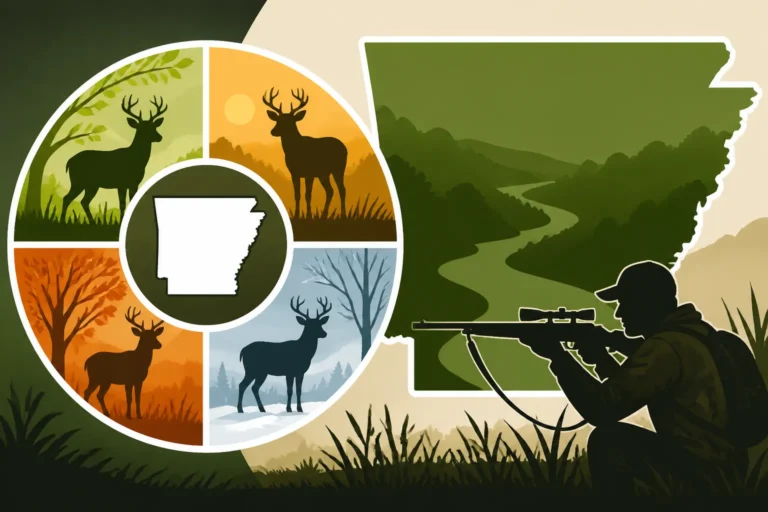
Arkansas offers specific opportunities for muzzleloader hunters, often acting as a fantastic bridge between the early archery season and the more popular modern gun hunts. These seasons are generally designed to provide additional time in the field before the full gun season opens, and sometimes even after, allowing hunters to experience different parts of the fall and early winter.
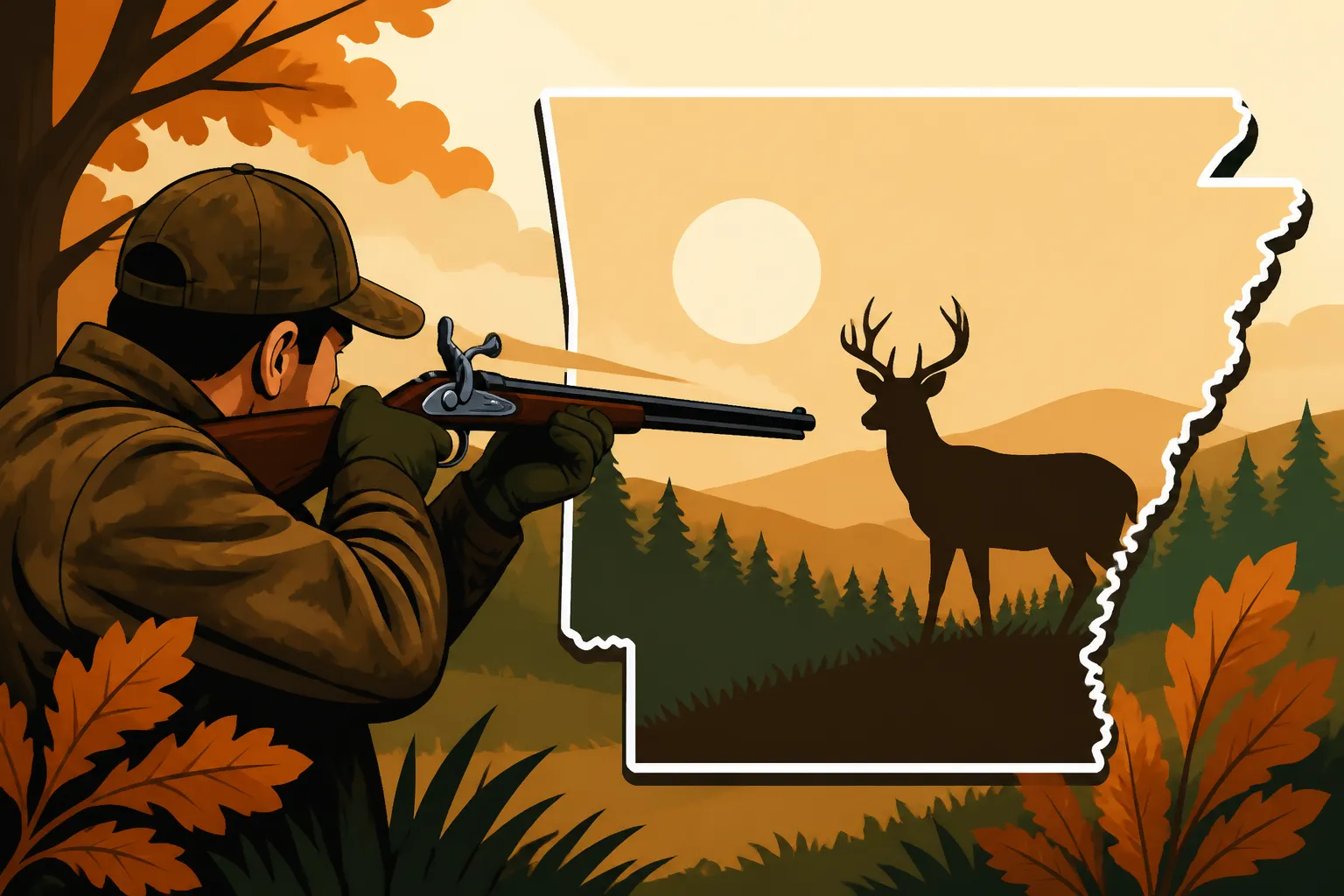
Typically, the statewide muzzleloader season for deer in Arkansas runs for a period in late October. This timing is usually set to coincide with cooler weather and potentially the beginning of increased deer activity as the rut approaches, but before the high pressure of the modern gun opener. It's a prime time to be in the woods, with the leaves often changing, offering a beautiful backdrop to your hunt. This early period gives traditional muzzleloader enthusiasts a dedicated window to pursue deer with their preferred firearm, experiencing the challenge and satisfaction that comes with these historic arms. It's really distinct from the hustle and bustle of the Modern Gun Opening Weekend on Arkansas Public Land, offering a different pace.
Beyond this main October window, there are often additional "alternative firearms" dates that may allow muzzleloaders. These can sometimes pop up later in the season, such as during the Christmas Modern Gun Dates, or in specific zones where managers are looking to increase harvest opportunities. It's crucial to always check the most current Arkansas Game and Fish Commission (AGFC) hunting guide each year, as exact dates can shift slightly. You don't want to show up on your favorite public land, like a WMA in the Ozark National Forest, only to find you've misread the calendar. Many seasoned hunters use tools like GoHunt to keep a close eye on these changing regulations and specific season dates.
Understanding Arkansas Deer Zone Specifics
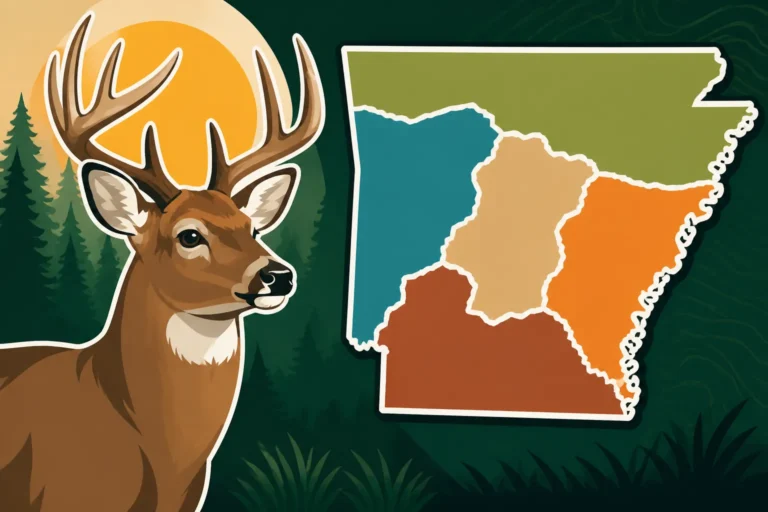
Arkansas is divided into various deer hunting zones, and understanding which zone you're in is absolutely critical, as season dates and bag limits can differ significantly. What's legal in one zone might not be in another, and this holds true for muzzleloader seasons as well. The AGFC created these zones to manage deer populations effectively based on habitat, population density, and hunter pressure across the state. For a detailed look at the boundaries and rationale, check out our guide on Arkansas Deer Zones Explained.
Why Zones Matter for Muzzleloaders
The primary muzzleloader season often applies statewide, but there are nuances. Some zones might have extended alternative firearms opportunities that specifically include muzzleloaders, or special regulations that impact when and where you can use them. For example, some CWD management zones might have different rules for season lengths or types of firearms allowed to help manage the disease. It’s not just about a simple map; it’s about understanding the specific management goals for the deer herd in that particular region. Imagine planning a trip to hunt a specific area, perhaps an Ouachita National Forest Hunting area, only to realize the muzzleloader dates you planned for don't align with that particular zone's schedule. It's a frustrating but common mistake if you don't double-check.
Finding Your Zone and What It Means
Before you even think about loading your muzzleloader, you need to identify the exact deer zone where you plan to hunt. The AGFC website and their annual hunting guide provide detailed maps. Many hunters also rely on mapping apps like GoHunt, which overlay zone boundaries directly onto property maps, making it incredibly easy to see if your hunting spot falls into Zone 1, Zone 2, or one of the many other specific zones. These apps can be a lifesaver, especially if you're hunting near a zone border or on public land where boundaries aren't always clearly marked on the ground. Once you know your zone, you can then cross-reference it with the official AGFC regulations for "Alternative Firearms Seasons" which is where muzzleloader dates are often listed. This step is non-negotiable for a legal and successful hunt.
Legal Muzzleloader Definition and Ammunition
Just because it's called "muzzleloader season" doesn't mean any muzzleloader is legal in Arkansas. The AGFC has specific definitions and requirements for what constitutes a legal muzzleloader for deer hunting. These regulations are in place to ensure fair chase, safety, and consistent hunting practices. It's not about stifling innovation, but maintaining the integrity of the season.
What Counts as an Alternative Firearm
In Arkansas, a legal muzzleloader for deer hunting generally refers to a firearm that is loaded from the muzzle. This can include traditional flintlock or percussion cap rifles, as well as modern inline muzzleloaders. However, there are typically restrictions on minimum bore diameter. For instance, typically a .40 caliber or larger is required for deer. Beyond the caliber, pay close attention to projectile types. While some modern muzzleloaders can use sabots and pointed bullets, ensure that any specific projectile restrictions are met. For example, some areas or seasons might restrict the use of certain types of bullets or require soft-nosed or expanding projectiles. Electronic ignition muzzleloaders are generally permitted, but always verify this with the current regulations, as rules can sometimes be updated. It’s all part of making sure what you're using aligns with what the AGFC considers appropriate for the game. For a full rundown on what weapons are legal, our guide on Legal Firearms for Arkansas Deer offers more insights.
Ammunition Considerations
When it comes to ammunition, or rather, projectiles and powder for muzzleloaders, there are also rules to heed. Black powder or approved black powder substitutes (like Pyrodex or Triple Seven) are the standard. Smokeless powder is not allowed in muzzleloaders during Arkansas deer seasons, even if your muzzleloader is rated for it. This is a crucial distinction that many new muzzleloader hunters overlook, and it's a rule that ensures the spirit of traditional muzzleloading is maintained. As for projectiles, while saboted bullets are very popular for their accuracy and ballistic performance, the main thing is that they must be loaded from the muzzle and meet any minimum caliber requirements. Remember, modern gun projectiles are usually a no-go in muzzleloaders during these special seasons. Double-checking these details will prevent any unfortunate run-ins with game wardens, ensuring your hunt stays legal and enjoyable.
Essential Licenses, Permits, and Tagging for Muzzleloader Hunts
Securing the right licenses and stamps is the absolute first step for any hunting trip in Arkansas, and muzzleloader season is no exception. It doesn't matter how well you know the dates or your gear if your paperwork isn't in order. This section will walk you through what you'll need to carry legally and what to do once you've successfully harvested an animal.
Required Hunting Licenses and Stamps
To hunt deer with a muzzleloader in Arkansas, you'll generally need a valid resident or nonresident hunting license. For residents, options typically include an annual Sportsman's License or a simple "Resident Hunting License." Nonresidents have several choices, such as a "Nonresident Annual All Game Hunting License" or a shorter-term option like the "Nonresident Three-Day Deer License," which can be perfect for a quick trip. If you're hunting migratory birds as well, you'll need additional stamps, but for deer only, it's usually just the basic hunting license.
Many licenses now include deer tags directly, or they are issued electronically. It's vital to ensure you have the correct privileges for deer hunting, as some basic licenses might not cover it without an additional permit. Before hitting the woods, make sure your license is current and covers the species you intend to hunt. The AGFC website is the best place to purchase these, and you can even keep a digital copy on your phone. For specific pricing and options, our article on Arkansas Resident License Options or Arkansas Nonresident License Options can provide more detailed information. It's a small administrative step that makes all the difference for a stress-free hunt.
Tagging and Reporting Your Harvest
Once you've successfully harvested a deer with your muzzleloader, your responsibility isn't over. Arkansas has strict regulations for tagging and reporting your kill, which are crucial for wildlife management and disease monitoring. Immediately after harvesting, you must complete and attach a deer tag to the animal, typically around the leg or antlers. This tag must contain specific information, such as the date of harvest, your license number, and the deer zone.
Following the tagging, you are required to report your harvest to the AGFC. This can typically be done through their online harvest reporting system, via a mobile app, or by phone. The reporting window is usually quite short, often by midnight on the day of harvest. This data is invaluable to the AGFC for monitoring deer populations, understanding harvest trends, and making informed decisions about future season structures. For more specific details on this process, including deadlines and how to use the app, refer to our comprehensive guide on Arkansas Deer Checking and Tagging. Missing this step, even accidentally, can result in significant penalties, so make it a part of your post-harvest routine.
| Deer Season Type | Typical Muzzleloader Opening | Typical Muzzleloader Closing | Key Considerations |
|---|---|---|---|
| General Muzzleloader | Late October | Early November | Statewide opportunity, often bridging Archery and Modern Gun seasons. Specific dates vary by year. Check current AGFC regulations. |
| Alternative Firearms | Varies by zone/year | Varies by zone/year | Muzzleloaders are included under "Alternative Firearms." These seasons can pop up throughout November and December in certain zones to provide additional harvest opportunities. Always consult zone-specific regulations. |
| Youth Modern Gun/Muzzle | Early November | Early January | Youth hunters (ages 6-15) often have earlier or extended opportunities where muzzleloaders are permitted. This is a fantastic chance to introduce young hunters to ethical hunting. Always check youth season dates. |
| WMA Special Hunts | Varies by WMA | Varies by WMA | Many Wildlife Management Areas (WMAs) have special permit-only hunts or specific regulations that might include or exclude muzzleloaders. Applying for an Arkansas WMA Duck Hunt Draw or other WMA permits is a separate process. Always consult WMA-specific rules before hunting, which can be found using tools like GoHunt. |
Note: All dates are approximate and can change annually. Always consult the current Arkansas Game and Fish Commission (AGFC) Hunting Guide for precise and up-to-date information.
Muzzleloader Tactics for Arkansas Terrain
Muzzleloader season in Arkansas often coincides with a beautiful time of year in the woods. The leaves are typically changing or have already fallen, making visibility a bit better in some areas, but also meaning deer might be more wary. Adapting your hunting tactics to both the season and the specific terrain you're in will greatly increase your chances of success.
Hunting the Ozark and Ouachita Mountains
If you're heading to the Ozark or Ouachita mountains during muzzleloader season, you're in for a treat, but also a challenge. The terrain is rugged, with steep ridges, hollows, and dense timber. Deer in these areas tend to travel along benches, saddles, and creek bottoms. During the muzzleloader season, which often falls before the peak rut, deer might still be in their fall feeding patterns, hitting acorn flats or browsing on greenbriar. Focusing on pinch points where deer are funneled between thickets or along ridge lines can be incredibly effective.
Still-hunting through the timber, moving slowly and deliberately, pausing to glass ahead, is a classic and productive muzzleloader tactic in this environment. The single-shot nature of a muzzleloader means you need to make that first shot count, which pairs well with the patient approach of still-hunting. Pay close attention to wind and thermals in Ouachita Hollows, as these can drastically affect deer movement and your scent dispersion. Scouting Arkansas Public Land Before Season is invaluable here, identifying potential bedding areas, travel corridors, and food sources before opening day.
Navigating the Delta and River Bottoms
Hunting the flatlands of the Arkansas Delta and river bottoms with a muzzleloader presents a very different set of challenges and opportunities. Here, you'll find expansive agricultural fields, flooded timber, and dense river cane thickets. Deer often stage in the thick cover bordering fields of corn, soybeans, or winter wheat, moving out to feed primarily during low-light hours.
Setting up on a Pine Plantation Edge or on the edge of a standing crop field can be a prime muzzleloader strategy. Because shots can be longer in these open areas, knowing the ballistics of your muzzleloader and practicing at various distances is crucial. Many hunters utilize ground blinds or elevated box blinds to provide concealment and a stable shooting platform. During these cooler fall days, deer in the Delta might be more apt to move during the day, especially if pressured by early archery hunters. Focus on natural funnels, such as tree lines between fields, drainages, or sloughs that deer use to travel unnoticed. The rich food sources here can hold a lot of deer, offering a fantastic muzzleloader experience if you play your cards right.
Conclusion
Navigating the nuances of Arkansas's muzzleloader hunting seasons doesn't have to be a bewildering experience. By understanding the general season dates, the critical role of deer zones, and the specific regulations regarding your firearm and reporting, you can confidently plan and execute a successful hunt. Remember, the AGFC hunting guide is your ultimate source for the most up-to-date and precise information each year. Stay safe, be ethical, and enjoy the unique challenge and reward that muzzleloader hunting in the beautiful state of Arkansas offers.
Disclaimer
The information provided in this guide is for general informational purposes only and is subject to change. Hunting regulations, season dates, and license requirements are set by the Arkansas Game and Fish Commission (AGFC) and can be modified annually. Hunters are solely responsible for consulting the most current official AGFC hunting guide and regulations before engaging in any hunting activity. Failure to comply with all state and federal hunting laws can result in penalties.