Arkansas Youth Modern Gun Dates
Navigating the myriad of hunting seasons and regulations can feel like a real challenge, especially when you're trying to introduce a young hunter to the outdoors. It's frustrating to sort through all the details, fearing you might miss a crucial date or rule that could spoil the experience. This comprehensive guide is designed to cut through that confusion, giving you a clear picture of the Arkansas Youth Modern Gun Deer Dates, ensuring your upcoming hunt with a young person is safe, compliant, and truly memorable.
The Heart of Youth Hunting: Arkansas Youth Modern Gun Season Explained
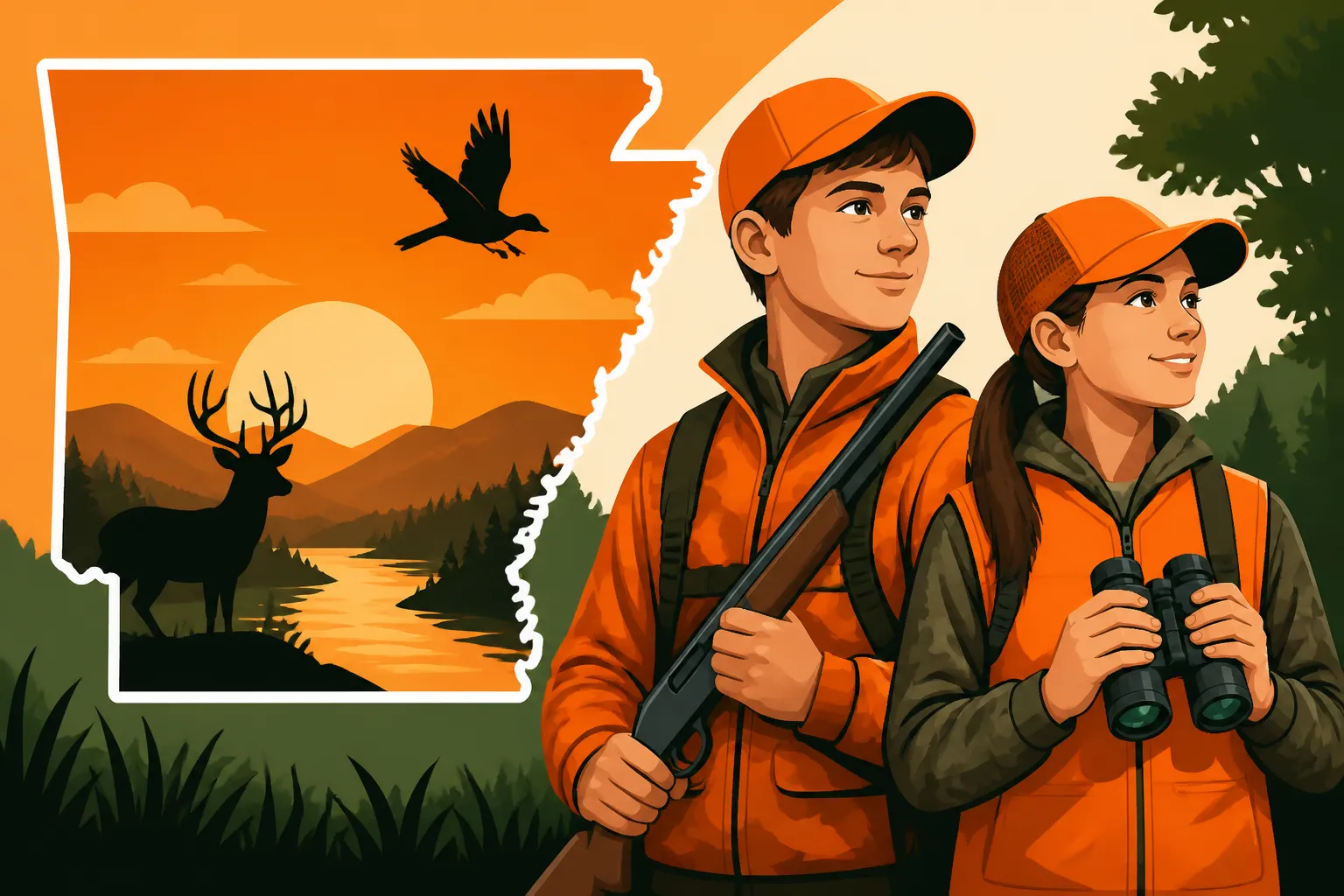
For many of us, the opening day of deer season brings a mix of excitement and anticipation, but when you're taking a young person afield, it’s a whole different level of responsibility and joy. The Arkansas Game and Fish Commission (AGFC) understands this, which is why they carve out special opportunities like the Youth Modern Gun Deer Season. It’s a dedicated time designed to put youth hunters first, allowing them to experience the thrill of the hunt in a more controlled, often less pressured environment.
What Makes Youth Hunts Special
It's easy to get bogged down in the minutiae of hunting regulations, but the core purpose of Arkansas's youth hunts shines through: to foster a love for the outdoors and ethical hunting practices in the next generation. These seasons are intentionally set before or between general seasons, meaning fewer adult hunters in the woods and often more relaxed deer behavior. This reduced pressure is invaluable for a young hunter who is still learning to stay quiet, observe, and manage their excitement. It creates a calmer atmosphere where the focus can truly be on the experience of being in nature, learning about wildlife, and understanding conservation.
Imagine taking your child or grandchild out during a bustling regular season; the woods can be full of activity, which might be overwhelming for a beginner. The youth hunt mitigates this, providing a gentler entry point into the hunting world. It’s about building confidence, teaching patience, and sharing moments that go far beyond just pulling a trigger. These early experiences lay the groundwork for a lifelong passion, instilling values of respect for wildlife and the land, which are foundational to responsible hunting.
Official Dates and How to Confirm Them Annually
Arkansas's Youth Modern Gun Deer Season typically takes place on a specific weekend in early November, often immediately preceding the statewide modern gun season. For instance, in recent years, you could expect the season to open around the first weekend of November, offering two full days of hunting exclusively for youth. It's crucial to understand that while this timing is consistent, the exact dates can shift slightly from year to year. The AGFC publishes its annual hunting regulations booklet and posts updates on its website well in advance, so always double-check the most current information before planning your trip.
I can't stress this enough: always verify the current year's dates directly with the Arkansas Game and Fish Commission. You don't want to show up in the woods only to realize you're a week early or late! Their official website is the go-to resource, or you can pick up a physical copy of the hunting guide. Tools like GoHunt can also be invaluable for keeping track of these season dates and any last-minute changes, giving you peace of mind that you're operating within the legal framework. Most often, the youth modern gun deer season applies statewide across all deer zones, offering consistent opportunities no matter which part of Arkansas you plan to hunt. This uniform approach simplifies planning, allowing families from the Ozarks to the Delta to participate on the same designated weekend.
Essential Requirements for Young Hunters and Mentors
Preparing for a youth hunt involves more than just knowing the dates; it requires a clear understanding of who can hunt, who needs to be present, and what documentation is necessary. These rules are in place to ensure the safety and ethical conduct of all participants, especially when involving minors. Overlooking any of these requirements can lead to unnecessary stress or even legal complications, so let’s make sure you're fully informed.
Age, Licensing, and Supervision Rules
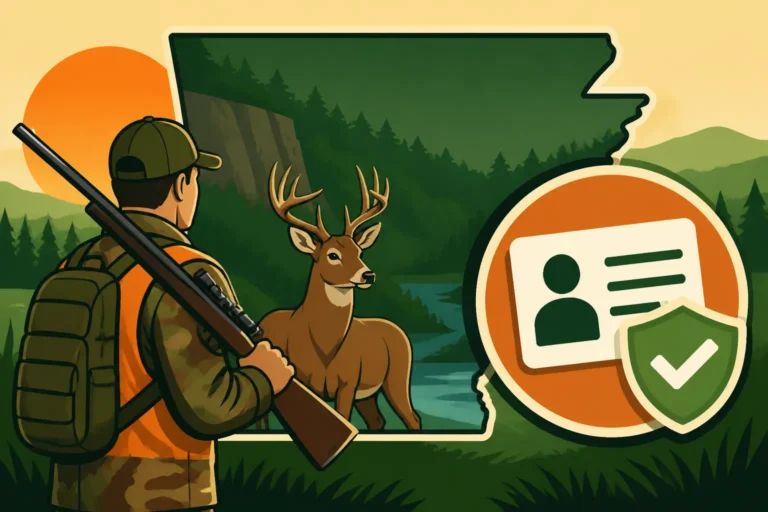
In Arkansas, the Youth Modern Gun Deer Season is generally open to hunters between the ages of 6 and 15. The most critical component of these hunts is the mandatory direct supervision by an adult. This isn't just about having an adult nearby; the supervising adult must be at least 18 years old and possess a valid Arkansas hunting license (unless exempt, like a resident landowner hunting on their own property). They must also be in a position to take immediate control of the firearm. This level of supervision ensures that an experienced, licensed individual is constantly overseeing the young hunter, guiding them through every step of the hunt, from safely handling the firearm to making ethical decisions in the field.
It’s worth noting that the youth themselves, if they are under 16, typically don't need to purchase a general hunting license or deer tags for the youth hunt, provided they are accompanied by a properly licensed adult. However, many parents opt for a Youth Sportsman's License, which covers various hunting and fishing activities and can simplify things for multiple seasons. It's always a good idea to check the specific requirements for Arkansas Youth License Prices to ensure you have the correct permits for both the youth and the supervising adult. The adult's role is paramount, serving as a mentor, teacher, and safety officer rolled into one, guiding the youth through the entire hunting process.
Hunter Education and Safety Fundamentals
While supervision is key, hunter education also plays a vital role. For youth hunters aged 6-15, Arkansas offers a "deferred" hunter education option, meaning they can hunt without having completed the hunter education course, as long as they are directly supervised by a licensed hunter who is 18 years or older. This allows younger participants to gain hands-on experience before formally completing the course. However, once a hunter turns 16, they must have successfully completed an approved hunter education course to hunt independently. The supervising adult should ideally have completed hunter education themselves, reinforcing good practices.
Safety, above all else, is the golden rule. During modern gun season, regardless of age, everyone in the hunting party is required to wear hunter orange. This typically means at least 400 square inches of hunter orange above the waist, including a head covering, visible from 360 degrees. This requirement significantly increases visibility and reduces the risk of accidents. Beyond wearing orange, fundamental safety rules like always pointing the muzzle in a safe direction, treating every firearm as if it's loaded, keeping your finger off the trigger until ready to shoot, and being absolutely sure of your target and what's beyond it are non-negotiable. It's the supervising adult's responsibility to constantly reinforce these tenets, turning every moment into a teachable one. For a deeper dive into these critical guidelines, review the Arkansas Hunter Education and Safety Rules.
Strategies and Preparation for a Successful Youth Hunt
A successful youth hunt isn't just about harvesting an animal; it's about the entire journey – the planning, the preparation, the anticipation, and the shared experience in the woods. By thinking through the details beforehand, you can create an environment that maximizes safety, comfort, and learning for your young hunter, making memories that will last a lifetime.
Choosing the Right Gear and Firearm
Selecting the appropriate firearm for a young hunter is perhaps one of the most critical decisions. You want something with manageable recoil, good accuracy, and proper fit. A common mistake is to hand a youth a full-sized, heavy-recoiling rifle that is uncomfortable or intimidating to shoot. Many manufacturers now offer youth models with shorter stocks and lighter designs, or you can opt for calibers known for lighter recoil, such as a .243 Winchester, 6.5 Creedmoor, or even a .30-30. If recoil is still an issue, consider using reduced-recoil ammunition or a muzzle brake. The key is that the young hunter can comfortably and confidently handle the rifle, both in terms of carrying it and accurately shooting it.
Beyond the rifle, proper optics are important. A quality scope set at a lower magnification can make target acquisition easier. Don't forget other essential gear: comfortable, layered clothing suitable for Arkansas's unpredictable early November weather, good waterproof boots, plenty of water and snacks, and a well-stocked first-aid kit. Eye and ear protection are non-negotiable, not just at the range, but also in the field during the shot. Taking the time to ensure the young hunter is properly equipped for comfort and safety is paramount. You can explore a broader discussion on Legal Firearms for Arkansas Deer to help make the best choice.
Scouting Smart and Selecting Locations
Pre-season scouting is absolutely essential, even more so for a youth hunt. You're looking for areas that not only hold deer but also offer safe, accessible hunting opportunities. Look for active food sources like acorn flats, persimmon trees, or agricultural fields bordering timber. Identify bedding areas and the travel corridors deer use between them. Using digital mapping tools like GoHunt, or the AGFC map tool, can be incredibly helpful for identifying potential hunting spots, marking trails, and understanding property boundaries. These tools allow you to study topography, locate natural funnels, and pinpoint food sources from the comfort of your home, saving valuable time in the field.
When it comes to selecting a hunting location, ease of access and safety should be top priorities. A short, quiet walk to a ground blind or a well-placed, secure treestand often works best for youth. Ground blinds can be fantastic for keeping young hunters warm, dry, and less prone to fidgeting, offering concealment that allows for more movement. If using a treestand, ensure it is properly installed and that the youth is wearing a full-body harness, secured from the moment they leave the ground until they return. Identifying low-pressure areas, especially on public land, can significantly increase your chances. For more detailed advice on finding these spots, check out our guide on Scouting Arkansas Public Land Before Season or even Using the AGFC Map Tool. Remember, the goal is a positive experience, so choosing a spot that feels comfortable and safe for the young hunter is critical. Many Arkansas WMAs also have excellent opportunities for youth hunts, but scouting ahead for signs and access is always a good idea.
Creating a Positive Mentoring Experience
Let's be honest, hunting with kids isn't always about filling a tag. It's about instilling a love for the outdoors, teaching patience, and sharing meaningful moments. Managing expectations is key. Remind them that seeing deer is a bonus, and just being out in nature, observing, and learning is the real reward. Bring a book about deer, binoculars, or even a small notebook for them to draw what they see. Keep snacks and drinks handy, and allow for breaks if attention starts to wane. A cold, hungry, or bored child will quickly lose interest.
Use every aspect of the hunt as a teaching moment. Talk about deer behavior, tracks, rubs, and scrapes. Explain why you're sitting where you are, why wind direction is important, and how to identify different trees. If a shot opportunity arises, calmly guide them through the process, emphasizing ethical shot placement and responsible follow-up. After a successful harvest, involve them in the field dressing, explaining the biology and the importance of respecting the animal. These are the moments that truly create lasting memories and build the foundation for future hunting adventures, fostering a deep connection to the tradition, much like the cherished Arkansas Deer Camp Traditions many of us grew up with.
After the Harvest: Checking, CWD, and Regulations
Successfully harvesting a deer with a young hunter is an incredible achievement and a moment of immense pride. However, the hunt doesn't end when the shot is fired. There are crucial post-harvest steps that must be followed to comply with Arkansas regulations, contribute to wildlife management, and ensure the meat is properly handled.
Official Deer Checking and Tagging
Immediately after harvesting a deer during the Arkansas Youth Modern Gun season, the animal must be tagged with a game tag from the hunter's license or a legible paper tag containing the hunter's name, address, hunting license number (if applicable), date of kill, and the county of kill. This tag must remain attached to the deer until it reaches its final destination or is processed for consumption. This immediate tagging is a critical first step in ensuring legal compliance and proper identification of the harvested animal.
Following tagging, the deer must be officially checked within 12 hours of harvest. The Arkansas Game and Fish Commission provides several convenient methods for this, including online through their website, via their official mobile app, or by calling a toll-free number. When checking your deer, you'll need to provide details such as the harvest county, weapon used, and the sex of the deer. This data is vital for wildlife biologists who use it to monitor deer populations, track harvest trends, and make informed management decisions for future seasons. Always ensure you complete this step accurately and promptly. For more detailed instructions on this process, refer to Arkansas Deer Checking and Tagging.
Understanding Bag Limits and Antler Rules
The bag limits for the Arkansas Youth Modern Gun Deer Season are often more liberal than the regular statewide modern gun season, giving youth hunters a greater opportunity for success. Typically, during the youth hunt, a young hunter is allowed to harvest one deer, either antlered or antlerless, and this deer will count towards their overall statewide bag limit for the year. This means the strict "three-point rule" or other specific antler restrictions that might apply in certain zones for adult hunters are usually waived for youth during this dedicated weekend, allowing them to take the first legal deer they encounter, whether it's a spike or a mature buck, or even a doe.
However, as with all regulations, it is absolutely essential to consult the most current AGFC regulations booklet for the precise bag limits and any zone-specific nuances for the current year. While youth hunts are generally more lenient, verifying these details ensures compliance. Understanding How Many Deer You Can Take in Arkansas in total is important, as this youth harvest will count towards that overall season limit. Remember, even if the three-point rule is waived, teaching youth about deer age, antler development, and management principles is still an important part of the mentoring process, regardless of what they ultimately harvest. The flexibility often found in youth regulations aims to make the experience more accessible and less complicated, focusing on participation rather than strict trophy management. For a broader understanding of how specific rules can impact harvest, you can look into The Three-Point Rule and What It Changes.
Navigating Chronic Wasting Disease CWD Zones
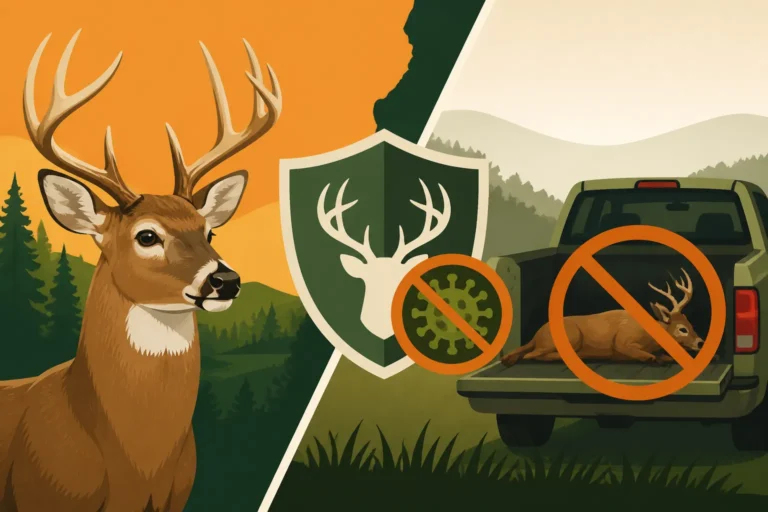
Chronic Wasting Disease (CWD) is a serious neurological disease that affects deer, elk, and moose, and it has been detected in certain areas of Arkansas. The AGFC has established CWD Management Zones (CMZs) to monitor and mitigate the spread of the disease. If your youth hunt takes place within one of these CMZs, there are additional regulations that you must be aware of, especially regarding the transport of harvested deer.
Generally, whole carcasses or specific parts of deer harvested within a CWD Management Zone cannot be transported out of that zone, with exceptions for deboned meat, antlers, clean skulls, and hides. This measure helps prevent the accidental spread of CWD to unaffected areas. Additionally, the AGFC often provides voluntary or mandatory CWD testing stations in or near CMZs during hunting seasons. Participating in these testing efforts is a crucial way to contribute to wildlife health monitoring. Always check the AGFC's current CWD regulations and maps before heading afield to ensure you are compliant, especially with carcass transport rules. For detailed and up-to-date information, review Arkansas CWD Rules and Carcass Transport and consider reading about Arkansas CWD Testing for Hunters to understand how you can contribute. Tools like GoHunt can also help you identify if your planned hunting area falls within a CWD zone, allowing for proactive planning.
Arkansas Youth Modern Gun Deer Season at a Glance
To make your planning a little easier, here's a quick summary of what to keep in mind for the Arkansas Youth Modern Gun Deer Season. Remember, always confirm the specific dates and regulations for the current hunting year with the AGFC.
| Category | General Guidelines (Verify Annually) |
|---|---|
| Season Dates | Typically the first weekend in November (e.g., Nov 4-5, 2023) |
| Eligibility | Hunters aged 6-15 |
| Supervision | Mandatory direct supervision by a licensed adult (18+ years) |
| Hunter Ed. | Deferred option available for youth (must be supervised) |
| Licensing | Youth may not need general license if supervised (Youth Sportsman's recommended); supervising adult must be licensed |
| Bag Limit | Usually one deer, either sex (counts towards statewide limit) |
| Antler Rules | Specific antler point rules (e.g., 3-point rule) often waived for youth during this season; confirm for specific zones |
| Hunter Orange | Required for all hunters in the party (400 sq. inches, 360-degree visibility) |
| Deer Checking | Must be checked within 12 hours of harvest (online, app, phone) |
| CWD Zones | Special carcass transport rules apply if hunting in a CWD Management Zone |
Disclaimer
Please remember that hunting regulations can change. While this guide provides a comprehensive overview based on typical Arkansas Game and Fish Commission rules, it is your responsibility to consult the most current official AGFC regulations and proclamations for the active hunting season before heading afield. This information is for educational purposes only and should not be considered a substitute for official legal guidance.