How a Bear Zone Closes Mid-Season
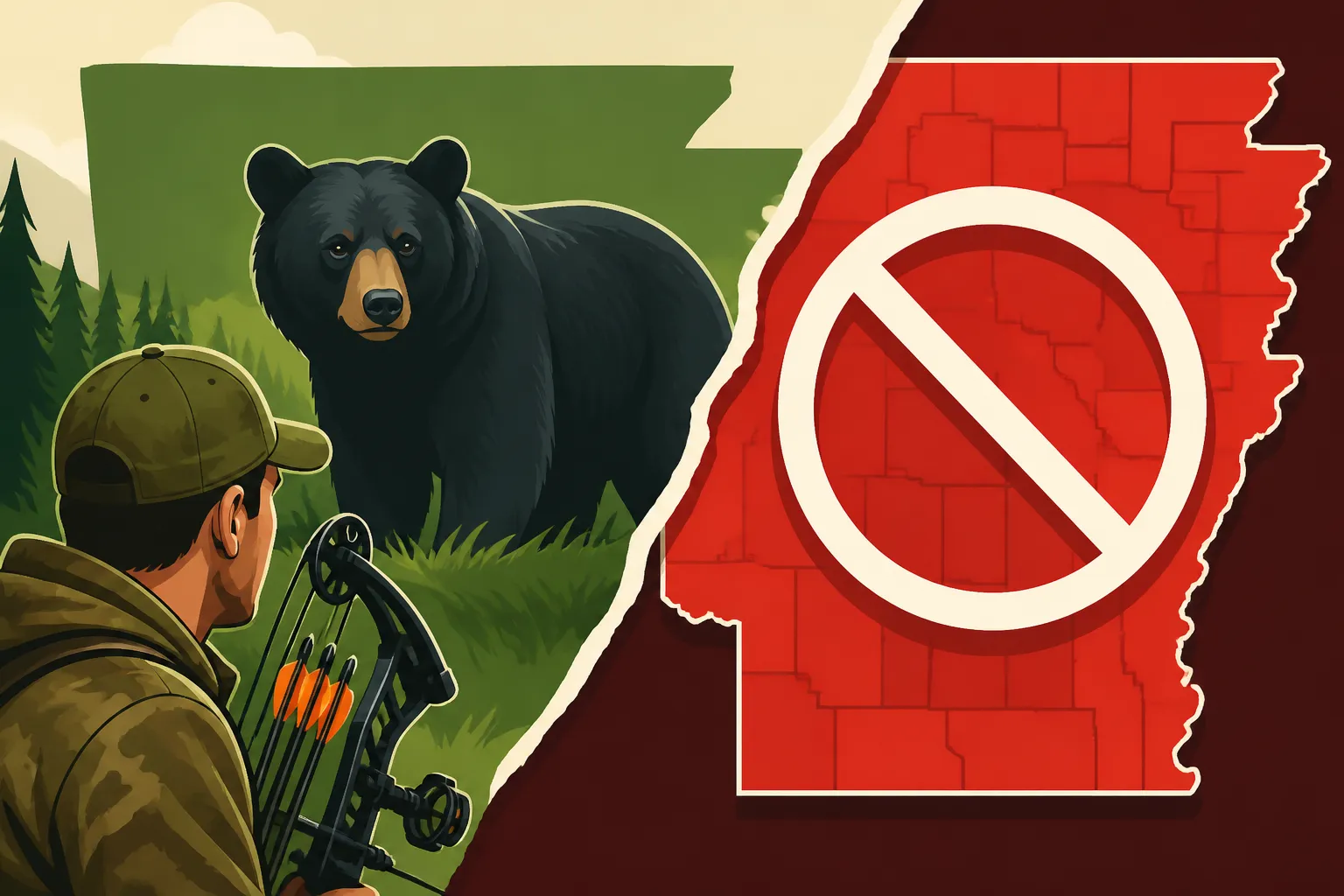
There’s nothing quite like the excitement of an upcoming bear hunt, but also nothing quite as frustrating as finding out the season for your zone might close early. Many hunters plan for months, scout relentlessly, and invest time and money, only to face the unpredictable reality of bear quotas. This guide will walk you through exactly how an Arkansas bear zone can close mid-season, how the Arkansas Game and Fish Commission (AGFC) manages these dynamic closures, and how you can stay informed to avoid disappointment.
Understanding Arkansas's Bear Management Philosophy
Hunting black bears in Arkansas is a truly unique experience, a testament to incredible conservation efforts that brought this magnificent animal back from the brink in our state. But because bears have a slower reproductive rate and their populations can be sensitive to harvest pressure, the AGFC employs a very careful management strategy. It's not like deer season where you have fixed dates for months on end in most zones; bear hunting has a critical layer of real-time adjustment built in.
Arkansas's Bear Zones and Quotas
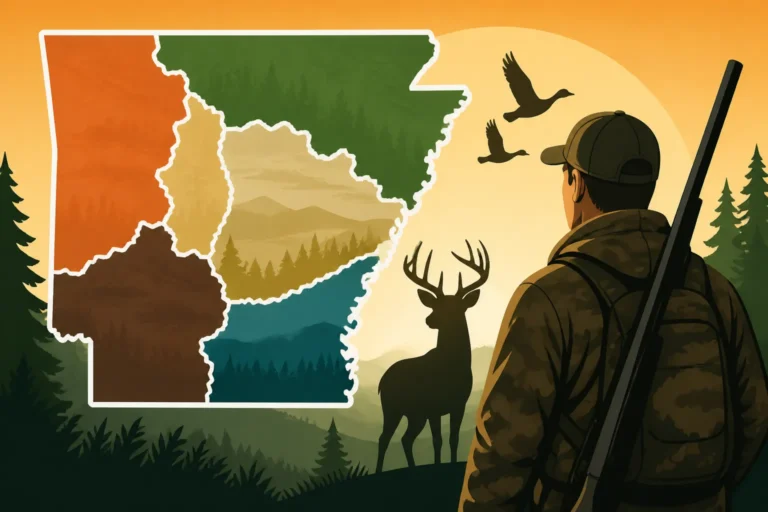
Arkansas is divided into specific bear zones, and each of these zones has a predetermined quota for the total number of bears that can be harvested within that zone during the season. These quotas aren't pulled out of thin air; they're the result of extensive research, population modeling, and careful consideration of how many bears the population can sustainably lose each year without impacting its long-term health. The goal isn't to stop people from hunting bears; it's to ensure there are healthy bear populations for generations to come. When you look at the larger picture of Arkansas Bear Seasons and Zone Quotas, you'll see just how detailed this management gets. For instance, the Ozark and Ouachita National Forests hold the bulk of the bear population, and thus, these zones often have higher quotas compared to smaller, more fragmented habitats.
How Quotas Impact Season Length
The season dates you see published by the AGFC are often potential end dates. They represent the absolute latest the season could run if the quota isn't met. However, the moment that quota is reached, or projected to be reached very soon, the season in that specific zone is closed. This is where the unpredictability comes in. A warm spell, a sudden influx of hunters, or just particularly active bears can lead to a quicker harvest than anticipated, causing a zone to close much earlier than many hunters expect. This dynamic approach is crucial for managing Arkansas Black Bear Numbers Today effectively, ensuring that harvest remains within sustainable limits even if hunting pressure or success rates vary.
The Mechanics of a Bear Zone Closure
It's easy to feel blindsided when a bear zone closes prematurely, especially if you've driven a long way or planned a specific weekend hunt. But rest assured, the AGFC isn't trying to make your life harder; they're working diligently behind the scenes to monitor the harvest and make informed, data-driven decisions. The system is designed to be responsive, which unfortunately means it can sometimes be swift.
Daily Monitoring of Harvest Data
Every single bear harvested in Arkansas must be checked in with the AGFC. This isn't just a formality; it's the lifeblood of the quota management system. Hunters are required to check their bear within a specific timeframe after harvest, either online, through the AGFC app, or by phone. This data is collected daily, sometimes even hourly, especially when the season is active and harvest numbers are climbing. AGFC staff are constantly compiling these reports, tracking the cumulative harvest against the established quota for each zone. Without this mandatory Arkansas Bear Checking Requirements, the system simply wouldn't work, and accurate, real-time management would be impossible.
Triggering a Closure and Official Notification
As the harvest total for a specific bear zone creeps closer to its quota, the AGFC begins to escalate its monitoring. When the number of harvested bears reaches a predetermined percentage of the quota – often around 80-90% – or if there's a surge in harvest reports that projects the quota will be met within a day or two, the decision to close the zone is triggered. Once that decision is made, the AGFC moves quickly to notify the public. This notification typically goes out through official channels: their website, social media, press releases, and often through direct alerts if you're signed up for their communication lists. It's usually a clear, unequivocal statement: "Bear Zone X is now closed to harvest as of [Date] at [Time]."
Why the Closure Can Feel Sudden
For hunters who aren't constantly checking AGFC updates, a closure can feel incredibly sudden, almost out of nowhere. One day the zone is open, the next it's closed, and your weekend hunt plans are effectively canceled. This feeling of abruptness is usually due to the rapid accumulation of harvest numbers, especially during peak hunting pressure periods like opening weekend or during prime weather conditions. Imagine a scenario where a dozen bears are checked in from a zone on a Saturday morning, pushing the quota over the edge. To prevent overharvest and protect the population, the AGFC has to act decisively and close the season immediately. While frustrating, it's a necessary step to maintain the health of the bear population, ensuring that future generations can also enjoy Black Bear Hunting in Arkansas.
Staying Informed: Real-Time Updates for Hunters
The key to navigating Arkansas's dynamic bear season is staying connected to the most current information. Relying on outdated print regulations or word-of-mouth isn't enough when a season can change overnight. Proactive information gathering is your best friend when it comes to bear hunting.
Official AGFC Channels for Information
The Arkansas Game and Fish Commission is the definitive source for all bear season information. Their official website (www.agfc.com) is updated constantly, often with a dedicated "Bear Harvest" or "Season Status" section that clearly displays the current harvest numbers for each zone and whether a zone is open or closed. It's a smart habit to check this page daily, or even multiple times a day, as your hunt approaches. Beyond the website, the AGFC often uses its official social media channels (Facebook, X/Twitter) to broadcast immediate closure notices. Signing up for their email newsletters or text alerts can also put crucial information directly into your inbox or on your phone as soon as it's released. These direct lines of communication are invaluable.
Leveraging Hunting Apps and Community Forums
In addition to official channels, many third-party hunting apps and online forums have become vital resources for hunters. Apps like GoHunt often integrate AGFC data, or at least provide real-time community updates, allowing hunters to see reported harvest numbers or discuss potential closures. While these apps and forums can be incredibly useful for supplemental information and gauging hunter sentiment, it's crucial to always verify any critical information directly with the official AGFC sources. Community forums, for example, might be great for discussing Hunting Arkansas Bear Over Natural Food or sharing scouting reports, but they should never be your sole source for season status updates. Always cross-reference with the AGFC's official announcements to ensure accuracy.
The Role of GoHunt in Monitoring
Many modern hunters utilize advanced mapping and information platforms to aid in their planning and execution. Platforms like GoHunt, for example, offer a range of tools that can help track seasonal information, understand land ownership, and plan your hunt. While GoHunt primarily focuses on Western big game, similar platforms exist or are being developed for Southern states that may offer integrations with AGFC data. For instance, a hypothetical GoHunt-like feature might allow you to view a live feed of reported bear harvests in specific zones, giving you an early indication if a quota is rapidly being approached. This can be a huge advantage for proactive hunters, letting them adjust their plans or even consider hunting alternative species like deer if the bear season looks precarious. Knowing when and where the Arkansas Bear Harvest by Zone is spiking can help you make a quick decision.
| Bear Zone | Primary Counties | Typical Season Dates | Average Quota Range (Bears) | Status Updates |
|---|---|---|---|---|
| Zone 1 (Ozarks) | Newton, Boone, Carroll, Madison, Searcy | Oct. 1-Nov. 30 | 150-250 | AGFC Website/App, Social Media |
| Zone 2 (Ouachitas) | Polk, Scott, Yell, Garland | Oct. 1-Dec. 10 | 100-200 | AGFC Website/App, Social Media |
| Zone 3 | Hot Spring, Clark, Dallas | Oct. 1-Oct. 20 | 20-40 | AGFC Website/App, Social Media |
| Zone 4 | Ashley, Drew, Bradley, Calhoun | Oct. 1-Oct. 15 | 10-20 | AGFC Website/App, Social Media |
| Zone 5 | Izard, Stone, Independence | Oct. 1-Oct. 30 | 5-15 | AGFC Website/App, Social Media |
Note: Season dates and quotas are illustrative and vary annually. Always check current AGFC regulations.
Implications of an Early Closure for Your Hunt
An early bear season closure can throw a wrench into even the most meticulously planned hunting trip. It's more than just a minor inconvenience; it can impact everything from your travel arrangements to the legal handling of a bear you might have just harvested. Understanding these implications beforehand can help you prepare for the unexpected.
Impact on Hunt Plans and Logistics
Imagine you've driven five hours to your hunting camp in Zone 1, taken a day off work, and spent a day scouting, only to wake up Sunday morning and discover the season closed Saturday night. This is the harsh reality many bear hunters face. An early closure can mean:
- Wasted Travel and Time: Flights booked, vacation days used, and gas money spent all for a hunt that can't happen.
- Missed Opportunity: For those who only have a specific window to hunt, an early closure means their entire season could be over before they even get to step into the woods.
- Change of Plans: You might have to quickly pivot to other hunting opportunities, like deer season if it's open, or decide to pack up and go home. This is where researching backup plans, such as Arkansas Modern Gun Deer Hunting or Bowhunting Arkansas's Five-Month Archery Season, becomes vital.
- Financial Loss: Deposits on guided hunts or lodging may be non-refundable, adding a financial sting to the disappointment. This highlights the importance of asking about cancellation policies when booking an Arkansas bear hunt.
The emotional toll can be just as significant. The anticipation of a bear hunt is immense, and having it cut short can be genuinely disheartening.
Tagging and Reporting Requirements if You Harvested
If you are fortunate enough to harvest a bear just before a closure, you need to be acutely aware of the immediate tagging and reporting requirements. The closure time is critical. If you harvest a bear legally while the season is open, but the zone closes an hour later, your harvest is valid. However, you must still adhere to the strict check-in deadlines, typically within 24 hours of harvest, regardless of the closure. This means getting your bear reported even if the zone is now shut. Failure to check in your bear promptly can lead to violations, even if the bear was legally harvested. Always carry your license and tags, and be ready to immediately follow the guidelines for Arkansas Bear Checking Requirements as soon as your bear is down.
What Happens to Unused Tags?
If a bear zone closes early and you haven't filled your tag, that tag simply becomes invalid for that specific zone for the remainder of that season. You cannot transfer it to another bear zone or carry it over to the next season. It's a use-it-or-lose-it scenario within the operational season window. This reinforces the point that when you purchase your Arkansas Hunting Licenses and What They Cost, you're buying the opportunity to hunt during a potential season, not a guaranteed season length. While it can feel unfair to lose the opportunity, this system is in place to manage the overall bear population numbers across Where Arkansas Bears Range, preventing localized overharvest and ensuring the long-term health of the species in each distinct region.
Planning Ahead: Strategies for Bear Hunters
Given the unpredictable nature of Arkansas's bear seasons, smart hunters develop strategies to maximize their chances and minimize disappointment. Flexibility and preparation are your greatest assets when pursuing black bears in the Natural State.
Prioritizing Early Season Opportunities
One of the most effective strategies for bear hunters in Arkansas is to prioritize hunting opportunities early in the season, if your schedule allows. While it's certainly possible to harvest a bear later, the early days and weeks of the season offer the longest guaranteed window before quotas begin to be approached. This is especially true for zones with lower quotas, where harvest numbers can climb quickly. If you have the flexibility, plan your primary bear hunting efforts for opening weekend or the first week. This not only gives you a better chance before a potential closure but also often coincides with good bear activity as they're still focused on Hunting Arkansas Bear Over Natural Food sources like acorns and berries before winter really sets in.
Flexibility in Your Hunting Approach
A rigid hunting plan can quickly unravel if a bear zone closes. Experienced Arkansas bear hunters often have a flexible approach, mentally preparing for the possibility of an early closure. This might involve:
- Having a Backup Species: If you're primarily a deer hunter and bear season overlaps, consider your bear hunt as a bonus, with deer as your main focus. If the bear season closes, you can simply shift gears.
- Geographic Flexibility: If you have access to multiple bear zones (and the appropriate licenses), be prepared to shift your hunting efforts. However, remember that moving zones requires careful knowledge of different quotas and regulations.
- Scouting for Alternatives: If you're Scouting Arkansas Public Land Before Season for bear, pay attention to potential deer sign too. That way, if your bear plans fall through, you already have some intel for deer.
- Understanding Bear Baiting Rules and Tactics in Arkansas: If baiting is legal in your chosen zone and you're utilizing it, ensure your bait sites are established early, allowing bears to become accustomed to them before the season opens. This again capitalizes on early opportunities.
The key is not to put all your eggs in one basket. Embrace the dynamic nature of Arkansas hunting and be ready to adapt.
Utilizing Tools Like GoHunt for Season Planning
Modern hunting tools, including platforms like GoHunt, can be indispensable for planning and executing a flexible bear hunt. While these tools may not always provide real-time AGFC closure alerts directly, they can help you understand historical harvest trends, identify prime hunting areas within a zone, and even explore alternative hunting opportunities if a bear season ends abruptly. For example, a GoHunt-like application with historical data could show you which weeks typically see the highest bear harvests in a particular zone, helping you strategically plan your hunt earlier in those high-activity periods. It can also help you identify areas with good public land access within Arkansas Wildlife Management Areas or the National Forests, giving you options if you need to quickly pivot your plans. Remember, knowledge is power, and leveraging available data can make all the difference in a challenging season.
Disclaimer
Please note that hunting regulations, season dates, and quotas are subject to change. Always consult the official Arkansas Game and Fish Commission (AGFC) website and current hunting guidebooks for the most up-to-date and accurate information before planning and embarking on any hunting trip. This guide is for informational purposes only and does not supersede official AGFC regulations.