Which Arkansas Zone You Are Hunting
Navigating the labyrinth of Arkansas hunting regulations can feel like trying to find a needle in a haystack, especially when it comes to understanding which deer hunting zone you're actually in. It’s a common frustration, isn't it? One road can mean one set of rules, and a field across the way can operate under completely different stipulations for seasons, bag limits, and even what constitutes a legal buck. This guide will meticulously break down the intricate system of Arkansas deer zones, helping you pinpoint your location and understand the specific regulations that apply, so you can hunt with confidence and stay on the right side of the law.
Why Understanding Arkansas Deer Zones Is So Crucial
It’s not just about knowing where you are on a map; it's about making sure your hard-earned hunting efforts are legal and ethical. The Arkansas Game and Fish Commission (AGFC) has divided the state into numerous deer hunting zones for very specific management purposes. Ignoring these boundaries can lead to heartbreaking violations, fines, or even the loss of hunting privileges. Every season, countless hunters get tripped up by these nuances, and it’s a shame when simple knowledge could prevent it.
Bag Limits Vary Wildly
Imagine spending all morning in a stand, finally dropping a beautiful buck, only to realize you were in a zone with a more restrictive antlered buck limit than you thought. It's a nightmare scenario, and it happens. The number of deer you can take, both antlered and antlerless, changes significantly from one zone to the next. For instance, some zones in the Delta might allow for a higher antlerless harvest to help manage agricultural damage, while mountainous regions might have stricter limits to protect herd health and growth. This directly impacts how many deer you can take in Arkansas, and failing to verify your zone could mean exceeding your limit before you even realize it. Knowing the specific Arkansas Deer Bag Limits by Zone for your hunting area is paramount.
Season Dates Are Not Universal
Just when you think you have a handle on the season opener, you realize your buddy in a different part of the state starts a week earlier or later. It's not a uniform start and end date across Arkansas, and this is where many hunters stumble. Different zones often have staggered season dates for various hunting methods. For example, some areas might have a longer Arkansas Archery Deer Season Structure to provide more opportunity, while others might see a shorter Arkansas Modern Gun Season Structure due to population dynamics or higher hunting pressure. This variation extends to alternative firearms seasons too. Always double-check the specific calendar for your zone before you head out, because that prime weekend you had planned might not even be open for the method you intend to use.
The Three-Point Rule's Impact
The Three-Point Rule is one of those regulations that causes a lot of head-scratching and can have a significant impact on your hunt. This rule stipulates that a legal buck must have at least three points on one side of its antlers, or have an antler with a main beam spread of 15 inches or greater. But here's the kicker: it doesn't apply statewide. This rule is in effect only in specific zones, primarily those where the AGFC is trying to improve the buck age structure and allow younger bucks to mature. If you're hunting in a zone where it applies, mistakenly harvesting a two-point or spike buck could result in a violation. Understanding The Arkansas Three-Point Rule for your specific zone is crucial for distinguishing what counts as a legal Arkansas buck and ensuring you don't make an honest but costly mistake.
Breaking Down the Arkansas Deer Zones
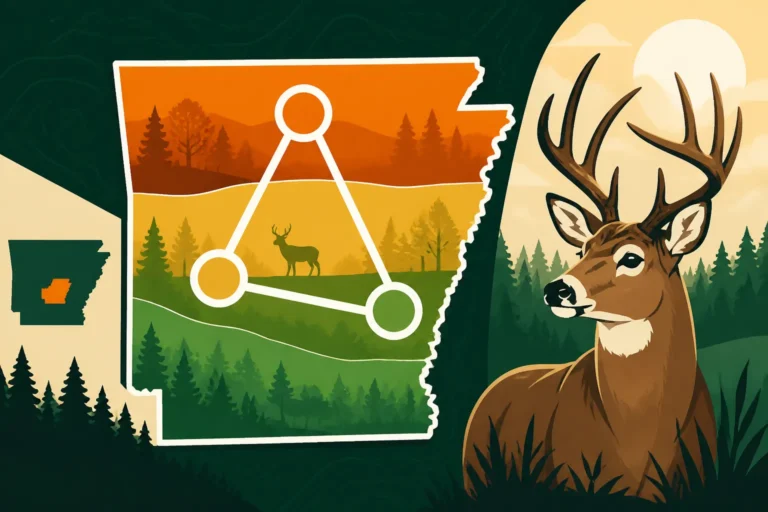
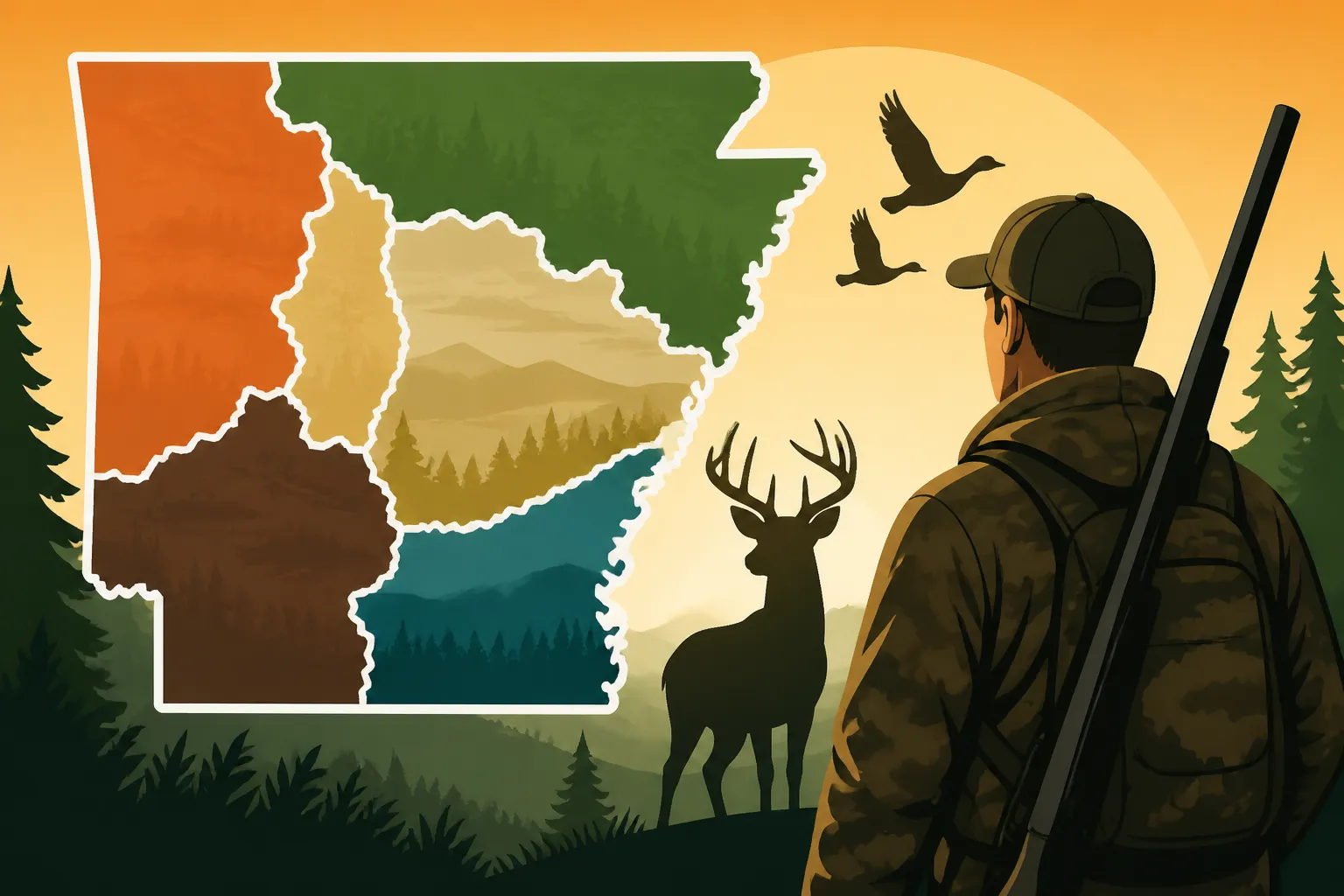
Arkansas's diverse geography, from the rugged Ozark Mountains to the flat Delta farmlands, necessitates a varied approach to deer management. This is why the state is carved into distinct hunting zones, each with tailored regulations to address local conditions and herd characteristics. Thinking of Arkansas as one big hunting ground is a recipe for confusion; instead, it's a patchwork of unique hunting environments. The AGFC map tool is your best friend here, but knowing the general characteristics of these broad regional zones can give you a head start.
The Ozark and Ouachita Mountain Zones
These zones, encompassing areas like Zones 1, 2, 3, 4, 5, and 5A, are characterized by their challenging terrain: steep ridges, deep hollows, and vast expanses of timber. Deer densities here are often lower than in the Delta, and deer tend to be more spread out, making for a different kind of hunting experience. Hunters in these regions often find themselves covering significant ground, scouting for acorn flats on hardwood ridges or glassing clear-cuts for deer browsing on new growth. The regulations in these zones are often designed to support a more traditional, expansive hunting style and allow for herd growth.
For instance, Deer Rules in the Arkansas Ozark Zones generally reflect the lower deer populations and often have more conservative antlerless limits compared to the agricultural regions. Hunter success here often hinges on understanding topography and deer movement patterns influenced by food sources and bedding cover in rugged terrain. It’s a hunt that rewards patience, stealth, and a good pair of hiking boots.
The Delta and River Valley Zones
In stark contrast to the mountains are the Delta and River Valley zones, including areas like Zones 6, 7, 8, 9, 10, 11, 12, 13, 14, 15, 16, 16A, and 17. These are the fertile, flat lands dominated by agriculture, river bottoms, and dense bottomland hardwoods. Here, deer densities can be exceptionally high, and deer often grow larger due to abundant food sources from crops like soybeans, corn, and rice. The hunting pressure can also be intense, especially around prime timber blocks and public land.
The Deer Rules in the Arkansas Delta Zones are frequently more liberal, particularly regarding antlerless harvest, to help farmers mitigate crop damage and manage burgeoning deer populations. These zones often feature flooded timber areas, making boat access and waders a common sight during duck season, which frequently overlaps with deer season in some areas. Hunting here often involves stands overlooking fields, food plots, or strategic pinch points within the timber.
Special Management Zones and WMA Overlays
Just when you think you have the zones figured out, it's important to remember that certain areas have their own set of rules, often layered on top of the statewide zone regulations. Wildlife Management Areas (WMAs) are prime examples. These publicly accessible lands, managed by the AGFC, often have specific permits, draw hunts, or unique regulations regarding hunting methods, season dates, and even what types of firearms are allowed. This is why understanding Arkansas WMA Rules and Permits is essential if you plan to hunt these public areas.
For example, a WMA located within Zone 12 might have a shorter modern gun season or require a WMA-specific permit that the rest of Zone 12 does not. Some WMAs might even have special harvest regulations, such as quality deer management rules, that supersede the general zone rules. Always check the specific WMA regulations in addition to the overarching deer zone rules. It’s an extra step, but it’s one that can save you a lot of headache and ensure you’re hunting legally and responsibly.
Practical Tools for Identifying Your Zone
The complexity of Arkansas's deer zones means you can't rely solely on memory or a vague sense of direction. Modern tools and good old-fashioned ground-truthing are your best friends in ensuring you're always aware of your current hunting zone. Getting it wrong can cost you, so taking the time to verify your location is an investment in a successful and legal hunt.
The AGFC Map Tool and Mobile Apps
Thankfully, the Arkansas Game and Fish Commission provides excellent resources to help hunters navigate these zones. The official AGFC Interactive Map Tool is an invaluable asset. You can access it online, input specific coordinates or addresses, and it will clearly show you the deer zone boundaries, WMA borders, and other important land features. Learning Using the AGFC Map Tool is probably the single most important skill a new Arkansas hunter can develop.
Beyond the official AGFC tool, many third-party hunting apps like GoHunt offer incredible GPS mapping capabilities that overlay public and private land boundaries, WMA lines, and, crucially, hunting zone boundaries directly onto your phone's map. These apps can use your phone's GPS to show you exactly where you are in real-time, even in areas without cell service, which is incredibly useful in remote parts of the Ozarks or deep in Delta timber. Having this technology in your pocket eliminates much of the guesswork and anxiety about crossing an unseen boundary. Before you head into the woods, especially to an unfamiliar area, make sure your maps are downloaded for offline use.
Checking Posted Signs and Local Resources
While digital tools are powerful, don't underestimate the value of traditional methods. Many public land boundaries, especially those bordering private property or WMAs, will have physical signs indicating the land manager or specific rules. Look for these signs, as they often provide clear indicators of what zone you're entering or specific WMA rules that apply. It’s also wise to check with local AGFC offices or game wardens if you have any lingering doubts about a specific area, especially if you're hunting an ambiguous boundary. They are there to help and can provide invaluable, up-to-the-minute information. Local bait shops and gas stations near hunting areas are also often unofficial information hubs, with clerks and fellow hunters willing to share insights about local regulations.
Confirming Your Location with GPS
Ultimately, your GPS device or phone is your most reliable tool in the field. Before you even leave the truck, pull up your hunting app or GPS unit and confirm your exact location relative to the zone boundaries. If you plan to hunt near a zone line, make waypoints for those boundaries so you can easily see them as you move through the woods. Many experienced hunters will even mark their proposed stand locations and then double-check the zone designation of that specific spot. A few moments spent verifying your precise location can prevent hours of anxiety and ensure that the deer you take is legally harvested under the correct Arkansas Deer Seasons and Zone Limits. Remember, ignorance of the law is no excuse, so arm yourself with the knowledge and tools to be confident in your location.
Here's a quick comparison of some general characteristics across representative Arkansas Deer Zones:
| Zone Type | Representative Zones | General Bag Limit (Antlered Bucks) | General Bag Limit (Antlerless Deer) | Three-Point Rule Applicable? | Terrain & Habitat | Common Season Length |
|---|---|---|---|---|---|---|
| Ozark Mountains | 1, 2 | 2 | 1-2 | No (Generally) | Steep, timbered, rocky | Moderate |
| Ouachita Mountains | 3, 4 | 2 | 1-2 | Yes (Some areas) | Rolling hills, pine/hardwood | Moderate |
| Arkansas River Vly | 5, 5A | 2 | 2-3 | Yes (Some areas) | Mixed timber, agricultural | Moderate |
| Central Hills | 6, 7 | 2 | 2-3 | No (Generally) | Rolling, mixed forest | Moderate to Long |
| Delta Hardwoods | 10, 11 | 2 | 4-5+ | No (Generally) | Flat, bottomland timber | Long |
| Delta Agricultural | 12, 13 | 2 | 4-5+ | No (Generally) | Flat, crop fields, small timber | Long |
| South Arkansas | 16, 17 | 2 | 3-4 | Yes (Zone 16A) | Pine plantations, river bottoms | Moderate to Long |
Note: This table provides general characteristics. Always consult the current AGFC regulations for precise and up-to-date information on Arkansas Deer Zone Boundaries, bag limits, and specific rules for the season you are hunting.
Disclaimer
The information provided in this guide is intended for general informational purposes only and is subject to change. Hunting regulations, season dates, and zone boundaries are determined by the Arkansas Game and Fish Commission (AGFC) and can be modified at any time. It is the responsibility of every hunter to consult the most current official AGFC hunting guide and regulations before engaging in any hunting activity. Failure to do so may result in legal penalties.