The Arkansas Three-Point Rule
For many deer hunters in Arkansas, the season opener comes with a mix of excitement and a nagging question: "Is that buck legal?" The Arkansas Game and Fish Commission's (AGFC) "three-point rule" has certainly changed the game, leading to confusion, spirited debates at deer camp, and often, frustrating moments of uncertainty in the field. This guide is here to demystify the rule, explain its purpose, show you where it applies, and help you navigate its nuances so you can hunt with confidence and avoid violations.
Understanding the Arkansas Three-Point Rule
The Arkansas Three-Point Rule, often simply called the "3-point rule," is a management regulation designed to protect younger bucks and allow them to mature. It dictates that any antlered buck harvested in designated zones must have at least three points on one side of its antlers, or have an antler with a main beam spread of 15 inches or greater, measured outside to outside. This might sound straightforward on paper, but out in the timber, especially during those early morning or late evening hours, it can be anything but. It’s not just about counting points; it’s about understanding the intent and the specific measurements involved.
Defining a "Legal Buck" Under the Rule
When the AGFC talks about a "point," they have a very specific definition. A point is any projection on an antler that is at least one inch long, measured from its base to its tip. The length of the point must also exceed the width of its base. This distinction is crucial, as many hunters have made the mistake of counting small bumps or burrs at the base of an antler that don't meet the one-inch length and base-width criteria. Imagine a small, almost nub-like projection – if it's not at least an inch long and longer than it is wide at its base, it doesn't count. This often means what looks like a 4-point deer to the untrained eye might, in fact, only be a 2-point under the rule, because two of those "points" don't measure up.
The alternative criteria for a legal buck is a main beam spread of 15 inches or greater, measured from outside to outside. This is where things get even trickier in the field. Estimating 15 inches on a live, moving deer, especially if it’s not perfectly broadside or in thick cover, is incredibly difficult. For many hunters, this spread requirement acts as a safety net, but it's rarely the primary way they judge a legal buck. It often takes a fair bit of experience to gauge such a spread accurately at a distance, particularly when the adrenaline is pumping.
Historical Context: Before the Rule
Before the implementation of the three-point rule in many parts of Arkansas, the state's deer management strategy was largely focused on increasing deer populations from historic lows. For decades, hunters were encouraged to harvest does and any legal buck, with "legal" often just meaning visible antlers. This led to a very young buck age structure, where most bucks harvested were yearlings (1.5 years old) or 2.5-year-olds. While this strategy successfully boosted overall deer numbers, it resulted in fewer mature bucks across much of the state.
Hunters began to notice this trend. Complaints about seeing only "spike" or "forked horn" bucks became common, and the desire for a higher quality deer hunting experience, characterized by older, larger-antlered bucks, grew louder. This shift in hunter sentiment, coupled with evolving wildlife management science, laid the groundwork for the AGFC to explore new strategies. The goal was to move beyond simply increasing numbers and start improving the overall health and age structure of the herd, ultimately offering hunters a better chance at harvesting a more mature animal. This transition marked a significant philosophical shift in Arkansas deer management.
Why Arkansas Implemented the Three-Point Rule
The decision to implement the three-point rule wasn't made lightly. It was a strategic move by the Arkansas Game and Fish Commission to address specific long-term goals for the state's white-tailed deer population. Primarily, the rule was aimed at improving the buck age structure and, by extension, the overall health and quality of the deer herd. It was also a response to evolving hunter desires, recognizing that many hunters sought more challenging hunts and the opportunity to harvest older, larger-antlered bucks.
Improving Buck Age Structure
The most significant driver behind the three-point rule was the desire to allow more bucks to survive past their yearling year and reach older age classes. Prior to the rule, the vast majority of antlered bucks harvested in Arkansas were 1.5 years old. These young bucks typically have smaller antlers, often spikes or simple forked horns. By protecting these younger animals, the AGFC aimed to create a deer herd with a more balanced age distribution among males.
The theory is straightforward: if a buck makes it past its first season, it has the opportunity to grow larger antlers and a heavier body in subsequent years. This not only provides a more rewarding harvest for hunters but also contributes to a healthier breeding population. Older bucks tend to participate more actively in breeding, which can improve the genetic diversity and overall vigor of the herd. The rule helps ensure that a greater percentage of the buck population lives long enough to express their full antler potential, ultimately shifting the average Buck Age Structure Under the Three-Point Rule upward in the regulated zones.
Managing Hunter Expectations and Pressure
Beyond biological improvements, the three-point rule also serves to manage hunter expectations and distribute hunting pressure more effectively. In areas where the rule is in effect, hunters are encouraged to be more selective, passing on young bucks they might have previously harvested. This fosters a different kind of hunting experience—one that emphasizes patience, observation, and sound judgment in the field.
This intentional shift helps reduce the pressure on younger bucks, giving them a chance to escape another season. While it can be frustrating to pass on a legal 2-point buck in a non-regulated zone, in a 3-point zone, that decision is mandated, taking some of the personal debate out of it. It encourages hunters to truly scout, understand deer behavior, and wait for a more mature animal. This, in turn, can lead to a greater sense of accomplishment when a legal, mature buck is finally harvested. The rule, therefore, isn't just about deer; it's also about shaping the culture and future of Arkansas Hunting itself, pushing for a more quality-oriented approach.
Where the Rule Applies in Arkansas
It's crucial for hunters to understand that the three-point rule isn't a statewide mandate. Arkansas is divided into several deer management zones, and the application of the three-point rule varies significantly between them. Failing to know the specific regulations for your hunting location is a surefire way to run into trouble with game wardens. Hunters need to meticulously check the current AGFC regulations each season, as zone boundaries and rules can occasionally be adjusted.
Specific Deer Zones Affected
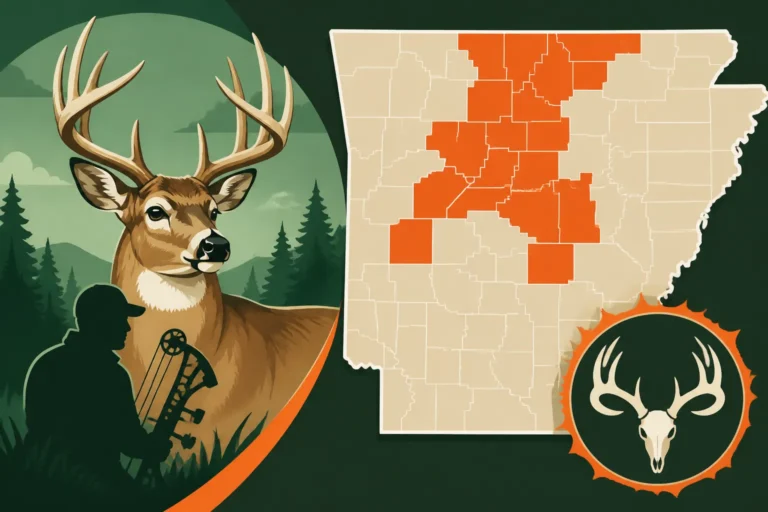
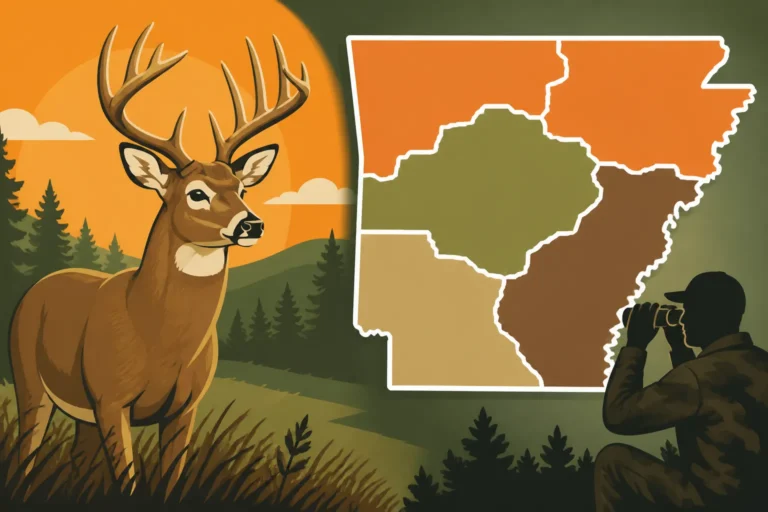
Currently, the three-point rule is primarily in effect in Deer Zones 1, 2, 3, 6, 7, 8, 8A, 9, 10, and 17. These zones encompass significant portions of the Ozark and Ouachita Mountain regions, as well as some of the mixed pine-hardwood forests in the southern and western parts of the state. These are often areas where deer populations benefit most from age structure manipulation due to habitat conditions and historical harvest pressures.
To illustrate, Zone 1, covering much of the northwestern Ozarks, has seen considerable benefits from the rule, resulting in more mature bucks being seen and harvested. Similarly, Zones in the Ouachita Mountains, like Zone 6 and 7, also fall under the three-point rule. These mountainous and hilly terrains often present different hunting challenges than the flat Delta, and the rule helps create a consistent management strategy across similar landscapes. Before you even head out, you should always consult the official Arkansas Deer Seasons and Zone Limits and confirm which zone you're in. Knowing your zone is your first line of defense against an accidental violation.
Exceptions and Considerations
While the three-point rule is firm in its designated zones, there are a couple of important exceptions and considerations every hunter should be aware of.
Firstly, youth hunters are generally exempt from the three-point rule during the youth deer seasons. This is a deliberate effort to encourage youth participation and provide them with a more straightforward hunting experience, allowing them to harvest any legal antlered buck without the added complexity of point counting or spread judging. This allows them to focus on the basics of safe hunting and making an ethical shot. However, outside of specific youth hunts, when a youth hunts during a regular season in a three-point zone, they are subject to the rule.
Secondly, specific wildlife management areas (WMAs) or federal lands within three-point rule zones might have additional or different regulations. For instance, some WMAs might have even stricter antler restrictions, while others might be entirely exempt from the statewide three-point rule for specific hunts or seasons. This means just knowing your deer zone isn't always enough. Hunters planning to hunt on public land, especially WMAs, must consult the specific WMA regulations in addition to the statewide zone rules. The AGFC website and their annual hunting guide are indispensable resources for this, and digital mapping tools like GoHunt can often layer WMA boundaries and regulations over base maps, providing a powerful visual aid for hunters trying to keep all the rules straight.
Here's a simplified table summarizing the three-point rule application by general region:
| Region of Arkansas | Typical Deer Zones | Three-Point Rule Applies? | Common Exceptions |
|---|---|---|---|
| Ozark Mountains | 1, 2 | Yes | Youth Hunters, Specific WMAs |
| Ouachita Mountains | 6, 7, 8, 8A | Yes | Youth Hunters, Specific WMAs |
| Southwest Pine | 17 | Yes | Youth Hunters, Specific WMAs |
| Northcentral | 3, 9, 10 | Yes | Youth Hunters, Specific WMAs |
| Delta/East Arkansas | 4, 4A, 5, 5A, 16 | No | N/A |
| Westcentral/River | 12, 13, 14, 15 | No | N/A |
Note: This table is a generalization. Always consult the current AGFC regulations for precise zone boundaries and rule specifics.
Impact on Deer Herd and Hunter Behavior
The implementation of the three-point rule has had a noticeable ripple effect, both on Arkansas's white-tailed deer population and on the hunting community itself. It wasn't an overnight transformation, but over time, trends have emerged that indicate the rule is achieving some of its intended goals, while also influencing how and where hunters choose to pursue deer.
Changes in Buck Age Structure and Antler Quality
One of the primary objectives of the three-point rule was to shift the age structure of the buck population. By protecting younger bucks that might only sport spikes or two points, the rule allows a greater percentage of the male deer to survive to 2.5, 3.5 years old, and beyond. This has led to an observable increase in the number of older bucks in the harvest data from the regulated zones. When bucks are allowed to age, their bodies and antlers typically mature, resulting in larger racks with more points and greater mass. This is exactly what the AGFC aimed for, leading to more opportunities for hunters to encounter and harvest more mature animals.
While this isn't to say every buck in a three-point zone will suddenly become a Boone and Crockett contender, the average antler size and age have certainly improved in these areas. Hunters who consistently Scout Arkansas Public Land Before Season in three-point zones often report seeing more 6- and 8-point bucks than they did before the rule. This shift towards an older age class not only benefits hunters but also contributes to a healthier, more robust breeding population, as older, more dominant bucks are more likely to participate in the rut.
Arkansas Deer Harvest Records Trends
Analyzing Arkansas's deer harvest records over the years, particularly before and after the rule's implementation in specific zones, reveals interesting trends. Initially, there might have been a slight dip in overall buck harvest in the newly regulated zones as hunters adjusted and passed on smaller bucks. However, this dip was often followed by an increase in the harvest of older age-class bucks, suggesting the rule was successfully "recruiting" deer into those older categories. The overall Arkansas Annual Deer Harvest hasn't necessarily decreased statewide, but the composition of that buck harvest has definitely changed in the targeted zones.
For instance, the proportion of 1.5-year-old bucks in the harvest has typically decreased in three-point rule zones, while the proportion of 2.5-year-old and older bucks has increased. This data supports the notion that the rule is having its desired effect. It's not about killing fewer deer, but killing different deer – specifically, encouraging the harvest of mature animals and allowing younger ones to contribute to future breeding and antler growth. This kind of data is invaluable for the AGFC in assessing the effectiveness of their management strategies and making future adjustments to Arkansas Deer Zones Explained.
Hunter Adaptations and Strategies
The three-point rule has undeniably changed how many hunters approach their deer season in Arkansas. No longer is it simply a matter of "if it has antlers, it's legal." Hunters in regulated zones must now be more discerning and patient. This has led to several adaptations in hunting strategies:
- Increased Scouting and Observation: Hunters are spending more time pre-season scouting, not just looking for deer sign but actively trying to identify individual bucks and their movement patterns. They're also taking more time to observe deer in the field, waiting for a clearer view to count points accurately.
- Reliance on Optics: High-quality binoculars and spotting scopes have become even more essential. Being able to clearly see and count points on a buck before raising a weapon is paramount.
- Willingness to Pass Bucks: Perhaps the biggest mental shift has been the acceptance, and even embracing, of passing on younger bucks. While it can be tough, many hunters now understand that letting a 2-point walk means potentially encountering that same buck as a bigger 8-point the following year.
- Focus on Antlerless Harvest: To manage deer populations effectively, especially when bucks are being protected, increased antlerless harvest becomes even more important. Hunters in three-point zones are often encouraged to fill their doe tags to help balance the herd and ensure sufficient food resources.
These adaptations contribute to a more skilled and knowledgeable hunting population, which ultimately benefits the entire deer management program in Arkansas.
Navigating the Three-Point Rule as a Hunter
Hunting in Arkansas's three-point rule zones demands a higher level of awareness and discipline. It means more than just being able to shoot accurately; it means being able to accurately identify your target under pressure. The last thing any ethical hunter wants is to accidentally harvest an illegal buck and face penalties.
Accurately Judging Points in the Field
This is arguably the most challenging aspect of the three-point rule. Deer are rarely static, and optimal viewing conditions are often a luxury. Here are some tips to help you accurately judge points:
- Patience is Key: Never rush a shot. If you have any doubt, wait. Try to get the deer to stop or move into a clearer opening. Even a few extra seconds can make all the difference.
- Focus on One Side: Don't try to count all points at once. Pick one antler and count its points. Then, if the deer holds still, switch to the other. Remember, you only need three legal points on one side, or the 15-inch spread, for the buck to be legal.
- Understand the "Point" Definition: Rehearse the AGFC definition of a point: at least one inch long and longer than its base is wide. Those tiny nubs or burrs near the base often trip hunters up. A good visual aid is to think of it needing to be long enough to hang a ring on, and distinct from the main beam.
- Use Quality Optics: As mentioned before, good binoculars are your best friend. Practice identifying and counting points on live deer (even does, just to train your eye) or even mounted antlers before the season.
- Look for Mass and Tine Length: Older bucks typically have more mass at the bases of their antlers and longer, more developed tines. If a buck looks thin-antlered, it's more likely to be a younger animal and might not meet the 3-point minimum. When you are specifically Judging Points on a Standing Buck, keep these visual cues in mind.
- Err on the Side of Caution: If you are truly unsure, let the buck walk. There will always be another deer, and it's far better to pass on a legal buck than to harvest an illegal one.
Common Misunderstandings and Violations
Despite the AGFC's efforts to educate hunters, misunderstandings and violations of the three-point rule still occur.
- The "4-Point" Trap: One of the most common mistakes is assuming a "forked-horn" buck is a "4-point" and therefore legal. A typical forked-horn buck might have two points on each side, meaning it's only a 2-point buck on each side. If you're in a three-point zone, this buck is illegal unless it has the 15-inch spread. Many hunters accidentally harvest these "4-point" deer, only to discover their mistake when they get a closer look.
- Ignoring the Base-Width Rule: As discussed, the length of a point must exceed its width at the base. Small, shallow bumps that don't meet this criterion are not considered points, even if they are over an inch long.
- Misjudging Antler Spread: Relying solely on the 15-inch spread can also lead to violations. Unless you have a very clear view and a lot of experience, estimating this accurately in the field is incredibly difficult. It's usually best to rely on counting points if you can.
- Not Knowing Your Zone: Hunting in a three-point zone with the mindset of a non-regulated zone is a surefire way to get in trouble. Always double-check your zone before each hunt.
Violations can result in fines, loss of hunting privileges, and confiscation of the harvested deer. The AGFC takes these rules seriously, as they are fundamental to their deer management strategy.
Utilizing Resources like AGFC Maps and Apps
The good news is that hunters aren't left to navigate these complex rules alone. The AGFC provides a wealth of resources to help you stay legal:
- AGFC Hunting Guidebook: This annual publication is your bible. It contains detailed maps of all deer zones, specific regulations for each zone, and definitions of terms like "point." Always carry a copy, digital or physical, when hunting.
- AGFC Website and App: The AGFC website is regularly updated and offers interactive maps. The AGFC mobile app, often used for checking in harvested deer, also provides access to regulations and zone information on your smartphone. Learning how to use The Arkansas AGFC Map Tool is an absolute must for any hunter.
- Mapping Applications (e.g., GoHunt): Third-party mapping apps like GoHunt have become indispensable for modern hunters. These platforms allow you to overlay AGFC deer zone boundaries onto detailed satellite imagery, topographic maps, and even private/public land ownership information. With GoHunt, you can literally see which deer zone you are standing in, minimizing confusion. Many hunters use GoHunt to plan their routes, identify potential stand locations, and confirm the regulations for their exact position, making it an excellent tool for navigating Arkansas's varied hunting landscape.
- Hunter Education: If you're a new hunter or just feeling rusty, consider taking an Arkansas Hunter Education and Safety Rules course. These courses cover regulations in depth and provide opportunities to ask questions.
By combining your field judgment with these readily available resources, you can confidently pursue deer in Arkansas's three-point rule zones, knowing you're hunting ethically and legally.
Looking Ahead: The Future of Arkansas Deer Management
Deer management in Arkansas is a dynamic process, constantly adapting to biological data, environmental changes, and hunter feedback. The three-point rule, while a significant part of current management, is not static and may evolve in the future. Understanding the larger context of deer management helps hunters appreciate the intent behind these regulations and anticipate potential changes.
Continued Monitoring and Adjustments
The Arkansas Game and Fish Commission doesn't just implement rules and forget about them. They continuously monitor the effects of regulations like the three-point rule through various scientific methods. This includes analyzing annual harvest data, conducting herd health assessments, performing deer population surveys, and collecting hunter observation data. If you participate in hunter surveys or report your harvest accurately, you're directly contributing to this ongoing data collection.
Based on these findings, the AGFC may make adjustments. This could mean expanding the rule to new zones if it proves highly successful elsewhere, or conversely, modifying or even removing it in areas where it might not be achieving the desired outcomes or where local conditions dictate a different approach. For instance, in areas where deer densities are too high, the emphasis might shift back to a more aggressive antlerless harvest. This adaptive management approach ensures that Arkansas's deer populations remain healthy and sustainable for future generations. The AGFC uses its data to inform decisions on everything from Arkansas Deer Bag Limits by Zone to specialized hunts.
Hunter Feedback and Engagement
Hunter feedback plays a vital role in shaping future deer management strategies. The AGFC holds public meetings, conducts surveys, and maintains open channels for communication with hunters and landowners. If you have strong opinions or observations about the three-point rule, or any other hunting regulation, it's important to engage constructively with the commission.
Whether you feel the rule has dramatically improved your hunting experience or you believe it presents unnecessary challenges, your input matters. Informed feedback, backed by personal experience and an understanding of the rule's objectives, is more valuable than simple complaints. Staying engaged and participating in these discussions ensures that the voice of the hunting community is heard and considered in future decisions regarding White-Tailed Deer Across Arkansas. As hunters, we are critical stakeholders in wildlife conservation, and our collective engagement helps chart the course for deer hunting in the Natural State.
Disclaimer
Please remember that hunting regulations are subject to change. This guide provides a general overview based on current information but should not be considered a substitute for the official Arkansas Game and Fish Commission regulations. Always consult the most recent AGFC hunting guide and specific WMA regulations before heading afield to ensure compliance with all applicable laws.