Arkansas WMA Rules and Permits
Venturing onto Arkansas's Wildlife Management Areas can feel like navigating a maze of regulations, leaving many hunters scratching their heads about what's allowed and what requires a special permit. It's a common frustration, especially when you just want to get out and enjoy our incredible public lands. This guide is here to untangle the complexities of Arkansas WMA rules and permits, helping you understand the general guidelines and specific requirements so you can hunt confidently and legally.
Understanding Arkansas's Wildlife Management Areas
Arkansas is blessed with a vast network of public lands, and among the most popular and productive are the Wildlife Management Areas, or WMAs. These aren't just patches of woods; they're actively managed ecosystems dedicated to wildlife conservation and public recreation, with hunting often being a primary focus. Understanding their purpose and how they differ from other public lands is the first step to hunting them successfully.
What Makes WMAs Unique
Unlike national forests where multiple uses like timber harvesting, recreation, and grazing are balanced, Arkansas WMAs are primarily managed by the Arkansas Game and Fish Commission (AGFC) with wildlife and hunting opportunities taking center stage. This specialized focus means that specific habitat improvements are often underway, such as controlled burns, food plot plantings, and water level management in Green Timber Duck Hunting in Arkansas areas. The goal is to maximize habitat quality for various game species, from deer and turkey to waterfowl and small game, ultimately enhancing the hunting experience for you and me.
However, this focused management also means a more intricate set of rules. You can't just assume the same regulations apply as they would on a piece of private land or even in parts of the Ozark or Ouachita National Forests. Each WMA is a distinct management unit, and while many overarching rules apply statewide, many also have specific regulations tailored to their unique habitat, wildlife populations, and local needs. Ignoring these can lead to fines, loss of privileges, and a generally miserable hunt.
Public Land vs. WMA: Key Distinctions
It's easy to lump all public lands together, but there are crucial differences, especially when it comes to rules. National Forests (like the Ouachita and Ozark) are federal lands managed by the U.S. Forest Service, often with more lenient camping and access rules but potentially less intensive wildlife management focused solely on hunting. National Wildlife Refuges are also federal but managed by the U.S. Fish and Wildlife Service, and they often have very stringent regulations, limited access periods, and sometimes require separate permits or lottery drawings. Arkansas National Wildlife Refuges have their own distinct rulebooks.
WMAs, as state-managed lands, sit somewhere in between. They typically have more detailed regulations than National Forests regarding vehicle access, scouting activities, and stand placement, but generally offer broader hunting access than many Refuges outside of specific draw hunts. The best way to think about it is that WMAs are highly regulated for specific purposes, which means you need to do your homework before you ever set foot on the ground. This guide, along with resources like the AGFC's official WMA map tool, which we'll discuss, will be your best friends. You can also explore How Many Acres Arkansas WMAs Cover to get a sense of the scale of these vital hunting grounds.
General WMA Rules You Need to Know
Even before you look into specific WMA regulations, there are a number of overarching rules that apply to most, if not all, Wildlife Management Areas across Arkansas. Getting familiar with these will save you a lot of headaches and ensure you're hunting within the bounds.
Vehicle Access and Restrictions
One of the most common points of confusion on WMAs revolves around vehicle use. Generally, motorized vehicles—this includes trucks, cars, ATVs, UTVs, and even electric bicycles in some cases—are restricted to graveled or designated roads only. While it might be tempting to drive that extra quarter-mile down a grassy two-track to save a walk, it's almost certainly illegal and damaging to the habitat. Many WMAs have gates, cables, or signage indicating vehicle closures. Always respect these closures, even if it looks like someone else has driven around them.
Parking is also usually restricted to designated parking areas or within the right-of-way of an open road, without blocking gates or access points. Think of it this way: if a two-wheel-drive car couldn't reasonably drive there, your ATV probably shouldn't either. The intent is to reduce habitat degradation, prevent erosion, and maintain a semblance of wildness for hunters willing to walk. Always scout your access points and plan for foot travel beyond designated roads. Using an app like onX Hunt can be incredibly helpful here, as it often shows WMA boundaries and designated roads, allowing you to clearly see where you can drive and where you need to hoof it.
Blinds, Stands, and Trail Cameras
Arkansas WMAs have specific regulations regarding the use and placement of hunting blinds, tree stands, and trail cameras, and these are often areas where hunters inadvertently violate rules. For portable tree stands, climbers, and ground blinds, the general rule is that they can be used and left overnight, but they must be clearly marked with the hunter's AGFC identification number (or name and address). They usually cannot be left unattended for more than a set period, often two weeks, and are not to be constructed or attached to trees in a way that causes permanent damage (e.g., no screw-in steps).
Permanent stands or blinds, those built from lumber or other materials that can't be easily removed, are almost universally prohibited on WMAs. The idea is to keep public lands truly public and prevent individuals from claiming a spot permanently. As for trail cameras, they are generally allowed on WMAs, but they also must be marked with the hunter's AGFC identification number or similar identifying information. Just like stands, they cannot cause permanent damage to trees and should be placed discreetly. It's always a good idea to check the specific WMA regulations before deploying any of these, as some WMAs might have additional restrictions or even prohibit certain items entirely. For more details on these rules, check out Blinds and Stands on Arkansas Public Land and Trail Camera Rules on Arkansas WMAs.
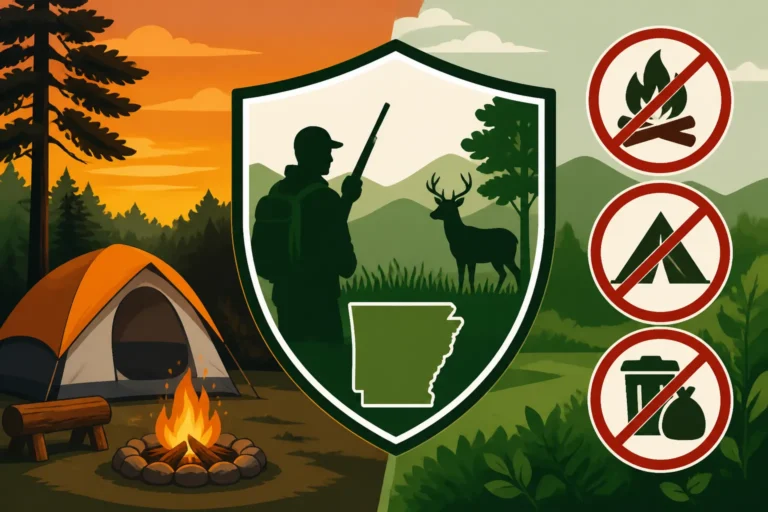
Camping and Campfires
Camping is another area where WMA rules can differ significantly. Many WMAs allow primitive camping, often defined as pitching a tent or parking an RV without hookups, but usually only in designated areas or within a certain distance from a road. Developed campgrounds with facilities are rare on most WMAs, though you might find them in adjacent state parks or national forest lands.
Campfires are often allowed where camping is permitted, but usually require a high level of caution, especially during dry conditions. You're always responsible for ensuring your fire is completely extinguished. Some WMAs, particularly those with high fire danger or sensitive habitats, may have seasonal fire bans. It’s always prudent to check the current conditions and rules before striking a match. The overarching theme here is to leave no trace: pack out everything you pack in, and aim to leave your campsite cleaner than you found it. We've got a whole guide on Camping on Arkansas WMAs that dives deeper into these specifics.
Baiting and Feeding
This is a non-negotiable rule across almost all Arkansas WMAs and public lands: baiting or feeding wildlife is strictly prohibited. This includes placing corn, minerals, protein pellets, or any other food attractant for deer, turkey, or other game. The primary reasons are disease prevention (concentrating animals can spread CWD or EHD), fair chase ethics, and managing wildlife populations based on natural forage.
The definition of baiting can sometimes be tricky, encompassing things like mineral blocks or even certain food plot plantings if they are clearly designed to attract rather than support a natural forage base on public land. It's always best to err on the side of caution. If you're on a WMA, assume no baiting is allowed, period. This rule is especially critical in areas designated as Chronic Wasting Disease (CWD) management zones, where preventing unnatural concentrations of deer is paramount. For a full breakdown of these regulations, refer to Baiting Rules on Arkansas Public Land.
Specific WMA Permit Requirements
Beyond your standard Arkansas hunting license and any federal stamps (like the Federal Duck Stamp for waterfowl), many WMAs require specific permits to hunt them. This is often where hunters get tripped up, thinking their general license is enough.
WMA Permits: The Basics
Most WMAs require a WMA General Use Permit. This is typically an annual permit that covers access and hunting on most WMAs statewide. It's usually a modest annual fee, and it's essential to have it in addition to your regular hunting license. Think of it as your pass to the exclusive club of WMA hunters. There are often exceptions, such as youth hunters or landowners hunting their own property that might be adjacent to or part of a WMA, but for the vast majority of us, this permit is a requirement.
These permits help fund the management and maintenance of these crucial public lands, supporting everything from habitat improvement to facility upkeep. Don't skip it; it's a small investment for a lot of hunting opportunity. Before you plan your season, it’s always a good idea to check the AGFC website to confirm which WMAs require this permit, as a handful might have different regulations.
Waterfowl WMA Permits and Draws
If you're a duck hunter, WMAs are some of the prime locations in Arkansas, but they come with their own set of rules and often, specific permits and draw systems. Many popular waterfowl WMAs, particularly in the Delta, require a separate WMA Waterfowl Stamp or permit in addition to the general WMA permit and your state and federal duck stamps.
Even more significantly, several highly sought-after waterfowl WMAs operate on a draw system. Places like Bayou Meto WMA, Dave Donaldson Black River WMA, and others have designated hunting units or "holes" that are allocated through a daily or seasonal lottery system. Applying for these draws typically requires advance planning, often weeks or months before the season starts. There are sometimes daily draws conducted on-site in the mornings during the season. Understanding these systems is absolutely critical if you plan on hunting ducks or geese on these prized public lands. Check out Arkansas WMA Waterfowl Draw Hunts for a deeper dive into how these systems work. It's a competitive process, but worth it for a chance at some fantastic Hunting Arkansas Flooded Green Timber.
Other Special Permits and Rules
Beyond general and waterfowl permits, some WMAs might have other specialized permits or regulations. These could include:
- Managed Hunts: Some WMAs hold special "managed hunts" for deer, turkey, or other species, often by application and lottery. These hunts might have different dates, weapon restrictions, or bag limits than the general season.
- Disabled Hunter Access Permits: Certain WMAs offer special access opportunities for hunters with disabilities, sometimes requiring a specific permit and an application process.
- Youth Hunts: Many WMAs host special youth deer or turkey hunts, which may require pre-registration or specific youth permits.
- Specific Antler Restrictions: While general statewide regulations exist, some WMAs might have stricter antler point restrictions (e.g., specific 3-point or 4-point on one side rules) to promote buck age structure. Always double-check the WMA-specific regulations pamphlet.
The table below provides a general overview of common WMA rules and permit types, but remember, specifics can vary wildly.
| Category | General WMA Rule | Common Exceptions / Specific WMA Rule |
|---|---|---|
| Vehicle Access | Restricted to designated roads. | Some WMAs have specific ATV trails; some have full closures seasonally. |
| Hunting Stands | Portable, marked, removed within 2 weeks. | Some WMAs prohibit stands in certain areas; no permanent stands ever. |
| Trail Cameras | Allowed, marked, no tree damage. | Some WMAs restrict placement during certain seasons. |
| Camping | Primitive camping in designated areas often allowed. | Some WMAs prohibit camping entirely; fire bans may apply. |
| Baiting | Strictly prohibited. | No exceptions; applies to minerals and food plots too. |
| General Use Permit | Required for most hunting on WMAs. | Youth hunters or specific WMAs might be exempt. |
| Waterfowl Permit | Required for hunting ducks/geese on many WMAs. | Specific WMAs have draws or additional stamp requirements. |
| Managed Hunts | Special application/draw often required. | Specific dates, weapon types, and bag limits apply. |
Navigating Regulations and Resources
It's clear that hunting WMAs requires diligence. Relying on outdated information or hearsay is a recipe for disaster. Luckily, the AGFC provides excellent resources, and modern technology can significantly aid your scouting and planning.
The AGFC Website and Regulation Guide
Your absolute best friend when planning a WMA hunt is the official Arkansas Game and Fish Commission (AGFC) website. It houses the most up-to-date hunting regulations, including a dedicated section for WMA-specific rules. Don't just skim the general statewide regulations; actively seek out the WMA supplement. This document will list each WMA and any special regulations that apply to it.
The website also details application periods for draw hunts, season dates, bag limits, and often provides news updates about closures or changes in water levels. Before every hunt, especially if it's a WMA you haven't visited recently, make it a habit to check the AGFC site for the latest information. Changes can and do happen, sometimes mid-season, so staying current is paramount. You can also find information on Arkansas WMA Permits and Draw Hunts directly on their site.
Mapping Tools: Your Digital Scout
In today's hunting world, digital mapping tools are indispensable, especially for public land hunters. Services like onX Hunt and GoHunt provide detailed satellite imagery, property boundaries, and often overlay public land designations, including WMAs. This allows you to:
- Identify WMA Boundaries: Clearly see where public land begins and ends, preventing accidental trespass onto private property.
- Scout Access Points: Find legal parking areas and designated roads, helping you plan your approach.
- Mark Key Features: Drop pins on potential stand locations, food sources, water features, or areas of sign that you've found while Scouting Arkansas Public Land Before Season.
- Track Your Movement: Ensure you stay within WMA boundaries while hunting, especially in dense cover.
While these apps are phenomenal for scouting and navigation, always remember that the official AGFC regulations and maps are the ultimate authority. Use onX Hunt as a powerful tool for planning and in-the-field navigation, but cross-reference with official sources for regulatory specifics. A good strategy is to download offline maps before heading to areas with no cell service, which is common in many remote WMA sections. For a comprehensive guide on using these tools, consider reading Using the AGFC Map Tool.
Local Knowledge and On-Site Signage
While digital resources are fantastic, don't underestimate the value of local knowledge and paying attention to on-site signage. Sometimes, a quick chat with a local bait shop owner, gas station attendant, or another hunter at a WMA parking lot can provide invaluable, real-time insights into conditions, pressure, or recent rule clarifications.
Always be on the lookout for physical signs posted at WMA entrances or along roads. These signs are often placed to highlight specific rules, recent changes, or closures that might not yet be widely publicized elsewhere. They serve as a crucial final check before you commit to your hunt plan. Respect these signs, as they are there for both your safety and the health of the resource.
Common Pitfalls and How to Avoid Them
Even with the best intentions, hunters can sometimes fall into traps when navigating WMA rules. Being aware of these common pitfalls can help you avoid them.
Misinterpreting General vs. Specific Rules
One of the biggest mistakes hunters make is assuming that a general statewide rule applies universally to every WMA, or conversely, that a rule from one WMA applies to all others. This is simply not true. While there are overarching principles (like no baiting), specific WMAs often have their own unique season dates, weapon restrictions, access limitations, or antler requirements.
Example Scenario: You might be used to hunting a particular WMA where crossbows are allowed during the entire archery season. However, you decide to try a new WMA nearby and assume the same rule applies, only to find out, too late, that crossbows are only legal there during modern gun season or a specific alternative firearms season. Always consult the specific WMA regulations for the area you plan to hunt, every single time. It takes a few extra minutes but can save you a world of trouble.
Failing to Check Before You Go
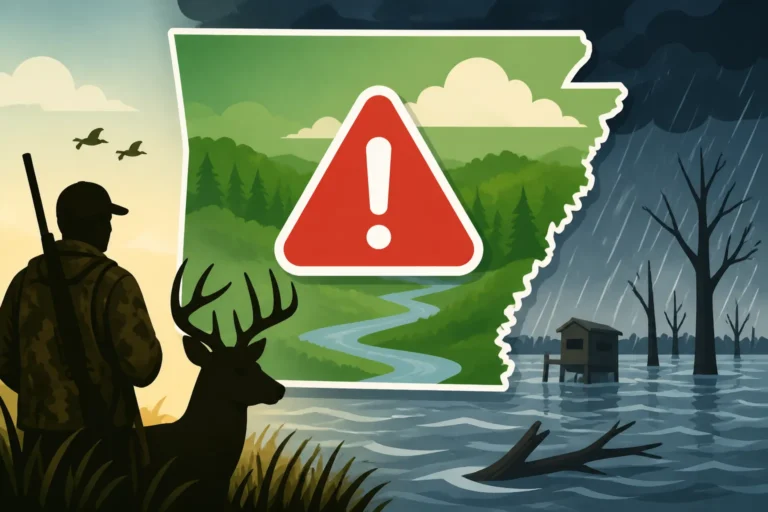
It's tempting to plan a hunt months in advance and then just show up. However, conditions and rules on WMAs can change rapidly. Water levels on Delta WMAs can fluctuate dramatically, leading to closures or restricted access. Flooding and WMA Access in the Delta is a real concern. Weather events can cause road closures. Even biological factors, like a disease outbreak, might prompt emergency rule changes.
Example Scenario: You've planned a duck hunt on your favorite WMA for weeks, only to arrive and find the main access road is flooded or the green timber unit you planned to hunt is closed for timber management. A quick check of the AGFC website or WMA Facebook page (if available) the day before your hunt could have alerted you to the change, allowing you to pivot to a different plan. Make checking current conditions and rules a mandatory pre-hunt ritual.
Underestimating Hunting Pressure
WMAs, by their nature, are popular public hunting grounds. This means they often experience significant hunting pressure, especially during opening weekends or peak rut periods. Failing to account for this pressure can lead to frustration and less-than-ideal hunting experiences.
Example Scenario: You arrive at a popular WMA on modern gun opening morning, expecting to find a quiet stand location, only to discover the parking lot is full and hunters are walking in every direction. Knowing that Hunting Pressure on Arkansas WMAs is a factor, you could have researched less-pressured areas, hiked in farther than most, or planned to hunt midweek. While it's great that so many people enjoy public land, understanding hunter density is key to success and managing your expectations. Tools like GoHunt or onX Hunt can help you identify areas with less road access, which often correlates to less pressure.
Neglecting Physical Maps as Backups
While digital mapping apps are powerful, they rely on battery life and sometimes cell signal. In remote WMA locations, service can be spotty or nonexistent. Relying solely on your phone for navigation can leave you stranded or lost.
Example Scenario: You're deep in an Ozark WMA, tracking a deer, and suddenly your phone dies or loses signal. Without a physical map, you might struggle to navigate back to your vehicle, especially in unfamiliar terrain or after dark. Always carry a printed map of the WMA you are hunting, along with a compass, as a backup. Learning basic map and compass skills is an invaluable asset for any public land hunter and can literally be a lifesaver. This simple redundancy ensures that even if technology fails, you can still find your way.
Disclaimer
This article is for general informational purposes only and does not constitute professional advice. Laws, prices and regulations vary by location and change over time. Consult a qualified professional for guidance on your specific situation.