Arkansas River Navigation Pool Access
For many hunters, the vast stretches of public land along the Arkansas River, specifically its navigation pools, remain a bit of a mystery, making it tough to figure out where to even start looking for a decent hunt. You see maps, you know the river is there, but how do you actually access and hunt these unique areas without a boat, or even with a boat? This guide is designed to shed some light on the incredible, often underutilized, hunting opportunities available in the Arkansas River navigation pools, helping you unlock new spots and overcome common access challenges.
Understanding the Arkansas River Navigation Pools
The Arkansas River isn't just a natural waterway winding through our state; it's a managed system of locks and dams, creating a series of navigation pools that fundamentally change the landscape and, importantly, the hunting opportunities around it. These pools maintain water levels for commercial barge traffic, but they also create diverse habitats that are incredibly attractive to wildlife.
The Role of the U.S. Army Corps of Engineers
Much of the land directly adjacent to these navigation pools, particularly below the ordinary high-water mark and extending inland, is managed by the U.S. Army Corps of Engineers (USACE). This is crucial because it often means public access for recreational activities, including hunting, unlike privately owned riverfront property. The Corps manages these lands for various purposes, including flood control, recreation, and wildlife habitat, meaning they're often maintained in ways that benefit game species. These lands are distinct from traditional Wildlife Management Areas (WMAs) in some ways, but they offer similar, if not sometimes more rugged, public hunting potential. It's a vast network, often overlooked, and can hold some real gems if you're willing to do your homework.
Habitat Diversity Along the River Corridor
The habitat along the Arkansas River navigation pools is incredibly diverse, offering something for almost every type of hunter. You'll find everything from flooded timber and sloughs, reminiscent of prime Delta duck hunting, to expansive bottomland hardwoods and agricultural fields further back from the main channel. The river's dynamic nature means sandbars can form and dissipate, creating temporary pockets of cover and food sources. This variety draws in a wide range of game, from ducks and geese that utilize the open water and flooded areas, to deer, hogs, and small game that thrive in the dense undergrowth and mature timber. Understanding this habitat mosaic is key to successful Scouting Arkansas Public Land Before Season. For instance, a slough choked with buttonbush might be a magnet for wood ducks, while an old oxbow lake lined with mature oaks could be a hotspot for deer feeding on acorns.
Hunting Opportunities Along the River
The diverse habitats created by the navigation pools translate directly into diverse hunting opportunities. Whether you're chasing waterfowl, big game, or small game, the Arkansas River corridor likely has a spot for you.
Waterfowl Hunting in Riverine Environments
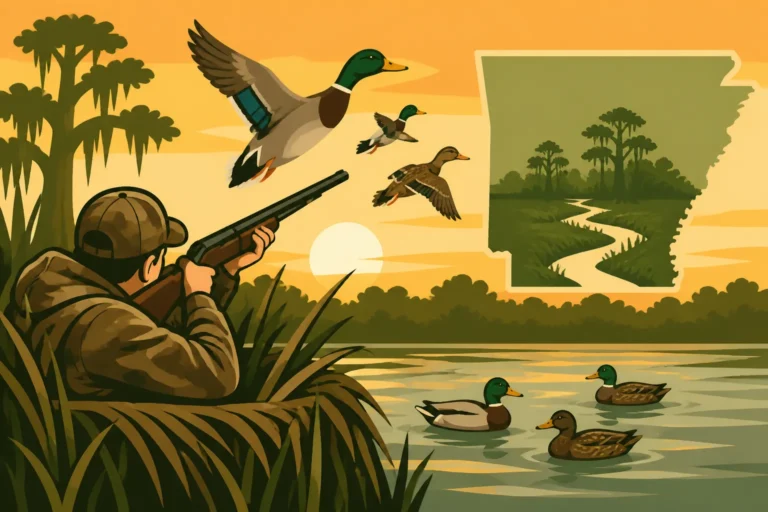
Waterfowl hunting is undoubtedly one of the big draws of the Arkansas River navigation pools. The river itself, and the numerous sloughs, oxbows, and backwaters that branch off it, provide crucial resting and feeding areas for ducks and geese migrating along the Mississippi Flyway. While not always as famous as some of the dedicated WMAs, these river spots can offer fantastic hunting, especially when the major green timber areas are crowded or dry. You might find mallards dipping into flooded willow thickets, gadwall working open stretches of water, or even specks and snows feeding in nearby agricultural fields accessible from the river. The key here is mobility and adaptability. You're often hunting natural, unmanaged water, so understanding duck behavior in these dynamic environments is crucial. Sometimes, the best spot is a small, overlooked eddy or a narrow chute off the main river that offers a bit of seclusion.
Deer and Small Game in Bottomland Timber
Beyond waterfowl, the bottomland hardwoods and dense cover along the Arkansas River are absolute magnets for deer, hogs, and various small game. These areas provide abundant food sources, from acorns and pecans to lush browse, and offer the kind of thick bedding cover that deer love. Hunting here often means still-hunting through river bottom forests, looking for natural funnels created by sloughs or changes in elevation. The terrain can be rugged, with mud, downed timber, and often high water levels, but that also means less pressure from other hunters. Don't overlook the edges of fields bordering the river corridor; these can be prime feeding areas, especially during the early archery season or late firearms season. When it comes to small game, imagine squirrel hunting along a riverbank lined with giant oaks and hickories, or pushing brush piles for rabbits in the thicker areas. The potential for a mixed-bag hunt is definitely there.
Predator and Furbearer Management
The abundance of game and diverse habitat also means the Arkansas River corridor is a fantastic area for predator and furbearer hunting. Coyotes, bobcats, and raccoons thrive in these environments, preying on small game and deer fawns. Night hunting for raccoons, using hounds along the riverbanks, is a time-honored tradition for many. For coyote and bobcat hunters, calling setups along the open river edges or in clearings within the timber can be very effective, especially where these predators move between feeding and bedding areas. The river itself serves as a travel corridor for many furbearers, making certain pinch points or crossings prime locations for trappers (with proper permits and adherence to regulations, of course). Raccoon Hunting at Night in Arkansas can be an exciting way to experience these river environments in a different light.
Accessing and Navigating the River Pools
Getting to and moving through these river hunting areas can be a bit different from your typical WMA hunt, but with the right mindset and tools, it's totally achievable.
Boat and Vehicle Access Points
Accessing the Arkansas River navigation pools primarily revolves around public boat ramps and designated Corps of Engineers access areas. These ramps are scattered along the river, providing launch points for boats, which are often essential for reaching many of the best hunting spots. While some areas might have walking trails or dirt roads leading to huntable ground, much of the prime habitat is best accessed by water. It’s critical to identify these boat ramps and parking areas before your hunt. Many state game and fish agencies, as well as the Corps, publish maps detailing these access points. Look for larger ramps that offer plenty of parking, especially if you're pulling a trailer. Remember, parking etiquette is important—don't block the ramp for others, and secure your vehicle and trailer appropriately.
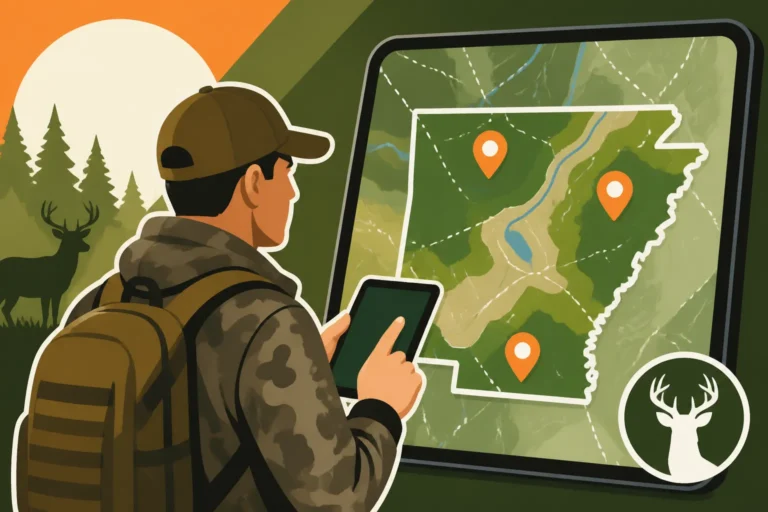
For hunters without a boat, don't despair! Some Corps lands have public roads or trails that run alongside the river, offering foot access. These areas might see more pressure, but with a good map and a willingness to walk, you can still find pockets of unpressured game. Using digital mapping tools like onX Hunt or GoHunt can be invaluable here. You can layer public land boundaries with satellite imagery to identify potential access roads, hidden trails, or even walkable sections of riverbank that lead to promising cover.
Using Mapping Tools for River Hunting
I can't stress enough how much modern mapping tools have revolutionized hunting, especially in complex areas like the Arkansas River navigation pools. Forget trying to piece together paper maps and aerial photos from different sources. Platforms like onX Hunt and GoHunt allow you to see public and private land boundaries, topo maps, satellite imagery, and even layers showing specific hunting zones or Corps of Engineers tracts, all on your phone or GPS device. This is crucial for:
- Identifying Public Land: The river corridor is a mix of public and private. Knowing exactly where the Corps land starts and stops is paramount to avoid trespassing.
- Locating Hidden Features: Satellite imagery can reveal old oxbows, sloughs, dense cover, pinch points, and even subtle elevation changes that might hold deer or ducks.
- Planning Routes: You can mark potential access points, boat runs, and walk-in routes, making sure you can safely and efficiently get to your hunting spot, especially in low light.
- Understanding Water Features: These maps help you visualize how water might flow into various sloughs or pockets, which is key for Reading Water in the Arkansas Delta or identifying ideal waterfowl spots.
Before you head out, download offline maps on your device, because cell service can be spotty in remote river bottoms. Plot your course, mark potential stand locations, and have a clear exit strategy. These tools are no substitute for boots on the ground, but they sure make scouting a whole lot more efficient.
Navigating River Currents and Water Levels
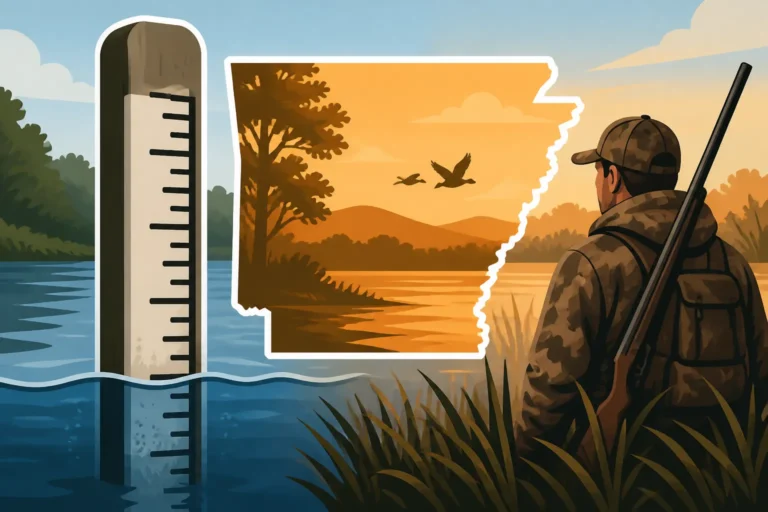
Hunting the Arkansas River means dealing with dynamic conditions. River currents can be strong, especially after heavy rains or when the Corps is generating power or managing water levels through the locks and dams. Always check river levels and flow rates before you go. What looked like a gentle slough last week might be a raging torrent this week. Strong currents can make paddling difficult and create hazardous boating conditions.
Water levels also dictate accessibility and habitat. Higher water might flood timber, opening up new duck hunting spots, but it can also make walking through bottomland nearly impossible and hide obstacles underwater. Conversely, lower water exposes more sandbars and makes certain areas more walkable, but it might dry up prime waterfowl habitat. Understanding the rhythm of the river, especially how the Corps manages the locks and dams, will give you a significant advantage. This information is often publicly available through the USACE website. Always wear a life jacket when boating, even in shallow water, and let someone know your float plan. Being prepared for rapidly changing conditions is not just smart; it's essential for safety and success on the river.
Rules, Regulations, and Considerations for River Hunting
Hunting on Corps of Engineers land along the Arkansas River involves understanding specific rules that might differ slightly from state WMAs or private land. Staying informed is key to a legal and ethical hunt.
Corps of Engineers Regulations
While the Arkansas Game and Fish Commission (AGFC) sets the statewide hunting seasons and bag limits for various species, the U.S. Army Corps of Engineers has its own set of rules that apply to the land and water they manage. These regulations often pertain to specific activities allowed on Corps property, such as:
- Vehicle Use: Designated roads and trails are usually specified; off-road vehicle use is generally restricted.
- Tree Stands and Blinds: Regulations often cover whether you can use screw-in steps, cut limbs, or leave stands overnight or year-round. Some areas may require stands to be removed daily.
- Camping: Specific camping rules and designated areas exist.
- Litter and Waste: Pack it in, pack it out. The Corps is strict about maintaining clean public lands.
- Prohibited Activities: Things like target shooting in undesignated areas or damaging property are strictly forbidden.
It's absolutely essential to check with the local Corps of Engineers field office responsible for the navigation pool you plan to hunt. They will have specific rules and perhaps maps detailing huntable areas and any localized restrictions. Ignorance of the rules is never an excuse, and violating Corps regulations can lead to fines or loss of hunting privileges.
State Hunting Regulations and Permits
Even though you're on Corps of Engineers land, you are still subject to all Arkansas Game and Fish Commission hunting regulations. This means having the proper Arkansas Hunting Licenses and What They Cost, understanding Arkansas Deer Seasons and Zone Limits, adhering to specific equipment requirements, and observing legal shooting hours. For waterfowl hunters, you’ll need your Arkansas waterfowl stamp and federal duck stamp, and be HIP registered. Nontoxic shot is required for all waterfowl hunting, and often for small game or feral hogs in certain areas within the river corridor if it's considered a wetland.
It's also worth noting that some Corps lands might fall under a broader WMA designation or have cooperative agreements with AGFC. In these instances, additional WMA-specific permits or draw hunt requirements might apply. Always double-check the current AGFC regulations digest and use the Using the AGFC Map Tool to verify any overlaying WMA rules for the specific tract you're interested in. A quick call to an AGFC regional office can also clear up any confusion.
Safety Considerations for River Hunting
Hunting along the Arkansas River navigation pools comes with unique safety considerations that you absolutely cannot ignore. First and foremost, water safety is paramount. If you're using a boat, wear your life jacket, ensure all safety equipment is onboard (lights, horn, fire extinguisher), and be aware of commercial barge traffic. Barges create large wakes that can swamp small boats, and they cannot stop quickly. Always give them a wide berth.
Beyond water, consider the terrain. River bottoms can be muddy, slick, and full of obstacles like submerged logs or thick undergrowth. Wading can be necessary, so know the water depth and never wade into currents you can't handle. Be mindful of snakes, especially cottonmouths, which are common in these wet environments. During deer season, be aware of other hunters, especially if you're hunting near popular access points. Wear hunter orange as required by law, especially during modern gun seasons, and always identify your target and what's beyond it. Arkansas Hunter Orange Requirements are there for a reason! Finally, tell someone exactly where you are going and when you expect to return. Cell service can be unreliable in these areas, so a satellite messenger or a fully charged VHF radio can be a lifesaver.
| Aspect | Description |
|---|---|
| Boating Safety | Always wear a PFD (life jacket). Ensure your boat has all required safety gear: navigation lights, horn/whistle, fire extinguisher, throwable device. Be vigilant for commercial barge traffic; they cannot stop or maneuver quickly, and their wakes are substantial. Always give barges a wide berth and cross channels cautiously. Check weather forecasts for wind and storms, which can make river conditions treacherous, especially on larger pools. |
| Navigational Tools | A reliable GPS device or smartphone with offline mapping capabilities (like onX Hunt or GoHunt) is essential. Download detailed topographic and satellite maps for the areas you plan to hunt, as cell service is often nonexistent. Mark your access points, hunting spots, and any potential hazards. A physical compass and paper map are also wise backups in case of electronic failure. |
| Footwear & Clothing | Waterproof boots (knee-high or chest waders) are crucial for navigating muddy riverbanks, sloughs, and flooded timber. Be prepared for thick brush and briars, so durable, tear-resistant clothing is a must. Dress in layers to adapt to changing temperatures, as mornings can be cold and afternoons warm, especially early or late in the season. Consider insect repellent for ticks and mosquitoes. |
| Emergency Gear | A well-stocked first-aid kit is non-negotiable. Include items for cuts, blisters, snake bites (though prevention is best), and allergic reactions. Carry a headlamp or flashlight with extra batteries. A knife, fire starter, whistle, and emergency blanket are also good to have. A fully charged power bank for your phone or GPS is a smart addition. Consider a satellite messenger for communication in areas without cell service. |
| Game Retrieval | River bottom terrain can make game retrieval difficult. A deer cart or sled might be useful for smaller game, but for larger animals, a strong rope and a buddy (or two) are often necessary. If hunting by boat, plan how you will get game into your vessel. Be prepared for mud and water, which can add significant challenge to an already strenuous task. Knowing Getting a Deer Out of an Ozark Hollow principles can often apply, even if the terrain is different. |
| Awareness | Stay alert for wildlife and environmental hazards. Be mindful of venomous snakes, particularly in warmer months. Observe and respect other river users, including fishermen, other hunters, and recreational boaters. Always practice safe firearm handling and know your hunting zone's specific rules for hunter orange. Be aware of your surroundings and any signs of changing river conditions, such as rising water or shifting sandbars. |
Disclaimer
This article is for general informational purposes only and does not constitute professional advice. Laws, prices and regulations vary by location and change over time. Consult a qualified professional for guidance on your specific situation.