Green Timber Duck Hunting in Arkansas
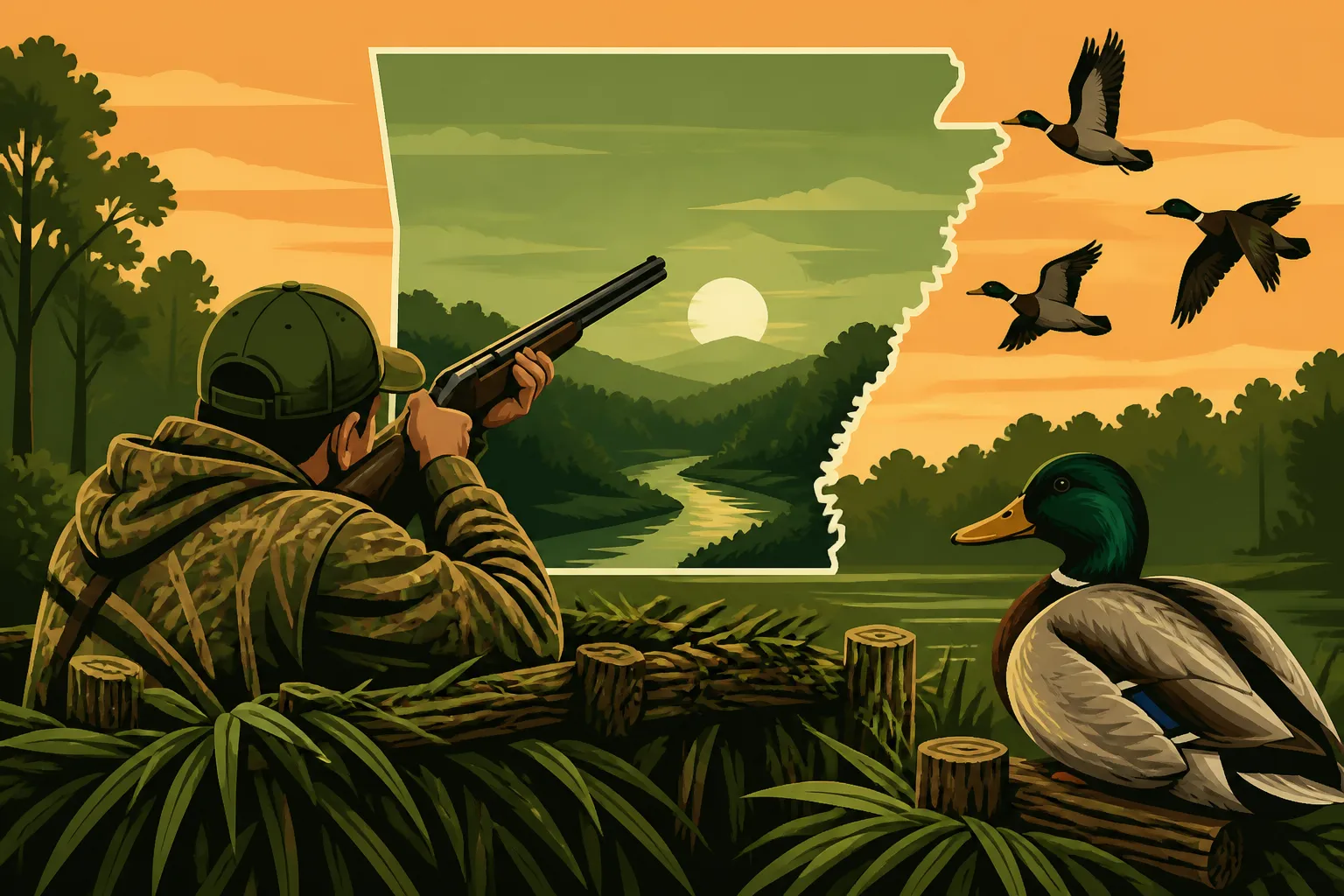
There’s nothing quite like the experience of hunting ducks in Arkansas's green timber. It's a special kind of magic when you're standing deep in a flooded forest, the first light painting streaks through the bare cypress and tupelo, and the sound of whistling wings cuts through the quiet before a barrage of quacks erupts right above your head. But let's be real, it's also incredibly challenging, often frustrating, and can feel completely overwhelming if you're new to it. This guide is here to break down the ins and outs of green timber duck hunting, helping you navigate the unique strategies, gear, and sheer grit needed to find success in Arkansas's iconic flooded woods.
The Unique Allure of Arkansas's Flooded Timber
Green timber duck hunting in Arkansas isn't just a method; it's a deep-rooted tradition, almost a way of life for many. For those who've experienced it, it's an addiction. The way the light filters through the canopy, the sound of mallards cupped and committed as they break through the treetops, the cold, still water reflecting the sky – it’s an atmosphere you simply won't find anywhere else. But what makes it so different, and why do ducks, especially mallards, gravitate so heavily towards these specific habitats?
What Defines Green Timber Hunting
At its heart, green timber hunting refers to pursuing waterfowl, primarily mallards, in seasonally flooded bottomland hardwood forests. We're not talking about open water or flooded fields here; this is about standing among trees, often wading deep into the woods, camouflaged by the very habitat the ducks call home. This type of hunting relies heavily on natural water cycles, often influenced by rainfall and river stages, which flood the low-lying areas of the Delta and other river systems. It's a far cry from a fixed blind in a dry field, demanding adaptability, stealth, and a keen understanding of both duck behavior and the ever-changing environment. It demands a different approach to everything from how you set your decoys to how you call, as discussed in detail in our guide on How Timber Calling Differs From Open Water.
Why Ducks Flock to Flooded Woods
Ducks, particularly mallards, are drawn to green timber for a few critical reasons, primarily food and shelter. The flooded acorns from red oak, pin oak, and Nuttall oak trees provide a high-energy food source that is incredibly valuable, especially as winter sets in and temperatures drop. These acorns, submerged under a few inches to a few feet of water, are a gourmet meal for migrating mallards. Beyond food, the dense canopy and tree structure offer crucial protection from predators like eagles and hawks. The broken overhead cover makes it harder for aerial predators to spot them, and the trees provide physical barriers against ground predators. Furthermore, the timber offers a sanctuary from strong winds and heavy hunting pressure often found in more open environments. Understanding Why Mallards Use Flooded Timber is key to successful hunts.
The Delta's Green Timber Legacy
The Arkansas Delta, particularly the region around Stuttgart, is synonymous with green timber duck hunting. This area boasts vast tracts of bottomland hardwoods that are historically prone to seasonal flooding from the White, Cache, and Arkansas rivers. Places like Bayou Meto WMA and Dave Donaldson Black River WMA are legendary for their timber hunting opportunities. The rich alluvial soils support massive stands of oak, and the flat topography allows for widespread, consistent flooding when conditions are right. This combination has created a migration bottleneck for mallards and other waterfowl along the Mississippi Flyway, solidifying Arkansas's reputation as the "Duck Capital of the World." The legacy isn't just about the numbers of ducks; it’s about the unique culture and traditions that have grown around pursuing these birds in the flooded woods.
Essential Gear for Timber Hunting Success
You can't just show up in the timber with any old hunting gear and expect to be comfortable, let alone successful. The unique conditions of flooded woods demand specialized equipment designed to keep you warm, dry, safe, and effective. From head to toe, every piece of gear plays a crucial role in enhancing your experience and increasing your chances of success.
Waders, Boots, and Layering Systems
Your waders are arguably the most important piece of gear for green timber hunting. They need to be durable, comfortable, and absolutely leak-proof. Neoprene waders are popular for their warmth, while breathable chest waders are excellent for their flexibility and lighter weight, especially if you plan on layering underneath. The boots on your waders need good traction to navigate slick, muddy bottoms and submerged logs. Beyond waders, a proper layering system is critical for staying warm in freezing temperatures and managing sweat from strenuous wading. Start with moisture-wicking base layers, add insulating mid-layers like fleece or down, and top it off with a waterproof and windproof outer shell in a good camouflage pattern. This system allows you to adapt to changing weather conditions and activity levels, preventing both chilling and overheating.
Shotguns, Ammunition, and Decoy Rigs
For timber hunting, a reliable 12-gauge shotgun is standard. Semi-automatics are popular for their lighter recoil and quick follow-up shots, but pump actions are equally effective. Whatever you choose, make sure it's one you're comfortable handling and shooting accurately. Ammunition must be non-toxic, with steel shot being the most common and affordable option. For the close-range, fast-action shooting often found in green timber, shot sizes like #2 or #3 steel are excellent for mallards, providing a good balance of pattern density and energy.
Decoys are another critical component. Unlike open water spreads, timber spreads are usually smaller and more intimate. You'll want a mix of mallard drakes and hens, maybe a few pintails for added visibility. Jerk cords are incredibly effective in the timber, adding life and motion to your spread, making the ducks believe there’s a happy, contented flock already on the water. Look for durable, weighted keels on your decoys that will sit properly in the water and won't get tangled in submerged branches. A simple decoy bag or backpack is often preferred over large decoy sacks to carry them through the woods more easily. Consider durable decoy line, too, as it'll be rubbing against tree trunks and branches constantly.
Navigation and Safety Tools
Getting lost in the timber, especially in unfamiliar public lands or during pre-dawn darkness, is a real possibility. A reliable GPS device or a smartphone app like GoHunt with offline map capabilities is indispensable. Before you even set foot in the woods, use these tools to scout potential entry routes and mark your blind locations. GoHunt can be invaluable here, letting you drop pins, measure distances, and understand topography even when the ground is flooded. A compass and physical map are also wise backups.
Beyond navigation, safety should always be paramount. A headlamp with a red light setting (to preserve night vision) is a must for navigating in the dark. Carry a whistle to signal for help if needed. A small first-aid kit, a knife, and a fire starter are also good additions to your pack. Always let someone know where you're going and when you expect to return. And, of course, proper firearm safety is non-negotiable, especially in close quarters with other hunters. Wading sticks or walking poles can also be a literal lifesaver, helping you maintain balance on uneven or slippery bottoms and probe water depth ahead of you.
Here’s a quick rundown of essential gear:
| Category | Item | Key Features & Considerations |
|---|---|---|
| Apparel | Breathable Chest Waders | Durable, waterproof, good traction boots, comfortable for wading |
| Layered Clothing | Moisture-wicking base, insulating mid, waterproof/windproof outer | |
| Camouflage Hat/Beanie & Gloves | Warm, blends with timber environment | |
| Firearms & Ammo | 12-Gauge Shotgun (Semi-auto/Pump) | Reliable, comfortable, appropriate for non-toxic shot |
| Non-Toxic Shot (Steel #2 or #3) | Effective for mallards at close range, legal requirement | |
| Decoys & Calls | Mallard Decoys (6-12) | Durable, weighted keels, realistic look, mix of drakes/hens |
| Jerk Cord System | Adds motion, creates realism, easy to deploy | |
| Duck Calls (Timber-specific) | Short-reed, loud, versatile for various calls | |
| Navigation & Safety | GPS Device / GoHunt App | Offline maps, marked waypoints, reliable signal |
| Headlamp (Red Light Option) | Essential for pre-dawn/post-hunt navigation, preserves night vision | |
| Wading Stick | Aids balance, checks water depth, prevents falls | |
| Small First-Aid Kit | Basic wound care, pain relief, emergency supplies | |
| Miscellaneous | Waterproof Backpack/Dry Bag | Protects electronics, snacks, extra layers |
| Thermos with Hot Drink | Keeps you warm and hydrated | |
| Shell Holder/Bandolier | Easy access to extra shells |
Scouting and Reading the Timber
Successful green timber hunting begins long before opening day, or even before you step into the woods with your gun. It starts with meticulous scouting, understanding water levels, and knowing how to interpret what the ducks are telling you. This detective work is crucial for Finding a Hole in Green Timber that holds birds.
Pre-Season Scouting and Aerial Reconnaissance
Pre-season scouting involves more than just walking around. It's about gathering intelligence. Start with topographical maps and aerial imagery, perhaps even using satellite maps on GoHunt to identify potential timber holes, sloughs, and high spots that might hold water. Look for specific tree species like pin oaks and Nuttall oaks that are known to drop abundant acorns. Identify potential entry and exit points, considering how they might change with rising water. Pay attention to road access and parking areas, especially on public lands like the numerous Arkansas Wildlife Management Areas. These areas can be incredibly pressured, so finding those less-traveled spots becomes paramount. Remember, early season scouting can give you a significant advantage, but timber can change drastically after heavy rains or prolonged flooding.
Understanding Water Levels and Duck Preferences
Water levels are the single most critical factor in green timber hunting. Ducks prefer specific depths for feeding – typically anywhere from a few inches to about 18-24 inches, allowing them to dabble and tip-up for acorns. Too shallow, and the acorns aren't accessible; too deep, and they can't reach the bottom. You need to keep a close eye on river gauges and rainfall totals in the areas you plan to hunt. Websites like the Arkansas Game and Fish Commission (AGFC) often provide gauge readings for popular WMAs, helping you understand Reading Water in the Arkansas Delta. Observe how ducks use different water depths during various conditions. They might feed in shallower areas during calm periods and move to deeper, more protected pockets during high winds or heavy hunting pressure. Successful hunters know that ducks don't just use water; they use the right water at the right time.
Identifying Roosts, Flight Paths, and Feeders
Once ducks arrive in an area, they establish routines. They’ll have roosting areas where they spend the night, feeding areas where they eat, and specific flight paths they use to travel between them. Scouting involves identifying these patterns. Listen for early morning or late evening flights – the sounds of ducks leaving or returning to a timber hole can pinpoint a roost. Look for "sheet water" – shallow, widespread flooding with lots of feeding ducks – which indicates a prime feeding area. You might see ducks landing, paddling, and actively searching for acorns. Pay attention to the direction they fly when they come into a hole and when they leave. Are they coming from a larger body of water? A nearby field? This information helps you choose your setup location, approach silently, and anticipate their movements. It's like deciphering a puzzle, and every piece of information helps you build a clearer picture of the ducks' daily lives. Sometimes, scouting during the day can reveal tell-tale signs like fresh droppings or disturbed water, indicating active feeding.
Decoy Spreads and Calling Techniques
In the close confines of green timber, your decoy spread and calling strategy need to be precise and effective. Unlike open-water hunting, you're trying to create an intimate, inviting scene in a relatively small pocket, drawing birds in at very close range.
Creating a Realistic Timber Spread
The goal of a timber spread is realism, not necessarily quantity. A small spread of 6 to 12 realistic mallard decoys, positioned naturally, is often more effective than a large, unconvincing one. Think about how ducks would naturally gather in a timber hole. They'd often be feeding, resting, and interacting. Position some decoys directly under the timber canopy, close to shooting lanes, and others a bit further out. Leave an open "landing zone" in the middle of your spread – a clear spot where ducks can comfortably set their wings and drop in. A common mistake is crowding the decoys too much; give them space to look natural.
Adding motion is absolutely crucial. A jerk cord is almost a non-negotiable item for timber hunting. The subtle ripples and movement it creates can turn a static spread into a lively, irresistible scene. Position the jerk cord where you can operate it easily from your hiding spot, and use it sparingly, mimicking the natural movements of feeding ducks. Consider a few pintail decoys if pintails are in the area, as their white breasts can offer a bit more visibility, especially on darker, cloudy days. Our article on Setting Decoys in Timber Holes provides even more specific guidance.
Mastering Timber Calling Styles
Calling in the timber is an art form distinct from open-water or field calling. The dense trees muffle sound, so your calls need to be louder and more direct to cut through the cover, but also realistic enough to convince birds at close range. Short-reed calls are popular for their versatility and volume, allowing you to produce crisp hails, feed chuckles, and excited comeback calls.
Start with a loud, confident hail call to get their attention, then transition to softer, more contented feed chuckles and clucks as they respond and work closer. The key is to "read the birds." If they’re locked up and coming, go quiet or use very soft contented calls. If they start to drift or ignore you, get a little more aggressive with comeback calls or a quick series of quacks. Practice different sequences and observe how ducks react. Sometimes, less is more; a few well-placed quacks can be far more effective than an incessant barrage of calling. Remember, you're often calling ducks into a much tighter space, so the illusion of a happy, safe haven needs to be perfect.
Optimal Blind and Cover Techniques
In green timber, your blind often is the timber itself. You'll be using the natural cover of trees, stumps, and fallen logs to conceal yourself. The most effective approach is to position yourself with your back against a large tree, breaking up your outline. Use natural vegetation – fallen branches, palmetto fronds, or cane – to further brush in your position. The goal is to disappear into the woods.
Avoid bright colors or anything that stands out. Your face should be camouflaged or covered, and your hands gloved. When ducks are working, remain absolutely still. Any sudden movement, even a subtle head turn, can flare birds. Your shooting position should be thought out in advance, ensuring you have clear lanes to swing your gun on incoming birds without hitting trees or other hunters. Good concealment is paramount, especially when ducks are circling high above before committing. You might be hunting a spot one day, and the ducks are entering from the north, and the next day they're coming in from the east due to wind or pressure. Be ready to adapt your concealment.
Hunting Strategies and Safety in the Timber
Green timber hunting requires a specific mindset and approach. It's not just about decoys and calls; it's about understanding duck behavior, anticipating their moves, and prioritizing safety in a challenging environment.
Wading and Navigation in Flooded Forests
Moving through flooded timber can be exhausting and hazardous. The water can hide submerged logs, roots, and sudden drop-offs. Always move slowly and deliberately, using a sturdy wading stick to probe the water ahead of you and maintain balance. Your wading stick can also help you feel for acorns on the bottom or identify submerged humps. On public lands, especially those with heavy use, be mindful of other hunters. Many successful hunts start with a long, dark wade, so knowing your path is critical. This is where pre-marking your route on a GPS or GoHunt app becomes invaluable. Remember that the water can rise or fall throughout the day, changing your entry or exit paths. Pay attention to landmarks, even in the dark, and always keep a mental map of your surroundings.
Once you’ve found your spot, remember that your entry route through flooded timber should be as quiet and stealthy as possible. Ducks are incredibly sensitive to noise, and splashing or breaking branches will send them flying long before you get set up.
Reading Duck Behavior and Making the Shot
Ducks will often circle a timber hole several times before committing. This is their way of checking for danger. Watch their wings; if they're cupped and dropping their feet, they're typically committed. If they're flying tight circles with stiff wings, they might be wary. Pay attention to how they respond to your calls. Are they looking your way? Are they dropping altitude?
The decision to call the shot is crucial. In green timber, ducks often appear suddenly and at close range. Wait for the birds to be within ethical shooting distance, with their wings set, giving you a clean shot at vital areas. Don't rush it. It's common for ducks to come in low over the treetops, often disappearing and reappearing quickly. Be patient, let them commit, and pick a single bird. Many hunters prefer to shoot when ducks are landing or just hovering over the decoys for the easiest shot. Remember, Hunting Timber on a Bluebird Day presents unique challenges, as ducks can be warier in bright conditions.
Retrieval and Ethics in the Timber
Retrieving downed birds in dense timber can be just as challenging as getting them to commit. A good retriever is worth their weight in gold in this environment, but if you don't have one, mark where the bird falls precisely. Use a unique tree, a specific patch of water, or your GPS to mark the spot. Fallen timber and thick brush can hide a bird surprisingly well.
Ethical hunting dictates that you do everything possible to recover every bird you shoot. If a bird sails off after the shot, try to track its flight path and mark where it went down. Even if it seems impossible, make a diligent effort to find it. This commitment to retrieval honors the game and minimizes waste. Always be aware of your surroundings, especially if other hunters are nearby. Never shoot at low-flying birds or birds that are too close to other hunters, and be absolutely certain of your target before you pull the trigger. Respect for the resource and fellow hunters is paramount.
Navigating Public Land Challenges
Public lands are a blessing for many hunters, but they come with their own set of challenges, especially in popular green timber duck hunting areas like Arkansas. Pressure from other hunters and varying access rules can make a successful hunt feel like winning the lottery.
Understanding WMA Regulations and Draws
Arkansas boasts an incredible network of Wildlife Management Areas (WMAs) that offer green timber hunting opportunities, such as Bayou Meto WMA or Dave Donaldson Black River WMA. However, these areas often have specific, sometimes complex, regulations. Many WMAs, especially the most popular ones, operate on a draw system, requiring hunters to apply in advance for a chance to hunt certain units or days. Our guide to Arkansas WMA Duck Hunt Draws explains this process in detail. Others might have daily sign-in requirements, specific shooting hours, or even restrictions on boat motor size. It is your responsibility to thoroughly understand the rules for the specific WMA you plan to hunt. A quick check of the AGFC website or a call to the local office can save you a lot of grief and potential fines. Being informed is half the battle.
Dealing with Hunting Pressure and Crowds
High hunting pressure is an unavoidable reality on popular public green timber lands. Opening weekend and prime migration periods will see hunters elbow-to-elbow in some areas. This pressure can make ducks incredibly wary, pushing them into less accessible areas or causing them to feed at night. To combat this, consider hunting during weekdays when crowds are lighter. Don't be afraid to walk further than others are willing to go; often, the best holes are a mile or more from the nearest access point. Using mapping apps like GoHunt can help you identify remote timber pockets. Sometimes, hunting later in the season, after the initial rush, can also yield better results as ducks become more accustomed to the environment, or new birds migrate in. Patience and persistence are key when dealing with heavy pressure.
Finding Undisturbed Timber Pockets
The true secret to consistent success on public green timber is finding those undisturbed pockets that other hunters overlook or simply can't reach. This often means wading through thick brush, crossing sloughs, or pushing deeper into the woods than most are willing. Look for areas away from main trails, boat ramps, or common parking spots. Use your aerial maps to identify small, isolated timber blocks or hard-to-access fringes of larger areas. These spots might not look like much on a map, but a small, hidden hole with good acorn production can hold a surprising number of birds if it's not pressured. Sometimes, scouting during the season, after the initial rush, can reveal these overlooked gems. Ducks, especially smart, mature mallards, quickly learn where the pressure is and where they can find sanctuary. Being able to find and access these quieter spots is a true skill.
Conservation and the Future of Green Timber Hunting
The magic of green timber hunting isn't something we can take for granted. The very existence of these unique ecosystems and the migratory waterfowl that depend on them relies heavily on ongoing conservation efforts and responsible stewardship.
The Importance of Habitat Preservation
Green timber wetlands are incredibly vital, not just for ducks, but for a vast array of wildlife. They act as natural filters for water, prevent soil erosion, and provide critical habitat for numerous species beyond waterfowl, including many types of songbirds, mammals, and amphibians. Unfortunately, these habitats have been significantly impacted by human activities over the centuries, with vast tracts being converted to agriculture or lost to development. Preserving the remaining green timber, and actively restoring degraded areas, is paramount. Organizations like Ducks Unlimited, the Arkansas Game and Fish Commission, and other conservation groups play a crucial role in acquiring, managing, and restoring these vital lands. Hunters, through license fees and excise taxes on gear, are often the primary funders of these critical efforts, directly contributing to the future of the sport. Understanding Green Tree Reservoir Management in Arkansas sheds light on some of these practices.
Sustainable Hunting Practices
Responsible hunting is a cornerstone of conservation. This includes adhering to all bag limits and season dates, never exceeding your legal take, and practicing ethical shooting to minimize crippling losses. It also means recognizing the impact of your presence. Minimizing disturbance, especially in roosting areas, and picking up all spent shells and trash helps maintain the pristine nature of these special places. Sustainable hunting also involves supporting research and monitoring efforts that inform management decisions, such as data on Arkansas Duck Counts and Aerial Surveys. By being ethical and responsible hunters, we not only ensure healthy duck populations but also protect the integrity and reputation of hunting for future generations.
The Role of Hunters in Conservation
Hunters have historically been, and continue to be, the most passionate and effective advocates for conservation. Through organizations, volunteer efforts, and financial contributions, hunters directly fund the protection and enhancement of wildlife habitats. Every hunting license, duck stamp, and piece of gear purchased contributes to conservation dollars that go directly back into managing lands and populations. Beyond finances, hunters are often the first to notice changes in wildlife populations or habitat health, serving as crucial eyes and ears on the ground. Participating in local conservation projects, advocating for sound wildlife policy, and educating others about the importance of wetlands are all ways hunters can ensure that the unique experience of green timber duck hunting remains vibrant for years to come.
Disclaimer
The information provided in this guide is for general informational purposes only and does not constitute legal advice. Hunting regulations in Arkansas can change, and it is the responsibility of each hunter to consult the most current Arkansas Game and Fish Commission (AGFC) regulations and local ordinances before engaging in any hunting activities. Always prioritize safety and ethical hunting practices.