Green Tree Reservoir Management in Arkansas
Green tree reservoirs (GTRs) are a cornerstone of duck hunting in Arkansas, yet managing these unique habitats is far more complex than simply flipping a switch to let water in. Many hunters don't realize the delicate balance involved, often leading to frustrations when areas don't hold water or seem "off." This guide aims to pull back the curtain on green tree reservoir management in Arkansas, explaining what they are, why they're so vital, the science behind their careful operation, and the significant challenges land managers face in maintaining them for both timber health and migrating waterfowl.
Understanding Green Tree Reservoirs and Their Importance
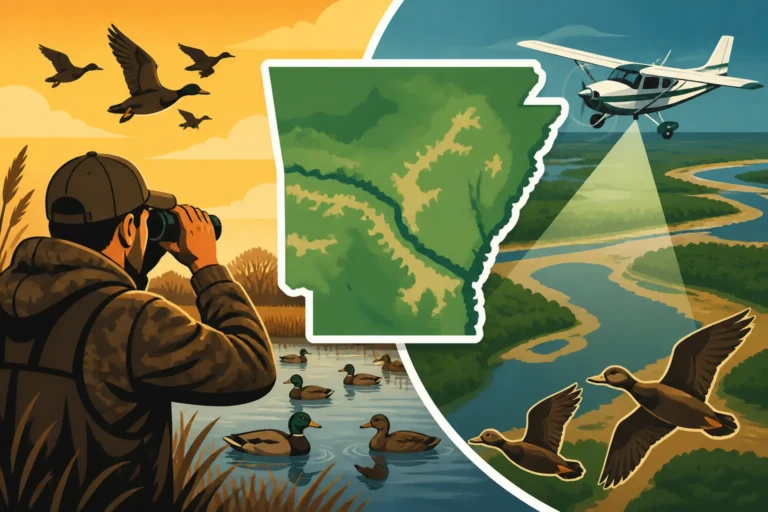
For generations, the image of mallards cupped over flooded timber has defined duck hunting in the Arkansas Delta. Much of this iconic landscape isn't naturally flooded every year, at least not to the consistent, managed levels we've come to expect. That's where green tree reservoirs come into play.
The Concept of a Green Tree Reservoir
A green tree reservoir, or GTR, is essentially a forested area, often bottomland hardwoods, that is artificially flooded during the waterfowl season and then de-watered at specific times to protect the health of the trees. Think of it as a giant, managed bathtub in the woods. These areas are typically encircled by low levees, equipped with water control structures like gates or flashboard risers, and sometimes even pumps, to precisely manage water levels. The goal is to mimic the natural flood cycles that trees like oaks are adapted to, but on a schedule that aligns with the arrival and departure of migratory ducks.
Without these managed water control systems, many prime timber tracts simply wouldn't hold water long enough, or at the right depth, to create the ideal habitat for wintering ducks. It's a massive undertaking, but one that has shaped the very identity of Arkansas duck hunting.
The Ecological Niche GTRs Fill for Waterfowl
GTRs are an absolute magnet for ducks, particularly mallards and wood ducks, because they offer a perfect trifecta of food, shelter, and security. The primary food source within these flooded forests is acorns. When the water rises, it makes these nutrient-rich mast crops available to ducks, which can easily dabble for them in the shallow depths. A good acorn crop in a managed GTR can hold ducks for weeks, if not months.
Beyond food, the dense tree canopy provides critical shelter from harsh winter winds and aerial predators. Ducks feel much safer in the timber than in wide-open fields. The flooded understory also creates an abundance of invertebrates and seeds, further diversifying their diet. It's a living buffet and a safe haven, all rolled into one. For an in-depth look at this, check out Why Mallards Use Flooded Timber.
Historical Significance and Evolution in Arkansas
Arkansas, historically known as the "Duck Factory" of the South, saw the rise of GTRs as a direct response to changing land use. As vast tracts of bottomland hardwoods were cleared for agriculture in the 20th century, the remaining timbered areas became even more critical. Land managers, particularly the Arkansas Game and Fish Commission (AGFC) and private landowners, began to understand that they could enhance and stabilize duck habitat by actively managing water on these remaining forest lands.
The development of GTRs allowed for consistent, predictable duck habitat year after year, even in seasons with less natural rainfall. This management style transformed the Delta into the world-renowned waterfowl destination it is today. However, this success also brought unforeseen challenges over the decades, leading to a continuous evolution in how these precious resources are managed.
The Science and Practice of GTR Management
Managing a green tree reservoir is a delicate dance between hydrology, forestry, and wildlife biology. It's not just about filling a basin with water; it's about sustaining a complex ecosystem for the long haul.
Precise Water Level Manipulation
The core of GTR management revolves around manipulating water levels with surgical precision. The typical annual cycle involves:
- De-watering (Spring/Early Summer): After the duck season, usually by early spring, the GTRs are completely drained. This is crucial for the health of the bottomland hardwood trees, which are not adapted to continuous inundation. Exposed soil allows oxygen to reach the roots, preventing "wet foot" syndrome and promoting healthy growth and acorn production. It also allows forest floor vegetation to grow, providing additional food sources for ducks when flooded later.
- Drying (Summer): The summer months are for the trees. This dry period ensures the oaks and other hardwoods can thrive, produce a good acorn crop, and withstand the upcoming flooding. It's a time for critical maintenance, too, like inspecting levees and water control structures.
- Reflooding (Fall/Early Winter): As migratory waterfowl begin their journey south, GTRs are slowly reflooded, usually starting in late October or November. Water is typically held at shallow depths, generally 6 to 18 inches, making acorns and aquatic invertebrates accessible to dabbling ducks. The timing and rate of flooding are carefully controlled to coincide with duck migration and minimize stress on the trees.
This precise schedule is paramount. Flooding too early or holding water too long can have devastating effects on the timber, leading to tree mortality. For public land GTRs, agencies like the AGFC publish their planned water schedules, which are invaluable for hunters planning trips. You can often find this information using tools like GoHunt's mapping layers or direct from the AGFC website.
Balancing Timber Health and Waterfowl Needs
This is arguably the greatest challenge in GTR management. The very act of flooding timber for ducks, while beneficial for waterfowl, puts stress on the trees. Many species of bottomland hardwoods, especially oaks, are adapted to seasonal flooding, but not to prolonged, continuous inundation during their growing season. If the water isn't drawn down promptly in the spring, or if it's held too high for too long, tree roots can be deprived of oxygen, leading to weakened trees, reduced acorn crops, and eventually, death.
Managers must constantly weigh the immediate benefits of attracting ducks against the long-term health and sustainability of the forest. This often involves making tough decisions, sometimes restricting hunter access or modifying flood schedules to prioritize timber health. This careful balancing act is essential to ensure these habitats remain viable for future generations of ducks and hunters. The AGFC works hard to implement strategies to maintain robust forest ecosystems.
Infrastructural Requirements and Maintenance
Operating GTRs requires significant infrastructure and ongoing maintenance. This includes miles of earthen levees that define the boundaries of the reservoirs, sophisticated water control structures (such as flashboard risers, culverts, and gates) that allow for precise water level adjustments, and often, powerful pumps to rapidly flood or de-water areas, especially in times of drought or excessive rainfall.
Maintaining this infrastructure is a continuous, labor-intensive, and expensive endeavor. Levees erode, control structures break, and pumps require fuel and repairs. Beaver activity is a constant battle, as they will readily plug culverts and build dams, disrupting water management plans. Without dedicated personnel and consistent funding, these systems would quickly fall into disrepair, rendering the GTRs ineffective. Understanding Arkansas Wetland Acres Managed for Ducks gives a sense of the scale of this effort.
Challenges and Modern Considerations in GTR Management
The management of green tree reservoirs is not static; it faces evolving challenges from climate change, ecological shifts, and resource limitations. These issues are prompting a reevaluation of traditional GTR practices.
The Threat of "Wet Foot" Syndrome
One of the most pressing concerns for GTRs is "wet foot" syndrome, or hydrological stress. When trees, particularly oaks, are subjected to prolonged flooding, especially during their spring growing season, their roots are deprived of vital oxygen. This can lead to a host of problems: reduced growth, increased susceptibility to disease and insect infestations, and ultimately, widespread tree mortality.
In some older GTRs, managers have seen significant die-offs of mature oak timber, turning once vibrant "green tree" reservoirs into open water or stands of dead snags. This isn't just an aesthetic problem; it means the loss of critical acorn production, which is a primary food source for ducks. As a result, many management agencies, including the AGFC, are implementing more conservative flooding regimes and are actively working on timber stand improvements to foster more water-tolerant tree species and rejuvenate existing stands. This is why you might hear about Why Some Arkansas Green Timber Is Dying.
Climate Change and Water Availability
Climate change introduces significant uncertainty into GTR management. More extreme weather patterns, including prolonged droughts and intense rainfall events, can wreak havoc on traditional water management schedules. During droughts, managers may struggle to get enough water to flood GTRs to optimal levels, impacting duck usage and hunter success. Conversely, excessive rainfall can lead to unintended, prolonged flooding, exacerbating wet foot issues and making it difficult to de-water areas on schedule.
The rising variability in water availability means managers must be more flexible and adaptive than ever before. This might involve exploring new pumping strategies, diversifying habitat types within WMAs to offer alternatives when GTRs are suboptimal, or even allowing some areas to remain unflooded in dry years to protect timber health. Knowing Reading Water Levels on the White River or other local rivers can give hunters an early indication of water availability.
Funding, Personnel, and Aging Infrastructure
The vast network of GTRs across Arkansas represents a significant investment over many decades. However, maintaining this infrastructure is a constant drain on resources. Aging levees, water control structures, and pumps require continuous repair and replacement. Competition for funding, combined with the need for specialized personnel to operate and maintain these complex systems, presents an ongoing challenge.
Many GTRs were designed and built decades ago, and their infrastructure is showing its age. Modernizing these systems to be more efficient and resilient to changing environmental conditions requires substantial capital. Public and private land managers constantly seek innovative ways to fund these vital maintenance efforts, including seeking grants and fostering partnerships.
Hunting GTRs: A Hunter's Perspective
For hunters, green tree reservoirs represent some of the most exciting and traditional duck hunting opportunities in Arkansas. But understanding how they are managed can give you a real edge.
Understanding the Water Schedule
One of the most important pieces of information a GTR hunter can have is the planned water schedule. Public WMAs often post their intended flooding and de-watering dates. This information is crucial for anticipating when ducks might start using an area and how long it will hold huntable water. Arriving too early before water levels are up, or too late after a de-watering event, can mean a wasted trip.
Checking the AGFC website or calling WMA offices directly before you head out is always a good idea. Hunters often consult onX Layers for Arkansas Land Status or similar mapping apps, which sometimes include public land management information, to cross-reference with official reports.
Locating Key Areas within a GTR
Even when a GTR is flooded, not all areas are created equal. Experienced timber hunters know how to read the landscape to find the spots where ducks are most likely to feed and loaf. Look for:
- Acorn Flats: Areas with a high concentration of oak trees are obvious targets. Identifying specific oak species that drop acorns early or late in the season can help you pinpoint feeding activity throughout the duck season.
- Canopy Openings: Small holes in the tree canopy provide ducks with easier landing zones and often serve as preferred loafing spots. Setting Up on a Canopy Opening or Setting Decoys in Timber Holes can be key strategies.
- Travel Corridors: Ducks often follow subtle topographical changes or open lanes through the timber. Identifying these "flyways" can be vital for setting up your spread.
- Edge Habitat: The edges of GTRs, particularly where they meet unflooded timber or fields, can be high-traffic areas as ducks transition between feeding and resting zones.
Using aerial imagery or mapping apps like GoHunt during the off-season to scout these features can pay huge dividends once the water is up and ducks arrive.
Adapting Tactics to Flooded Timber
Hunting in flooded timber requires specific tactics different from open-water or field hunting.
- Calling: Timber calling is typically softer, more subtle, and focused on reassuring quacks and feeding chuckles, rather than aggressive hail calls. The sound travels differently through dense trees. Learn more in How Timber Calling Differs From Open Water.
- Decoy Spreads: Fewer decoys are often needed in timber, placed closer to your hide. Focus on realism and creating a natural, inviting spread that suggests a safe feeding spot. Jerk strings and other motion decoys can be incredibly effective in the still waters of a GTR.
- Stealth and Hides: Ducks are incredibly wary in timber. A good hide is paramount, whether it's a brushed-in boat, a natural tree line, or a layout blind. Minimize movement and noise.
- Entry and Exit: Planning your approach and departure to avoid spooking birds is essential. Often, this means arriving well before legal shooting light and staying until after shooting hours, or at least being incredibly quiet. Consider Entry Routes Through Flooded Timber for more detail.
| GTR Management Activity | Timing (General) | Purpose | Hunter Impact (Positive) | Hunter Impact (Negative) |
|---|---|---|---|---|
| Full De-watering | Early Spring (Apr-May) | Tree health, expose seeds, infrastructure work | Healthy timber, better food sources | No hunting |
| Drying & Maintenance | Summer (Jun-Sep) | Tree growth, acorn production, repairs | Stronger timber, future food | No hunting |
| Slow Reflooding | Late Fall (Oct-Nov) | Attract early ducks, allow duck access | Early season opportunities | May be too shallow for some areas |
| Maintain Flood | Winter (Dec-Jan) | Provide sustained habitat, food access | Peak season hunting, consistent use | If too long, timber damage |
| Early Drawdown/Rest | Intermittent | Timber recovery, mitigate "wet foot" | Long-term habitat sustainability | Temporary GTR closures |
Disclaimer
This article is for general informational purposes only and does not constitute professional advice. Laws, prices and regulations vary by location and change over time. Consult a qualified professional for guidance on your specific situation.