Arkansas Wetland Acres Managed for Ducks
Duck hunters in Arkansas often wonder about the sheer scale of effort put into making this state a waterfowl mecca. It’s not by accident that Arkansas consistently ranks as a top destination for ducks. This guide dives deep into the incredible commitment and extensive acreage dedicated to managed wetlands, ensuring prime habitat for migrating ducks and exceptional hunting opportunities across the Natural State.
The Essential Role of Managed Wetlands in Arkansas's Waterfowl Legacy
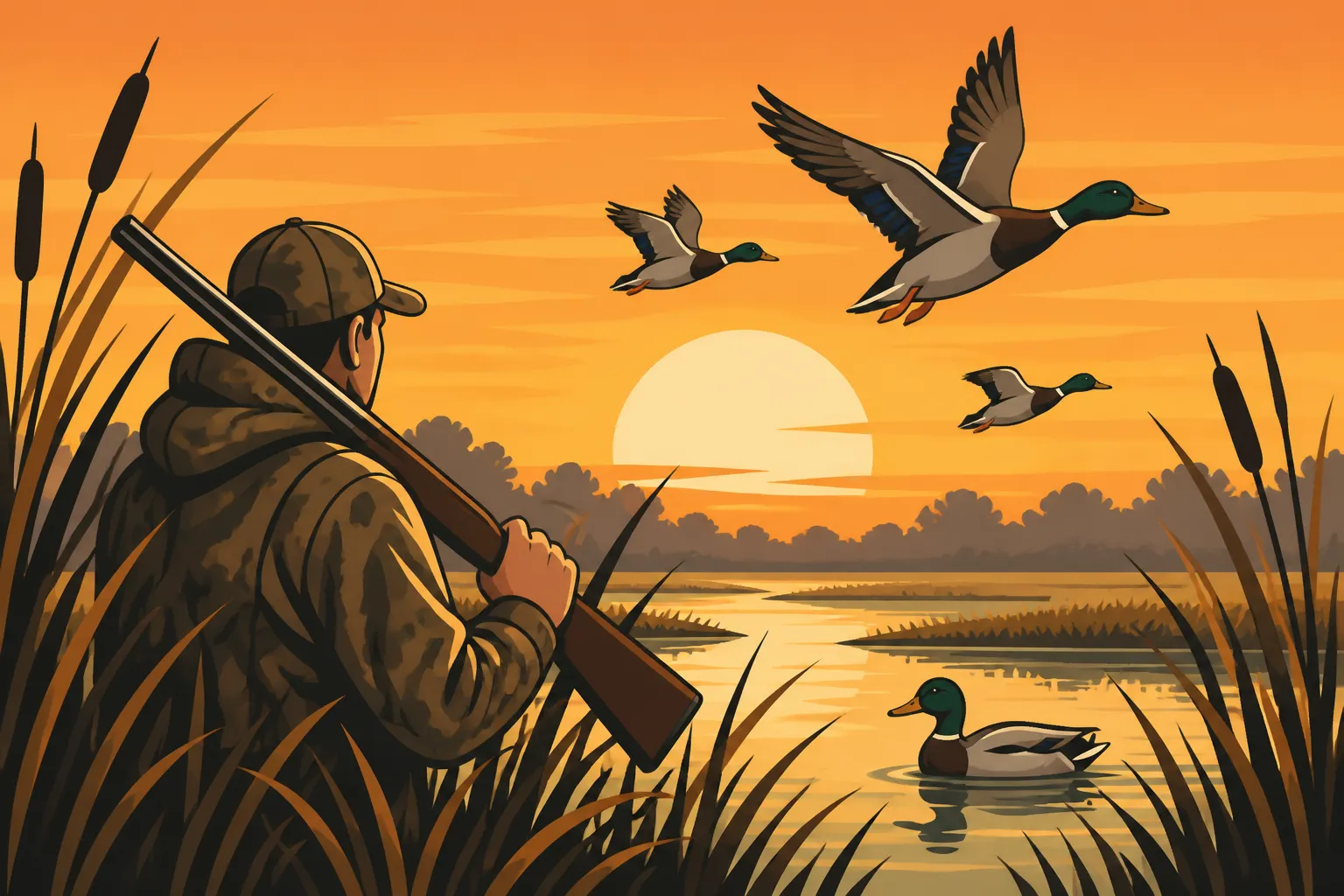
When you think of Arkansas duck hunting, images of mallards cupped over flooded timber often come to mind. But that iconic scene, and countless others across rice fields and moist-soil units, isn't simply a gift of nature. It's the result of tireless, intentional wetland management. Without these dedicated efforts, the vast numbers of ducks that migrate down the Mississippi Flyway each fall and winter wouldn't find the critical food and sanctuary they need. Arkansas’s reputation as a duck hunting paradise is inextricably linked to the millions of acres that are actively managed, year after year, to create and sustain prime waterfowl habitat. It’s a monumental undertaking, but one that has truly shaped the state's outdoor heritage.
From Natural Flooding to Intentional Management: A Necessary Evolution
Historically, much of eastern Arkansas was a vast expanse of bottomland hardwoods, naturally flooding from the meandering rivers and bayous of the Mississippi Alluvial Plain. This natural cycle created incredible waterfowl habitat. However, over the past century, vast portions of these wetlands were drained and converted to agriculture. While agriculture, particularly rice farming, now provides significant food sources for ducks, the natural hydrology was dramatically altered. The result was a patchwork of remaining natural wetlands, agricultural fields, and a critical need for human intervention to restore and maintain suitable habitat. This shift meant that relying solely on natural events was no longer enough; active management became paramount to support the huge influx of migratory birds. The dedication to this proactive approach is precisely why Arkansas continues to be such a vital stopover for ducks.
Defining "Managed Wetlands": More Than Just Flooded Ground
When we talk about "managed wetlands" in Arkansas, it's far more nuanced than just letting a field flood. It encompasses a spectrum of scientific practices designed to maximize the habitat value for waterfowl, considering their feeding, roosting, and resting needs throughout the hunting season and beyond. This involves precise water control, vegetation manipulation, and understanding the ecological balance of the area. It means creating a buffet of high-energy foods like acorns, waste grain, and natural moist-soil seeds, all timed to coincide with the birds' arrival and departure. It’s a dynamic process, often requiring significant infrastructure like levees, pumps, and water control structures, along with a deep understanding of waterfowl biology and plant ecology. Essentially, it's about making sure that when those ducks hit Arkansas, they find exactly what they need to thrive.
Diverse Strategies for Wetland Habitat Management Across Arkansas
Arkansas employs a variety of management strategies, each tailored to specific landscapes and habitat types, all with the goal of providing optimal conditions for migratory waterfowl. From the ancient hardwoods to modern agricultural fields, these diverse approaches ensure a mosaic of habitats, supporting different duck species and their unique preferences. Understanding these methods helps hunters appreciate the effort behind every successful hunt and the complexity involved in maintaining Arkansas’s waterfowl allure. These strategies are a testament to the dedication of conservationists and land managers across the state.
Green Tree Reservoirs: The Heartbeat of Timber Hunting
Perhaps the most iconic form of managed wetland in Arkansas is the Green Tree Reservoir, or GTR. These are tracts of bottomland hardwood timber that are intentionally flooded during the fall and winter months. The goal is to provide foraging opportunities on mast (like acorns) and invertebrates, as well as crucial roosting and resting areas for ducks. Managing a GTR is an art and a science. It involves carefully regulating water levels, typically by pumping water in or holding back natural rainfall, to ensure the trees remain healthy while still providing flooded habitat. Too much water, or water held too long, can stress or even kill the trees, which is why you hear so much discussion about Green Tree Reservoirs and Timber Health. Proper management aims to mimic natural flood cycles, allowing the timber to rest and recover during the growing season. This practice is vital for Green Timber Duck Hunting in Arkansas and is a cornerstone of the state's waterfowl appeal.
Moist-Soil Units: Natural Forage Powerhouses
Beyond the timber, moist-soil units are another critical component of wetland management. These are typically open, non-timbered areas that are flooded and dewatered seasonally to promote the growth of native wetland plants such as smartweed, barnyard grass, and millet. These plants produce an abundance of seeds that are incredibly nutritious for ducks, especially dabblers like mallards, teal, and pintails. Unlike GTRs, moist-soil management focuses on the vegetation itself rather than the trees. Water levels are manipulated to encourage seed production, followed by controlled flooding to make those seeds available to ducks. The beauty of moist-soil units lies in their natural productivity and their ability to provide diverse food sources that complement the mast in flooded timber. Many public lands managed by the Arkansas Game and Fish Commission employ this strategy, creating rich feeding grounds for countless birds. If you're Hunting Arkansas Moist-Soil Units, you're often targeting areas brimming with these natural foods.
Agricultural Lands: Rice and Other Crops as Duck Magnets
You simply cannot discuss Arkansas waterfowl habitat without talking about agriculture, especially rice. Arkansas is one of the nation's leading rice-producing states, and these fields, particularly after harvest, become incredible feeding grounds for ducks and geese. Many farmers in the Delta region intentionally leave waste grain in their fields and flood them, creating what are essentially vast, private duck hunting opportunities. This synergy between agriculture and waterfowl is a unique aspect of Arkansas. The nutritional value of waste rice, corn, and soybeans provides a critical energy source for ducks that have flown thousands of miles. While not "managed wetlands" in the traditional sense of habitat creation, the management of water on these fields to attract birds makes them an invaluable part of the overall waterfowl landscape. It’s a prime example of how human activity can unintentionally (or intentionally) benefit wildlife, making Field and Flooded Rice Duck Hunting in the Delta a staple for many hunters.
Who Manages Arkansas's Precious Duck Habitat?
Maintaining Arkansas's status as a premier waterfowl destination is a collaborative effort involving state agencies, federal organizations, private landowners, and dedicated conservation groups. Each plays a crucial role in managing the millions of acres that draw ducks down the Mississippi Flyway. It’s a complex tapestry of public and private initiatives, all working towards the common goal of sustaining healthy waterfowl populations and hunting traditions.
The Arkansas Game and Fish Commission's Extensive Portfolio
The Arkansas Game and Fish Commission (AGFC) is a powerhouse in wetland management, overseeing vast tracts of public land, often referred to as Wildlife Management Areas (WMAs). Many of these WMAs, particularly in the Delta, are meticulously managed for waterfowl. Iconic locations like Bayou Meto WMA, Dave Donaldson Black River WMA, and Sheffield Nelson Dagmar WMA are prime examples of the AGFC's commitment. Through careful water level control, timber management, and moist-soil unit development, the AGFC ensures that public hunting opportunities are coupled with vital habitat preservation. Their efforts are critical for maintaining accessible hunting grounds and providing refuge for ducks throughout the season. These areas are often the subject of Arkansas WMA Duck Hunt Draws, reflecting the high demand for quality public land hunting. The AGFC's dedication is why Arkansas hunters have such incredible opportunities.
Federal Partners: National Wildlife Refuges and Beyond
Federal agencies are also significant players in Arkansas's wetland management. The U.S. Fish and Wildlife Service, through its network of National Wildlife Refuges (NWRs), manages substantial acreage across the state. Refuges like Dale Bumpers White River NWR and Cache River NWR are internationally recognized for their importance to migratory birds, particularly waterfowl. These refuges often serve as critical resting and roosting areas, providing undisturbed sanctuary zones that are essential for ducks to recover from long migrations and conserve energy. While hunting opportunities exist on portions of these refuges, their primary role is large-scale habitat protection and management. The U.S. Army Corps of Engineers also plays a role, managing water levels on major rivers and lakes, which can indirectly impact thousands of acres of waterfowl habitat, especially around Arkansas Corps of Engineers Lakes.
Private Landowners and Conservation Group Contributions: Crucial Collaborators
While public lands managed by state and federal agencies are vital, a significant portion of Arkansas's managed wetlands are on private property. Thousands of private landowners, from small family farms to large hunting clubs, actively manage their lands for ducks. This often involves pumping water into rice fields, creating private GTRs, or developing moist-soil impoundments. Organizations like Ducks Unlimited, The Nature Conservancy, and the Arkansas Wetlands Association work tirelessly to provide technical assistance and financial incentives to private landowners, encouraging them to restore and manage wetlands. Their efforts are crucial because they extend conservation far beyond public land boundaries, creating a landscape-scale impact. When you see a flight of mallards, many of those birds likely benefited from a mosaic of public and private managed habitats, showcasing the collaborative spirit of Arkansas Waterfowl on the Mississippi Flyway.
Looking Ahead: Challenges and Innovations in Wetland Stewardship
The task of managing millions of wetland acres for ducks in Arkansas is not without its challenges. From environmental shifts to balancing increasing hunter demand, land managers are constantly adapting and innovating. However, the commitment to maintaining this vital habitat remains strong, with new approaches and technologies emerging to help secure Arkansas's waterfowl future.
Navigating Environmental Shifts and Water Availability
Perhaps the biggest looming challenge for wetland managers in Arkansas is the variability of water availability. Extended droughts, changing rainfall patterns, and competition for water resources (especially with agricultural demands) can make flooding green timber and moist-soil units incredibly difficult and expensive. When water levels are low, it impacts both habitat quality and hunter access, influencing everything from Reading Water in the Arkansas Delta to the ability to hold water in green timber. Managers are exploring more efficient pumping systems, alternative water sources, and resilient plant species that can withstand fluctuating conditions. There's also a constant re-evaluation of how GTRs are managed to ensure the long-term health of the valuable timber, often leading to periodic closures or modifications to allow trees to recover.
Balancing Hunter Access with Habitat Needs
Another significant challenge, particularly on public lands, is balancing the immense popularity of Arkansas Duck Harvest Numbers with the ecological needs of the waterfowl. High hunter pressure can disturb birds, pushing them out of prime areas, and excessive access can damage sensitive habitats. The AGFC continually works to find this balance, often through draw hunts, designated rest areas, and specific vehicle or boat regulations. The goal is to provide quality hunting experiences while ensuring that ducks still have undisturbed areas to feed and rest. This often means making tough decisions about access and usage, but it's all part of the commitment to a sustainable waterfowl program that benefits both birds and hunters.
The Future of Public and Private Wetland Management
The future of wetland management in Arkansas will likely see continued innovation and collaboration. Data-driven decision-making, utilizing everything from satellite imagery to drone surveys, helps managers assess habitat health and waterfowl use more effectively. Advanced mapping tools, such as those provided by GoHunt, are becoming indispensable for both managers and hunters. These tools allow for precise planning of water levels, tracking vegetation growth, and understanding migration patterns, offering a comprehensive view of the landscape. For hunters, these platforms enhance scouting by providing detailed topographical and water feature information, which can be invaluable when trying to predict where ducks might be. Conservation efforts will continue to focus on restoring degraded wetlands, enhancing existing habitats, and fostering partnerships with private landowners, ensuring that the legacy of Why Arkansas Holds So Many Ducks continues for generations to come.
| Wetland Management Type | Primary Habitat Goal | Key Species Benefited | Example Location/Benefit |
|---|---|---|---|
| Green Tree Reservoirs | Flooded timber for mast | Mallards, Wood Ducks | Iconinc flooded timber hunting, roosting, and feeding |
| Moist-Soil Units | Seed-producing vegetation | Teal, Pintails, Mallards | Diverse natural food sources, often public land |
| Agricultural Fields | Waste grain and standing crops | Mallards, Geese, Specks | High-energy food source, especially post-harvest rice |
| Permanent Water Impoundments | Roosting and escape cover | Divers, Geese | Secure refuge areas, large open water bodies |
Disclaimer
This article is for general informational purposes only and does not constitute professional advice. Laws, prices and regulations vary by location and change over time. Consult a qualified professional for guidance on your specific situation.