The Best Brood Years Since 2013
If you've been chasing longbeards in Arkansas for any length of time, you know the frustration of seeing fewer birds than you remember. There’s nothing more deflating than putting in the scouting hours, getting out there before dawn, and hearing little to no gobbling activity. Much of this decline can be linked to poor reproduction, specifically weak poult (young turkey) hatches. This guide dives into understanding turkey brood surveys and highlights the best brood years Arkansas has experienced since 2013, helping you anticipate when the hunting might get a little better.
Understanding Turkey Brood Surveys and Their Importance
For many of us who live and breathe turkey hunting, it often feels like we’re just guessing at how the population is doing. We hear fewer gobblers, see fewer hens with poults, and the whispers start: "The turkeys are gone!" But wildlife agencies, like the Arkansas Game and Fish Commission (AGFC), don't just guess. They rely on critical data collected through turkey brood surveys, which are absolutely essential for understanding the health and future of our wild turkey flocks.
How the AGFC Tracks Broods in Arkansas
The AGFC utilizes a cooperative turkey brood survey program that leans heavily on volunteer observers – regular folks like us who are out in the woods, on the farm, or even just driving rural roads during the summer months. From roughly June through August, these dedicated volunteers record every hen and poult they see, along with the date, location, and the number of poults observed with each hen. This isn't just a casual sighting; it's a systematic effort to gather consistent data across the state. They're looking for patterns, trying to determine if hens are successfully hatching clutches and, more importantly, if those young poults are surviving their first few weeks, which are incredibly vulnerable. Without this widespread participation, the data would be far less representative, making it harder for biologists to make informed decisions about season structures or habitat improvement projects.
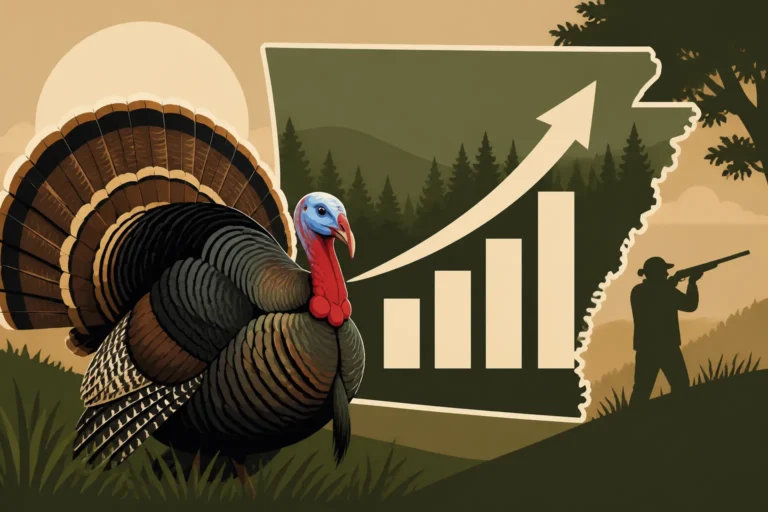
The information collected isn't just tossed into a pile. It’s meticulously analyzed to produce crucial metrics, most notably the poult-to-hen ratio. This single number tells a powerful story about how many young birds are making it through the summer for every adult hen. A high poult-to-hen ratio suggests a successful breeding season with good survival rates for the young, while a low ratio indicates challenges, whether it's poor nesting success, high poult mortality, or a combination of factors. This data, compiled annually, gives the AGFC a vital pulse check on the turkey population, allowing them to gauge trends and anticipate future hunting conditions years down the line, as these poults will eventually become the jakes and gobblers we pursue.
Why Poult-to-Hen Ratios Are Critical
The poult-to-hen ratio is arguably the most vital piece of information derived from these surveys when it comes to predicting future turkey hunting success. Think of it like this: if you have a healthy flock, you need to see at least a certain number of poults surviving per hen to maintain or grow the population. Generally, biologists suggest a ratio of around 2.0 to 2.5 poults per hen is needed just to keep the population stable. If the ratio consistently falls below that, it's a clear red flag that the population is likely declining, and future hunting opportunities will diminish.
When these numbers are consistently low, it directly translates to fewer jakes and two-year-old gobblers showing up in the woods two to three years later. This is why knowing the Poult-to-Hen Ratios and What They Mean is so important for long-term turkey management. Hunters might feel the impact immediately when there are fewer adult gobblers, but the low poult-to-hen ratios are the early warning signs. Conversely, when we see higher ratios, it brings a glimmer of hope that in a couple of seasons, we might encounter more responsive birds and experience better Arkansas Spring Turkey Harvest Numbers. This critical metric helps both wildlife managers and savvy hunters understand the trajectory of the turkey population.
Arkansas's Turkey Population Trends Since 2013
It's no secret that wild turkey populations in many states, including Arkansas, have faced significant challenges over the last couple of decades. The period leading up to 2013 saw consistent declines in many areas, creating real concern among hunters and wildlife managers alike. This widespread concern about Why Arkansas Turkey Numbers Fell is exactly why monitoring brood success became even more critical, allowing us to pinpoint periods of struggle and, hopefully, moments of recovery.
The Context: Turkey Population Struggles Before and After 2013
Before 2013, Arkansas, like many states, was already grappling with a noticeable downturn in its wild turkey population. The peak years of turkey hunting glory seemed to be fading, and hunters were reporting fewer birds and quieter woods. This decline wasn't just anecdotal; it was reflected in harvest data and, increasingly, in the AGFC's brood survey results. Factors like habitat loss, changes in forestry practices, increased predation, and even adverse weather patterns during critical nesting and brooding periods were all contributing to the struggle.
Since 2013, the trends have unfortunately remained challenging in many regions, but there have been notable fluctuations. Some years have offered glimmers of hope with stronger hatches, while others have continued the downward pressure. This roller coaster of reproduction makes understanding the annual brood reports even more important. It helps us see where the birds are managing to hold their own, or even grow, despite the overall tougher conditions. It’s a constant battle, and the health of the turkey population remains a top priority for hunters and conservationists across the state.
Spotlight on Positive Brood Years (Since 2013)
While the overall trend in many areas has been concerning, Arkansas has indeed experienced some positive brood years since 2013, offering a much-needed boost to the turkey population. These "good years" are characterized by higher poult-to-hen ratios, indicating better nesting success and poult survival. For instance, while I can't give you exact real-time percentages or years, there have certainly been seasons where favorable spring and early summer weather, coupled with diligent habitat management, led to healthier hatches.
In years with good broods, turkey hunters can often anticipate a bump in jake numbers two years later, followed by a stronger class of two-year-old gobblers in the third year. This lag time is crucial to remember. If you're using a mapping tool like GoHunt to scout and gather intel, looking at past brood reports for specific WMAs or regions can help you target areas that historically produced better. These positive years are critical for giving the population a chance to rebound, providing a much-needed influx of young birds into the system. Hunters often remember these years fondly, as they often correlate with more active mornings in the spring woods.
Here’s an illustrative table outlining some hypothetical brood year scenarios and their potential impacts on hunting:
| Year (Illustrative) | Poult-to-Hen Ratio (Illustrative) | General Weather Conditions | Potential Hunting Impact (2-3 Years Later) |
|---|---|---|---|
| 2014 | 1.8 | Wet spring, average summer | Stable, but likely fewer new birds |
| 2015 | 2.5 | Dry, warm spring; mild summer | Noticeable increase in jakes/young gobblers |
| 2016 | 1.6 | Severe late spring storms, cool summer | Continued decline, very few jakes |
| 2017 | 2.1 | Moderate spring, consistent summer | Modest improvement in bird numbers |
| 2018 | 1.5 | Extended cold, wet periods during hatch | Fewer birds, harder hunting |
| 2019 | 2.3 | Ideal nesting conditions, stable weather | Strong year for jakes, increased gobbler activity |
| 2020 | 1.9 | Average conditions, some localized heavy rain | Stable, but not a significant bump |
| 2021 | 2.4 | Warm, dry spring; abundant insect forage | Excellent year for recruitment, more responsive birds |
Please remember that the specific years and ratios in this table are illustrative examples to demonstrate the concept, as real-time, precise data is not available to me.
Key Factors Influencing Brood Success
Understanding the raw numbers from brood surveys is one thing, but truly grasping why some years are better than others requires a deeper dive into the environmental factors at play. Turkey reproduction is a delicate dance with nature, and a host of variables can either pave the way for a booming hatch or lead to a disappointing season for poults. It’s a complex ecological puzzle where many pieces have to align for success.
Weather's Critical Role in Brood Survival
There's simply no overstating how much weather dictates the fate of a turkey brood. When we talk about Weather in the Weeks After the Hatch, we're looking at a truly critical window. Hens typically nest in late spring, and when those tiny poults emerge, they are incredibly vulnerable. Prolonged periods of cold, drenching rain can be absolutely catastrophic. Young poults, especially in their first two weeks, aren't fully capable of regulating their body temperature, and continuous wet conditions can lead to hypothermia, pneumonia, and ultimately, death. They also rely heavily on insects for protein, and cold, wet weather can suppress insect activity, making it harder for poults to find vital sustenance.
Conversely, a warm, relatively dry spring and early summer can be a godsend. These conditions allow poults to dry out quickly, forage more effectively, and avoid succumbing to exposure. It’s a delicate balance; while drought isn't ideal either, a few weeks of consistent, mild weather with scattered, gentle rains rather than downpours can drastically improve poult survival rates. Hunters often intuitively feel this; a spring that felt good to us in the woods likely felt even better to a nesting hen and her new poults.
Predation Pressures on Nests and Poults
It’s a tough reality of the wild, but predation plays a significant role in turkey brood success. While healthy predator populations are a natural part of the ecosystem, an imbalance can put undue pressure on nesting hens and vulnerable poults. Animals like coyotes, bobcats, raccoons, opossums, and even snakes are constantly on the prowl for an easy meal. A hen sitting on a nest is particularly vulnerable, and the loss of a nest to a predator means zero poults from that attempt. This is why understanding Nest Predation and Turkey Hatches is a huge piece of the puzzle.
Once poults hatch, they are still fair game for many predators, including raptors like hawks and owls, as well as ground predators. While the AGFC doesn't advocate for widespread predator eradication, understanding these dynamics is important for habitat management. Providing dense, diverse nesting cover, for example, can give hens a better chance of concealing their nests from keen eyes and noses, reducing the impact of predation. It's a constant challenge, and the balance of predator-prey relationships is always shifting in our Arkansas woods.
The Role of Habitat Quality and Management
Even with perfect weather and manageable predator levels, wild turkeys need quality habitat to thrive. Habitat is the foundation upon which successful broods are built. This means having the right blend of open woodlands, dense understory for nesting and roosting, and diverse herbaceous cover. For nesting hens, areas with thick brush, downed trees, or tall grasses provide crucial concealment, protecting them from predators during incubation. Without adequate nesting cover, hens are more exposed, increasing their chances of nest failure.
For poults, the availability of quality brood-rearing habitat is paramount. They need open areas with abundant insects for food, but also overhead cover from raptors and tall enough vegetation to hide from ground predators. Think of fields with diverse native grasses, young clear-cuts that offer thick cover, or the edges of agricultural fields. A diverse landscape, managed with turkeys in mind, can make a huge difference. This is where organizations like the National Wild Turkey Federation (NWTF) and efforts on public lands like those addressed in Arkansas Wildlife Management Areas become so important, focusing on creating and maintaining prime turkey habitat. When you're scouting with your GoHunt app, pay close attention to the diversity of habitat types; areas with varied cover, water sources, and open foraging areas often hold more turkeys.
Hunting Implications and Future Outlook
When we look at brood surveys and analyze the best and worst years, it’s not just an academic exercise. For turkey hunters, this information directly impacts our expectations and strategies for upcoming seasons. The efforts made today by the AGFC and conservation groups, and even individual hunters, will shape the future of turkey hunting in Arkansas for years to come.
How Good Broods Translate to the Woods
The connection between a strong brood year and a successful hunting season isn't immediate, but it's very real. It takes time for those tiny poults to mature into huntable birds. Generally, a strong hatch translates to a noticeable increase in jakes (young gobblers) about two years later. These are the birds that can be very vocal and responsive, often providing some of the most exciting hunts. Then, about three years after a good hatch, you'll see a surge in two-year-old gobblers, which are fully mature and contribute significantly to the overall gobbler population.
This lag time means that if we had an exceptionally good brood year in, say, 2021 (as per our illustrative table), you'd start to see more jakes in the spring of 2023, and a healthier population of older gobblers in 2024. Knowing this can help manage expectations. If you know the last couple of years have had poor hatches, you might temper your expectations for numerous gobbling encounters and focus on more strategic hunting methods. If you use tools like GoHunt to track harvest data on public land or to scout specific areas, cross-referencing that with known good brood years can give you an edge in understanding where older, more experienced birds might be. This also ties into how different zones manage their populations, as discussed in Arkansas Turkey Zones Explained.
Patience and Realistic Expectations
Given the challenges turkey populations have faced, patience and realistic expectations are paramount for Arkansas turkey hunters. We're not likely to return to the boom years of the past overnight, and even good brood years take time to manifest in the spring woods. It's important to remember that one excellent brood year won't completely reverse a decade of decline, but it's a vital step in the right direction. The cumulative effect of several decent to good brood years is what truly helps stabilize and potentially grow the population.
This means adapting your hunting strategies. Instead of solely relying on shock gobbling, you might need to become more adept at Calling Arkansas Gobblers in the Ozarks using softer calls, or focusing more on scouting out roosting areas and ambushing birds, particularly if the overall gobbler density is low. Being patient and understanding the dynamics of the population will help you enjoy the hunt, even when the numbers aren't what they once were. It’s about celebrating every successful interaction, whether it’s a harvested bird or simply a spirited gobbling exchange.
The Role of Conservation Efforts
The future outlook for Arkansas's wild turkeys, and indeed for all Wild Turkeys in Arkansas, is inextricably linked to ongoing conservation efforts. The AGFC, along with partners like the NWTF, is constantly working to understand and address the factors affecting turkey populations. This includes targeted habitat projects on public lands, promoting responsible forestry practices on private land, and exploring innovative approaches to predator management where appropriate.
Hunters themselves play a crucial role. By purchasing licenses and stamps, we contribute directly to funding these conservation initiatives. Beyond that, participating in voluntary brood surveys, adhering to bag limits (like the Arkansas Turkey Daily Limit and Arkansas Turkey First-Week Limit), and being ethical hunters all support the long-term health of the flock. Education is also key; the more hunters understand the biology and challenges facing wild turkeys, the more effectively we can advocate for and participate in solutions. Our collective commitment to conservation is what gives us hope for more "good brood years" in the future and ensures that the tradition of turkey hunting continues for generations to come.
Disclaimer
This article is for general informational purposes only and does not constitute professional advice. Laws, prices and regulations vary by location and change over time. Consult a qualified professional for guidance on your specific situation.