Arkansas Turkey Harvest Numbers
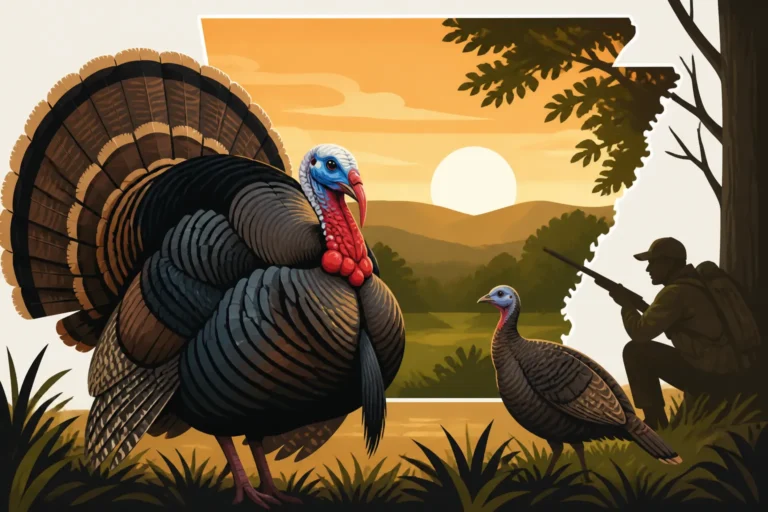
It's no secret that wild turkey hunting in Arkansas has seen its ups and downs over the years. Many of us remember a time when gobblers seemed to be around every bend, but more recently, hunters have faced increasing challenges and a lot of uncertainty about where the birds have gone. This guide is all about diving deep into Arkansas turkey harvest numbers, what they tell us, and what they mean for the future of our spring traditions.
Understanding Arkansas Turkey Harvest Data
When you punch your tag and check in that hard-earned gobbler, you're doing more than just reporting your success; you're contributing to a crucial dataset. The Arkansas Game and Fish Commission (AGFC) meticulously collects these harvest numbers, and for good reason. They're the pulse of our wild turkey populations, offering vital clues that help shape seasons and conservation efforts. For many of us who cherish spring turkey hunting, understanding these numbers is key to making sense of what we see and hear (or don't hear) in the woods.
Why Harvest Numbers Matter to Hunters
For the dedicated turkey hunter, harvest numbers are far more than just dry statistics; they're a direct reflection of the health and vitality of the wild turkey population in our state. When we see declining harvest trends, it validates the frustrations many of us feel in the field – those increasingly quiet mornings, fewer gobblers answering, and the sheer effort required to even get a bird to respond. Conversely, a healthy harvest indicates a robust population, good recruitment, and successful management strategies. This data directly impacts decisions made by the AGFC, like adjusting season lengths, bag limits, and even the locations where hunting is permitted. As hunters, these numbers are our report card, telling us how our collective efforts, and nature's cycles, are playing out for our beloved wild turkeys.
Beyond the immediate satisfaction of tagging a bird, our individual harvest reports feed into a much larger picture. They inform us about the balance between hunter pressure and turkey abundance. If the numbers consistently drop, it often signals a need for a reevaluation of current practices, prompting questions about habitat quality, predation, and disease. It's about ensuring that the heritage of turkey hunting endures for generations to come, and that means paying close attention to the hard facts presented by the harvest data.
How the AGFC Collects Harvest Information
The process of collecting turkey harvest data in Arkansas is pretty straightforward for hunters, yet it’s incredibly important for wildlife managers. Once you've successfully harvested a wild turkey, state regulations require you to report it to the AGFC. This can be done quickly and conveniently in several ways: via phone, through the AGFC website, or by using their official mobile app. Each method is designed to capture essential information like the date of harvest, the county where the bird was taken, and whether it was a male (gobbler) or a female (hen), though only bearded turkeys are legal to harvest in spring.
Accuracy in this reporting is absolutely paramount. It’s not just a bureaucratic hoop to jump through; every piece of information helps paint a clearer picture for biologists. If hunters fail to report their harvests, or report incorrect details, it creates gaps in the data, making it harder for the AGFC to accurately assess population trends and make informed decisions about future seasons. Think of it as a collective responsibility: by properly checking in your bird, you're directly contributing to the long-term health and management of Arkansas's wild turkey resource, ensuring that the statistics truly reflect what's happening on the ground. You can find detailed instructions on Arkansas Turkey Checking Rules if you're ever unsure about the process.
The Challenges in Interpreting Raw Data
Interpreting raw turkey harvest data isn't as simple as just looking at a number and drawing a conclusion. There are so many variables at play that can significantly skew the picture, making it a complex puzzle for biologists and hunters alike. For instance, severe weather during critical nesting periods can devastate poult survival rates, leading to fewer birds two years down the road, regardless of hunter numbers. A late, cold spring might keep gobblers quieter, reducing hunter success even if the population is stable.
Moreover, hunter participation itself is a massive factor. If fewer people go hunting one year, perhaps due to fuel costs, bad weather, or simply less free time, the harvest numbers will naturally be lower, even if there are plenty of turkeys out there. Conversely, a surge in hunter interest could temporarily inflate harvest figures. Reporting compliance is another subtle but powerful challenge. While the AGFC mandates reporting, there's always a percentage of birds that might go unreported, creating an incomplete dataset. All these elements mean that wildlife managers have to look beyond just the raw Arkansas Spring Turkey Harvest Numbers and consider the full ecological and human context when making management decisions.
Historical Trends in Arkansas Turkey Harvest
Looking back at the trajectory of wild turkey populations and harvests in Arkansas is a bit of a rollercoaster ride. There was a time, not so long ago, when it felt like turkeys were everywhere, a testament to successful restoration efforts. But like many states in the Southeast, Arkansas has experienced a significant shift, prompting concern and a lot of head-scratching from veteran hunters.
The Golden Age and Subsequent Decline
For many of us who grew up hunting in Arkansas, the late 1990s and early 2000s felt like the golden age of turkey hunting. After decades of diligent restoration efforts by the AGFC, which included trap-and-transfer programs that moved birds into suitable habitats, wild turkey populations absolutely boomed. Harvest numbers soared, reaching their peak in the early 2000s, with some years seeing upwards of 20,000 birds harvested statewide. It was a time when hearing multiple gobblers on the roost wasn't uncommon, and success rates felt much higher.
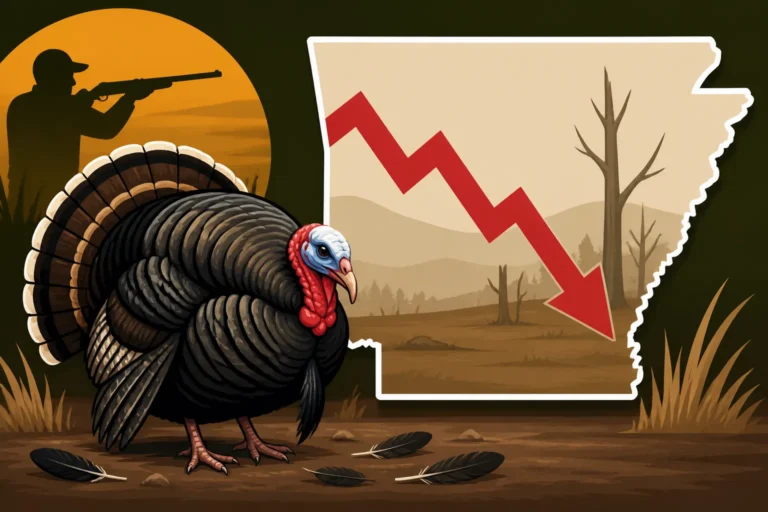
However, around the mid-2000s, a worrying trend began to emerge. The once-booming populations started to show signs of decline, and harvest numbers began a steady, sometimes sharp, descent. This wasn't a sudden crash, but rather a gradual erosion that chipped away at the population year after year. Hunters started noticing fewer birds, less gobbling activity, and ultimately, significantly lower success. The question of Why Arkansas Turkey Numbers Fell became a pressing concern, leading to intensive studies and discussions among wildlife biologists and the hunting community.
Factors Contributing to the Decline
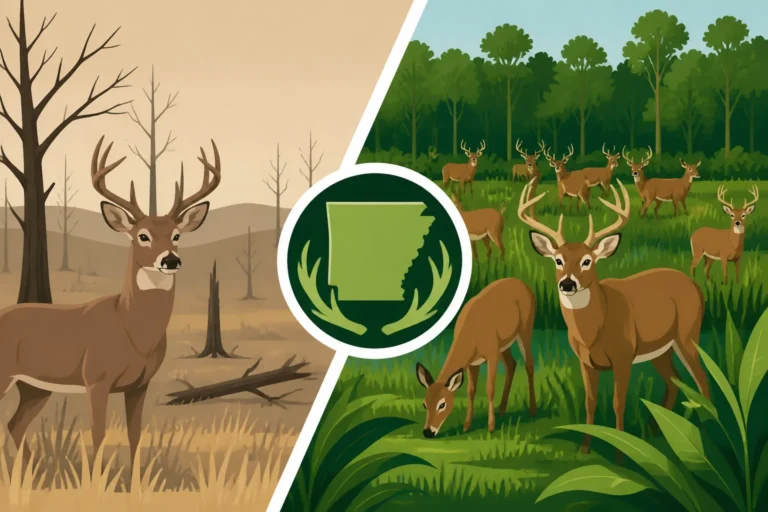
The decline in Arkansas turkey populations, reflected directly in the harvest numbers, isn't attributed to a single cause but rather a complex web of environmental and biological factors. One of the most significant issues is habitat loss and degradation. As timber practices shift towards shorter rotation pine plantations or agricultural land conversion, the diverse, mature hardwood forests and early successional habitats that turkeys thrive in become fragmented or disappear altogether. This reduction in quality nesting, brooding, and foraging areas puts immense pressure on turkey survival and reproduction.
Beyond habitat, increased predation plays a substantial role. Growing populations of predators like raccoons, opossums, coyotes, and even feral hogs can devastate turkey nests and poults, which are particularly vulnerable. Climate change and extreme weather events also contribute to the challenge. Unseasonably cold, wet springs can lead to high poult mortality, as young turkeys are highly susceptible to hypothermia and disease in damp conditions. Droughts can also impact food sources and nesting cover. All these factors combine to make successful recruitment — the survival of enough poults to replace adult birds — incredibly difficult, directly impacting the overall Arkansas Turkey Population Trends and, consequently, the annual harvest.
Recent Harvest Trends and What They Tell Us
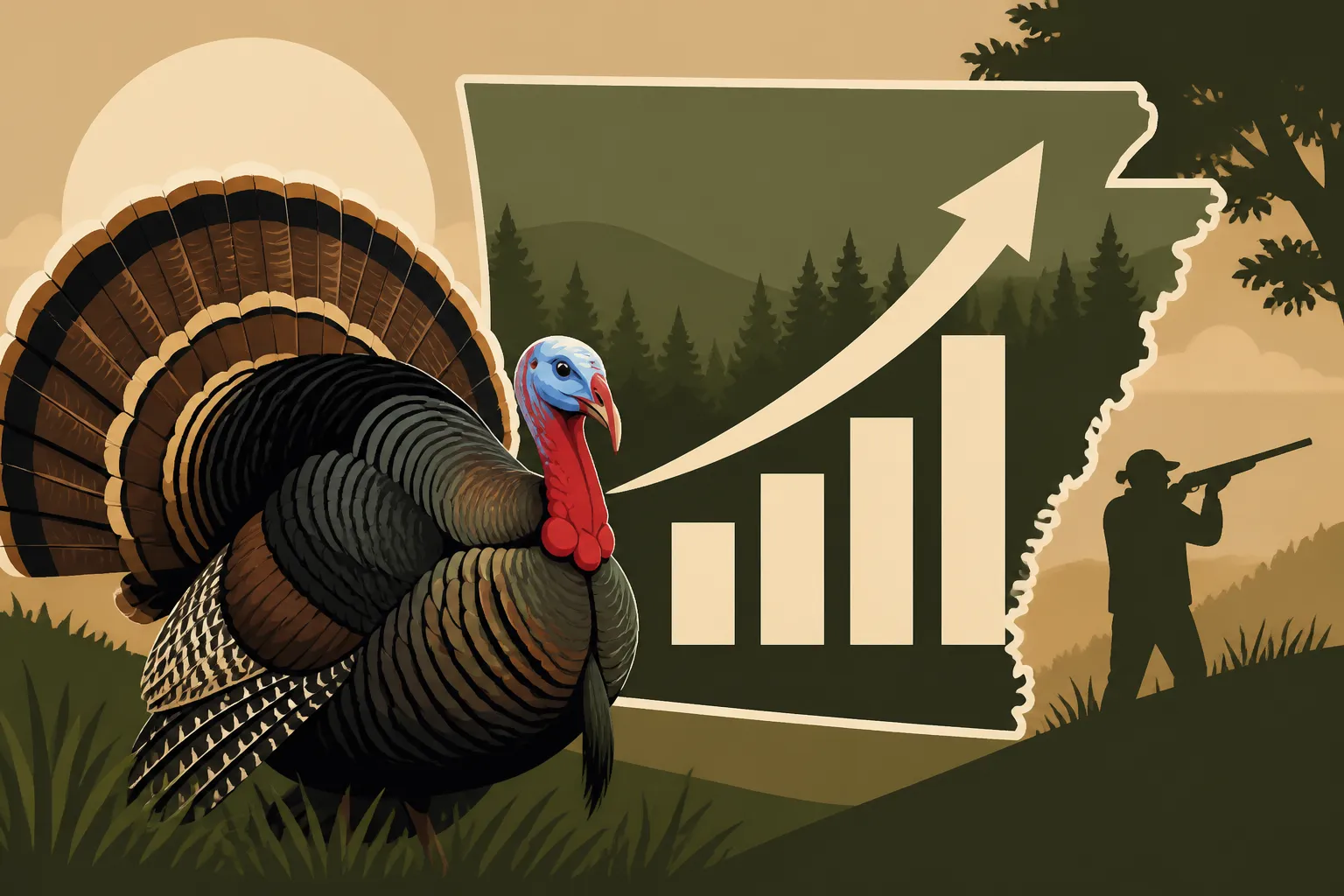
In the last decade, Arkansas turkey harvest numbers have largely remained low compared to their historical peaks, a reality that can be tough to face for those of us who remember the glory days. While there have been minor fluctuations year-to-year, the general trend has been one of continued challenge, prompting the AGFC to implement more conservative management strategies. For example, recent years have seen statewide harvest totals hovering much lower than the 20,000-plus birds of the early 2000s, often settling closer to the 10,000-bird mark or even lower in some challenging seasons.
These recent trends underscore the ongoing struggle for turkey populations to rebound significantly. They suggest that the underlying issues, such as habitat quality and predation pressure, are persistent. However, it's not all doom and gloom; wildlife agencies across the Southeast, including the AGFC, are actively researching and implementing new strategies, from habitat improvement projects to predator control initiatives. While we haven't seen a dramatic upswing yet, understanding these consistent, lower harvest numbers is critical for managing expectations and supporting the science-based efforts aimed at ensuring Arkansas Turkey Population Trends eventually head in a more positive direction.
Geographic Breakdown of Turkey Harvest
Arkansas is a diverse state, ranging from the rugged Ozark Mountains to the sprawling Delta lowlands, and this geographic variety certainly influences where turkeys live and are harvested. Understanding these regional differences can help hunters make more informed decisions about where to focus their efforts and what to expect in specific areas.
Ozark and Ouachita Mountain Harvest
The Ozark and Ouachita Mountains, with their vast expanses of hardwood forests, steep ridges, and hollows, are traditionally considered the strongholds of wild turkeys in Arkansas. These regions offer critical habitat, including mast-producing oaks and varied topography that provides excellent cover. Historically, these areas have consistently contributed the largest portion of the statewide turkey harvest. Hunters here often navigate challenging terrain, employing tactics like still-hunting ridge tops or setting up in creek bottoms, as detailed in guides like Calling Arkansas Gobblers in the Ozarks.
However, even these traditional strongholds have not been immune to the statewide decline. While they still account for a significant number of harvested birds, their peak numbers have softened over the years. Factors such as localized habitat fragmentation from increasing development, disease, and predator dynamics can impact specific areas. Still, for many, the Ozarks and Ouachitas remain the quintessential Arkansas turkey hunting experience, offering the best chance at a true wilderness gobbler.
Delta and Pine Plantation Harvest
Moving eastward, the Delta region and the expansive pine plantations of south Arkansas present a different kind of turkey hunting landscape and, consequently, a different harvest picture. The Delta, primarily an agricultural landscape, holds turkeys in scattered woodlots, river bottoms, and along property lines. While turkey numbers here are generally lower than in the mountains, successful hunts can occur, especially in areas with managed timber or larger tracts of contiguous cover. These turkeys often behave differently, more accustomed to open fields and sometimes more wary.
Pine plantations, particularly those with mixed-age stands and good undergrowth management, can offer surprisingly good turkey hunting. Younger pines might provide dense nesting cover, while mature stands offer roosting sites and foraging opportunities. Hunters in these areas often employ specific strategies, such as those discussed in Turkey Tactics in Arkansas Pine Plantations, focusing on edges, clear-cuts, and areas where pines meet hardwoods. While their contribution to the overall state harvest might be less dominant than the mountains, these regions offer unique and rewarding challenges for hunters willing to adapt their tactics.
County-Level Harvest Insights
Drilling down to the county level provides an even finer grain of detail, offering glimpses into localized turkey populations and hunter success. While statewide numbers give us the big picture, county-specific data can show us where birds are thriving, or struggling, within particular geographic pockets. For example, counties in the core Ozarks, such as Newton, Searcy, and Pope, often consistently rank among the top for turkey harvest, reflecting robust habitat and established populations. However, even within these counties, specific WMAs or private tracts can vary wildly in success rates.
Conversely, some agricultural counties in the Delta might show very low turkey harvest numbers, simply because the available habitat is minimal. Yet, a specific county might still harbor a strong, huntable population if it has significant river bottomland or managed timber. This localized insight is incredibly valuable for hunters planning their trips, helping them narrow down areas with better prospects. Many seasoned hunters utilize this data, often cross-referencing it with scouting reports and personal experience, to pinpoint Best Arkansas Counties for Turkeys for their next spring pursuit.
Here's a look at some representative Arkansas turkey harvest numbers over several seasons, keeping in mind that these are approximate and subject to change based on final AGFC reporting:
| Season (Spring) | Total Harvested Gobblers | Average Weight (lbs) | Top 3 Counties (Example) |
|---|---|---|---|
| 2018 | ~10,800 | 18.5 | Izard, White, Polk |
| 2019 | ~10,300 | 18.2 | Polk, White, Randolph |
| 2020 | ~11,200 | 19.0 | White, Polk, Newton |
| 2021 | ~9,500 | 18.8 | Polk, Newton, Randolph |
| 2022 | ~8,700 | 18.6 | Polk, White, Searcy |
| 2023 | ~8,000 | 18.4 | Polk, Newton, Garland |
Note: These numbers are generalized for illustrative purposes and actual AGFC harvest reports may show slight variations. County rankings can fluctuate annually.
Impact of Regulations and Management on Harvest
The Arkansas Game and Fish Commission doesn't just sit back and watch the numbers; they actively manage the resource. Every year, biologists review the latest data, assess population health, and consider regulatory changes designed to protect and enhance our wild turkey populations. These decisions, though sometimes unpopular with hunters, are rooted in the goal of long-term sustainability.
Season Length and Bag Limit Adjustments
In response to sustained declines in turkey harvest numbers and underlying population issues, the AGFC has, at times, made difficult but necessary adjustments to season lengths and bag limits. Historically, Arkansas had more liberal seasons, allowing hunters a longer window and, in some cases, a higher bag limit. However, as Arkansas Turkey Population Trends became clearer, the commission took action to reduce pressure on the birds. This has often meant shorter spring seasons, particularly in specific zones or for the youth hunt, and a statewide reduction to a single gobbler bag limit for much of the season.
These changes are not made lightly; they're based on scientific data suggesting that reduced harvest pressure can help more gobblers survive to breed, potentially increasing the overall health and reproductive success of the population. While a shorter season and fewer tags can be frustrating for hunters who cherish every moment in the turkey woods, these measures are intended to be a critical part of the long-term recovery strategy, aiming to ensure there are more birds for future seasons rather than fewer. You can always check the current Arkansas Turkey Bag and Daily Limits before heading out.
Youth Hunts and Their Contribution
Youth turkey hunts are a vital component of Arkansas's hunting tradition, designed to introduce the next generation to the outdoors and instill a love for conservation. Typically held on specific weekends preceding the regular statewide season, these hunts offer young hunters a special opportunity to pursue turkeys with a mentor. While they represent a relatively small portion of the overall annual harvest, their contribution is far more significant than just the numbers on a report.
These specialized hunts expose kids to the ethics, skills, and camaraderie of turkey hunting in a less pressured environment. They're critical for hunter recruitment and retention, ensuring that the legacy of turkey hunting continues. For example, during Youth Turkey Hunt Weekends, young hunters often have a higher success rate per effort simply because the birds haven't been exposed to weeks of calling pressure. The harvest data from these youth hunts is tracked carefully by the AGFC, providing insights into juvenile hunter success and helping to gauge the interest of future generations in the sport.
Brood Surveys and Their Influence on Future Decisions
While harvest numbers tell us how many birds were taken by hunters, brood surveys give us a critical glimpse into the reproductive success of the turkey population. Every summer, wildlife biologists and volunteers across Arkansas conduct extensive Arkansas Turkey Brood Surveys. This involves observing and documenting hens with poults (young turkeys) and reporting the number of poults seen with each hen. The resulting poult-to-hen ratio is a vital indicator of how successful the nesting and brooding season was.
A strong poult-to-hen ratio suggests good reproduction and high survival of young birds, which bodes well for the population two years down the road (as these poults mature into huntable gobblers). Conversely, a poor poult-to-hen ratio is a red flag, indicating that environmental factors, predation, or other issues may have hampered recruitment. This information directly influences future management decisions, sometimes leading to more conservative regulations if several years of poor brood success are observed. It's a proactive tool that helps the AGFC anticipate future population trends and adjust seasons accordingly, aiming to prevent further declines.
The Role of Hunter Participation and Effort
Turkey hunting isn't just about the turkeys; it's also about the hunters. The number of individuals participating, and the effort they put in, can significantly impact the overall harvest totals. Understanding this human element is crucial for a complete picture of Arkansas's turkey hunting landscape.
How Hunter Numbers Affect Harvest
It might seem obvious, but the sheer number of hunters in the woods directly influences the potential for harvest. If fewer hunters are out during the spring season, even with a stable turkey population, the overall harvest numbers will likely drop. Conversely, a surge in hunter participation could theoretically lead to a temporary increase in harvest, even if the individual hunter success rate remains the same or even slightly declines due to increased competition. It’s a dynamic interplay: are lower harvest numbers primarily due to fewer birds, or are there also fewer boots on the ground?
The AGFC monitors hunter license sales and participation rates, particularly those purchasing turkey tags or stamps, to help untangle this complex relationship. For example, if harvest numbers are down but hunter numbers are stable or increasing, it points more strongly to a decline in the turkey population itself. If both hunter numbers and harvest are down, it becomes harder to isolate the primary driver without more detailed data, such as Arkansas Turkey Brood Surveys or hunter success surveys. This context is essential for making accurate assessments and avoiding misinterpretations of the raw harvest figures.
Public Land vs. Private Land Harvest Contributions
Arkansas offers a diverse mix of public and private lands for turkey hunting, and the contributions from each category to the overall harvest are often quite different. Private lands, particularly large tracts that are well-managed for wildlife or leased by hunting clubs, often account for a substantial portion of the statewide turkey harvest. These properties can provide stable habitat, reduced pressure, and focused management efforts that sometimes lead to higher success rates. Landowners often have better control over access, allowing for less competition and a more predictable hunting experience.
Public lands, including Wildlife Management Areas (WMAs) and national forests like the Ozark and Ouachita National Forests, play a critical role, especially for hunters who don't have access to private ground. While public lands often experience significantly higher hunting pressure, leading to more wary birds and tougher hunting conditions, they still contribute meaningfully to the statewide harvest. Success on public land often requires more extensive scouting, early mornings, and a willingness to cover ground away from easy access points. Understanding this balance helps the AGFC allocate resources and manage hunting pressure across different land types, ensuring opportunities remain available for all Arkansas Spring Turkey Harvest Numbers contributors.
Tools for Hunters to Stay Informed
In an era of fluctuating turkey populations and evolving regulations, staying informed is paramount for any serious Arkansas turkey hunter. Thankfully, there are powerful tools available today that can dramatically improve your understanding of turkey dynamics and increase your chances of success. The AGFC website is always the first stop for official regulations, season dates, and general harvest reports, offering a broad overview of the state.
However, for a more granular approach, many hunters turn to advanced mapping and data platforms. Services like GoHunt, for example, can be invaluable. While GoHunt is traditionally known for its Western big game offerings, many of its core features—such as detailed land ownership maps, satellite imagery, and weather overlays—are incredibly useful for scouting turkey habitat anywhere. You can use these tools to identify potential roosting areas, analyze terrain for travel corridors, and even locate food sources like acorn flats or open fields. For Hunting Ozark Ridges and Hollows for Deer or Reading an Ozark Bench for Deer, these mapping tools provide a huge advantage, allowing you to "scout" from your couch, saving precious time and effort in the field. Understanding where others might hunt, or where undisturbed habitat lies, can be a game-changer when targeting wary birds on public ground.
Looking Ahead: Prospects for Arkansas Turkey Hunting
The future of wild turkey hunting in Arkansas is a topic of constant discussion among hunters and wildlife managers alike. While the recent past has presented challenges, the AGFC and dedicated conservation groups are not sitting idly by. There's a concerted effort to understand the issues more deeply and implement strategies for recovery, offering a glimmer of hope for the spring woods.
AGFC Restoration Efforts and Future Outlook
The Arkansas Game and Fish Commission is deeply committed to reversing the decline in wild turkey populations and ensuring the future of this iconic species. Their restoration efforts are multi-faceted, ranging from intensive research projects to pinpoint the exact drivers of decline in different regions, to habitat improvement initiatives on public and private lands. These initiatives often focus on creating and maintaining diverse habitats, including prescribed burns to stimulate new growth, managing timber for optimal turkey cover, and planting beneficial forage.
Furthermore, predator management is an ongoing consideration, as increased predator populations have been identified as a significant factor in poult mortality. The AGFC also works closely with landowners to encourage turkey-friendly land management practices. While a rapid return to the "golden age" might be an unrealistic expectation, these concerted, science-backed efforts aim to stabilize populations, improve recruitment, and slowly but surely build back the numbers. The future outlook, though challenging, is one of active engagement and a long-term commitment to recovery.
The Importance of Hunter Reporting and Engagement
As we look to the future of turkey hunting in Arkansas, the role of the individual hunter remains absolutely critical. Accurate and timely reporting of your harvest isn't just a legal requirement; it's a vital contribution to the scientific data that underpins all management decisions. Every bird checked provides a piece of the puzzle, helping biologists understand population trends, hunter success rates, and the impact of different regulations. Without this data, the AGFC is essentially flying blind, making it much harder to implement effective conservation strategies.
Beyond reporting, active engagement from the hunting community is essential. This means participating in AGFC surveys, attending public meetings, and supporting conservation organizations that work to improve turkey habitat. It also means self-policing within the community, ensuring ethical hunting practices, and adhering to all regulations, including Arkansas Turkey Bag and Daily Limits. By being responsible and engaged stewards of the resource, hunters can become powerful allies in the ongoing effort to restore robust turkey populations across the state, ensuring that the thrill of a gobbling tom on a crisp spring morning endures for generations to come.
Finding Success Despite Challenges
It's undeniable that turkey hunting in Arkansas currently presents more challenges than it did two decades ago, but that doesn't mean success is out of reach. In fact, for many, the increased difficulty has made a successful hunt even more rewarding. The key lies in adapting, learning, and putting in the effort. This often means scouting more extensively, understanding When Arkansas Gobblers Go Quiet, and paying close attention to nuanced turkey behavior throughout the season.
Hunters who consistently find success are often those who spend countless hours before the season using resources to identify potential hotspots, analyze terrain, and understand the specific habits of birds in their chosen hunting grounds. While GoHunt is recognized for its mapping and research capabilities primarily for big game, its detailed mapping and land-ownership layers can still be highly beneficial for turkey hunters looking to identify likely roosting areas, travel corridors, or areas of diverse habitat that might hold birds. Leveraging such tools for Scouting Arkansas Public Land Before Season can give you a significant edge, helping you pinpoint the exact spots where the habitat looks right and where you might encounter one of those elusive Arkansas gobblers, turning a challenging season into a memorable success.
Disclaimer
Please remember that hunting regulations, season dates, and bag limits are subject to change by the Arkansas Game and Fish Commission (AGFC). It is the hunter's responsibility to consult the most current AGFC regulations before engaging in any hunting activities. This guide is for informational purposes only and does not supersede official AGFC publications.