Youth Turkey Hunt Weekends
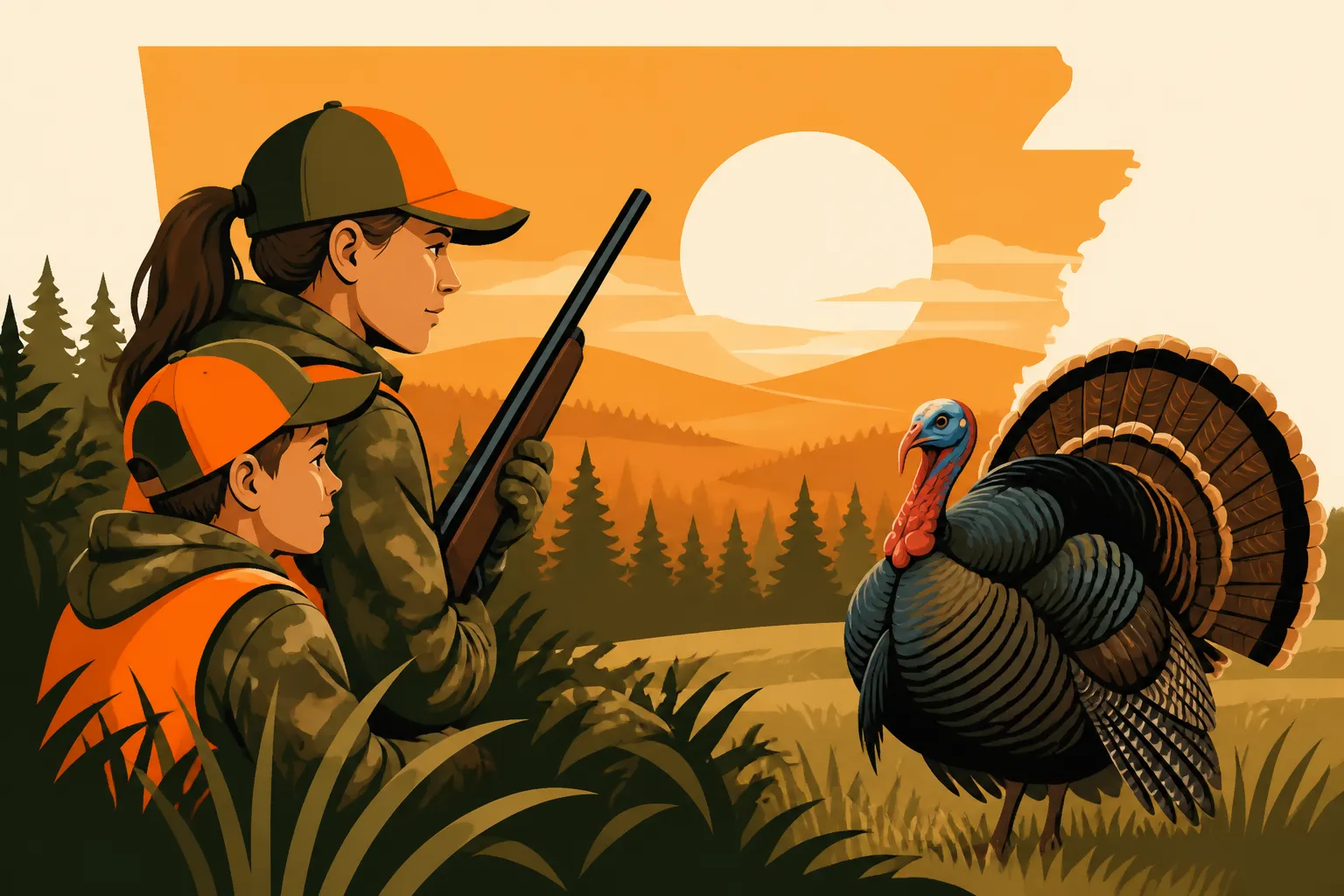
There's nothing quite like the excitement of a young hunter heading into the woods, especially for the elusive wild turkey. But navigating the specific dates, regulations, and best practices for Arkansas's Youth Turkey Hunt Weekends can feel like deciphering an ancient scroll. This guide is here to cut through the confusion, offering a clear, empathetic roadmap to ensure your youth hunter has a safe, memorable, and hopefully successful turkey hunt in the Natural State.
Why Arkansas Prioritizes Youth Turkey Hunts
As an outdoor enthusiast and long-time hunter in Arkansas, I've seen firsthand how vital it is to pass on our traditions. The Arkansas Game and Fish Commission (AGFC) recognizes this, and the dedicated youth turkey hunt weekends are a shining example of their commitment to fostering the next generation of conservationists. It’s not just about harvesting a bird; it's about connecting with nature, understanding wildlife, and building bonds that last a lifetime. For many of us, our earliest hunting memories are the most vivid and impactful, and these special seasons are designed to create those very experiences for young hunters.
The Importance of Mentoring Young Hunters
Let's be real, the world today offers so many distractions that pull kids away from the outdoors. That's why the role of a mentor during a youth hunt is absolutely invaluable. It's more than just teaching them how to shoot; it's about instilling patience, respect for the animal, understanding habitat, and the importance of ethical hunting. When you're out there, waiting for a gobbler to sound off, you're teaching them to observe, to listen, and to appreciate the subtle beauty of the Arkansas wilderness. These moments of quiet shared experience, away from screens and schedules, are truly where the magic happens. It’s an investment in their character and in the future of our hunting heritage.
How Youth Hunts Offer a Unique Experience
One of the biggest frustrations for new hunters, and even seasoned ones, is dealing with crowded public lands or intense pressure. Youth hunts are specifically designed to reduce some of that stress. By holding these seasons before the general statewide opener, the AGFC creates a unique window where young hunters get first crack at less pressured birds. This can make a huge difference in success rates and, more importantly, in the overall enjoyment of the hunt. Imagine a young hunter hearing their first gobble from the roost with fewer competing calls or other hunters in the woods – it’s an unforgettable experience that might not happen during the hustle and bustle of opening weekend for the regular season. These hunts are a gentler introduction, focused purely on the educational and experiential aspects for the youth.
Key Dates and Zones for Arkansas Youth Turkey Hunts
Understanding when and where you can hunt is often the first hurdle, and it can be a real headache trying to keep up with the changing regulations year after year. Arkansas has a diverse landscape, from the sprawling Delta lowlands to the rugged Ozark and Ouachita mountains, and turkey seasons can vary slightly by zone. The youth hunts typically offer an exclusive window, usually a weekend or two, before the main season opens, giving young hunters an unparalleled opportunity. Always double-check the most current AGFC regulations before planning your trip, as dates can shift.
Annual Youth Turkey Season Dates
Historically, Arkansas sets its youth turkey seasons to precede the statewide general opener. This usually means a dedicated two-day weekend, often in early to mid-April, depending on the specific zone. For example, some years, the youth hunt might kick off on a Saturday and run through Sunday, offering a fantastic opportunity to be in the woods when birds are most active and less wary. These dates are crucial, so mark your calendar as soon as the AGFC releases its annual hunting guide. It’s a short window, so you'll want to make the most of it. The dedicated dates mean fewer adult hunters are in the woods, theoretically allowing for a more relaxed and focused hunt for the youngsters. For a broader overview of the state's turkey calendar, check out Arkansas Turkey Seasons and Limits.
Zone Specifics and Bag Limits
Arkansas is divided into various turkey zones, and while the youth hunt dates generally apply statewide, it’s always wise to confirm if any specific zones have unique restrictions. The bag limits for youth hunters typically align with the general season limits. For instance, many zones allow for one legal gobbler (a male turkey with a visible beard) per youth hunter during the youth season, though statewide limits might dictate a maximum of two per season total, including the general hunts. Knowing your zone – whether you're in the Delta, Ozarks, or Ouachitas – is paramount, not just for turkey, but for all hunting activities. Different zones can have different turkey populations and regulations. Here’s a general example of how youth limits might look:
| Hunt Type | Legal Bird | Bag Limit (Youth Season) | Season Total Limit |
|---|---|---|---|
| Youth Spring Hunt | Legal Gobbler (visible beard) | 1 | 2 |
| Youth Fall Hunt | Fall turkey season status varies by zone | Check current regs | Check current regs |
Note: This table is illustrative. Always consult the current AGFC regulations for precise, up-to-date information on dates, zones, and bag limits.
Licenses, Permits, and Regulations for Young Hunters
The paperwork side of hunting can feel like a maze, even for seasoned hunters. For youth hunts, it’s essential to understand exactly what licenses and permits are needed, and what the specific rules are for supervising a young hunter. Getting this right prevents unnecessary stress and ensures a legal and enjoyable experience. Many parents and guardians get frustrated trying to figure out if their child needs a full license or a special youth tag, and it’s a valid concern. The good news is, Arkansas has made it relatively straightforward, with options designed to encourage youth participation.
Required Licenses and Stamps
For youth hunters, the requirements are often simplified but still necessary. Generally, a youth under the age of 16 will need a valid Arkansas hunting license. This might be a junior license, or they might be covered under a general hunting license, depending on their age and resident status. In addition to a general hunting license, a specific turkey stamp or endorsement is often required to legally hunt turkeys. The cost and specific type of license can vary for residents versus non-residents, and there are often special considerations for youth, seniors, and even those with disabilities. It's a great idea to check out resources like Youth and Senior License Options to understand all the nuances, or consult the AGFC website directly. Don't forget, even if a youth is exempt from some fees, they might still need to acquire a license or tag for reporting purposes.
Hunter Education Requirements for Youth
This is a big one, and it's where many well-meaning mentors can get tripped up. In Arkansas, anyone born after December 31, 1968, must show proof of hunter education certification to purchase a hunting license. However, there’s a crucial exception for young hunters. If your child isn't yet certified, they can still participate in a youth hunt under a "hunter education deferral" program. This means they can hunt without certification as long as they are directly supervised by an adult (at least 21 years old) who holds a valid Arkansas hunting license and is hunter education certified (or exempt from certification). This deferred option is a fantastic way to introduce kids to hunting before they commit to the full certification course. For full details on who needs what, take a look at Arkansas Hunter Education Age Requirement. It's a responsible step that ensures safety remains paramount.
Specific Rules for Youth Hunts
Beyond licenses, there are specific rules that apply to youth turkey hunts that every mentor needs to be aware of. First and foremost is the supervision requirement: the supervising adult must be within arm's reach of the youth and maintain direct visual and verbal contact. This isn't just a recommendation; it's a legal requirement designed for safety. As for legal weapons, youth typically follow the same rules as the general season, allowing shotguns (using legal shot sizes, usually 4, 5, or 6), archery equipment, or crossbows. Shooting hours usually run from 30 minutes before sunrise until noon, but again, always verify the current AGFC regulations. After a successful harvest, proper tagging and checking of the bird is mandatory, just as it is for adults. This teaches accountability and contributes to wildlife management data.
Planning Your Youth Turkey Hunt
Okay, you've got the dates, the licenses are in order, and you understand the rules. Now comes the exciting part: planning the actual hunt! This stage is often overlooked, with folks rushing out to the woods without a real strategy. But I’m here to tell you, a well-planned hunt, especially with a young hunter, significantly increases both the chances of success and, more importantly, the enjoyment of the entire experience. It’s about more than just finding a turkey; it’s about making the entire outing an educational adventure.
Scouting Before the Season
This is arguably the most critical step. You wouldn't go on a road trip without a map, so don't go turkey hunting without scouting! A few weeks before the youth season, get out into the woods with your young hunter. Look for signs of turkeys: tracks in soft dirt, droppings, feather piles, dusting bowls, and most importantly, listen for gobblers sounding off from the roost at dawn and dusk. This pre-season reconnaissance helps you identify potential roosting areas, feeding grounds, and travel corridors. Using modern mapping tools like GoHunt can be a game-changer here. I often use aerial photos to pinpoint potential roost trees along creek bottoms or on high ridges. These tools allow you to virtually scout areas, identify terrain features, and even mark potential setup spots. For more detailed tips on locating game, check out Scouting Arkansas Public Land Before Season or even Reading Aerial Photos for Delta Deer to understand how these mapping techniques can be applied to any game species. Understanding how turkeys move and where they spend their time will give you a significant advantage.
Gear Essentials for Young Hunters
Having the right gear makes a huge difference in comfort and safety, which directly impacts a young hunter's enthusiasm. First, a properly fitting shotgun is non-negotiable. An adult-sized shotgun can be too long, too heavy, and have too much recoil for a youth, making the shooting experience unpleasant and unsafe. Many manufacturers offer youth models with shorter stocks and lighter frames. Beyond the gun, camouflage that blends into the Arkansas woods is crucial. Turkey hunting requires you to be completely hidden. Comfortable, waterproof boots are also a must; nothing sours a hunt faster than cold, wet feet. Don't forget a comfortable vest with a seat pad for those long waits, insect repellent, plenty of water and snacks, and a small first-aid kit. While hunter orange isn't worn during the actual turkey hunt (due to the need for total concealment), it’s smart to have it for walking in and out of the woods, especially on public land.
Choosing the Right Location
Arkansas offers a wealth of hunting opportunities, both public and private. For public land, Wildlife Management Areas (WMAs) are excellent choices. Many WMAs are specifically managed for turkey habitat, but some might require special permits or have specific draw hunts. You can explore these options through resources like Arkansas WMA Permits and Draw Hunts. National Forests, such as the Ozark and Ouachita National Forests, also offer vast tracts of public land, though they can be more challenging due to rugged terrain and potentially lower turkey densities in some areas. If you're considering the rolling hills, Hunting Ozark Ridges and Hollows for Deer offers insights into reading the landscape that can be adapted for turkeys. Private land, if you have access, often provides lower pressure and more predictable turkey movements. Regardless of where you choose, research the specific area's turkey population and historical success rates. Tools like GoHunt can help identify public land boundaries and topography, giving you a better understanding of the landscape before you even set foot in it.
Maximizing Success for Young Hunters
Every hunter, especially a young one, dreams of calling in a big gobbler. While success is never guaranteed, there are definitely strategies and techniques you can employ to stack the odds in your favor and create a more engaging experience for your protégé. Remember, the goal isn't just to pull the trigger; it's to teach the entire process, from setting up to making ethical decisions.
Setting Up for the Shot
When you're dealing with a young hunter, safety and a clear, ethical shot are paramount. This means selecting a setup location that offers good concealment, a clear shooting lane, and a solid backstop. Turkey hunting often involves sitting very still for extended periods, so a comfortable spot against a large tree is ideal. Think about where the turkey is likely to approach from and set up so the young hunter can get a clean shot without excessive movement. Decoy placement is also key. Setting up a jake or hen decoy at a realistic distance (say, 20-30 yards) can often draw a curious gobbler right into your shooting lane, distracting his attention from your hide. For a deeper dive into making your setup irresistible, take a look at Decoy Placement for Pressured Birds. Remember, being camouflaged from head to toe, including a face mask, is non-negotiable. Turkeys have incredible eyesight!
Calling Strategies for Youth Hunts
Calling a wild turkey is an art form, but for a youth hunt, simplicity often wins. The mentor should typically handle the majority of the calling, allowing the young hunter to focus on remaining still, listening, and being ready. Start with soft, realistic hen yelps and clucks. You're trying to convince a gobbler that there's a hen in the area looking for love, not that there's a whole flock having a party. Over-calling can spook wary birds, especially on public land that might see more pressure. Patience is a virtue here. After making a series of calls, wait for 15-20 minutes before calling again, letting the woods settle and giving any approaching bird time to respond. Sometimes, a quiet approach, with only minimal calling, is the most effective. Learning the subtle nuances of turkey vocalizations is part of the fun, and guides like Calling Arkansas Gobblers in the Ozarks can provide a fantastic foundation.
Field Safety and Ethics
Hunting is a privilege that comes with immense responsibility. During a youth hunt, reinforcing safety and ethical behavior is perhaps the most important lesson you can impart. Before you even head out, review gun safety rules: always treat every gun as if it's loaded, always point the muzzle in a safe direction, keep your finger off the trigger until ready to shoot, and be sure of your target and what's beyond it. These are non-negotiable. When a turkey is spotted, ensure it's a legal bird (a gobbler with a visible beard) and that the shot opportunity is ethical, aiming for the head and neck. After the shot, secure the firearm and approach the downed bird cautiously. Never run in with a loaded gun. Emphasize respect for the animal – it’s a harvested meal, not just a trophy. These lessons build responsible hunters who value wildlife and the integrity of the sport.
Common Challenges and How to Overcome Them
Let's face it, turkey hunting is tough. These birds are notoriously wary, and conditions in the Arkansas woods can be unpredictable. When you're bringing a young hunter along, these challenges can feel even more magnified. It's easy for kids to get discouraged if things don't go perfectly, so setting realistic expectations and having strategies to overcome common hurdles is key to making the experience positive, regardless of whether a bird is harvested.
Managing Expectations and Keeping Spirits High
The biggest challenge in youth hunting isn't finding a turkey; it's managing expectations. It's vital to communicate from the outset that success isn't guaranteed. Turkeys are wild animals, and they don't always read the script. Focus on the experience: the beauty of the sunrise, the sounds of the awakening forest, identifying other wildlife, the shared stories, and the pure joy of being outdoors together. Bring along snacks, play quiet games of "I spy," or even use an app like GoHunt to show them where you are on the map and explain terrain features. If a gobbler doesn't respond, talk about why that might be – maybe he had hens, maybe he went the other way. Turn every "failure" into a learning opportunity. The goal is to make them want to come back, season after season, not to pressure them into harvesting a bird.
Dealing with Difficult Weather or Conditions
Arkansas weather in spring can be fickle. You might start the day in a heavy frost and end up sweating by noon, or a sudden thunderstorm could roll in. Dressing in layers is crucial for both mentor and youth. Insulated, waterproof boots are essential, and rain gear that can be easily donned or shed is a must-have. If it's windy, calling can be harder, and birds might be less vocal, so consider adjusting your tactics – perhaps trying to get closer to known roosting areas or focusing on areas protected from the wind. If it's pouring rain, sometimes packing up and trying again later is the best call, especially with a young hunter who might get cold and miserable. Remember, their comfort is paramount to their enjoyment. Consider hunting pine plantations on rainy days, as they often offer denser cover and birds might seek refuge there; Turkey Tactics in Arkansas Pine Plantations shares specific strategies for these environments.
Post-Harvest Care and Traditions
If your young hunter is lucky enough to harvest a turkey, the real learning experience continues. First, ensure the bird is legally tagged immediately, as per AGFC regulations. Then, teach them how to properly check the bird, whether it's online, via phone, or at a physical checking station. This instills responsibility and shows them their contribution to wildlife management. After that, walk them through the process of field dressing, plucking, or breasting out the bird. This is a chance to show them where their food comes from and how to respectfully process it. Don't forget to take plenty of photos! These will be cherished memories for years to come. Finally, consider starting a camp tradition, like cooking the bird together, telling stories from the hunt, or displaying a fan and spurs. These traditions cement the experience and reinforce the bond created in the field.
Disclaimer
Please note that hunting regulations, dates, and license requirements are subject to change. Always consult the most current Arkansas Game and Fish Commission (AGFC) regulations and official publications before planning any hunting trip. This guide provides general information and recommendations and should not be considered a substitute for official AGFC resources. Be safe and hunt ethically.