Why Arkansas Turkey Numbers Fell
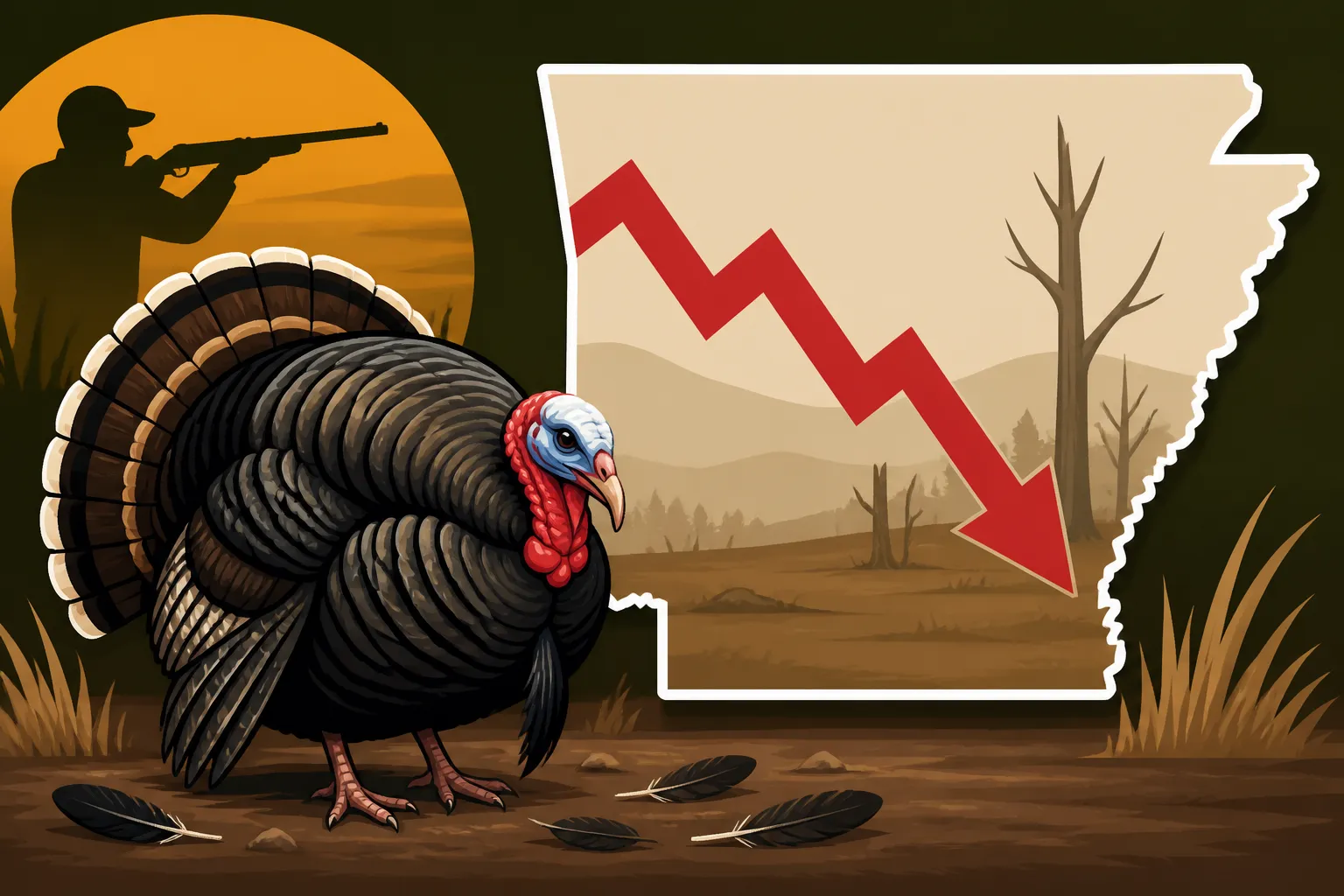
If you've spent any time in the Arkansas turkey woods over the last decade or so, you've likely felt the sting of quieter mornings and seen fewer birds than in years past. It's a noticeable shift that has left many hunters disheartened and genuinely concerned about the future of our wild turkey populations. This guide is here to dig deep into the complex, often intertwined factors contributing to the decline in wild turkey numbers across our state, helping you understand the challenges and what steps are being taken to address them.
The Shrinking Silence: Understanding the Decline in Arkansas Turkeys
For many of us who grew up chasing gobblers through the timber, the spring woods used to echo with a symphony of yelps, clucks, and the thunderous shock of a distant gobble. Today, those sounds feel increasingly rare in some areas, and it’s not just anecdotal. The data supports what our ears and eyes have been telling us: Arkansas's wild turkey population has seen a significant downturn. It's a trend that's been observed across much of the Southeast, but it hits particularly close to home when it's happening in our beloved Natural State. Understanding the scope of this decline is the first step in unraveling the mystery and figuring out what we can do about it.
A Look Back at Historical Peaks and Modern Troughs
To truly appreciate the current situation, it helps to remember where we've been. Arkansas, like many states, saw a remarkable wild turkey restoration story unfold through the 20th century. By the early 1900s, habitat destruction and unregulated hunting had all but wiped out wild turkeys in many parts of the state. Through diligent efforts by the Arkansas Game and Fish Commission (AGFC) and partners, including trap-and-transfer programs, turkeys made an incredible comeback.
This restoration peaked in the late 1990s and early 2000s, with robust populations and plentiful opportunities. Hunters remember those glory days fondly, with birds seemingly around every bend. We had long seasons and generous bag limits, reflecting a healthy, expanding population. However, starting around the mid-2000s, many states in the Southeast began to notice a slow but steady decline, and Arkansas was no exception. It wasn't a sudden crash, which made it harder to pinpoint immediately, but a gradual erosion that built up over time, eventually becoming undeniable. The shift from abundant gobblers to increasingly scarce encounters has left a generation of hunters longing for the past.
Current Population Trends and Harvest Data
The most tangible evidence of the decline comes from the numbers. The AGFC meticulously tracks annual turkey harvest data and conducts Arkansas Turkey Brood Surveys to estimate population health and trends. These figures consistently show a downward trend in both overall population estimates and annual harvest numbers over the last 15-20 years. For instance, while harvest numbers were often in the tens of thousands during the peak, they have settled into significantly lower ranges in recent years. This isn't just a result of fewer hunters; the actual estimated number of birds in the woods has decreased.
The AGFC's detailed harvest reports, available online, offer a sobering look at this reality. We see fewer birds being checked in, and the brood surveys, which track poult-to-hen ratios, often indicate insufficient recruitment—meaning not enough young turkeys are surviving to adulthood to replace the older birds. It's a delicate balance, and when the scales tip, the population suffers. These numbers are critical for wildlife managers to make informed decisions about future regulations, such as those related to Arkansas Turkey Bag and Daily Limits and Arkansas Spring Turkey Season Dates.
Regional Differences in Arkansas's Turkey Populations
It's also important to recognize that the turkey decline isn't uniform across the state. Arkansas is a diverse landscape, from the Delta's flatlands to the rugged Ozark and Ouachita Mountains, and the challenges facing turkeys vary by region. The more mountainous regions, particularly the Ozarks and Ouachitas, seem to have been hit harder and earlier in the decline. Hunters in these areas often report drastically fewer birds and longer periods between gobblers. This could be due to more fragmented habitat, different predator dynamics, or varying weather impacts.
In some parts of the Delta, where large tracts of contiguous bottomland hardwoods still exist, populations might be slightly more stable, though still generally lower than historical peaks. However, even these areas face their own pressures, such as intense agricultural land use. Understanding these regional nuances is crucial for developing targeted conservation strategies. For example, tactics that might help in the thick forests of the Ozarks for Spring Turkey Hunting in the Arkansas Ozarks might not be as effective in the open pine plantations of the Ouachitas, or for Turkey Tactics for Delta Field Edges.
| Region | Historical Status (Late 90s/Early 00s) | Current Status (Last 10-15 Years) | Primary Challenges Reported |
|---|---|---|---|
| Ozarks | Abundant, widespread | Significantly reduced | Habitat fragmentation, predation, harsh weather |
| Ouachitas | Strong, healthy | Declining | Predation, habitat quality, disease |
| Delta | Good, localized concentrations | Reduced, but pockets remain | Habitat loss, agricultural impact, predation |
| South AR | Moderate to good | Declining | Timber practices, predation |
Disappearing Wild Spaces: Habitat Loss and Fragmentation
One of the most significant, overarching factors contributing to the decline in wild turkey numbers across Arkansas, and indeed much of the country, is the relentless march of habitat loss and fragmentation. Turkeys need specific types of habitat for all stages of their life cycle: nesting, brooding, feeding, and roosting. When these critical habitats are destroyed or broken up into smaller, isolated parcels, it puts immense pressure on turkey populations. It's a quiet killer, often happening gradually, but its cumulative effect is devastating.
The Impact of Modern Agricultural Practices
In the rich agricultural regions of eastern and southern Arkansas, the expansion and intensification of farming practices have dramatically altered the landscape. While row crops like rice, soybeans, and corn provide some food resources for turkeys in certain seasons, the widespread conversion of forests and native grasslands into monoculture fields is generally detrimental. Turkeys thrive in areas with diverse habitat, including mature forests for roosting, open woods with a good understory for foraging, and dense nesting cover.
When river bottoms are cleared for more acreage, or when field edges are cleaned up, crucial nesting cover is lost. Hens need thick, protective cover to hide their nests from predators. Modern farming often leaves little room for these transitional habitats. Moreover, the extensive use of pesticides and herbicides can impact the insect populations that poults rely heavily on for protein in their first few weeks of life. A significant portion of Arkansas Turkey Brood Surveys often show low poult survival, directly linked to a lack of nutritious insects and adequate cover during this vulnerable stage. It's a domino effect, starting with the land use and ending with fewer young turkeys making it to gobbling age.
Shifting Timber Management Practices
Even in forested areas, changes in timber management have had a profound impact. While managed timberlands can provide some benefits, such as clearings that create early successional habitat, certain practices are less favorable. The trend towards intensively managed pine plantations, for example, often results in dense stands with very little understory or diversity. These "pine deserts" lack the open spaces, varied foraging opportunities, and critical nesting cover that turkeys need. When turkeys are present, finding them can be a challenge. Tools like GoHunt can help identify different timber types and densities, but even the best mapping technology can't create habitat where it doesn't exist.
Additionally, the timing and intensity of prescribed burns, which are vital tools for habitat management, can sometimes be at odds with turkey nesting seasons if not carefully planned. While fire can improve habitat in the long run by promoting beneficial plants and reducing dense undergrowth, an ill-timed burn can destroy active nests or reduce brooding cover. Balancing timber production with wildlife habitat needs is a constant challenge, and turkeys often bear the brunt when short-term economic gains take precedence over long-term ecological health.
Suburban Sprawl and Expanding Development
As Arkansas's population grows, particularly around urban centers like Little Rock, Fayetteville, and Jonesboro, suburban sprawl steadily consumes wild lands. Housing developments, roads, commercial properties, and associated infrastructure fragment what was once continuous habitat. This creates smaller, isolated patches of woods that are often too small to support a healthy, breeding turkey population. Turkeys are wide-ranging birds, and they need room to roam, find mates, and escape pressure.
When their habitat is broken up, it increases their vulnerability to predators as they cross open areas, limits their genetic diversity, and makes them more susceptible to localized disturbances. The edges of these developments also often bring increased human activity, domestic animals (like free-roaming dogs and cats, which are surprisingly effective predators), and a general disruption that turkeys struggle to adapt to. What was once prime turkey country quickly becomes a patchwork of backyards and traffic, making it harder and harder for turkeys to survive and reproduce.
The Relentless Pressure: Understanding Predation Factors
Predation is a natural and necessary component of any healthy ecosystem, and wild turkeys have always faced it. However, a significant part of "what drove the Arkansas turkey decline" over the last couple of decades points to an imbalance in predator populations and a compounding effect of multiple predator species. It's not just one culprit, but a complex web of interactions that puts immense pressure on turkey eggs, poults, and even adult birds.
The Rise of Coyote and Bobcat Populations
Among the most discussed factors in recent turkey declines is the perceived increase in mesopredator populations, particularly coyotes and bobcats. Historically, wolves and mountain lions kept these smaller predators in check. With the extirpation of those larger carnivores from much of the state, coyotes and bobcats have thrived, adapting remarkably well to diverse habitats, including areas near human habitation.
Coyotes, in particular, are generalist predators and opportunists. They will readily prey on turkey nests, poults, and even adult hens, especially during the nesting and brooding seasons when hens are most vulnerable. They are incredibly efficient hunters, and their widespread presence means that very few areas are safe from their scavenging and hunting activities. Bobcat populations have also shown resilience, and while perhaps not as numerous as coyotes, they are effective hunters of both adult birds and young. While hunting and trapping efforts can help manage these populations, their sheer numbers and adaptability make them a constant threat to turkeys. This relentless pressure, especially on nesting hens, contributes directly to the low Poult-to-Hen Ratios and What They Mean that wildlife biologists observe.
Avian and Nest Predators
It's not just the four-legged predators turkeys have to worry about; the sky above and the ground below also hold threats. A wide array of avian predators, such as great-horned owls, various hawks, and even bald eagles in some areas, will readily take turkey poults and even juvenile birds. While these are natural predators, their cumulative impact on young turkeys can be substantial, especially when other survival factors are already stacked against the birds.
On the ground, a host of smaller, but no less effective, nest predators are constantly searching for an easy meal. Raccoons, opossums, skunks, and even snakes are notorious for raiding turkey nests. A single nest can contain 10-12 eggs, and if that nest is destroyed, an entire generation of turkeys is lost from that hen's efforts. When you consider the sheer number of these smaller predators and their ability to sniff out and destroy nests, it's clear how much pressure they exert on turkey reproduction. Many Nest Predation and Turkey Hatches studies highlight just how critical nest survival is to overall population health.
The Menace of Feral Hogs
While not historically a part of the turkey's natural predator landscape, feral hogs have become an increasingly problematic factor in Arkansas. These destructive animals are widespread across much of the state, particularly in bottomlands and forested areas. Feral hogs are omnivores, and they are incredibly destructive to turkey habitat and directly to turkey nests. They will root up large sections of ground, destroying understory vegetation that provides crucial nesting and brooding cover.
More directly, feral hogs are efficient and opportunistic predators of turkey eggs and poults. A hog foraging through the woods will readily devour any turkey nest it comes across. Their rapidly expanding populations and reproductive rates mean they are a constant and growing threat. The AGFC has been very aggressive in its efforts to control feral hog populations, recognizing the severe impact they have on all ground-nesting birds and other wildlife. For hunters, seeing hog sign in prime turkey habitat is a red flag, indicating another significant hurdle for wild turkeys trying to thrive.
When Nature Works Against Itself: Weather and Environmental Challenges
Even with ideal habitat and balanced predator populations, wild turkeys are still at the mercy of Mother Nature. Weather patterns and environmental factors play a huge, often unpredictable, role in their survival and reproductive success. Arkansas is known for its sometimes-extreme weather, and these conditions can put turkeys, especially vulnerable young poults, at a severe disadvantage.
The Devastating Impact of Extreme Rainfall on Poult Survival
One of the most critical times in a wild turkey's life cycle is the first few weeks after hatching. Turkey poults are incredibly delicate, especially regarding temperature regulation and susceptibility to moisture. A cold, wet spring, characterized by prolonged periods of heavy rainfall, can decimate a hatch. Poult feathers are not fully developed to shed water effectively, and they quickly become chilled and succumb to hypothermia. They also rely on insects for their early diet, and heavy rains can wash away or suppress insect populations, leading to starvation.
Studies on Weather in the Weeks After the Hatch consistently show a strong correlation between wet, cold springs and poor poult survival rates. Imagine a hen, having successfully hatched a clutch of 10-12 poults, struggling to keep them warm and fed during a week of non-stop rain. Even with her best efforts, many will not make it. This impact is keenly felt in the annual AGFC Arkansas Turkey Brood Surveys, which track poult-to-hen ratios. Multiple years of poor hatches due to unfavorable spring weather can severely depress overall turkey numbers and make it difficult for populations to rebound, even when other factors improve.
Drought Conditions and Food Availability
While excessive rain is a problem, prolonged drought conditions also pose significant challenges. Turkeys, like all wildlife, rely on a consistent food supply. Drought can severely impact the production of mast crops, such as acorns and other hard mast, which are critical food sources for turkeys, especially in fall and winter. When these natural food sources are scarce, turkeys must expend more energy foraging, making them more vulnerable to predation and less able to build up the fat reserves needed for the breeding season.
Drought can also affect the availability of crucial soft mast (berries, fruits) and insect populations, further straining turkey populations. Water sources can become limited, forcing birds to travel further and potentially expose themselves to predators. While Arkansas is generally a water-rich state, localized or multi-year droughts can still have a measurable negative impact on turkey health and survival, particularly in conjunction with other stressors.
Disease Concerns and Parasites
Wildlife populations are always subject to diseases and parasites, and wild turkeys are no exception. While large-scale, catastrophic disease outbreaks haven't been widely cited as the primary driver of the overall turkey decline in Arkansas, localized outbreaks can certainly contribute to mortality. Diseases like Avian Pox, Lymphoproliferative Disease Virus (LPDV), and various parasitic infections can weaken birds, make them more susceptible to other stressors, and reduce their reproductive success.
For example, LPDV is a retrovirus found in wild turkeys that can cause tumors and lesions, leading to poor health and sometimes death. While many birds can carry it without severe symptoms, it can be a factor, particularly in areas with higher turkey densities or when birds are already stressed by poor habitat or nutrition. The spread of parasites, such as blackhead disease, can also be a concern. Wildlife agencies continuously monitor for these issues, but managing disease in wild, free-ranging populations is incredibly challenging. The cumulative effect of these health challenges, even if not immediately fatal, can contribute to lower overall population health and reproductive output, making it harder for numbers to climb back up.
Human Hands in the Balance: Hunting Pressure and Management
Hunting is a cherished tradition in Arkansas, and it's also a vital tool for wildlife management. However, changes in hunting pressure and practices, as well as the regulations designed to manage them, are also part of the complex conversation surrounding turkey population declines. It’s a delicate balance, and wildlife managers are constantly working to ensure sustainable hunting opportunities while prioritizing population health.
The Role of Hunter Harvest on Population Dynamics
When turkey populations were booming, hunter harvest was generally considered compensatory, meaning that hunters primarily took birds that would have likely succumbed to other natural causes anyway. However, as populations decline, the impact of harvest becomes more scrutinizing. The AGFC continually analyzes harvest data to understand its role. It's especially critical to manage the harvest of gobblers (males), as overharvesting can lead to an imbalanced sex ratio, leaving fewer breeding males for the remaining hens. While a single gobbler can breed many hens, a severe shortage can impact breeding success, particularly in fragmented habitats where birds are less likely to encounter each other.
The AGFC uses its detailed Arkansas Turkey Harvest Numbers to adjust regulations, striving to find that sweet spot between providing recreational opportunities and protecting the breeding potential of the flock. For instance, if data shows a sustained decline, restrictions on season length or bag limits might be implemented to reduce harvest pressure, giving populations a chance to recover. This is a common practice you'll see discussed in relation to Arkansas Spring Turkey Zones or Arkansas Turkey First-Week Limit.
Understanding Bag Limits and Season Lengths
In response to declining turkey numbers, the AGFC has, over the years, made adjustments to Arkansas Turkey Seasons and Limits. We've seen changes to season lengths, bag limits, and even regulations concerning bearded hens or specific zones. These changes are rarely popular with hunters, but they are driven by the best available science to try and give the turkey population a boost. For example, reducing the statewide bag limit to one or two gobblers for the entire spring season, or implementing specific "early buck-only" (for deer, but similar concepts apply to turkey zones) or staggered opening dates, is intended to reduce overall pressure and allow more birds to survive and reproduce.
The intent behind these regulations is to reduce human-induced mortality, especially during critical breeding periods. It's a tough pill for passionate turkey hunters to swallow when season lengths are shortened or bag limits are reduced, but these decisions are made with the long-term health of the resource in mind. Many hunters use tools like GoHunt to keep track of these regulations and study aerial maps of public lands like those discussed in Hunting Arkansas Public Land Before Season to understand how different areas might be affected by varying rules or hunter pressure.
Modern Hunting Tactics and Their Effects
While not as significant as habitat or predation, changes in hunting tactics can also subtly influence turkey populations. The rise of sophisticated decoys, increasingly realistic calls, and advanced scouting techniques (including trail cameras) have undeniably made hunters more effective. When populations were robust, this increased efficiency was less of a concern. However, in an era of declining numbers, every advantage a hunter gains means more successful harvests, potentially putting additional pressure on already struggling flocks.
For example, strategies like aggressive run-and-gun tactics or using multiple decoys can be very effective. While legal, in areas with very low bird densities, these tactics can lead to individual birds being pursued more intensely. Similarly, while generally prohibited or restricted on public lands, the use of baiting can draw turkeys into vulnerable positions. These modern methods, combined with increased hunter access and mobility, mean that fewer birds might escape detection and harvest. The Decoy Placement for Pressured Birds article emphasizes how important it is to adapt tactics to avoid over-pressuring birds, especially when populations are down. This isn't to say modern tactics are inherently bad, but rather to acknowledge that their efficacy means wildlife managers must be even more diligent in setting conservative season structures to offset their impact.
Turning the Tide: Conservation Efforts and the Path Forward
Despite the challenges, it's not all doom and gloom for Arkansas's wild turkeys. The dedicated professionals at the AGFC, along with numerous conservation organizations and passionate hunters, are actively working to understand the issues and implement strategies to reverse the decline. It's a monumental task that requires a multi-faceted approach, addressing everything from habitat to human behavior.
Arkansas Game and Fish Commission Initiatives
The AGFC is at the forefront of turkey conservation in Arkansas. They conduct extensive research, including annual Arkansas Turkey Brood Surveys and detailed harvest analyses, to monitor population trends and identify key problem areas. Based on this data, they adjust hunting regulations, as previously discussed, to ensure sustainable harvest. But their work goes far beyond setting seasons and limits.
The AGFC actively manages public lands, including numerous Wildlife Management Areas (WMAs), with turkey habitat in mind. This includes prescribed burning, timber stand improvement, planting beneficial food plots, and creating early successional habitats that are crucial for nesting and brooding. They also lead efforts to control nuisance species like feral hogs, often in partnership with other state and federal agencies. Furthermore, the AGFC engages in hunter education programs and public outreach to raise awareness about the challenges facing turkeys and to promote ethical hunting practices. Their commitment is unwavering, and they continually adapt their strategies based on new scientific findings and on-the-ground observations.
Habitat Restoration and Improvement Programs
Habitat is the foundation of any healthy wildlife population, and for turkeys, restoring and improving their living spaces is paramount. Conservation groups like the National Wild Turkey Federation (NWTF) are incredibly active in Arkansas, working alongside landowners and the AGFC to implement habitat improvement projects. These efforts often focus on:
- Forest thinning and prescribed burning: To create a more open understory, promote beneficial forage, and stimulate insect production.
- Native grass and forb plantings: To provide dense nesting cover and a rich insect buffet for poults.
- Riparian buffer restoration: Protecting stream banks and creating diverse habitat corridors.
- Converting pine monocultures: Gradually diversifying timber stands to include more hardwoods and varied age classes.
Many private landowners, driven by their love for wildlife, are also taking advantage of cost-share programs and technical assistance from the AGFC and NWTF to implement turkey-friendly habitat practices on their properties. These localized efforts, when scaled up, can make a significant difference in providing the necessary resources for turkeys to thrive across the landscape. The health of the Arkansas Turkey Subspecies and Range depends heavily on these concerted habitat efforts.
What Hunters Can Do to Help
As hunters, we have a vital role to play in turkey conservation. Beyond adhering to all regulations, there are many ways we can contribute to the recovery of Arkansas's turkey populations:
- Be a Responsible Hunter: Practice conservative hunting. If you have filled your tag, resist the urge to keep scouting and calling, which can pressure birds. Consider passing on younger birds to allow them to mature and contribute to the breeding population. Always know and follow Arkansas Turkey Checking Rules and report your harvest accurately.
- Support Conservation Organizations: Join and contribute to organizations like the NWTF, which directly fund habitat work and research in Arkansas. Every membership helps put more boots on the ground for habitat projects.
- Practice Habitat Improvement: If you own or manage land, learn about and implement turkey habitat improvements. This could be as simple as leaving brush piles for cover, planting native grasses, or managing timber for diversity.
- Educate Yourself and Others: Stay informed about the challenges facing turkeys and share that knowledge responsibly. Help dispel misinformation and promote a conservation ethic among fellow hunters and landowners.
- Report Violations: Poaching and illegal hunting practices undermine all conservation efforts. If you witness a wildlife violation, report it to the AGFC.
- Support Feral Hog Control: Participate in or support efforts to control feral hog populations on your property or through local initiatives.
The decline in Arkansas's turkey numbers is a complex issue, without a single, easy solution. It's a result of multiple interacting factors, but with sustained effort, scientific management, and the dedication of hunters and conservationists, we can work towards a future where the spring woods once again echo with the vibrant sounds of thriving wild turkey populations.
Disclaimer
Please remember that hunting regulations, seasons, and land access rules in Arkansas are subject to change. Always consult the most current Arkansas Game and Fish Commission (AGFC) regulations before planning any hunting activity. This guide is for informational purposes only and does not constitute legal advice or an official interpretation of hunting laws.