How CWD Reached the Arkansas Ozarks
It can be incredibly disheartening, even a little scary, to hear about a wildlife disease like Chronic Wasting Disease (CWD) making its way into the places we love to hunt. For years, many of us in Arkansas watched nervously as CWD spread through other states, always wondering if and when it would show up on our doorstep. When it finally did, especially in the beautiful, rugged landscape of the Ozarks, it brought a wave of questions, concerns, and a stark realization that our hunting future was changing. This guide is dedicated to shedding light on how CWD entered and spread through the Arkansas Ozarks, helping you understand the history and the ongoing challenges.
Understanding Chronic Wasting Disease Itself
Before we dive into how CWD arrived in the Ozarks, it’s really important to grasp what this disease actually is. It’s not your typical virus or bacteria, and that’s a big part of why it's such a persistent problem for wildlife and hunters alike. We often hear bits and pieces, but getting a solid understanding helps clarify the concerns and the management efforts.
What is CWD? A Prion Disease Explained
Chronic Wasting Disease is a neurological disease that affects cervids – that's deer, elk, moose, and reindeer. It's unique because it's caused by abnormal proteins called prions, not a virus or bacteria. Imagine a normal, healthy protein in an animal's brain suddenly folding incorrectly. This misfolded protein then acts like a rogue agent, causing other healthy proteins to misfold too. Over time, these abnormal prions accumulate, creating microscopic holes in the brain tissue, leading to a spongy appearance under a microscope. This is why CWD is often referred to as a "spongiform encephalopathy."
The progression of CWD is slow, often taking months or even years for symptoms to appear after an animal is infected. This long incubation period is one of the most frustrating aspects of the disease, as infected animals can be spreading prions long before they show any outward signs. Eventually, the disease is always fatal. Animals suffering from CWD will exhibit a range of debilitating symptoms, including dramatic weight loss (hence "wasting"), stumbling, drooling, excessive thirst, and a blank, vacant stare. It’s a truly tragic sight for anyone who values wildlife, and it underscores the severe threat it poses to our deer and elk populations.
How CWD Spreads Among Cervids and the Environment
Understanding how CWD moves from one animal to another, and even into the environment, is crucial to comprehending its tenacity. The primary mode of transmission is through direct contact with infected bodily fluids, such as saliva, urine, and feces. When a healthy deer or elk interacts closely with an infected one, shares a feeding site, or even just follows the same trail, they can pick up these prions. This is why areas with high deer densities or places where animals congregate unnaturally, like around bait piles or feeders, can become hotspots for transmission.
What makes CWD particularly insidious is that these prions are incredibly resilient. Unlike viruses or bacteria, they are not easily destroyed by heat, cold, or common disinfectants. They can persist in the environment – in the soil, on plants, and even in water – for years, even decades, remaining infectious. This means that a deer doesn't even need direct contact with another infected animal to contract the disease; they can pick up prions from a contaminated environment long after an infected animal has left the area or even passed away. This environmental persistence creates a constant reservoir for the disease, making eradication incredibly difficult, if not impossible, in areas where it has taken hold.
The Initial Discovery of CWD in Arkansas
For many years, Arkansas was one of the fortunate states that remained CWD-free. Wildlife managers, hunters, and conservationists watched with bated breath as the disease crept closer, knowing that it was likely only a matter of time. That feeling of dread became a harsh reality in early 2016, a moment that fundamentally shifted deer and elk management in our state.
First Confirmed Case: A Landmark Event
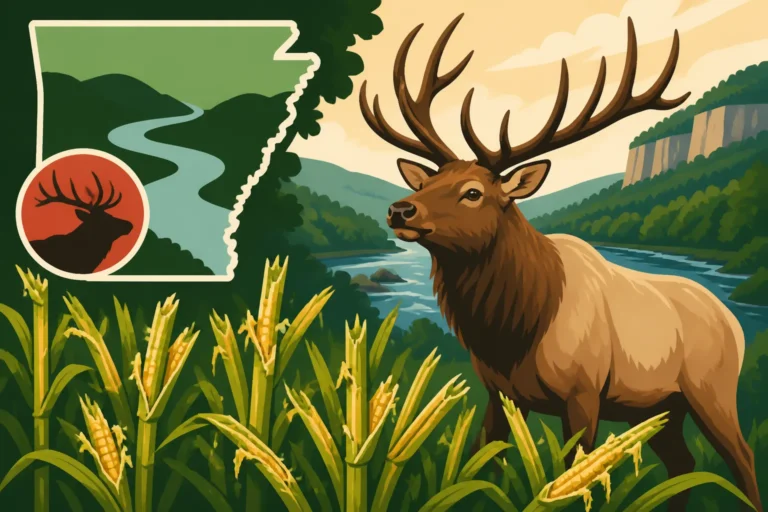
The news hit hard in February 2016. The Arkansas Game and Fish Commission (AGFC) confirmed the first positive case of Chronic Wasting Disease in the state. The grim discovery was made in a wild elk in Newton County, deep in the heart of the Ozark Mountains. This wasn't a random surveillance test; it was an unfortunate reality brought to light by a hunter who reported an obviously sick animal. The elk was exhibiting classic signs of CWD: emaciation, neurological issues, and overall poor health.
This single positive test was a seismic event for Arkansas. It instantly moved the state from a proactive "prevention" stance to an urgent "management and containment" mode. The fact that it was an elk, part of our treasured, reintroduced herd in the Buffalo River area, made the news even more poignant for many Arkansans who cherished these majestic animals and the conservation success story they represented. It served as a stark, undeniable signal that the threat was no longer theoretical; it was here.
Early Surveillance and Testing Efforts
The AGFC wasted no time initiating an aggressive response. Immediately following the confirmation in Newton County, the commission implemented emergency regulations and vastly expanded its CWD surveillance efforts. The focus was heavily concentrated in Newton County and the surrounding areas, which are prime habitat for both white-tailed deer and elk. Hunters in these zones were quickly required to provide samples from harvested deer and elk for CWD testing. This wasn't a small undertaking; it involved setting up voluntary and later mandatory check stations, working with local processors, and educating hunters about the critical need for samples.
Beyond hunter-harvested animals, AGFC staff began intensified surveillance, actively seeking out and testing sick or dead cervids throughout the region. The goal was to understand the prevalence and geographic extent of the disease as quickly as possible. This initial, intense period of data collection was vital for mapping the early spread of CWD and informing subsequent management strategies, even though it was a challenging and often emotionally charged time for all involved. It was a race against time to understand the enemy that had suddenly appeared within our borders.
Tracing the Path: How CWD Likely Arrived
The moment CWD was confirmed in Arkansas, the immediate, pressing question on everyone's mind was: "How did it get here?" Pinpointing the exact source of a wildlife disease like CWD can be incredibly challenging, especially given its long incubation period and environmental persistence. However, based on years of research and observations from other states, wildlife experts have developed several strong theories about its probable introduction to the Ozarks.
Theories of Introduction: Human-Assisted vs. Natural Migration
When a new wildlife disease appears in a previously unaffected area, wildlife biologists typically consider two main pathways: natural migration or human-assisted introduction. For CWD in Arkansas, natural migration, while always a possibility, was generally considered less likely to be the sole factor for the initial Newton County case. The nearest known CWD-positive populations in neighboring states were a considerable distance away, making a single, isolated jump by a wild cervid into the heart of the Ozarks less probable without earlier detections along the path. Deer and elk can and do travel, but a jump of that magnitude without intermediate positives is unusual.
This led the focus predominantly to human-assisted introduction. This isn't about blaming individuals, but rather understanding systemic vulnerabilities. Human-assisted spread refers to any scenario where people inadvertently or intentionally move infected animals or contaminated materials. This could range from the legal or illegal movement of live cervids, to the transport of infected carcasses or parts from a CWD-positive area into a CWD-free one. Given the isolated nature of the initial detection, and the history of CWD spread across North America, this became the strongest working hypothesis for Arkansas wildlife officials.
The Role of Deer and Elk Farming
One of the most common vectors for CWD spread in other states has been the captive cervid industry, specifically deer and elk farms. While Arkansas did not have commercial cervid breeding or hunting operations within the state at the time of the initial detection, the possibility of illegal or unregulated transport of animals or contaminated products from out-of-state facilities couldn't be ignored. It's a somber reality that some of the earliest documented CWD outbreaks in North America were linked to these captive populations, where high animal densities can accelerate disease transmission.
The AGFC, like many wildlife agencies, has long recognized the risk associated with moving live cervids, especially given the difficulty in testing for CWD in live animals and the long incubation period. A seemingly healthy animal could be carrying the disease, and if moved, could introduce it to a new wild population. While direct evidence of such an illegal movement leading to the Newton County case might be elusive, the scientific consensus points heavily towards this kind of vector as the most plausible explanation for CWD's sudden, isolated appearance deep in the Ozarks. It highlights the critical importance of strict regulations regarding wildlife transport.
The "Silent Spread" Before Detection
Another challenging aspect of CWD is its "silent spread" phase. As mentioned, the disease has a long incubation period, often lasting for months or even years before an infected animal shows any clinical signs. During this time, the animal appears healthy and can move freely, shedding infectious prions into the environment through its bodily fluids. This means that CWD could have been present in the wild cervid population of the Ozarks for a significant period—perhaps several years—before the discovery of the symptomatic elk in Newton County.
This undetected period makes it incredibly difficult to trace the exact moment or mechanism of introduction. An animal could have been introduced years prior, lived its life, spread prions, and then died without ever being tested, or without exhibiting noticeable symptoms. It's a frustrating reality for wildlife managers because by the time the disease is definitively identified, it often already has a foothold within the population and the environment. This "silent spread" also makes early detection nearly impossible without widespread, proactive testing, which only typically occurs after a positive case has been confirmed. It's a tough battle when the enemy hides in plain sight for so long.
The Spread of CWD Within the Ozarks
Once CWD was confirmed, the reality of its presence meant shifting from understanding its arrival to managing its spread. The rugged terrain and interconnected habitats of the Ozark Mountains presented a unique set of challenges for containing the disease within the region.
Geographic Expansion Across Ozark Counties
Following the initial detection in Newton County, subsequent testing revealed a wider, albeit still concentrated, distribution of CWD. Over the years, the disease has been detected in several neighboring Ozark counties. Boone, Carroll, Madison, and Searcy counties, among others, began showing positive cases, indicating that the disease was actively spreading through the wild deer and elk populations. This expansion wasn't a surprise to wildlife biologists, but it underscored the difficulty of containing a disease that spreads through persistent environmental prions and the natural movement of animals.
The spread tends to radiate out from the initial detection site, with the highest prevalence often found closest to where it was first confirmed. However, isolated positives can pop up further afield, sometimes due to the movement of a single infected animal, or perhaps due to human-assisted transport of contaminated items. This pattern of gradual, yet inexorable, expansion has been consistent with what has been observed in other CWD-affected regions across North America, showing the pervasive nature of the disease once it establishes itself.
Factors Influencing Local Spread
Several factors specific to the Ozarks have likely influenced the local spread of CWD. Firstly, deer density plays a significant role. While the Ozarks might not have the hyper-high densities seen in some agricultural areas, localized pockets of higher deer numbers can accelerate transmission. The broken, mountainous terrain often concentrates deer into valleys, creek bottoms, and along benches, creating more opportunities for direct contact or environmental contamination. Using tools like GoHunt, you can really dive into the nuances of specific areas and identify these natural travel corridors and congregation points.
Secondly, artificial attractants, such as baiting and supplemental feeding, were historically common practices in many parts of the Ozarks. While well-intentioned, these practices bring deer together in close proximity, increasing the likelihood of disease transmission. Imagine multiple infected and uninfected deer feeding from the same pile of corn or mineral block; it’s a perfect scenario for spreading prions. Though restrictions are now in place, the legacy of these past practices could have contributed to the early establishment and spread of the disease before current regulations took full effect. It’s a tough pill to swallow for hunters who relied on these methods, but the science is clear on the increased risk.
Impact on Deer and Elk Herds
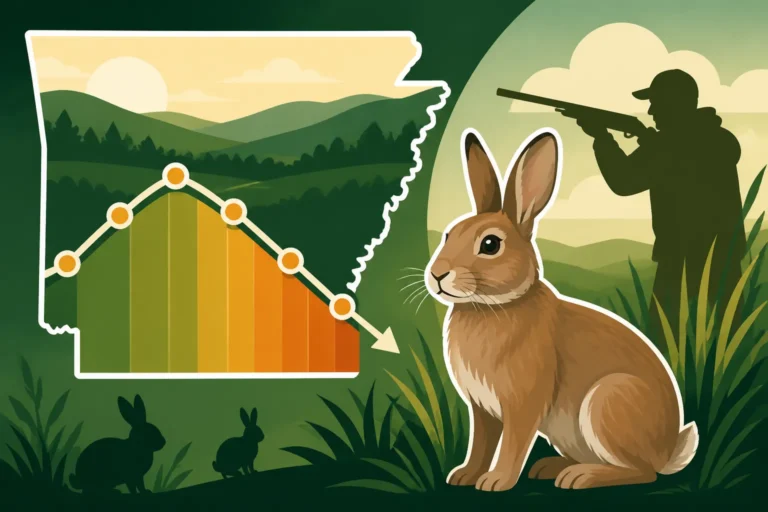
The long-term impact of CWD on Arkansas's deer and elk herds is still an evolving situation, but the concerns are significant. In other states, CWD has led to declines in deer populations, especially in areas with high prevalence rates. As more animals contract the disease and eventually succumb to it, the overall health and size of the herd can be affected. For our elk herd, which is a beloved symbol of conservation success, the presence of CWD is particularly troubling. While the elk population is relatively small and concentrated, the disease could potentially undermine years of effort to establish and grow the herd.
Monitoring the population dynamics in CWD management zones is a critical aspect of the AGFC's strategy. This involves not just tracking the number of positive cases but also observing deer harvest trends and conducting herd health assessments. The goal is to understand if CWD is causing significant mortality beyond natural attrition and if it is impacting the age structure and overall reproductive success of the herds. Hunters are truly on the front lines of this effort; your observations and participation in testing are invaluable to understanding and mitigating the disease's effects.
| Year | CWD Confirmed | Location (County) | Species | Key Management Response |
|---|---|---|---|---|
| 2016 | February | Newton County | Elk | Emergency CWD Zone declared, mandatory testing, carcass rules |
| 2017 | January | Boone County | Deer | Expansion of CWD Management Zone |
| 2017 | February | Madison County | Deer | Continued zone expansion and testing efforts |
| 2017 | October | Carroll County | Deer | Further zone expansion, baiting ban implemented in affected counties |
| 2018 | March | Searcy County | Deer | Intensified education campaigns for hunters |
| 2019 | January | Marion County | Deer | Refinement of carcass transport and feeding regulations |
Managing CWD in Arkansas Today
The initial shock of CWD's arrival has settled into a persistent, ongoing effort to manage the disease. The AGFC, in collaboration with hunters and landowners, has developed a comprehensive strategy aimed at minimizing CWD's spread and mitigating its impact on Arkansas's cervid populations. This isn't a simple task; it requires constant adaptation, education, and the cooperation of everyone who cares about our wildlife heritage.
AGFC's CWD Management Zones and Their Purpose
One of the cornerstones of Arkansas's CWD management strategy is the establishment of CWD Management Zones. These are specific geographic areas, primarily in the Ozarks where the disease has been detected, that are subject to specialized regulations. The purpose of these zones is multi-faceted: to slow the spread of the disease, reduce prevalence in infected areas, and protect uninfected areas from new introductions. The boundaries of these zones are determined by the location of positive CWD detections, as well as the natural travel patterns of deer and elk.
Within these zones, hunters will find a different set of rules compared to other parts of the state. These regulations are not put in place to make hunting harder, but rather to serve as critical tools in the fight against CWD. For example, understanding the intricacies of the CWD Management Zones is essential for any hunter heading into the Ozarks, and you'll often find specific guidance on these areas if you're looking into resources like Arkansas CWD Management Zone Rules. These zones are dynamic and can change as new data emerges, so staying informed is crucial every season.
Current Hunter Regulations and Restrictions
For hunters, navigating the regulations within CWD Management Zones can feel overwhelming at first, but they are absolutely vital. A primary regulation focuses on carcass transport: only certain parts of a deer or elk harvested in a CWD zone can be transported out of that zone. Typically, this means deboned meat, clean skull plates, antlers, hides, and finished taxidermy products. The goal is to prevent hunters from inadvertently moving infectious prions (which are concentrated in the brain, spinal cord, and lymphatic tissues) to new areas.
Additionally, mandatory CWD testing requirements are often in place for deer and elk harvested in certain parts of these zones, especially during specific periods like the opening weekends of modern gun season. Hunters are also asked to voluntarily submit samples throughout the season. Furthermore, regulations regarding baiting and supplemental feeding are often stricter or completely prohibited within CWD Management Zones. This is a direct response to the understanding that concentrating animals at bait sites significantly increases the risk of CWD transmission. While it’s a big change for many, these rules are critical for slowing the disease. If you're planning on Scouting Arkansas Public Land Before Season, it's imperative to check these local regulations.
Ongoing Research, Monitoring, and Adaptation
The battle against CWD is far from over, and the AGFC is committed to continuous research, monitoring, and adapting its strategies. Surveillance remains a top priority, with thousands of samples collected and tested annually to track the disease's prevalence and geographic spread. This data informs whether CWD zones need to expand or if specific regulations need to be adjusted. Researchers are constantly working to understand more about CWD, including prion behavior in the environment, genetic resistance in cervids, and potential new detection methods.
Beyond biological monitoring, the AGFC also engages with hunters and landowners through education and outreach programs. Workshops, online resources, and direct communication help ensure that the hunting community is well-informed about CWD and understands their role in its management. It's a long-term challenge, but through science-driven management and the dedicated efforts of Arkansas hunters, there is hope that we can minimize the impact of CWD and preserve our rich hunting traditions for generations to come. Checking How Many Arkansas Counties Have CWD each year can give you a clear picture of the ongoing situation.
Disclaimer
Please note that hunting regulations, seasons, and CWD management protocols can change. It is your responsibility to always check the most current Arkansas Game and Fish Commission regulations before planning any hunting trip or engaging in hunting activities. The information provided here is for general guidance and educational purposes only.