Arkansas Rabbit Population Trend
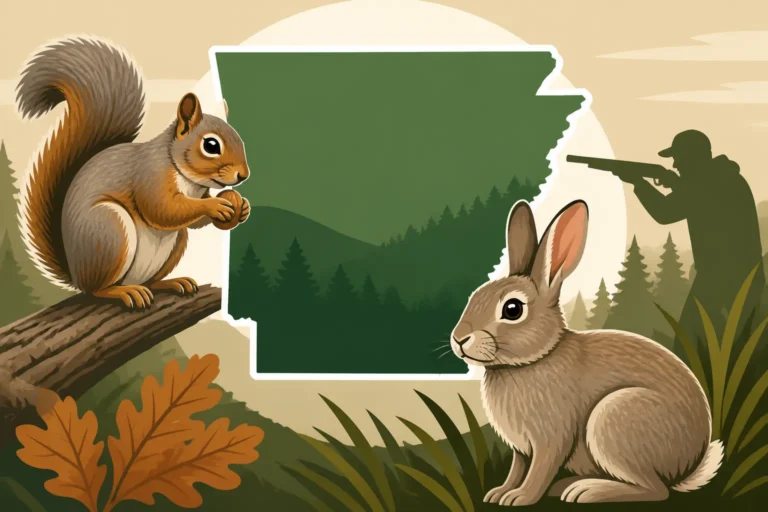
It can feel like finding a good rabbit patch is getting harder and harder these days, almost like the cottontails and swampers we remember from our childhood are simply not as abundant as they once were. This guide is going to dig into the reality of rabbit populations across Arkansas, exploring the trends, the challenges, and what these changes mean for hunters who cherish the pursuit of these quick-witted game animals.
Understanding Arkansas's Rabbit Population Trends
For many of us, rabbit hunting is more than just a pastime; it's a deeply ingrained tradition, often a gateway into the wider world of hunting, passed down through generations. But if you’ve spent enough time in the fields and brush piles of Arkansas, you might have noticed that some days, the bounty isn’t quite what it used to be. It's not just a feeling; rabbit populations, like many small game species, can fluctuate significantly, driven by a complex web of environmental factors.
Historical Context of Rabbit Numbers
Back in the day, especially from the mid-20th century into the 70s and 80s, rabbits seemed to be everywhere. You’d jump them out of every hedgerow, every field edge, and certainly out of every brush pile. This wasn't just luck; agricultural practices were different, often creating a mosaic of small farms with plenty of edge habitat, overgrown fencerows, and small woodlots that rabbits absolutely thrive in. Think about fields left fallow for a season or two, providing dense cover, or smaller crop fields that didn't demand intensive, wall-to-wall cultivation. This patchwork landscape was a buffet and a safe haven for rabbits.
These abundant numbers supported a vibrant culture of rabbit hunting, often with beagles baying through the thickets. It was a common sight to see a group of hunters heading out for a morning hunt, knowing they’d likely come home with a good mess of cottontails. The populations were resilient, bouncing back year after year even with consistent hunting pressure. The general sentiment was that rabbits were a limitless resource, and in many ways, for that era, they seemed to be.
Current Status and Regional Variations
Fast forward to today, and while Arkansas still holds a healthy population of rabbits, the distribution and density have certainly shifted. You might still find pockets where rabbits are thriving, often in areas with specific, well-managed habitat, but broad-scale abundance isn't as universal. The state’s diverse landscape means that rabbit populations can vary wildly from one region to another.
In the rich agricultural lands of the Delta, for instance, you'll still find good numbers, especially where there are significant areas of brushy cover, ditch banks, and uncultivated edges adjacent to crop fields. These areas offer the food and cover rabbits need. However, even here, larger farming operations often mean bigger fields and fewer fencerows, which can reduce overall rabbit habitat. In the Ouachita and Ozark Mountains, rabbits tend to be found in successional habitats—think old logging roads, clearcuts that are regenerating, and the edges of managed pine plantations. Hunting Arkansas Cutovers and Clearcuts can be a surprisingly productive way to find rabbits and other small game. The key is finding areas with dense, low-growing vegetation, which provides both food and protection from predators.
Across the state, hunters often report seeing fewer rabbits in areas that have become more developed or where agriculture has intensified. This isn't a sign of statewide collapse, but rather a redistribution. It often means hunters have to work a little harder, scout more thoroughly, and be more strategic in their approach to find those prime areas. Using a mapping tool like GoHunt can be incredibly useful for pinpointing satellite imagery that shows promising cover and edge habitat, helping you narrow down your search even before you put boots on the ground.
Key Factors Influencing Arkansas Rabbit Populations
Rabbit populations are incredibly dynamic, capable of reproducing quickly when conditions are good, but also susceptible to rapid declines when faced with adverse factors. Understanding these influences is crucial for appreciating the current trends and for supporting healthy rabbit numbers moving forward. It’s never just one thing, but a combination of pressures that shape the ebb and flow of these quick little creatures.
Habitat Loss and Fragmentation
Perhaps the most significant factor affecting rabbit populations, not just in Arkansas but across much of the country, is habitat loss and fragmentation. Rabbits are edge-dwellers; they thrive where different types of habitat meet, offering a blend of dense cover for protection and open areas for feeding. Think about a brushy fencerow next to a soybean field, or a young clearcut bordering mature timber. These "edge habitats" are rabbit magnets.
However, modern land use often reduces these critical edges. Larger farming equipment means fewer, wider fencerows or even their complete removal to maximize acreage for crops. Urban and suburban sprawl eats away at rural lands, replacing prime rabbit habitat with houses, roads, and manicured lawns. Even in forested areas, very mature, closed-canopy timber provides little in the way of low-growing cover for rabbits, though Hunting Ozark Ridges and Hollows for Deer might reveal some brushier draws that hold rabbits. When these habitats are lost or broken into small, isolated patches, it becomes harder for rabbits to move between areas, find mates, and escape predators. This fragmentation also makes them more vulnerable to disease and less resilient to environmental changes. We see the impact in areas where development marches on, and suddenly, those old hunting grounds just don't produce like they used to.
Predation and Disease Pressures
Rabbits are a fundamental part of the food chain, and a wide array of predators rely on them for sustenance. Coyotes, bobcats, foxes, owls, hawks, and even domestic dogs and cats all exert pressure on rabbit populations. While predation is a natural and healthy part of an ecosystem, an imbalance can sometimes occur, especially when other prey species are scarce or when predator populations are particularly high. For example, the increasing prevalence of coyotes across Arkansas means an ever-present threat to rabbits.
Beyond predation, diseases can also sweep through rabbit populations, sometimes with devastating effects. Tularemia, often called "rabbit fever," is a bacterial disease that can be transmitted to humans and can cause significant die-offs in rabbit populations. Other parasitic infections and illnesses can also weaken rabbits, making them more susceptible to predation or environmental stressors. While large-scale disease outbreaks are not an annual occurrence, they are a natural, albeit sometimes harsh, part of population control. This natural cycle means that some years you might find fewer rabbits, not because of hunting pressure, but because Mother Nature has taken her course.
Weather Extremes and Their Impact
Arkansas weather is nothing if not unpredictable. From scorching summers to icy winters, these extremes can have a profound impact on rabbit survival and reproduction. Severe droughts can diminish vegetation, reducing both food sources and critical cover. Rabbits need succulent green forage, and prolonged dry spells make this harder to find. Furthermore, a lack of vegetation can leave them exposed to predators.
Conversely, unusually wet periods, particularly during nesting season, can lead to high mortality rates for young rabbits. Flooding in low-lying areas, common in parts of the Delta, can displace or drown rabbits and destroy their nests. A mild winter might mean higher overwinter survival, leading to a larger breeding population in the spring, but a harsh winter with deep snow and prolonged cold can take a heavy toll. These weather patterns, especially with increasing variability, play a significant role in determining how many rabbits make it through the year to reproduce. When you consider the deep frosts or the relentless summer heat we can experience, it’s easy to see how weather can make or break a rabbit population in any given year.
Hunting Pressure and Management Strategies
Hunting has been a tradition for rabbits in Arkansas for generations, offering sustenance, recreation, and a deep connection to the outdoors. But with changing populations, it's natural to wonder about the role hunting plays and what management efforts are in place to ensure a future for rabbit hunting.
The Role of Hunter Harvest in Population Dynamics
It’s a common misconception that hunter harvest is the primary driver of rabbit population declines. In reality, rabbits are incredibly prolific, capable of breeding multiple times a year and producing large litters. This high reproductive rate means that their populations are generally quite resilient to typical hunting pressure, especially when habitat is abundant. The vast majority of rabbit mortality comes from other factors like predation, disease, and habitat loss, rather than from hunters.
Arkansas's small game seasons are carefully set to allow for a sustainable harvest. Arkansas Rabbit Season Runs for an extended period, reflecting the understanding that rabbits can withstand this pressure. Most rabbit hunting typically occurs in the fall and winter months, after the primary breeding season, meaning that hunters are primarily harvesting animals that have already had the opportunity to reproduce. Furthermore, hunters tend to focus on specific, productive patches of cover, leaving other areas undisturbed. So, while hunter numbers and harvest rates are monitored, they are rarely the bottleneck for rabbit populations. The challenge is often more about finding those rabbits than it is about overharvesting them.
Conservation Efforts and Habitat Improvement
The real key to robust rabbit populations lies in habitat. Recognizing this, conservation efforts often focus on restoring and improving the type of dense, brushy cover that rabbits need to thrive. Programs by the Arkansas Game and Fish Commission (AGFC) and other conservation organizations work with private landowners to implement practices that benefit small game. This can include prescribed burning to rejuvenate overgrown fields, planting native grasses and shrubs, or leaving field edges unmanaged to create those vital transitional zones.
On public lands, initiatives might involve managing timber harvests to create early successional habitat, which mimics the conditions found in regenerating clearcuts. Areas like certain Wildlife Management Areas (WMAs) are actively managed to provide diverse habitat structures that support a range of wildlife, including rabbits. When you're using a tool like GoHunt to scout public land, look for areas designated for specific habitat management practices, as these can often be hidden gems for rabbit hunting. Supporting organizations that work on these habitat projects, whether through volunteer efforts or purchasing hunting licenses and stamps, directly contributes to the long-term health of small game populations across the state. This proactive approach to habitat ensures that despite changes in land use, rabbits will still have places to call home.
What Hunters Can Do to Find Rabbits in Arkansas
Given the shifting landscape and population trends, successful rabbit hunting in Arkansas today often requires a more thoughtful approach than it might have decades ago. It's less about stumbling upon rabbits and more about intentional scouting and understanding their habits. But with the right knowledge, you can still enjoy fantastic days afield, whether you're running beagles or still-hunting through the thick stuff.
Identifying Prime Rabbit Habitat
The secret to finding rabbits isn't really a secret: it's all about habitat. Rabbits absolutely need dense cover to feel safe from predators, and they need readily available food sources. This means looking for areas that offer both in close proximity. Think about:
- Brush Piles and Logging Debris: These are absolute goldmines. Old logging operations often leave behind piles of branches and smaller trees, which quickly become impenetrable fortresses for rabbits. Rabbit Hunting Delta Brush Piles can be incredibly productive, as these piles are often found along field edges or in timber that has been recently thinned.
- Thick Fencerows and Hedgerows: Even if many have disappeared, those that remain are vital. These linear strips of dense vegetation offer cover and travel corridors.
- Regenerating Clearcuts and Timber Thinning: Areas that have been recently logged, especially if they're a few years old, will often have a dense growth of young saplings, briars, and weeds. This provides excellent browse and cover. Hunting a Cutover Two Years After Logging can be very effective for rabbits and deer alike.
- Field Edges and Overgrown Ditch Banks: Where agricultural fields meet woods or unmanaged land, rabbits often congregate. The edges of standing corn, soybeans, or even winter wheat can be highly attractive. Overgrown ditches provide dense linear cover.
- Cane Breaks and Briar Patches: These dense, often thorny thickets are uncomfortable for humans but perfect for rabbits seeking refuge.
- Old Home Sites and Abandoned Barns: These forgotten places often revert to thick, tangled vegetation, providing prime habitat.
When you're scouting, whether on foot or using aerial imagery on a mapping application like GoHunt, actively look for these features. Don't be afraid to get a little uncomfortable – if it looks like a place you wouldn't want to walk through, chances are a rabbit feels right at home there.
Effective Scouting and Hunting Techniques
Once you’ve identified potential habitat, the next step is to scout and plan your hunt. Early season scouting, before leaves are fully down, can give you a good idea of food sources and travel paths. Look for rabbit droppings, clipped vegetation, and small trails through the thick brush.
When it comes to hunting, there are a few tried-and-true methods:
- Hunting with Dogs (Beagles): This is the classic method and for good reason. Beagles excel at sniffing out rabbits, pushing them from cover, and sending them on a circular chase. Hunters can then position themselves along expected escape routes. Running Beagles on Arkansas Cottontails is a deep-rooted tradition, and it’s an incredibly exciting and effective way to hunt rabbits. Pay attention to wind direction to ensure your dogs get the scent, and always be aware of your surroundings, especially if hunting near roads or private property lines, which you can often verify with GoHunt.
- Still-Hunting/Stomping Brush: For those without dogs, or on smaller tracts, slowly walking through dense cover and kicking at brush piles can jump rabbits. Move methodically and pause frequently, as rabbits will often freeze before bolting. Look for subtle movements in the thickets. This method requires patience and a keen eye.
- Using a "Blocker": If hunting with a partner, one person can push a patch of cover while another stands ready at the opposite end, blocking escape routes. This is particularly effective on small, isolated brush piles or thickets.
Remember to consult Small Game Seasons and Limits before heading out. Safety is paramount, especially when hunting in dense cover where visibility can be limited. Always know what's beyond your target, and wear hunter orange where required. With diligent scouting and a smart approach, Arkansas still offers plenty of opportunities for a rewarding rabbit hunt.
| Factor | Impact on Rabbit Populations | Hunter's Takeaway |
|---|---|---|
| Habitat Loss | Reduces available cover and food; isolates populations. | Focus on areas with remaining brushy edges, clearcuts, and neglected zones. |
| Predation | Natural control; high predator numbers can suppress rabbits. | Rabbits will be extra wary; look for dense escape cover. |
| Disease (e.g., Tularemia) | Can cause localized die-offs; health risk to hunters. | Be mindful of sick-looking animals; handle game carefully. |
| Weather Extremes | Drought reduces food/cover; floods destroy nests; severe cold stresses populations. | Check recent weather; target areas less affected by extremes. |
| Reproductive Rate | High breeding capacity allows populations to rebound quickly. | Hunting pressure is generally sustainable; focus on habitat, not worry about over-harvest. |
| Edge Habitat | Critical for food and cover; rabbits thrive where habitats meet. | Prioritize fencerows, field borders, regenerating timber. |
Disclaimer
This article is for general informational purposes only and does not constitute professional advice. Laws, prices and regulations vary by location and change over time. Consult a qualified professional for guidance on your specific situation.