Small Game Seasons and Limits
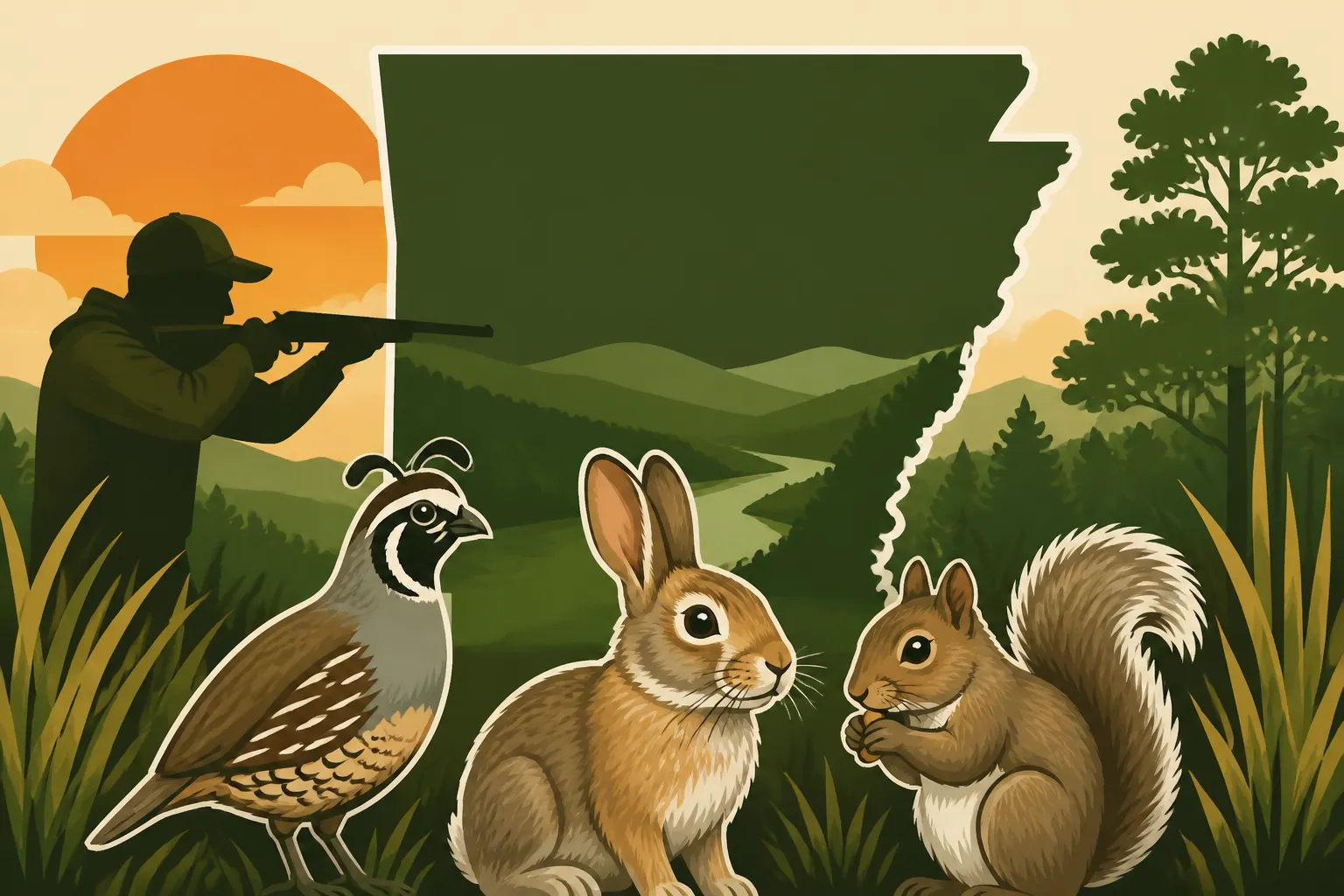
It’s easy to get caught up in the excitement of deer season or the unparalleled thrill of a flooded timber duck hunt here in Arkansas, but let's be honest: sometimes the real challenge, and often the most accessible fun, lies in the pursuit of small game. For many hunters, myself included, the thought of deciphering the various seasons and bag limits for rabbits, squirrels, quail, and other smaller critters can feel like navigating a maze, especially with all the nuances and specific regulations. This guide is here to untangle that web, providing clear, detailed information on Arkansas's small game seasons and limits so you can hit the woods with confidence.
The Enduring Appeal of Arkansas Small Game Hunting
For a lot of folks, small game hunting is where it all began. It's often the first type of hunting a youngster experiences, chasing squirrels through oak groves or flushing rabbits from a briar patch. But even for seasoned hunters, the allure remains strong. The pace is often more relaxed, the physical demands can be less strenuous than slogging through a swamp, and the sheer volume of action can be incredibly rewarding. However, finding definitive, easy-to-understand information on all the different species can be a bit of a headache.
Why Small Game Still Matters
Beyond nostalgia, small game hunting offers tangible benefits. It's an excellent way to introduce new hunters to the field, teaching ethics, safety, and basic woodsmanship without the intense pressure or financial investment often associated with big game. You don't always need specialized gear or expensive leases; often, a decent shotgun or a .22 rifle and a pair of good boots are all it takes. Plus, the meat from these animals is delicious and sustainable, a wonderful addition to any table. It keeps us connected to the traditions of our ancestors and provides a much-needed break from the daily grind. It’s also a fantastic way to sharpen your tracking and stalking skills, which translates directly to success in bigger game pursuits later on.
Overcoming the Information Overload
The Arkansas Game and Fish Commission (AGFC) does an incredible job of publishing regulations, but sometimes the sheer volume of information can be overwhelming. You might find yourself flipping through pages, trying to cross-reference dates, zones, and species-specific rules. It's a common frustration, especially when you just want to know if you can take your grandson out for a morning squirrel hunt this weekend. My goal here is to consolidate that information, making it accessible and easy to digest, so you spend less time reading regulations and more time enjoying the crisp air of an Arkansas morning. Many hunters find tools like the GoHunt app incredibly useful for quickly referencing regulations and mapping public lands, which can save a lot of headaches in the field.
Understanding Rabbit Seasons and Bag Limits
Rabbit hunting in Arkansas is a storied tradition, conjuring images of beagles baying through thickets and hearty stews simmering on the stove. Two main species are pursued here: the Eastern Cottontail and the Swamp Rabbit (often called "Cane Cutter"). While both offer exciting hunting, their habits and preferred habitats differ slightly, which can influence where and how you hunt them. The season dates are generally quite generous, allowing ample opportunity to get out.
Key Dates for Cottontail and Swamp Rabbits
The season for both cottontail and swamp rabbits in Arkansas typically runs from September 1 to February 28. This lengthy season provides ample opportunity, stretching from the warm days of early fall when vegetation is still thick, through the cold depths of winter when cover is sparser, making rabbits easier to spot and flush. Early season hunts can be challenging due to dense foliage, which gives rabbits plenty of places to hide and makes shooting difficult. However, as winter progresses and leaves fall, visibility improves significantly. This long season allows hunters to adapt their tactics to changing conditions, from jump-shooting in early fall to organized drives with dogs in mid-winter. You can learn more about specific timing in posts like When Arkansas Rabbit Season Runs.
Daily and Possession Limits for Rabbits
The AGFC sets clear limits to ensure sustainable populations. For both cottontail and swamp rabbits, the daily bag limit is 8 rabbits. This means you can legally harvest eight rabbits per hunter per day. The possession limit is 16 rabbits, which means you can have up to sixteen legally harvested rabbits in your possession at any given time, whether they are in your cooler, freezer, or at your camp. These limits are designed to allow for generous harvest while preventing overhunting, ensuring that future generations can also enjoy this classic pursuit. It’s important to remember that these limits apply to the combination of both species, not eight of each.
Specific Considerations for Hunting Rabbits
Rabbit hunting, particularly with dogs, is a social activity deeply ingrained in Arkansas culture. Running Beagles on Arkansas Cottontails is a popular pastime, and the sound of a good pack working a briar patch is music to many a hunter's ears. When hunting rabbits, look for areas with dense cover such as briar patches, honeysuckle thickets, old fields reverting to forest, and the edges of agricultural fields. These areas provide both food and protection from predators. In the Delta, you might find concentrations of swamp rabbits in low-lying, often damp areas with thick cane brakes and brush, which gives them their "cane cutter" nickname. Don't forget that these low-lying areas can sometimes be near public lands like Felsenthal Refuge Hunting Rules, which often hold good numbers of rabbits. Always be mindful of land ownership, and if hunting on private land, ensure you have explicit permission.
Navigating Squirrel Seasons and Bag Limits
Squirrel hunting is arguably the most traditional form of small game hunting in Arkansas, often serving as a gateway for young hunters to learn the ropes of ethical and safe hunting. Arkansas is home to two main squirrel species: the ubiquitous Gray Squirrel (often called "Cat Squirrel") and the larger, less common Fox Squirrel. Both offer distinct challenges and rewards, from the quick, elusive movements of the grays to the more deliberate, often terrestrial habits of the fox squirrels.
Extended Opportunities for Gray and Fox Squirrels
Arkansas offers an incredibly generous squirrel season, typically running from May 15 to February 28. This lengthy season, sometimes referred to as Arkansas's Long Squirrel Season Explained, spans nearly ten months, giving hunters vast opportunities across multiple seasons. Early season hunting in late spring and summer offers a unique challenge, as squirrels are often active but hidden by dense foliage. This is when patience and keen eyesight truly pay off. As the leaves begin to turn in the fall, and especially after they drop in winter, visibility increases, making squirrels easier to spot. This long season also means you can often combine a squirrel hunt with other activities, like scouting for deer or just enjoying a walk in the woods.
Daily and Possession Limits for Squirrels
For both gray and fox squirrels, the daily bag limit is 12 squirrels. This allows for a substantial harvest, perfect for filling the freezer with delicious wild game. The possession limit is 24 squirrels. Similar to rabbits, these limits apply to the combined total of both species. These generous limits reflect the healthy and widespread squirrel populations across much of Arkansas. Remember, adhering to these limits is crucial for maintaining sustainable populations and ensuring that squirrel hunting remains a viable and enjoyable activity for years to come.
Tactics and Timings for Squirrel Hunters
Squirrel hunting success often hinges on understanding their habits and preferred food sources. Early in the season, look for squirrels around soft mast trees like mulberries and dogwoods, moving to acorns, pecans, and hickory nuts as the fall progresses. Learning to identify these food sources is key; posts like Reading Cuttings Under an Oak can offer valuable insights. During the summer, squirrels are often active early in the morning and late in the afternoon, seeking relief from the midday heat. In the fall and winter, their activity can extend throughout the day, especially on clear, calm days.
There are primarily two ways to hunt squirrels: still-hunting or stalking, and hunting with dogs. Still-hunting involves moving slowly and quietly through the woods, pausing frequently to listen and look for movement. Hunting with dogs, typically cur dogs or feists, involves letting the dog locate and tree a squirrel, then moving in for the shot. Both methods have their proponents and offer unique experiences. When heading out, remember to check the specific regulations for the area you plan to hunt, especially if it's a Wildlife Management Area (WMA), as some WMAs might have specific restrictions or seasons that differ slightly from statewide rules. Using the GoHunt app to check WMA boundaries and specific regulations can be a game-changer for squirrel hunters.
Quail Hunting in Arkansas: Seasons and Challenges
Bobwhite quail, once a common sight and sound across Arkansas landscapes, have seen significant declines over the past several decades. While the numbers aren't what they once were, there are still dedicated hunters who pursue these elusive birds, and conservation efforts are underway to help bring them back. Hunting quail in Arkansas today is often about quality over quantity, a chance to experience a classic wingshooting pursuit and support vital habitat restoration work.
Season Dates for Bobwhite Quail
The statewide season for Bobwhite Quail in Arkansas typically runs from November 1 to February 28. This mid-fall to late winter season is designed to align with optimal hunting conditions after young birds have matured and before the spring nesting season begins. The cooler weather of late fall and winter is also more comfortable for hunters and beneficial for bird dogs, which are essential for effective quail hunting. While the season is fairly long, finding consistent coveys can be a challenge due to declining populations.
Quail Limits and Conservation Efforts
The daily bag limit for Bobwhite Quail is 6 quail, and the possession limit is 12 quail. These conservative limits reflect the ongoing efforts to protect and restore quail populations. Unlike rabbits or squirrels, where limits are quite generous, quail limits are tighter, emphasizing responsible harvesting. The AGFC, along with conservation groups, is actively engaged in habitat management programs aimed at improving quail habitat through controlled burns, timber thinning, and planting native grasses and forbs. Understanding Arkansas Quail Population Trend and Why Arkansas Quail Numbers Fell helps underscore the importance of these efforts. Every hunter who steps afield for quail plays a role in supporting these conservation initiatives, even if it's just by purchasing their hunting license, which helps fund wildlife management.
Finding Opportunities and Overcoming Declines
While wild quail populations have declined, opportunities still exist, particularly on intensively managed private lands or specific public areas where habitat work has been focused. Look for areas with a mosaic of open woodlands, native grasslands, and agricultural field edges. Early successional habitat, characterized by young plants and thick cover, is crucial for quail. If you're passionate about quail hunting, connecting with local conservation groups or the AGFC can provide insights into where specific restoration efforts are yielding results. Some areas, though few and far between, might offer opportunities for a handful of coveys, but don't expect the large numbers seen in decades past. GoHunt's detailed mapping can sometimes help identify suitable habitat characteristics on public lands, though ground-truthing is always essential.
Seasons and Limits for Raccoon and Opossum
Raccoon and opossum hunting, often conducted at night with hounds, is a unique and exciting facet of Arkansas's small game and furbearer traditions. These nocturnal pursuits offer a different kind of challenge and camaraderie, steeped in history and the thrill of the chase. While they are often considered furbearers due to the value of their pelts, they are also popular small game for many hunters.
Raccoon and Opossum Hunting Seasons
The season for hunting raccoon and opossum in Arkansas is quite extensive, typically running from September 1 to March 31. This long season allows hunters to pursue these animals through the cooler months, which is often preferable for both the hounds and the comfort of the hunters. Night hunting is the predominant method, offering a thrilling experience as hunters follow their dogs through the darkness, listening for the tell-tale baying that signals a treed animal. There is also a specific season for taking them with firearms from September 1 to March 31, allowing daytime opportunities, though night hunting remains the most popular.
Daily and Possession Limits for Furbearers
For both raccoon and opossum, there are no daily or possession limits for hunting during the open season. This liberal regulation reflects their robust populations across the state and the fact that they are often seen as a management species due to their prevalence. However, it's critical to note that trapping these animals often has different regulations, including permits and specific season dates. Always consult the current AGFC regulations if you plan to trap. While there are no limits, ethical hunting practices and respect for the resource should always guide your decisions.
Night Hunting and Trapping Regulations
Night hunting for raccoons and opossums is a distinct activity governed by specific rules. Hunters are generally allowed to use lights, including headlamps and coon lights, to locate and identify treed animals. However, there are restrictions on the type of firearms that can be used at night for hunting. Typically, small caliber rimfire rifles (.22 caliber rimfire or smaller) and shotguns with shot sizes no larger than number 4 are permitted. The use of dogs is central to most raccoon and opossum hunting, and the sound of a good pack of coonhounds echoing through the woods on a still night is an unforgettable experience. For more on this, check out Raccoon Hunting at Night in Arkansas. Remember to always be aware of your surroundings, potential hazards in the dark, and to inform others of your hunting plans for safety.
Crow Hunting Opportunities in Arkansas
Crow hunting might not be as mainstream as deer or duck hunting, but it offers a surprisingly engaging and challenging wingshooting experience. Often overlooked, crow hunting can sharpen your calling skills, improve your shotgunning, and provide a lot of fast-paced action during times when other seasons are closed or winding down. Plus, they offer a unique opportunity to interact with wildlife in a different way.
Understanding the Extended Crow Season
Arkansas boasts an incredibly long crow season, typically running from September 1 to February 28, and then resuming from June 1 to June 30. This split season effectively provides nearly nine months of hunting opportunities throughout the year, making it one of the longest open hunting seasons for any species in the state. This extended season provides ample time to pursue crows, whether you're looking for early fall action, a mid-winter challenge, or a quick hunt in early summer. It's an excellent way to keep your hunting skills sharp and your shotgun warm, especially when other seasons might be closed. More details can often be found in resources like When Arkansas Allows Crow Hunting.
Crow Limits and Unique Regulations
Perhaps the most unique aspect of crow hunting in Arkansas is that there are no daily or possession limits. Crows are considered a depredating species in many agricultural areas, and their populations are robust. This "no limit" rule means hunters can focus purely on the challenge and enjoyment of the hunt without having to constantly count their take.
However, there are specific regulations regarding hunting hours. Crows may be hunted only from one-half hour before sunrise until sunset. Night hunting for crows is prohibited. Additionally, federal regulations consider crows migratory birds, even though they have no limits and an extended season. This means that hunters must comply with basic federal migratory bird regulations, such as using non-toxic shot in specific federal areas if applicable, though for most general crow hunting, lead shot is permissible. Always verify the most current regulations for any specific area you plan to hunt, especially if it's federal land or a WMA.
The Thrill of a Crow Hunt
Crow hunting is an active and engaging pursuit. It often involves setting up a decoy spread, usually consisting of several plastic crow decoys, and then using electronic or mouth calls to draw in birds. Crows are intelligent and wary, making for a challenging hunt. They respond well to distress calls and locator calls, often circling high above before committing to the decoy spread. The shooting can be fast and furious, providing excellent practice for dove or duck hunting. Finding good crow hunting spots often means scouting for large roosts or areas where crows are actively feeding, such as agricultural fields or around livestock operations. This type of hunting can also be a fantastic way to introduce new hunters to calling and decoying tactics, skills that are transferable to other forms of hunting. Getting out with a buddy, setting up a good spread, and working the calls can make for some truly memorable days afield, even when the big game seasons are quiet.
Table: Arkansas Small Game Seasons and Limits Summary
To make things a bit clearer, here's a quick reference table summarizing the key season dates and limits for the primary small game species in Arkansas. Always remember that this is a general overview, and consulting the latest AGFC regulations is crucial before any hunt. Many hunters use the GoHunt app to keep this information handy in the field.
| Species | Season Start | Season End | Daily Bag Limit | Possession Limit | Special Considerations |
|---|---|---|---|---|---|
| Rabbits | September 1 | February 28 | 8 | 16 | Eastern Cottontail & Swamp Rabbit |
| Squirrels | May 15 | February 28 | 12 | 24 | Gray & Fox Squirrels |
| Bobwhite Quail | November 1 | February 28 | 6 | 12 | Requires habitat; populations are lower |
| Raccoon | September 1 | March 31 | No Limit | No Limit | Primarily night hunted with dogs |
| Opossum | September 1 | March 31 | No Limit | No Limit | Primarily night hunted with dogs |
| Crow | Sept 1 – Feb 28, Jun 1 – Jun 30 | (Split Season) | No Limit | No Limit | Hunting from 1/2 hour before sunrise to sunset only |
It's a lot to keep track of, but this table should give you a solid foundation for planning your small game adventures. Just remember that seasons can occasionally shift due to biological factors or regulatory changes, so a quick check of the current year's digest is always a smart move.
Disclaimer
Please be aware that hunting regulations, seasons, and limits can change annually. The information provided in this guide is intended for general informational purposes only and is based on typical Arkansas hunting seasons. It is the hunter's responsibility to review and comply with the most current regulations published by the Arkansas Game and Fish Commission (AGFC) before engaging in any hunting activity. Always prioritize safety and ethical hunting practices.