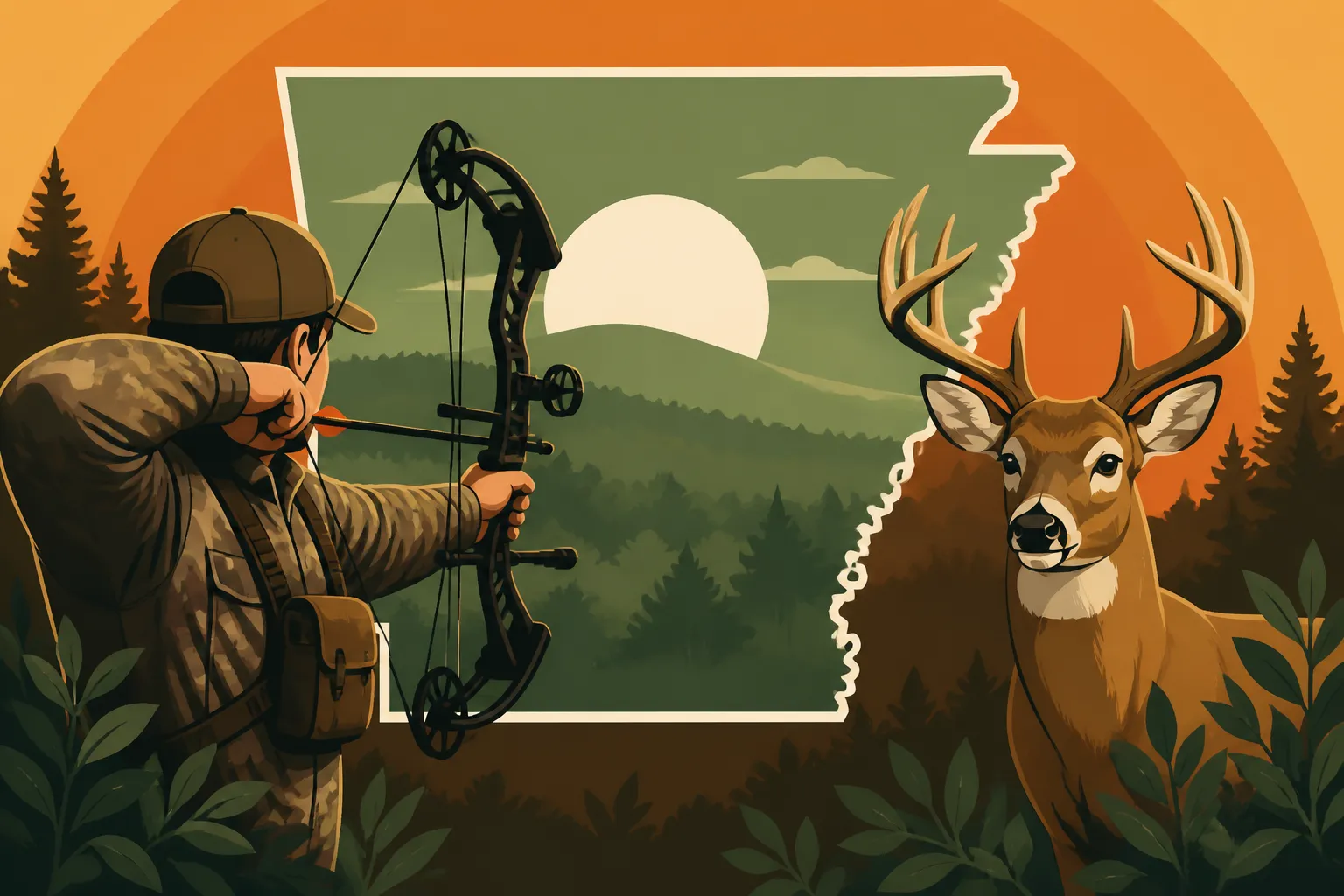
Bowhunting Arkansas’s Five-Month Archery Season
The sheer length of Arkansas's archery deer season can feel like a blessing and a curse. Five months in the woods sounds incredible, but it also presents a huge challenge: how do you stay motivated, adapt your tactics, and consistently find deer from late September right through to February? This comprehensive guide will walk you through the nuances of bowhunting the entire Arkansas archery season, from scouting and gear to adapting to changing deer behavior and regulations.
Understanding Arkansas's Extensive Archery Season
Arkansas offers one of the longest archery seasons in the nation, stretching from late September well into the following February. This incredible five-month window provides hunters with ample opportunity but also demands a flexible and adaptive approach, as deer behavior, habitat conditions, and weather can change dramatically from opening day to the final hours. It's not just about spending more time afield; it's about understanding how to optimize that time.
Navigating the Five-Month Window
That five-month span, roughly from September 23rd to February 28th, covers a huge spectrum of deer activity and environmental conditions. You'll encounter deer still on summer patterns, the frenzy of the rut, and the stark reality of post-rut winter foraging. For many, simply knowing the calendar dates is the first step, but the real challenge lies in dissecting those months into distinct phases, each requiring its own unique strategy and mindset. This extended season is a marathon, not a sprint, and preparing for its entirety is key to consistent success. To truly maximize your opportunities, you need to think beyond just one or two weekend hunts.
One common mistake hunters make is treating the entire season with the same approach. You can't hunt a bedding area in September the same way you would in January, nor can you expect early-season food sources to be viable through the late winter. The season length means you have to constantly re-evaluate and adapt. This also means understanding things like the Arkansas Archery Deer Season Dates which are crucial for planning your yearly hunts. Having accurate dates at your fingertips allows you to schedule vacation time, scout effectively, and make sure your gear is dialed in for each phase.
Zone-Specific Archery Regulations
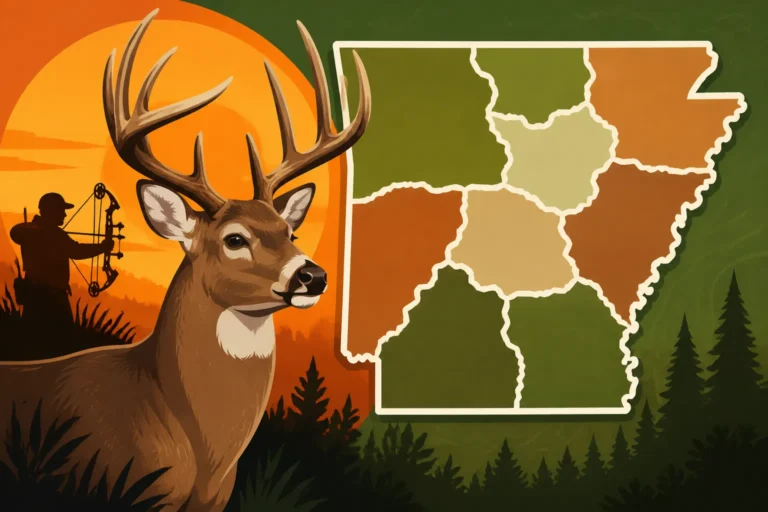
Arkansas is divided into various deer zones, each with its own set of regulations concerning bag limits, antler point restrictions, and sometimes even season lengths or specific weapon restrictions. What might be perfectly legal in the Delta could be a violation in the Ozarks, so paying close attention to the zone you plan to hunt is non-negotiable. These rules are designed to manage deer populations effectively across diverse habitats and ensure sustainable hunting opportunities for everyone.
Before you even step foot in the woods, take the time to intimately familiarize yourself with the specific zone regulations for your hunting area. This includes understanding the antler point restrictions, which might dictate if a young buck is legal or not, and the overall bag limits. Nothing ruins a hunt faster than realizing you've harvested an illegal deer or missed an opportunity because you weren't clear on the rules. The AGFC website and their annual hunting guide are your best friends here, offering clear and concise information specific to each zone. It's not just about legality; it's about being an ethical and informed hunter.
The Early Buck-Only Archery Days
To kick off the extended archery season, Arkansas often implements a special, early buck-only archery period. This specific timeframe, typically a few days at the very beginning of the season, allows hunters to target mature bucks before general antlerless harvest opens. It's a strategic move by the AGFC to give bowhunters a crack at bachelor groups of bucks before they begin to disperse with increased pressure and the approaching rut.
This early buck-only window is a prime opportunity for those dedicated bowhunters who put in the summer scouting work. Bucks are still often in their predictable summer patterns, hitting reliable food sources, and less wary than they will be a few weeks later. However, the catch is the weather, which can still be sweltering hot. Understanding this The Three-Day Early Buck-Only Archery Hunt is vital for maximizing your chances. It’s a short window, so you need to be prepared to capitalize on it, focusing on shaded routes, water sources, and evening food plots.
Hunting Early Season Deer in Arkansas Heat
Opening day of archery season in Arkansas, usually in late September, often means dealing with significant heat and humidity. Deer behavior is largely dictated by these conditions, with activity peaking during the coolest parts of the day. Hunters need to adjust their strategies, focusing on water, shade, and specific food sources that are attractive in warm weather. Overlooking the impact of heat can lead to frustratingly slow hunts and even compromise meat quality.
Dealing with September Heat
September in Arkansas can feel more like a continuation of summer than the start of fall. We're talking 80-degree days, high humidity, and little relief until the sun sets. This isn't just uncomfortable for you; it significantly impacts deer movement. They're going to be less active during midday, opting for shaded, cool bedding areas, and conserving energy. This means your hunting windows become narrower, primarily focusing on the first and last hours of daylight.
Successful early-season bowhunting hinges on precise timing and strategy to compensate for the heat. Forget sitting all day; focus on those twilight hours. When Bowhunting Arkansas in September Heat, you need to prioritize stand locations that offer quick recovery of an animal and minimize the amount of meat exposed to warm temperatures. Think about short blood trails, accessible terrain, and having a plan for rapid field dressing and cooling. Carrying plenty of water and lightweight, breathable clothing is also paramount for your own comfort and endurance.
Hunting Food Sources and Water
In the early season, food and water are the primary drivers of deer movement, even more so than in later parts of the year. Acorns, especially white oaks, can be an absolute magnet. However, if acorns haven't started dropping yet, or if it's a poor mast year, deer will be heavily reliant on green browse, agricultural fields, and soft mast like persimmons. Water sources become critical too, as deer need to stay hydrated in the heat.
Scouting for these specific early-season resources is non-negotiable. Look for areas with fresh browse, heavily used trails leading to water, or fields that are being actively fed upon. If you can locate a productive white oak dropping acorns, you've found a gold mine. Deer will often hit these spots right off the roost in the morning or just before heading to bed in the evening. Understanding the availability and preference for these resources will give you a significant advantage in patterning early-season deer.
Thermals and Wind in Early Season
When the air is warm and still, understanding thermals becomes incredibly important, especially in terrain like the Ozarks or Ouachitas. Thermals are air currents created by temperature changes – air rising as it warms and falling as it cools. In the mornings, cool air sinks into hollows, and in the evenings, warm air rises. These subtle air movements can carry your scent directly to deer, even if the general wind direction seems favorable.
Ignoring thermals in the early season is a surefire way to get busted. You might think you have a perfect crosswind, but a thermal current can quickly betray your presence. This is particularly true when Wind and Thermals in Ouachita Hollows are at play. Plan your approach and exit routes to account for these shifting air currents. Morning hunts often mean accessing stands from above a feeding area, letting your scent rise. Evening hunts might involve approaching from below, allowing your scent to be carried upwards as the air cools and sinks. Always play the wind and thermals, even if it means foregoing a seemingly perfect stand location.
Mid-Season Strategies and Rut Activity
As October transitions into November, Arkansas deer country begins to transform. The leaves drop, temperatures cool, and the unmistakable signs of the rut start to emerge. This mid-season period, typically from late October through early December, is arguably the most exciting time for bowhunters, offering opportunities to capitalize on the unpredictable movements of bucks searching for does.
Timing the Peak Rut Week in Arkansas
The "rut" isn't a single event but a progression, and its peak varies across Arkansas's diverse zones. Generally, in the central and northern parts of the state, late October into mid-November is often the sweet spot. Further south, particularly in the Delta, the rut can extend later, sometimes even into December or January. Bucks become less predictable, traveling widely, and focused almost entirely on breeding.
Your best bet for success during this time is to understand the specific peak rut timing for your hunting area. Consulting local wildlife biologists or long-time hunters can provide invaluable insights. Once you know Hunting the Peak Rut Week in Arkansas, you can adjust your vacation days and focus your efforts. This is the time to be in your stand as much as possible, from dawn until dusk, because a hot buck can show up at any moment, regardless of traditional feeding times. Focus on travel corridors between known bedding and feeding areas, or where does are likely to be found.
Hunting Transition Areas and Rub Lines
During the pre-rut and rut, bucks leave abundant signpost communication: rubs and scrapes. Rubs, where bucks strip bark from trees with their antlers, indicate aggression and mark territory. Scrapes, areas where bucks paw the ground, urinate, and sometimes glandularly mark overhead branches, are essentially communication hubs for deer. While early season rubs might be casual, rut-driven rub lines are intense and tell a story of a buck's travel.
Focusing your efforts on well-defined rub lines and active scrape lines can be incredibly effective during the rut. These aren't just random acts; they often indicate a buck's preferred travel routes, especially when checking for does. Look for transition areas – places where two different habitat types meet, like the edge of a timber block and a clear-cut, or a ridge leading down to a creek bottom. These transition zones naturally funnel deer movement. A great strategy is to set up a stand overlooking a scrape or a series of rubs that are clearly part of an active travel corridor, especially if it's near a doe bedding area or a funnel.
Calling and Decoy Strategies
The rut is prime time to incorporate calling and decoy strategies into your bowhunting arsenal. Grunt calls can pique a buck's curiosity or challenge a dominant deer, while rattling antlers can simulate a fight between two bucks, drawing in competitors or curious observers. Decoys, particularly buck or doe models, can provide a visual cue that often seals the deal, convincing a wary buck to close the distance for a shot.
When Rattling and Grunting in Arkansas, remember that timing and volume are crucial. Early in the rut, softer grunts and light rattling might be enough to draw in a curious buck. As the rut intensifies, more aggressive rattling and longer grunt sequences can mimic a full-blown fight. Decoys work best in open areas where they can be seen from a distance, luring bucks into range. Always position your decoy to draw the buck's attention away from your stand, providing a shot opportunity while he's focused on the fake. Experiment with different calls and decoys, but always remain mindful of the wind direction and your scent control.
Late Season Archery Opportunities
After the frenzy of the rut subsides, typically from mid-December through February, deer behavior shifts dramatically. Food, rather than breeding, becomes the primary driver, and deer return to more predictable patterns focused on survival. This late season presents its own unique challenges and opportunities for the persistent bowhunter. Don't discount these last weeks; some of the biggest bucks are harvested by those who brave the cold.
Finding Remaining Food Sources
With most acorns long gone and green browse scarce, late-season deer become incredibly reliant on whatever calorie-rich food sources remain. This often means agricultural fields – standing corn, soybeans, or winter wheat – and persistent mast crops like late-dropping pecans or specific oak varieties that hold onto their acorns longer. Deer will travel significant distances to access these critical food sources, making them prime targets.
Your late-season scouting should revolve entirely around identifying these key feeding areas. Don't be afraid to knock on doors to gain access to private agricultural lands, or meticulously scout public lands for the last remaining acorn crops. Even something as simple as a clear-cut area that has grown up with new tender shoots can become a late-season buffet. Once you locate these "hot" food sources, focus your efforts on trails leading directly to them, or on pinch points deer use to access them. The colder the weather, the more predictable deer movement will be towards these critical food supplies.
Hunting Cold Fronts and Winter Cover
Cold fronts in late season are like gold for deer hunters. A sudden drop in temperature, especially after a period of mild weather, will often trigger increased deer activity. They need to feed heavily to maintain body heat, making daytime movement far more likely. Additionally, as winter progresses, deer seek out dense thermal cover to escape the cold and wind. This often means thickets, pine plantations, or south-facing slopes that catch more sunlight.
When a cold front rolls through, especially with accompanying snow or ice, you need to be in the woods. Position yourself on the downwind side of known thermal cover, or along trails leading from these bedding areas to critical food sources. Deer will move out of their bedding cover in the late afternoon, sometimes earlier than usual, to get a jump on feeding before the bitter cold of night sets in. Pay attention to bedding areas within Hunting Arkansas Cutovers and Clearcuts, as these can be late-season havens. The combination of cold weather and accessible food creates some of the best late-season hunting opportunities.
Still-Hunting Arkansas Pine Country
Still-hunting is a highly effective, yet often underutilized, tactic for late-season bowhunting, particularly in dense cover like pine plantations or thick hardwoods. Instead of sitting in a stand, still-hunting involves moving incredibly slowly and deliberately through the woods, pausing frequently, and observing your surroundings. It's about blending in, becoming part of the landscape, and letting your eyes and ears do most of the work.
This method works exceptionally well when Still-Hunting Arkansas Pine Country because the dense pines offer excellent cover for both you and the deer. The soft needle carpet often muffles your footsteps, allowing for silent movement. Focus on walking into the wind, taking one to two steps at a time, then stopping for several minutes to scan for deer. Look for horizontal lines (a deer's back) in a vertical world (trees), ears flicking, or the twitch of a tail. This methodical approach allows you to cover ground, find deer, and get into bow range on the ground, adding an exciting dimension to your late-season hunts.
Public Land Bowhunting Challenges and Rewards
Arkansas boasts a significant amount of public land, including Wildlife Management Areas (WMAs), National Forests, and National Wildlife Refuges. Bowhunting on these public grounds offers incredible accessibility and diverse terrain, but it also comes with unique challenges, primarily increased hunter pressure. However, with smart scouting and a willingness to walk, public land can yield fantastic bowhunting opportunities.
Scouting Before Season on WMAs
Success on public land begins long before opening day, with diligent off-season scouting. WMAs, by their nature, receive more hunting pressure, so finding areas less traveled by other hunters is paramount. This involves pouring over maps, using digital scouting tools, and putting boots on the ground to identify natural funnels, remote bedding areas, and overlooked food sources.
Utilize resources like the AGFC interactive map tool or third-party apps like GoHunt to analyze aerial imagery, topographical maps, and public/private land boundaries. Look for areas that are difficult to access – deep draws, remote ridges, or areas requiring a longer walk. These are often the places where deer find refuge from pressure. When Scouting Arkansas Public Land Before Season, look for old logging roads, creek bottoms, and subtle terrain features that might funnel deer movement. The more you know about the land before the season even begins, the better your chances of encountering unpressured deer.
Treestand Setups in Delta Hardwoods
Hunting the Delta's flooded hardwoods presents a unique challenge and opportunity for bowhunters. The flat terrain, abundant water, and dense canopy require specific stand placement strategies. Deer in these areas often relate to subtle changes in elevation, old levee systems, or areas that remain dry during minor floods.
When planning Treestand Setups in Delta Hardwoods, consider the water levels and how they might affect deer travel and access to your stand. Often, deer will use the driest available ground, or travel on old logging roads and levees. Look for pinch points created by sloughs or open water, or areas where dry ground meets flooded timber. Hang stands high enough to clear the understory but still offer a clear shooting lane. Since water levels can change, having a flexible plan and multiple stand locations is key. Also, be mindful of your entry and exit routes to minimize disturbance, especially in areas with limited access points.
Dealing with Pressure on Public Ground
The reality of public land hunting is dealing with other hunters. While it can be frustrating, viewing it as another factor to adapt to, rather than an insurmountable obstacle, is crucial. Deer on heavily pressured public land quickly learn to avoid human activity, becoming more nocturnal or seeking out areas where they feel safe.
Your strategy for dealing with pressure should involve identifying these sanctuary areas and using the pressure to your advantage. Other hunters often push deer into these thick, hard-to-reach pockets. Look for bedding areas in dense cover, or remote corners of WMAs that are a significant walk from any access point. Hunting the fringes of these sanctuaries, or catching deer moving in and out during low-light hours, can be highly effective. Sometimes, simply walking further than others are willing to go can put you onto unpressured deer. Also, hunting during weekdays, when pressure is typically lower, can significantly increase your chances of success.
Essential Gear and Preparation for Arkansas Archery
Being properly equipped and prepared is foundational to a successful and enjoyable bowhunting season in Arkansas. From your bow setup to clothing choices and navigation tools, every piece of gear plays a role in your effectiveness and safety in the diverse conditions Arkansas offers. Don't skimp on preparation; it truly makes a difference.
Bow and Arrow Setup Considerations
Your bow and arrow setup is your primary tool, and it needs to be perfectly tuned and matched to your hunting style and the conditions you'll face. For a five-month season that spans varying weather, reliable equipment is paramount. This includes a quiet, forgiving bow, perfectly matched arrows, and razor-sharp broadheads.
Ensure your bow is regularly tuned, and practice shooting in a variety of conditions, including from elevated positions and in cold weather. Many bowhunters opt for a slightly heavier arrow for better kinetic energy and penetration on larger-bodied deer, which can be particularly useful for those late-season shots. Broadhead selection is also critical; choose a durable, sharp broadhead that flies true with your setup. Mechanical broadheads offer larger cutting diameters but require more precise tuning, while fixed-blade broadheads are generally more forgiving. Practice with your hunting broadheads before the season to ensure perfect flight.
Clothing and Scent Control for Diverse Weather
Arkansas's five-month archery season means you'll encounter everything from sweltering heat to freezing rain and snow. Your clothing system needs to be versatile, allowing you to layer up or down as conditions dictate. Equally important, and perhaps even more so for bowhunters, is a rigorous scent control regimen.
For early season, focus on lightweight, moisture-wicking synthetics in camouflage patterns. As the season progresses, layering becomes key: a base layer for moisture management, a mid-layer for insulation (fleece or merino wool), and an outer layer that's windproof and waterproof. Quality rain gear is non-negotiable for those wet, cold days. For scent control, religiously wash your hunting clothes in scent-free detergent, shower with scent-free soap, and store your clothes in airtight containers or bags. Utilizing scent-eliminating sprays before and during the hunt, especially on your boots and outer layers, can also help minimize your human odor profile, which is crucial when deer are within spitting distance.
Navigation and Mapping Tools
In unfamiliar territory, or even on public lands you think you know well, reliable navigation and mapping tools are your lifeline. The ability to pinpoint your location, identify property boundaries, mark stand locations, and plan routes is absolutely critical for safety and efficiency. This is where modern technology shines.
Digital mapping apps, like the one offered by GoHunt, have revolutionized how hunters navigate and plan their hunts. They allow you to overlay aerial imagery, topo maps, and public/private land ownership data directly on your phone or tablet. You can mark potential bedding areas, food sources, stand locations, and even blood trails. Always download maps for offline use, as cell service can be spotty in many remote hunting areas. Carrying a traditional compass and a paper map as a backup is also a wise precaution. These tools not only boost your confidence but also drastically increase your efficiency in finding and accessing prime hunting spots.
Safety Considerations for Bowhunting in Arkansas
Safety should always be your top priority, especially when engaged in an activity like bowhunting that carries inherent risks. From elevated stands to tracking wounded game, understanding and mitigating potential dangers is crucial for a responsible and successful hunt. Arkansas's varied terrain and weather can add additional layers to these considerations.
Treestand Safety Practices
Treestands offer an undeniable advantage for bowhunters, elevating them above a deer's line of sight and expanding their shooting lanes. However, they are also responsible for a significant number of hunting accidents. Complacency is the enemy of treestand safety; every single time you climb, you must follow established safety protocols.
Always wear a full-body harness, even when ascending or descending. This means being attached to the tree from the moment your feet leave the ground until they touch down again. Inspect your stand and straps annually for wear and tear, especially after exposure to the elements. Never exceed the weight limit of your stand. Use a haul rope to raise and lower your bow and pack, ensuring your hands are free for climbing. Setting up your stand well in advance of the season, and making sure all straps and chains are secure, is also part of safe practice. Remember, one mistake can have devastating consequences.
Blood Trailing After Dark in Arkansas
Tracking a wounded animal is an ethical obligation for every hunter. However, in Arkansas, especially during the longer archery season, it's not uncommon to make a marginal hit late in the evening, leaving you with a blood trail to follow in the dark. While difficult, it's a skill every bowhunter should be prepared for.
If you make a questionable hit late in the day, the best course of action is often to back out and wait. Give the deer time to bed down and expire, especially if it's not a vital shot. Pressuring a wounded deer can cause it to run further, making recovery much harder. If you must track after dark, use multiple bright flashlights to illuminate the blood trail, moving slowly and marking the last confirmed spot of blood. Having a friend or two to help can make a huge difference, allowing you to grid-search more effectively. Be intimately familiar with Blood Trailing After Dark in Arkansas regulations, as some areas may have specific rules for nighttime recovery.
Field Dressing in Arkansas Heat
While early season brings the joy of opening day, it also brings the challenge of preserving your harvest in warm temperatures. Neglecting proper field dressing and cooling protocols can quickly lead to spoilage, wasting your hard-earned venison. This is a critical skill for any Arkansas hunter.
As soon as an animal is recovered, you need to begin the field dressing process to remove the entrails and allow the carcass to cool down as quickly as possible. This involves quickly and efficiently removing all internal organs, which retain heat and are a primary source of bacterial contamination. If the temperatures are high, consider hosing out the cavity with water if available, or wiping it clean with cloths. Get the deer to a cooler or processing facility as quickly as you can. Pack the cavity with ice if necessary for transport, especially if you have a long drive ahead. Proper and swift Field Dressing in Arkansas Heat is essential for ensuring high-quality meat.
CWD and Regulations Impacting Archery Hunters
Chronic Wasting Disease (CWD) is a serious concern for Arkansas deer management, and its presence has led to specific regulations that impact all hunters, including those pursuing deer with a bow. Understanding these rules, particularly regarding carcass transport and testing, is crucial for both compliance and helping to mitigate the spread of this devastating disease.
Understanding CWD Zones and Rules
CWD is a fatal neurological disease affecting deer, elk, and moose. It has been detected in several Arkansas counties, leading the AGFC to establish CWD Management Zones. These zones come with specific regulations designed to monitor and slow the spread of the disease, and they directly affect how bowhunters operate within them.
Before heading afield, you must check if your hunting area falls within a CWD Management Zone. If it does, there are specific rules you need to follow, such as restrictions on baiting or feeding deer, and mandatory carcass disposal procedures. Some zones may also have increased opportunities for antlerless harvest to help manage population density, which can contribute to CWD spread. Staying informed about Arkansas CWD Rules and Carcass Transport is not just about following the law; it's about being a responsible steward of the deer herd.
Carcass Transport Rules Out of Arkansas
One of the most significant CWD-related regulations involves the transport of deer carcasses, particularly when moving them out of a CWD Management Zone or out of the state of Arkansas. The goal is to prevent the movement of potentially infected tissues, like brain and spinal cord, into new areas.
Generally, only specific parts of a deer carcass can be transported out of a CWD Management Zone or out of Arkansas. These typically include deboned meat, antlers, clean skull plates, hides, and taxidermy products. Whole carcasses, spinal columns, and other high-risk tissues are usually prohibited. If you harvest a deer in an Arkansas CWD zone and plan to travel out of state, you must process the animal down to its legal components before leaving the state. Failure to comply can result in fines and legal issues. Always check the latest AGFC regulations regarding Carcass Transport Rules Out of Arkansas to ensure you're in compliance.
Arkansas Deer Checking and Tagging
Regardless of whether you hunt in a CWD zone or not, every harvested deer in Arkansas must be checked within a specific timeframe and tagged appropriately. This process is vital for wildlife management, providing the AGFC with crucial data on harvest numbers, buck-to-doe ratios, and other population dynamics.
Upon harvesting a deer, you must immediately attach your valid deer tag to the animal. Then, within 24 hours (or before processing begins), you need to report your harvest to the AGFC. This can be done online through their website, via their mobile app, or by phone. The system will provide you with a confirmation number that you must write on your tag. Failure to properly check and tag your deer is a violation. Understanding Arkansas Deer Checking and Tagging requirements is a fundamental part of ethical hunting and contributes directly to the AGFC's ability to manage Arkansas's fantastic deer resource for future generations.
Comparing Archery Season Phases
| Season Phase | Typical Dates | Primary Deer Driver | Key Challenges | Recommended Tactics |
|---|---|---|---|---|
| Early Season | Late Sept. – Mid Oct. | Food & Water | Heat, Humidity, Nocturnal Movement | Water holes, white oaks, morning/evening only |
| Mid-Season | Late Oct. – Mid Dec. | Breeding (Rut) | Unpredictable Buck Movement, Hunter Pressure | Rut sign (rubs/scrapes), calling, decoys, all-day sits |
| Late Season | Mid Dec. – Late Feb. | Survival (Food/Cover) | Cold, Scarcity of Food, Wary Deer | Ag fields, thermal cover, still-hunting, cold fronts |
Disclaimer
This guide is intended for informational purposes only and does not supersede or replace official regulations issued by the Arkansas Game and Fish Commission (AGFC). All hunters are responsible for knowing and adhering to current hunting laws, season dates, bag limits, and licensing requirements before engaging in any hunting activity. Always consult the latest AGFC hunting guide and specific WMA regulations.