The Three-Day Early Buck-Only Archery Hunt
That first whisper of fall, even if it’s still scorching hot, gets every bowhunter in Arkansas itching to get into the woods. But those initial three days of the early buck-only archery hunt? They’re a whole different beast, often filled with unique challenges and incredible opportunities if you know how to navigate them. This guide is all about helping you unlock the secrets to success during this intense, short window, where patience and preparation truly pay off.
Understanding Arkansas's Early Buck-Only Archery Hunt
The anticipation leading up to the opening of deer season is palpable across Arkansas, but for bowhunters, that initial three-day buck-only window is a special kind of thrill. It’s a chance to get out there before the full archery season really opens up, and certainly long before the modern gun season even whispers into existence. This brief, intense period presents a unique set of circumstances that seasoned hunters have learned to love and new hunters quickly learn to respect.
What Makes This Hunt Unique?
This specific three-day window, usually occurring around the first or second weekend of September, is designed to give archers an exclusive shot at a buck before significant statewide pressure sets in. It's a strategic move by the Arkansas Game and Fish Commission (AGFC) to help manage harvest numbers and provide diverse hunting experiences. What makes it truly stand out is the "buck-only" restriction, meaning you cannot harvest an antlerless deer during these days, no matter how perfect the shot opportunity might seem. This early period really kicks off the longer journey of Bowhunting Arkansas's Five-Month Archery Season, setting the tone for the months to come.
For many, these three days are more about the experience than the harvest itself. It's about being in the woods when the leaves are still mostly green, the air is thick with the sounds of summer winding down, and the deer are still in their relatively predictable summer patterns. There's a certain magic to it, a feeling of getting a head start on the season. However, this early timing also brings significant challenges, primarily related to the weather and the persistent presence of insects, which can test even the most dedicated hunter’s resolve. The uniqueness lies in this blend of early opportunity and environmental hurdles.
Specific Regulations to Know Before You Go
Before you even think about climbing into a stand, you absolutely must be crystal clear on the specific regulations governing this early buck-only archery hunt. The most obvious, of course, is the "buck-only" rule. This means any deer you harvest must have antlers, and typically, these antlers must meet certain criteria depending on the zone you are hunting. While the statewide three-point rule usually applies to most bucks during the broader season, it’s always prudent to double-check if any specific antler restrictions are in place for this particular early period in your chosen zone. Knowing Arkansas Deer Zones Explained can help clarify these nuances.
Beyond the antler restrictions, it's crucial to understand the general archery equipment regulations. This includes legal draw weights, arrow types, and broadhead requirements. For instance, mechanical broadheads are generally permitted, but there might be minimum blade width requirements. Ensuring your bow is sighted in and your equipment is in peak condition isn't just about accuracy; it's about ethical hunting. Always consult the most current AGFC hunting guide for the precise dates and rules, as they can sometimes vary slightly year to year. Ignoring these details can quickly turn an exciting hunt into a frustrating, or even illegal, situation.
Scouting Strategies for Early Season Bucks
Successful early-season archery hunting hinges heavily on meticulous scouting. Deer behavior in early September is markedly different from their rut-driven antics in November. They’re still largely focused on food, water, and shelter, often in predictable patterns established during the summer months. This means your scouting efforts need to be tailored to finding these specific resources and identifying how deer are using them before hunting pressure has truly begun.
Pre-Season Reconnaissance in Summer
The groundwork for a successful early buck-only hunt begins long before the season opener, often in late July and August. This is the prime time for pre-season reconnaissance. Start by identifying key food sources in your hunting area. In many parts of Arkansas, this means locating early-dropping white oaks, which deer will hammer as soon as the acorns begin to fall. Beyond acorns, look for persimmon trees, honeysuckle patches, and even agricultural fields like soybeans or corn that might be attracting deer. Deer are creatures of habit, and during summer, they'll often follow predictable routes between these food sources and their bedding areas.
Using trail cameras extensively during this period is an absolute game-changer. Set them up on established trails leading to and from food and water, on mineral sites, or even on mock scrapes to gauge buck activity. Pay close attention to the time of day bucks are moving. Are they mostly nocturnal, or are you catching them in daylight during the golden hours of dawn and dusk? This data is invaluable for pinpointing potential stand locations. Mapping tools are also critical here; many folks, myself included, rely heavily on apps like GoHunt to dissect satellite imagery, mark potential food plots, bedding areas, and identify pinch points or funnels that deer might use. This detailed planning during the off-season will significantly increase your odds when the early season arrives. For those really digging in, learning Reading Aerial Photos for Delta Deer can unlock new perspectives on finding those hidden hotspots.
Adjusting for Early Fall Conditions
While the calendar might say "early fall," the weather in Arkansas during early September often feels more like a continuation of summer. This means you need to adjust your scouting, and eventually your hunting strategy, to account for the heat, humidity, and abundant insects. Deer, much like humans, will alter their behavior to cope with these conditions. Expect more nocturnal movement, with peak activity compressed into the coolest parts of the day – very early morning and late evening.
Focus your scouting on areas with dense cover near reliable water sources. Thickets, creek bottoms, and shaded ravines will offer thermal refuge during the scorching midday hours. Deer will often bed close to these areas, minimizing their travel during the heat of the day. When you're in the woods, pay attention to subtle shifts in wind and thermals, especially in hilly terrain. Just like hunting the deeper timber, mastering Wind and Thermals in Ouachita Hollows during warmer days is paramount for undetected entry and exit, and for keeping your scent from spooking an early-season buck. Remember, these bucks haven't faced significant hunting pressure yet, so they might be a little less wary than their mid-season counterparts, but their noses are just as keen.
Effective Archery Tactics for Warm Weather
Hunting in early September in Arkansas is less about rattling antlers in a frenzy and more about silent, strategic movements. Warm weather dictates much of deer behavior, making thoughtful stand placement and meticulous scent control absolutely critical. It's a game of patience and precision, where every detail matters.
Stand Placement and Approach Routes
For the early buck-only hunt, your stand placement needs to be hyper-focused on transition areas between bedding and feeding, or directly on major food sources if they're active during daylight. Look for natural funnels created by terrain features, thick cover, or fence lines that can channel deer movement. Because of the heat, deer won’t want to travel far, so placing your stand closer to bedding areas, perhaps just inside the timber line bordering a prime food source, can be highly effective.
Your approach and exit routes are just as important, if not more so, than the stand itself. You must be able to get to and from your stand without spooking deer, especially during the early mornings and late evenings when they are most active. This means planning routes that use terrain features, ditches, or creek beds for cover, always being mindful of the wind. A good rule of thumb is to avoid walking through obvious bedding or feeding areas. Consider using a boat for access in flooded timber areas, or taking longer, more circuitous routes to ensure you remain undetected. Many hunters find success by placing multiple stands, allowing them to hunt different winds and deer movements without over-pressuring a single area. This attention to detail is a key part of the broader Arkansas Archery Deer Season Structure.
Dealing with Heat, Humidity, and Insects
One of the biggest hurdles to hunting effectively during the early buck-only season is the oppressive Arkansas heat and humidity, compounded by swarms of biting insects. Personal comfort and endurance are paramount. Dress in lightweight, moisture-wicking clothing, preferably in a light camouflage pattern that blends with the still-green foliage. Brands like Sitka Gear or First Lite offer excellent early-season options designed to keep you cool. Hydration is non-negotiable; bring more water than you think you'll need, and consider electrolyte supplements to combat dehydration.
Insects like mosquitoes, ticks, and gnats can make a hunt unbearable and even compromise your stealth. Permethrin-treated clothing is a must for tick prevention, and a good quality insect repellent with DEET or picaridin is essential for mosquitoes. A head net or thermacell can also provide much-needed relief in the stand. Remember that deer themselves are affected by the heat, often limiting their movement to short bursts during the coolest parts of the day or even feeding more actively at night. This means your best chances will likely be during the first two hours after sunrise and the last two hours before sunset.
Shot Placement and Recovery Challenges
Ethical shot placement is always critical in bowhunting, but it takes on an even greater importance during the early buck-only season due to the warm temperatures. A poorly placed shot combined with high ambient heat can make for an incredibly challenging, if not impossible, recovery. Focus on a double-lung or heart shot for the quickest, most humane kill. Before the hunt, practice relentlessly with your broadheads to ensure perfect accuracy.
Once you’ve made a shot, the decision of when to track becomes paramount. In warm weather, a quick recovery is crucial to prevent meat spoilage. If you witnessed a good hit (double lung, heart), immediate tracking might be an option. However, if there's any doubt, or if you suspect a liver or gut shot, waiting too long can be disastrous. Generally, waiting 4-6 hours for a good hit and 8-12+ hours for a questionable hit is advised, but in 80+ degree weather, this window shrinks considerably. One of the biggest hurdles is managing the heat, and ensuring proper care for your harvest, which we delve deeper into with Field Dressing in Arkansas Heat. Having a plan for rapidly cooling the carcass, even if it means quartering the deer and getting it into a cooler with ice quickly, is essential.
Gear Considerations for the Early Hunt
While the core principles of bowhunting remain constant, the early buck-only hunt in Arkansas demands specific gear considerations to combat the unique challenges of heat, humidity, and insect pressure. Don’t just grab your late-season cold weather stuff; think lightweight, breathable, and efficient.
Essential Archery Equipment
Your bow is, of course, the star of the show. Ensure it's freshly tuned and sighted in with the broadheads you intend to use. Whether you prefer fixed-blade or mechanical broadheads, make sure they are razor-sharp. For early season, when shots might be slightly longer due to dense foliage, some hunters favor mechanical broadheads for their wider cutting diameter and accuracy. However, confidence in your chosen head is key. A reliable rangefinder is non-negotiable for precise shot placement, as judging distance in a treestand can be deceiving. Don't forget a good set of binoculars, preferably 8x or 10x, to pick apart the dense summer foliage and identify subtle deer movements. While rattling and grunting are usually more effective during the rut, a basic grunt tube or set of rattling antlers can still be part of your kit; sometimes an early season buck will respond to curiosity.
Carrying a reliable bowhunting backpack is also critical. Look for one that's comfortable, quiet, and offers good ventilation to avoid excess sweating. In it, you should have your rangefinder, binoculars, a sharp knife, a small flashlight, flagging tape for blood trailing, and a scent-reducing spray or wipes. Some archers also carry a lightweight saw or clippers for clearing shooting lanes once they're in the stand, though pre-season clearing is always preferable.
Clothing, Hydration, and Safety
Clothing choices can make or break your early-season comfort. Opt for lightweight, breathable fabrics in a camouflage pattern that matches the green environment of early September. Synthetic materials are excellent at wicking sweat away from your body, helping to keep you cooler and drier. Avoid heavy cotton. A good base layer designed for warm weather can also aid in moisture management. Don’t forget a lightweight hat to keep the sun off your head and provide additional concealment.
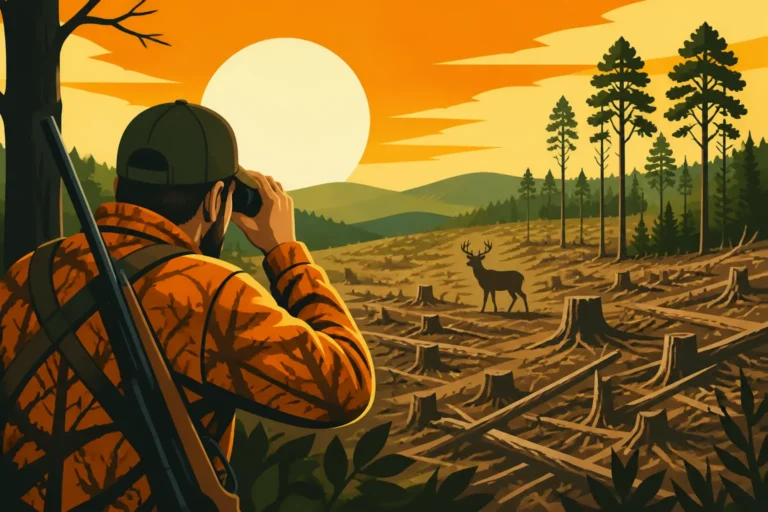
Hydration is paramount. Carry at least two liters of water, and consider bringing an electrolyte-rich drink mix to replenish what you lose through sweat. A portable water filter or purification tablets can also be a lifesaver if you're deep in the woods and run out of water. Safety, as always, comes first. A full-body safety harness is mandatory for any treestand hunter, no matter how short the hunt. Attach yourself to the tree before you leave the ground. While hunter orange isn't typically required during archery season, it's always smart to double-check current AGFC regulations, especially if hunting public land or near other active seasons. A small, well-stocked first-aid kit, a fully charged phone, and a GPS device (or a good mapping app like GoHunt on your phone) are also crucial for safety, especially when you are Hunting Arkansas Cutovers and Clearcuts or other areas with dense vegetation.
| Aspect of Hunt | Early Buck-Only Archery Hunt | General Archery Season | Modern Gun Season |
|---|---|---|---|
| Typical Dates | Early September (3 days) | Sept – Feb (5 months) | Nov/Dec (few weeks) |
| Harvest Limit | Buck-Only | Buck & Antlerless | Buck & Antlerless |
| Primary Challenge | Heat, insects, summer patterns | Rut, falling temps, pressure | High pressure, cold, visibility |
| Deer Behavior | Predictable summer patterns, less pressured | Rut activity, migration | Highly pressured, nocturnal |
| Key Tactics | Scouting food/water, silent approach, scent control | Calling, rattling, stand hunting travel corridors | Deer drives, still hunting, larger caliber firearms |
| Required Clothing | Lightweight, breathable, camo | Layered, warm, camo | Layered, warm, hunter orange |
| Pressure Level | Low to moderate | Moderate to high | Very High |
Navigating Public Land During the Early Hunt
Hunting public land in Arkansas during any season presents its own unique set of challenges, and the early buck-only archery hunt is no exception. While pressure is generally lower than during modern gun season, you can still expect to encounter other hunters, especially in easily accessible areas. Success on public land often comes down to doing your homework and being willing to put in the extra effort. Understanding Scouting Arkansas Public Land Before Season is not just helpful, it's almost mandatory.
One strategy is to target areas that require more effort to reach. The further you are willing to walk, wade, or paddle, the more likely you are to find undisturbed deer. This could mean deep into the Ouachita or Ozark National Forests, or even some of the larger Wildlife Management Areas (WMAs). Using your mapping apps to identify difficult-to-access pockets, or areas surrounded by natural barriers like swamps or steep terrain, can give you a significant advantage. Don't be afraid to explore areas that other hunters might overlook or deem too challenging.
Additionally, always be respectful of other hunters you encounter. A friendly wave and a quiet acknowledgement go a long way in fostering a positive hunting community. While you might not want to disclose your secret spot, being cordial helps ensure everyone has a safe and enjoyable experience. Always be aware of property lines, especially if hunting near private land. Apps like GoHunt are invaluable for clearly delineating public and private boundaries, preventing accidental trespassing, and helping you identify huntable pockets. Knowing the nuances of Hunting Ozark Ridges and Hollows for Deer will also serve you well in navigating these shared landscapes.
Disclaimer
Hunting is an inherently dangerous activity. This guide provides general information and recommendations. Always consult the most current regulations from the Arkansas Game and Fish Commission (AGFC) before engaging in any hunting activities. Personal responsibility, adherence to safety protocols, and ethical conduct are paramount. The author and publisher are not liable for any accidents, injuries, or legal infractions incurred while hunting.