Diver Hunting on Arkansas Lakes
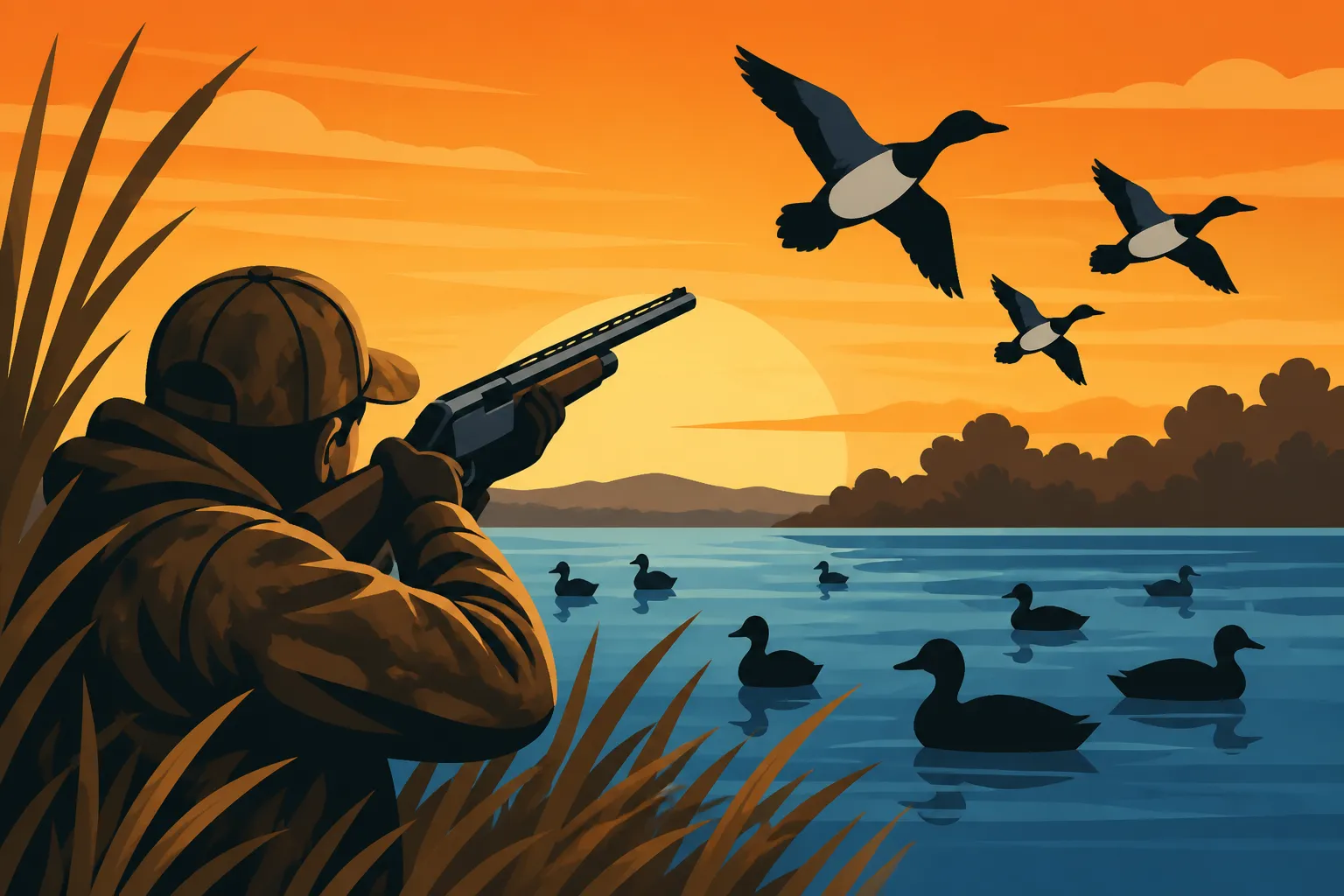
If you're like many hunters heading to Arkansas, your mind probably jumps straight to those iconic images of flooded timber and mallards cupped in the wind. But let me tell you, overlooking the vast potential for diver duck hunting on our big lakes is a real missed opportunity. Many folks don't even realize the incredible action they could be finding away from the green timber, struggling with crowds, when a whole different world of waterfowl awaits on the open water. This guide is all about opening your eyes to that world, teaching you how to effectively pursue diver ducks across Arkansas's expansive, beautiful lakes.
Understanding Arkansas's Diver Ducks and Their Habitat
Diver ducks are a different breed, literally and figuratively, from the puddle ducks most people associate with Arkansas. They thrive on large, open bodies of water, diving deep to feed on aquatic vegetation, mollusks, and small fish. Knowing which species you're targeting and where they prefer to hang out is the first step to successful diver hunting.
Key Diver Species in Arkansas Lakes
When you set your sights on Arkansas's big lakes, you're primarily looking for a few distinct species that regularly migrate through or winter here. Each has its own characteristics, but they all share a love for deeper water.
- Ring-necked Ducks: Often called "ringbills," these are probably the most common diver you'll encounter on many of our lakes. They're quick flyers and often feed in shallower fringes of large lakes or even bigger ponds, but they're true divers. You'll recognize them by their distinct black back, gray sides, and the often hard-to-see chestnut ring on their neck. They tend to raft up in good numbers, and if you find a group, you've likely found a repeatable spot. Their numbers can be quite robust, making them a consistent target.
- Lesser Scaup: Also known as "bluebills," these hardy ducks are a classic diver species. They tend to congregate in massive rafts on very large, deep lakes, often far from shore. You'll find them on sprawling waters like Greers Ferry Lake or Bull Shoals. Scaup are incredibly agile in the air and are known for their strong, direct flight. While their populations have fluctuated over the years, they remain a significant part of the diver bag in Arkansas when conditions are right. Understanding the broader picture of Arkansas Waterfowl on the Mississippi Flyway helps in predicting their movements.
- Canvasbacks: Ah, the "king of ducks" to many. Canvasbacks are prized for their speed, beauty, and table fare. They prefer expansive, open water and feed heavily on tubers and rhizomes of submerged aquatic vegetation, often found in cleaner, healthier lake environments. Seeing a flock of 'cans' barreling in is a sight to behold. They aren't as common as ringnecks or scaup, but when you find them, it's usually a memorable hunt.
- Redheads: These striking ducks, with the drakes' vibrant red heads, also frequent Arkansas lakes. They often feed by diving for submerged vegetation and sometimes dabble in shallower water. Redheads can be found alongside other divers and even some puddlers. They are strong flyers and offer a good challenge.
It's important to note that while these are the primary species, you might also occasionally encounter Buffleheads or Goldeneyes, particularly on colder, clearer waters.
Identifying Ideal Lake Habitat
Unlike green timber, where you're looking for specific water levels and acorn drops, diver habitat on lakes is all about open water, depth, and food sources.
- Main Lake Points and Submerged Structure: Divers often gravitate to long points that extend out into the main lake. These points can create current breaks or act as navigation funnels for ducks moving across the lake. Submerged humps, old roadbeds, or rock piles—anything that provides structure and a potential food source below the surface—are also prime real estate. These areas can concentrate mussels, snails, or aquatic vegetation that divers love. You'll often see them rafting up just off these structures during the day.
- Vast Open Water and Large Coves: Don't be afraid of big water! Divers are comfortable in the middle of a large lake. They'll often raft up in massive groups in large, open coves or even out in the main lake basin, using the expanse for safety and undisturbed resting. These areas can be challenging to hunt due to boat traffic and wind, but if you can access a quiet, undisturbed section, it can be incredibly productive.
- Areas with Submerged Aquatic Vegetation: While not as prevalent in all Arkansas lakes, areas with healthy beds of submerged aquatic vegetation are gold mines for many diver species, especially canvasbacks and redheads. These plants provide both food and cover. If you can scout and locate these underwater fields, you're halfway to finding the birds. Tools like GoHunt or the AGFC map tool can be invaluable for identifying potential depths and topographical features that might hold these vegetation beds. Knowing how to read an Ozark Bench for Deer is a different skill, but using similar mapping principles for submerged structures can pay off for divers.
- Major Rivers or Large Creek Mouths: Where large rivers or creeks flow into a lake, they can deposit sediment that creates shallower, nutrient-rich flats or delta areas. These spots can offer a mix of habitat that attracts both divers and puddlers, creating unique opportunities for mixed bags. The current from incoming water can also keep certain areas from freezing during cold snaps, providing open water when other parts of the lake are locked up.
When scouting, look for large rafts of ducks on the water, especially in the early mornings before hunting pressure moves them, or in the afternoons as they return to roost. Their tendency to stick together makes them visible even from a distance.
Essential Gear for Lake Diver Hunting
Diver hunting on large Arkansas lakes requires a bit of specialized gear compared to a typical timber or field hunt. You're dealing with different conditions, and being prepared is crucial for both success and safety.
Decoy Spreads and Types
Forget your dozen mallard decoys; diver hunting demands a different approach when it comes to your spread.
- Quantity is Key: Divers are gregarious, meaning they like company. A small spread might attract a curious duck or two, but to really pull in a big flight, you often need numbers. Think 3 to 6 dozen decoys, minimum, and sometimes even more. Large groups signal safety and a good feeding area to passing birds.
- Species-Specific Decoys: While some hunters use all black-and-white diver decoys, having species-specific decoys for ringnecks, scaup, canvasbacks, and redheads can be more effective. Ringnecks and scaup are generally similar in profile, but redheads and canvasbacks have very distinct shapes that can be important for enticing wary birds. Mix in some confidence decoys, like coots or even a few puddlers, to make the spread look more natural and inviting, especially if you're hunting in a transition zone where both types of ducks might be present.
- Rigging for Deep Water: Traditional Texas rigs are fantastic for deep water. They allow for quick deployment and retrieval, and the heavy weight keeps them in place even in current or waves. Long lines are another popular option for diver hunting. These consist of a main line with multiple decoys attached at intervals. They are perfect for creating large, natural-looking strings of ducks, mimicking how divers often raft up. Make sure your lines are sturdy and your weights are heavy enough to keep everything in place when the wind picks up.
- Motion Decoys: Spinner wings, like Mojo decoys, aren't as universally loved by divers as they are by mallards, but they can still be effective, especially on calm days to add some life to your spread. However, on choppy water, their movement can be less noticeable. Jerk cords, which allow you to manually create ripples and movement, can be a great addition to mimic active feeding or preening ducks.
Boats, Blinds, and Safety Equipment
Hunting big water means prioritizing safety and having the right vessel for the job.
- The Right Boat: A stable, seaworthy boat is non-negotiable. A V-hull aluminum boat (often 16-18 feet or longer) with a reliable outboard motor is ideal. Larger, wider jon boats can also work, but always consider the lake's conditions. You need a boat capable of handling waves, especially if you're heading out on a windy day. Kayaks or small canoes are absolutely not suitable for open-water diver hunting due to safety risks.
- Essential Safety Gear: This is paramount. Always, always wear a PFD (Personal Flotation Device), and make sure all passengers have one. Keep a throw cushion or ring easily accessible. Other crucial safety items include navigation lights (required before sunrise and after sunset), an anchor with plenty of rope, an extra paddle or oar, a first-aid kit, a fully charged cell phone (in a waterproof case), a air horn or whistle, and a fire extinguisher. Before hitting the water, it's a good idea to refresh your knowledge on Arkansas Hunter Education and Safety Rules, especially the boating sections. Lake conditions can change rapidly, and being prepared could save lives.
- Blinds for Open Water: Blinds for diver hunting are different from the fixed structures you might use in a timber hole. You'll often be hunting from portable blinds on the shoreline of a point or island, or a layout boat in open water. Shoreline blinds should be well-camouflaged with natural vegetation. If using a layout boat, ensure it's stable and blends seamlessly with the water, often covered with a simple mesh or grass mat. Some hunters even build temporary "tank" blinds out of cattle panels and camo netting, covered with local vegetation, especially if they have a consistent spot.
Shotguns, Ammunition, and Other Necessities
Your choice of firearm and shells needs to match the birds and the environment.
- Shotgun Choice: A 12-gauge shotgun is the standard for waterfowl, and for divers, it's often preferred. The ability to shoot 3-inch or even 3.5-inch shells provides extra payload and range, which can be beneficial for those longer shots over open water. Semi-automatics and pump-actions are both popular choices, valued for their reliability in wet conditions and quick follow-up shots.
- Ammunition Considerations: For diver ducks, you'll want to stick with non-toxic shot, as required by law for waterfowl. Steel shot in sizes BB, 1, or 2 are excellent choices for divers. BBs and 1s offer good pellet count and energy for larger divers like canvasbacks, while 2s are typically effective for ringnecks and scaup. Pay close attention to shot velocity – higher velocities often perform better in open water scenarios. Remember, Nontoxic Shot Rules in Arkansas apply to all waterfowl hunting.
- Beyond the Basics: Don't forget the creature comforts and practical items. Warm, waterproof clothing is essential, layered for changing temperatures. Waders are a must for setting decoys and retrieving birds, even if you're primarily hunting from a boat or shoreline. Binoculars are incredibly useful for scouting distant rafts of ducks and identifying species. A thermos with hot coffee or soup on a cold morning can make a huge difference, as can plenty of snacks and water. A waterproof bag for electronics and extra layers is also a smart addition.
Strategic Approaches to Diver Hunting on Arkansas Lakes
Successfully hunting diver ducks on Arkansas's lakes isn't just about showing up with gear; it's about understanding their behavior, the environment, and employing smart tactics.
Scouting and Location Selection
This is where the rubber meets the road. Pre-season and in-season scouting are paramount. You can't just guess where the divers will be.
- Pre-Season Reconnaissance: Before the season even opens, spend time driving around accessible parts of lakes like Beaver Lake, Greers Ferry Lake, or Lake Ouachita. Use spotting scopes and binoculars to look for large rafts of birds. Pay attention to consistent flyways—the routes ducks take as they move from resting to feeding areas. Look for prominent points, large coves, or areas where you see activity. This early scouting is critical for understanding general patterns.
- Utilizing Mapping Tools: Modern mapping tools are game-changers for lake hunting. Platforms like GoHunt, or the official AGFC map tool, allow you to study contour lines, identify submerged structures, and pinpoint potential points or humps. You can mark promising locations, measure distances, and even identify access points. This digital reconnaissance, combined with on-the-ground scouting, forms a powerful strategy. It's similar to how you'd Scout Arkansas Public Land Before Season for deer, just adapted for water.
- Wind and Weather are Your Guides: Diver ducks are heavily influenced by wind. They typically take off and land into the wind, and strong winds can push them into more sheltered coves or behind large landmasses. Always check the wind direction and speed before a hunt. This will dictate where you set your decoys and position your blind for optimal shots. Calm, bluebird days can be tough for divers, as they often raft far out and aren't moving much. Overcast, windy days, however, can be fantastic. Pay attention to frontal movements as well; ducks often move just ahead of or behind a cold front.
Decoy Spreading Techniques for Divers
Your decoy spread for divers needs to be big, visible, and designed to land birds in a specific "kill hole."
- The "J" Hook or "U" Shape: These are classic diver spreads. The idea is to create a large, inviting opening for the ducks to land in, typically directly in front of your blind. The long arm of the "J" or one side of the "U" should extend downwind, guiding birds into the landing zone. Place your decoys more openly than you would for puddlers; divers often space themselves out on the water.
- The Large Blob: Sometimes, especially in extremely open water, a large, dense "blob" or "raft" of decoys can be effective. This mimics a large group of resting birds and can draw attention from a great distance. You'll still want to ensure there's a clear, open pocket in front of your blind where birds can commit to landing.
- Positioning the Kill Hole: Regardless of the shape, the most critical element is the kill hole. This is the open water area where you want the ducks to land. It needs to be positioned directly downwind from your blind, allowing birds to approach into the wind and present an easy shot as they cup their wings to land. Avoid setting your kill hole upwind, as ducks will land beyond your spread, making for longer, tougher shots.
- Line of Sight and Visibility: Divers fly fast and often high. Your spread needs to be visible from a distance. If you're on a long point, ensure your decoys are spread far enough out that they can be seen by passing birds. The movement created by waves on your decoys will also enhance visibility, which is why choppy conditions can sometimes be an advantage.
Calling Strategies
Diver calling is a different beast from mallard calling. While not as complex or as reliant on aggressive calling, subtle sounds can definitely help.
- Subtlety Over Aggression: Forget the loud, insistent greeting calls you might use for mallards. Divers respond better to confidence calls. They aren't looking for a party; they're looking for safety and a good spot to rest or feed.
- Species-Specific Sounds:
- Redheads: A soft, rolling purr or trill call can be effective. It mimics their contented chatter on the water.
- Canvasbacks: Similar to redheads, a low, guttural croak or purr.
- Scaup/Ringnecks: A soft "brrrr" sound, almost like a purr mixed with a low growl.
- Timing is Everything: Use these calls sparingly and realistically. When you see birds flying by at a distance, a few soft calls might pique their interest. As they approach, don't overcall. Let your spread do the work, and use soft calls only to reassure them or turn them into the spread. Overcalling will likely flare them, as it sounds unnatural. It’s a far cry from the aggressive hailing and feeding chuckles you’d use when Calling Ducks in Tight Arkansas Timber.
Table 1: Common Diver Ducks on Arkansas Lakes
| Species | Primary ID Features (Drake) | Typical Habitat Preference | Calling Notes | Common Foraging Method |
|---|---|---|---|---|
| Ring-necked Duck | Black back, gray sides, distinct bill ring | Fringes of large lakes, big ponds, clear water | Soft "brrrr" or low purr | Diving |
| Lesser Scaup | Black head/chest, gray back, white sides | Large, deep open lakes, massive rafts | Soft "brrrr" or faint growl | Diving |
| Canvasback | Red head, white body, sloping bill | Expansive open water, healthy submerged vegetation | Low croak or soft purr | Diving |
| Redhead | Red head, gray body, blue bill with white ring | Open water, often near submerged vegetation or shallower areas | Soft, rolling purr or trill | Diving |
Navigating Challenges and Maximizing Success
Diver hunting on Arkansas lakes, while rewarding, comes with its own set of challenges. Being aware of these and having strategies to overcome them will greatly improve your experience and success.
Dealing with Wind and Waves
Mother Nature can be your best friend or your worst enemy when hunting big water. Strong winds and the resulting waves are perhaps the biggest hurdle.
- Safety First, Always: Before you even launch your boat, assess the weather forecast. High winds (15-20 mph or more) can create dangerous whitecaps on large lakes, making travel hazardous and hunting uncomfortable. If conditions are too rough, it's always best to err on the side of caution and postpone the hunt. No duck is worth risking your life.
- Strategic Anchoring and Boat Positioning: If you're hunting from a boat, you'll need multiple, heavy anchors to keep your vessel securely in place, especially if you're out in open water. Two anchors, one off the bow and one off the stern, create a more stable platform. Position your boat so it's as stable as possible, often broadside to the waves if necessary to reduce rocking, while still allowing for shooting lanes into your kill hole. If hunting from a shoreline blind, use the wind to your advantage, but be mindful of spray and exposure.
- Wind Direction and Decoy Stability: Wind is crucial for decoys too. It helps them move naturally, but too much wind can tangle lines or even flip lighter decoys. Ensure your decoy rigs are robust. The wind will also influence how ducks approach, so set your spread to funnel birds into your shooting zone as they fly into the wind.
Public Access and Pressure
While the major river bottoms and WMAs like Bayou Meto WMA get a ton of attention, Arkansas's big lakes offer extensive public access that often sees less duck hunting pressure, though fishing pressure can be high at other times of the year.
- Identifying Public Access Points: Most large Corps of Engineers lakes in Arkansas have numerous boat ramps and public access points. Use maps and online resources to identify these, as well as any specific regulations for hunting on Corps land or around the lakes. You might find areas designated for hunting or those that are less frequented by other recreational users during duck season. Resources like GoHunt can help you locate property boundaries and access routes on large bodies of water, allowing you to avoid private land issues and find those less-pressured corners. You'll often find more Public Hunting Land in Arkansas than you initially thought, especially if you consider all the different types of public ground.
- Finding Less-Pressured Spots: The key to consistent success on public lakes is often finding areas that other hunters overlook or are simply too much trouble to reach. This might mean scouting a remote cove, hiking a bit further to a point, or using a boat to access areas far from easy ramp access. While these lakes don't typically see the same kind of Hunting Pressure on Arkansas WMAs known in the Delta, popular points or easily accessible areas can still get hit hard, especially on opening weekends or during peak migration.
- Respecting Other Users: Remember, Arkansas lakes are used by many people – fishermen, hikers, birdwatchers. Always be courteous and respectful of other users. Give fishermen a wide berth, and don't set up directly in front of someone's lake house. A little common courtesy goes a long way in ensuring continued access and positive experiences for everyone.
Retrieval Challenges on Open Water
Retrieving downed birds on open water, especially with waves or current, can be surprisingly difficult and frustrating.
- Marking the Fall: When a duck falls, keep your eyes on it until you retrieve it. In choppy water, a downed bird can quickly disappear from sight, especially if it's only wounded and diving. Pick a landmark on the distant shore or use your boat's GPS to mark the approximate location.
- Reliable Retriever or Fast Boat: A well-trained retrieving dog is an invaluable asset for diver hunting. Their ability to swim out, find, and bring back birds saves immense time and effort, and reduces the risk of losing crippled birds. If you don't have a dog, a fast, maneuverable boat is essential. Be prepared to quickly get to a downed bird, especially if it's still alive and trying to dive.
- Safety During Retrieval: Always be mindful of your boat's stability and safety while retrieving. Don't lean too far out or make sudden movements that could capsize a smaller vessel. Have someone else operate the boat or keep an eye on your location if you're focused on the retrieval. In extremely cold water, prioritize getting the bird quickly and safely without putting yourself at risk of falling in. Remember that during peak times, Arkansas Duck Season Dates can see a lot of activity, so safety remains critical. Also, always be aware of the Arkansas Duck Daily Bag Limit to ensure you're hunting legally and ethically.
By understanding the unique behaviors of diver ducks, equipping yourself with the right gear, and adopting intelligent hunting strategies, you can unlock a whole new, exciting dimension to waterfowl hunting here in Arkansas.
Disclaimer
Hunting is an inherently dangerous activity. This guide provides general information and recommendations. Always prioritize safety, follow all applicable state and federal hunting regulations, and be aware of current conditions and personal limitations. The Arkansas Game and Fish Commission (AGFC) is the ultimate authority for all hunting rules and regulations in Arkansas. Always consult their official publications before heading into the field.