Deer Drives in Arkansas Bottomland
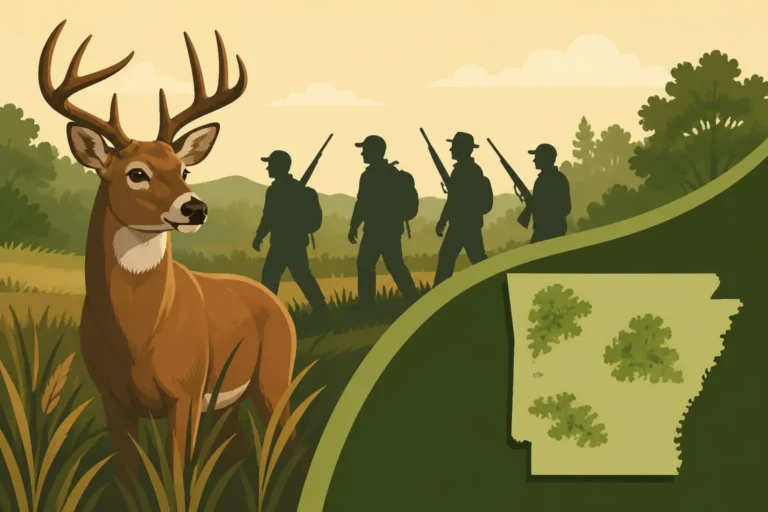
Chasing whitetails in the vast, dense bottomlands of Arkansas can be incredibly frustrating. One minute you're seeing sign everywhere, the next the deer vanish into the impenetrable thickets, seemingly melting into the landscape. This feeling of being outsmarted by a ghost is a common experience for many hunters. That's where a well-executed deer drive can make all the difference, transforming seemingly impossible cover into productive hunting ground, and this guide will walk you through how to tackle them effectively and safely.
Understanding Arkansas Bottomland Deer Behavior
Arkansas's bottomlands, particularly in the Delta region, are unique ecosystems that heavily influence deer movement and behavior. These areas are characterized by dense hardwood forests, often crisscrossed with sloughs, bayous, and areas that flood seasonally. Understanding how deer use this terrain is the first step in planning a successful drive.
Why Deer Prefer Bottomland Cover
Deer in bottomlands gravitate towards thick cover for several crucial reasons: safety, food, and thermal regulation. The dense undergrowth, briar patches, and fallen timber provide incredible concealment from predators and hunters alike. When pressure mounts, whether from hunting or other disturbances, deer will seek out the thickest, nastiest tangles they can find. These areas also often hold abundant food sources, from acorns dropping from mature oaks to browse in younger growth or even agricultural fields on the periphery. During colder months, the thick canopy and dense brush offer a buffer against harsh winds and freezing temperatures. Conversely, during the intense heat of Bowhunting Arkansas in September Heat, those same shaded, low-lying areas provide crucial cooling.
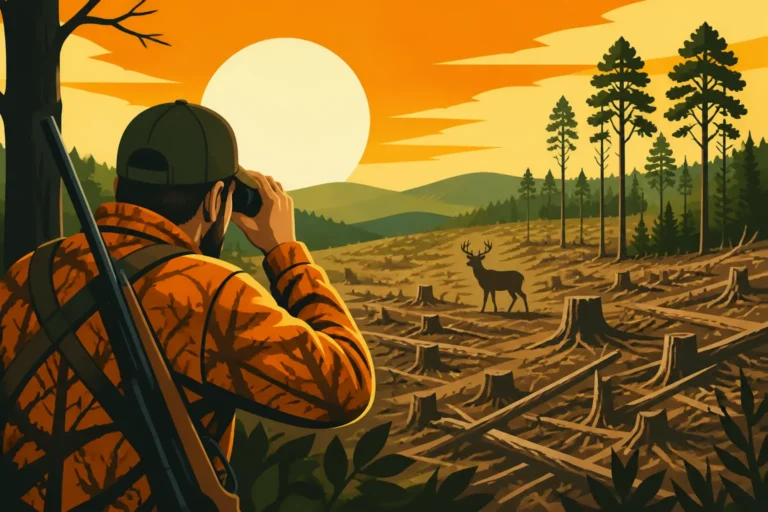
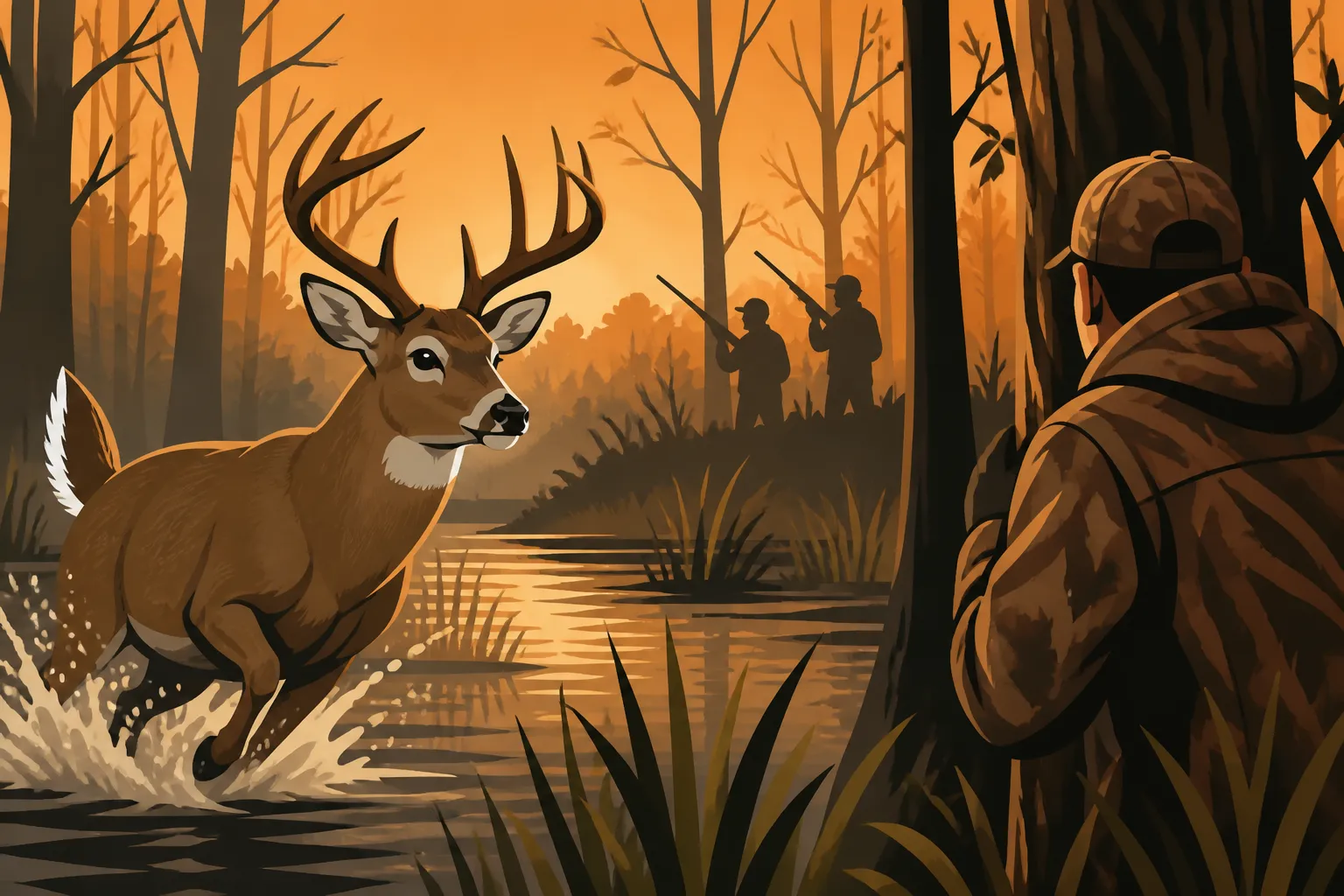
Imagine a large block of bottomland timber, perhaps alongside a major river like the Arkansas or White. Within this block, you'll find areas of older, more open woods, but you'll also encounter impenetrable cane thickets, swampy depressions, and logged-over clearcuts now choked with briars and saplings. It's in these tangled messes that deer, especially mature bucks, spend their daylight hours holed up. They know these places offer maximum security. You might find a buck bedded down right in the middle of a dense honeysuckle patch that's only 20 yards wide, yet feels like a mile to push through. Understanding Where Delta Bucks Bed in Standing Water is critical here, as these watery hideouts often become the last refuge for deer when pressured.
How Pressure Affects Deer Movement
Deer drives are inherently about creating pressure, and understanding how deer react to that pressure is key. In heavily hunted bottomland areas, deer become incredibly wary. They learn quickly to anticipate human movement, sounds, and scent. A poorly executed drive can push deer out of an area entirely, making them impossible to intercept. Deer might sneak out the back, circle around drivers, or simply hunker down and let the disturbance pass over them.
The goal of a bottomland deer drive isn't always to send deer running frantically. Often, a slow, deliberate push can simply nudge deer to move along natural escape routes, where standers are waiting. If you're on public land, especially a popular WMA, deer are conditioned to the sound of ATVs, distant gunshots, and human voices. This means they might start moving long before you even get close. You need to account for this education by thinking about where those deer are likely to head based on the prevailing wind, the thickest cover, and the easiest escape corridors. A thorough Scouting Arkansas Public Land Before Season will reveal these escape routes and bedding areas that deer favor when pressured. Knowing these nuances can make the difference between seeing nothing but squirrels and getting a shot at a wary whitetail.
Planning Your Arkansas Bottomland Deer Drive
Executing a successful deer drive isn't just about showing up and yelling. It requires meticulous planning, a good understanding of the terrain, and clear communication among your hunting party. This is especially true in the complex environment of Arkansas's bottomlands.
Analyzing the Terrain and Identifying Escape Routes
Before you even step foot in the woods with your hunting gear, you need to pore over maps. Satellite imagery, topographical maps, and tools like GoHunt can be invaluable for studying bottomland areas. Look for natural funnels, thickets, sloughs, and high ground that deer are likely to use as travel corridors or escape routes. Identify potential bedding areas—often the densest, nastiest cover available. These are the spots you'll want your drivers to push through.
Crucially, you need to predict where deer will want to go when pushed. Are there open fields on one side they'll try to avoid? Is there a large, deep slough that might bottleneck them? Does a particular ridge or levee offer a natural escape path? Map out these escape routes and strategic stand locations where deer are likely to cross. Consider the wind direction on the day of the hunt; deer will almost always try to use the wind to their advantage, either circling downwind of drivers or traveling with the wind in their face to detect danger ahead. Understanding these subtleties is how you start to craft a successful drive plan. Don't forget to study Reading Aerial Photos for Delta Deer to pinpoint those hidden pockets of cover and subtle elevation changes.
Assigning Roles and Positioning Standers
A deer drive typically involves two main roles: drivers and standers. The number of people you have available will dictate the size and complexity of your drive. For a larger bottomland block, you'll need more people.
- Drivers: Their job is to slowly and deliberately push through the predetermined thickets and cover. They should walk parallel, maintaining visual or auditory contact, ensuring no deer slip back between them. Drivers should move at a steady, slow pace, creating consistent pressure. Their pace should allow standers enough time to get into position and be ready.
- Standers: These are the shooters, positioned along known escape routes and funnels. Standers must be in their spots, quiet and ready, before the drivers begin their push. They need to understand where the drivers are coming from and where other standers are located to ensure safe shooting lanes. The standers' positions are paramount; they need to be where deer are forced to cross, offering a clean, ethical shot. When doing Two-Person Drives on Small Tracts, you might have one driver and one stander, making precise positioning even more critical.
Communication is absolutely vital. Consider using two-way radios (walkie-talkies) for your group, especially in dense bottomland where voices don't carry well. Everyone needs to know the plan, who is where, and what the safety rules are. Before the hunt, have a clear discussion about safety zones, shooting lanes, and what to do if a deer breaks unexpectedly. It's not enough to simply say "go." Every member of the party must understand their role and the overall objective.
Creating a Clear Communication and Safety Plan
Safety should always be the absolute top priority during any deer drive. In dense bottomland, visibility can be severely limited, increasing the risk of accidents.
- Hunter Orange: Every participant, both drivers and standers, must wear ample hunter orange. This isn't just a legal requirement during Arkansas Modern Gun Deer Hunting season; it's a critical safety measure.
- Pre-Hunt Briefing: Before the hunt, gather everyone for a thorough briefing. Review the map, point out specific driver routes, stander positions, and safety zones. Emphasize never shooting at sound or movement, only at clearly identified game with a safe backdrop.
- Radio Communication: As mentioned, radios are invaluable. Establish clear call signs or names. Use them to confirm positions, report deer movement, and signal the start and end of the drive. For example, drivers can call out "Driver 1 moving," "Driver 2 here," to maintain spacing. Standers can report "Deer crossing 100 yards left of my position."
- Established Shooting Lanes: Standers should identify their shooting lanes before the drive begins. Be aware of where other standers and drivers will be. Never swing on game if it means pointing your muzzle toward another hunter.
- Boundary Awareness: Everyone needs to be aware of property lines, especially if you're driving near public/private boundaries. Utilize mapping apps from companies like GoHunt to clearly mark these lines and ensure your drive stays within legal and permissible limits. Knowing Arkansas Deer Zones Explained is also important, as regulations and bag limits can differ slightly.
Here's a simple table to illustrate typical roles in a deer drive:
| Role | Primary Objective | Key Responsibilities | Safety Considerations |
|---|---|---|---|
| Driver | Push deer out of thick cover towards standers | Walk slowly, maintain spacing, make noise (as needed), observe deer movement | Wear hunter orange, know stander positions, avoid pushing deer towards unsafe areas |
| Stander | Intercept deer moving out of the drive area | Be silent and still, be in position before drive starts, identify clear shooting lanes | Wear hunter orange, know driver & other stander positions, no shooting at sound/movement |
Executing the Drive Safely and Effectively
Once the planning is done, it's time to put boots on the ground. The execution phase is where preparation meets reality, and adapting to real-time conditions is crucial.
Setting Up Standers Quietly
The standers are the first to move. They must get to their designated positions silently and efficiently. In bottomland, this often means navigating through dense brush, wet ground, and potentially across water. Every rustle, every splash, every crunch of leaves underfoot can alert deer to your presence. These animals are incredibly attuned to their environment.
Standers should arrive at their spots well before the drivers begin. This allows them time to settle in, get comfortable, and most importantly, scan their surroundings and identify safe shooting lanes. If you're hunting from a portable treestand, ensure it's securely set up and you have a clear line of sight. If on the ground, find a natural hide that offers concealment and a stable shooting rest, like a fallen log or the base of a large tree. The goal is to be invisible and motionless when the drive starts, providing no visual or auditory cues that might warn an approaching deer. Consider what you'd do when Hanging a Stand in Bottomland Hardwoods to ensure you're concealed and have clear lanes.
The Driver's Approach and Pace
The drivers' role is to apply consistent, controlled pressure. A common mistake is for drivers to rush or make too much noise initially, sending deer scattering in unpredictable directions or causing them to sneak back through the line. The best approach is a slow, methodical walk.
Drivers should maintain visual or auditory contact with each other, ensuring they cover the entire width of the chosen drive block. The pace should be slow enough to thoroughly push through dense cover, checking every thicket and briar patch. Deer will often try to slip out the back or circle around drivers. A slow, systematic push minimizes these opportunities. The amount of noise drivers make can vary depending on the cover and the desired outcome. Sometimes, a "silent drive" with minimal noise is effective, letting deer move naturally. Other times, in extremely dense cover, a steady cadence of "heys" or stick-hitting can be necessary to encourage movement. The key is consistency in the pressure applied. As drivers move, they should also be on the lookout for fresh tracks or visual sightings of deer and relay that information to the standers via radio.
Interpreting Deer Movement During the Drive
Once the drive begins, deer might react in a variety of ways. Standers need to be prepared for anything, and drivers should communicate any observations.
- Sneaking: Deer, especially mature bucks, are masters of stealth. They might try to sneak out of the drive area well before the drivers get close, often using thick cover or slight depressions in the terrain. They might even try to circle back around the drivers.
- Bolting: When directly confronted or feeling truly trapped, deer will often bolt, crashing through the brush. This is what many expect from a drive, and standers need to be ready for fast-moving targets.
- Hunkering Down: In extremely dense cover, a deer might simply hunker down and let the drivers pass over them. This is why a slow, thorough push by drivers is essential, as it reduces the chances of a deer being "skipped."
- Using Natural Funnels: Most commonly, deer will follow established trails, game paths, or natural funnels like the edge of a slough or a slight rise in elevation to escape. These are the routes that standers should be covering.
Standers need to remain vigilant, scanning their assigned area constantly. When a deer appears, quickly identify if it's a legal animal (if antler restrictions are in place) and ensure a safe shot. Patience is critical; don't rush the shot, but be ready to act decisively. Once a deer is down, communicate its location to the rest of the group. If the drive is still in progress, you might need to wait for it to conclude before retrieving your animal.
Essential Gear and Communications for Bottomland Drives
Hunting bottomlands, especially doing deer drives, demands specific gear to handle the dense cover, varied terrain, and potential for wet conditions. Being prepared with the right equipment can make your hunt safer and more successful.
Appropriate Clothing and Footwear
Forget your lightweight upland gear; bottomland hunting requires durable, protective clothing. Think tough briar pants or chaps to protect your legs from thorns, multiflora rose, and other nasty vegetation. A good, waterproof, breathable jacket is essential, as dew, fog, or a sudden shower can leave you soaked. Layers are key, allowing you to adapt to changing temperatures as you move or stand still. Hunter orange on your outer layers is, of course, mandatory.
Footwear is perhaps the most critical item. In Arkansas bottomlands, you're almost guaranteed to encounter mud, standing water, and boggy ground. Waterproof boots, preferably knee-high rubber boots, are an absolute must. Brands like LaCrosse or Muck Boots are popular choices among Arkansas hunters for their comfort and waterproofing. Ensure they are comfortable enough for walking long distances as a driver or standing still for extended periods as a stander. There's nothing worse than cold, wet feet to ruin a hunt, or even worse, cause hypothermia on a cold day.
Mapping Tools and Navigation Aids
Navigating dense bottomland can be disorienting, even for experienced hunters. Trees look alike, and landmarks can be sparse. Reliable mapping tools are indispensable.
- GPS Devices/Smartphones: A handheld GPS unit or a smartphone with a robust mapping app (like GoHunt or onX Hunt) is essential. These tools allow you to pinpoint your exact location, track your movement, mark key waypoints (like stand locations, game sightings, or parking spots), and see property boundaries. Many of these apps also offer satellite imagery and topographic maps that are invaluable for planning your drives.
- Offline Maps: Crucially, ensure your mapping app has offline capabilities. Cell service is often spotty or nonexistent in remote bottomland areas. Download all relevant maps for your hunting area before you leave home.
- Compass and Paper Map: Always carry a traditional compass and a waterproof paper map as a backup. Batteries die, screens break, and technology can fail. Knowing how to read a map and use a compass is a fundamental skill that every hunter should possess, especially when Using the AGFC Map Tool to plan routes in unfamiliar areas.
Reliable Communication Devices
Effective communication is the backbone of a safe and successful deer drive. As mentioned earlier, visibility is often limited, making verbal communication difficult over distances.
- Two-Way Radios: Invest in a set of durable, waterproof two-way radios (walkie-talkies) for your hunting party. These allow drivers and standers to stay in constant contact, relaying crucial information about deer movement, confirming positions, and coordinating the start and end of the drive. Choose models with decent range, especially important in heavily timbered areas that can impede signals.
- Hand Signals: While radios are great, also establish a few basic hand signals for when you are within visual range but need to remain quiet. Things like "stop," "slow down," or "deer moving" can be conveyed silently.
- Whistles: A loud whistle can be an effective way to signal an emergency or the end of a drive if radios fail. Make sure everyone understands the agreed-upon signals (e.g., three short blasts for an emergency, one long blast to end the drive).
Legal Considerations and Ethical Practices
Hunting deer, especially with a group using methods like deer drives, comes with a specific set of legal regulations and ethical responsibilities in Arkansas. It's not just about getting a deer; it's about doing it legally, safely, and respectfully.
Adhering to Arkansas Game and Fish Regulations
The Arkansas Game and Fish Commission (AGFC) sets clear rules for deer hunting. Before embarking on any deer drive, every member of your party must be thoroughly familiar with these regulations.
- License and Tags: Ensure all hunters possess valid Arkansas hunting licenses and deer tags. Each harvested deer must be immediately tagged and reported according to AGFC guidelines. Understanding Arkansas Hunting Licenses and What They Cost is foundational for any hunter in the state.
- Season Dates and Bag Limits: Verify the specific deer season dates and bag limits for the particular zone you are hunting. Arkansas Deer Seasons and Zone Limits can vary across the state. Pay close attention to any antler restrictions, such as the three-point rule, which is enforced in certain zones to help manage the deer herd.
- Legal Means of Take: Confirm that the firearms or archery equipment being used are legal for deer hunting during the current season. While deer drives are often associated with modern firearms, they can also be effective during archery or muzzleloader seasons with proper planning. If using dogs, ensure you understand Running Deer Dogs in Arkansas, as specific regulations and permits apply.
- Hunter Orange Requirements: As previously mentioned, wearing hunter orange is mandatory during modern gun season and highly recommended at all times for visibility and safety.
Failure to comply with these regulations can result in fines, license revocation, and the loss of hunting privileges. It's every hunter's responsibility to know and follow the law.
Ethical Hunting Practices During a Drive
Beyond the legal requirements, ethical hunting demands that we prioritize fair chase, shot placement, and humane retrieval. Deer drives, when done improperly, can sometimes be viewed as unethical, but a well-managed drive is a legitimate and effective hunting method.
- Fair Chase: The goal is to move deer, not harass them. Drivers should apply steady pressure, not chase animals relentlessly. Standers should only take shots at clearly identified, legal deer that are offering a reasonable shot opportunity. Avoid shots at running deer through thick brush, which often leads to wounded animals and difficult recoveries.
- Shot Placement: Ethical hunters strive for a clean, humane kill. Standers must be patient and wait for a broadside or quartering-away shot that targets the vital organs. Rushing a shot or taking a low-percentage shot is unethical and often leads to a wounded animal.
- Game Recovery: Every effort must be made to recover a wounded animal. If a deer is hit, the drive should immediately halt, and the entire party should assist in Blood Trailing After Dark in Arkansas, if necessary. Wounding an animal and not making a diligent effort to recover it is a serious ethical violation. Even if the shot seemed poor, always follow up.
- Respect for the Resource: Deer drives are physically demanding and require teamwork. Respect the effort of everyone involved and the animal you are pursuing. Proper field dressing, as detailed in Field Dressing in Arkansas Heat, and meat care are essential steps in respecting the harvested animal.
Private Land Permissions and Public Land Rules
Whether hunting private or public land, understanding and respecting land access rules is paramount.
- Private Land: If hunting on private property, always secure clear, written permission from the landowner before the hunt. Know the exact boundaries of the property you are permitted to hunt. Trespassing, even accidentally, can lead to serious legal consequences and damage the reputation of hunters.
- Public Land (WMAs, National Forests): If hunting on public land, such as an Arkansas Wildlife Management Area (WMA) or within the Ouachita or Ozark National Forests, familiarize yourself with specific WMA rules. Some WMAs have special regulations regarding vehicle use, camping, or even hunting methods. Always check the AGFC WMA guide for the specific area you plan to hunt. Using mapping tools like GoHunt that show public land boundaries is critical to stay on designated hunting ground. Be aware of Arkansas WMA Rules and Permits, as some require special permits or have unique seasons.
Common Challenges and Troubleshooting in Bottomland Drives
Bottomland deer drives, while effective, come with their own unique set of challenges. Anticipating these issues and having strategies to overcome them can save your hunt from frustration and ensure everyone's safety.
Dealing with Dense Cover and Poor Visibility
The very thing that makes bottomlands great for deer also makes them incredibly challenging for hunters: the dense cover. Thick stands of cane, briar patches, honeysuckle, and downed timber severely limit visibility for both drivers and standers.
- Driver Strategy: Drivers should move slower and closer together in extremely dense cover. This reduces the chance of deer sneaking back through the line. Instead of just walking in a straight line, drivers might need to zig-zag slightly, actively probing thickets. Louder, more consistent noise from drivers can also be more effective in these areas to get deer moving. Using sticks to hit trees or rustle brush can help.
- Stander Strategy: Standers need to choose their locations even more carefully in dense cover, prioritizing clear, short shooting lanes over long-range visibility. It's often better to have a 30-yard clear shot than a 100-yard glimpse through heavy brush. Focus on natural openings, trail crossings, or the edges of slightly less dense areas where deer are likely to hesitate or slow down. Be extra vigilant for subtle movements and sounds, as deer can materialize out of nowhere.
- Communication: Radios become even more critical here. Drivers can communicate obstacles ("deep water ahead," "impenetrable briar patch right") or deer sightings ("deer just slipped across in front of me, heading towards stander 3").
Navigating Wet and Flooded Conditions
Arkansas bottomlands are synonymous with water. Sloughs, swamps, and seasonally flooded timber are common, presenting significant challenges for mobility and scent control.
- Appropriate Footwear and Clothing: As discussed, knee-high rubber boots are non-negotiable. Waders might even be necessary in some areas if you anticipate deeper water. Dress in layers, as wading through cold water can chill you quickly once you stop moving.
- Route Planning: When scouting, identify potential water crossings or areas of deep water that might impede drivers or create unexpected bottlenecks for deer. Use mapping apps like GoHunt to visualize these features. Plan routes that minimize unnecessary wading, or prepare for it. Sometimes, deer use water as a refuge, and knowing Where Delta Bucks Bed in Standing Water can help you predict their escape.
- Scent Control: Water can sometimes help carry your scent, but it can also mask it. Be mindful of your scent trail, especially when crossing areas deer might use. Consider using scent eliminators.
- Dealing with Deep Water: Never attempt to wade through water if you don't know the depth or if it's too swift. Bottomlands can have hidden holes or underwater obstacles. If a section of water is too deep or dangerous, drivers might need to adjust their line or standers might need to reposition. This requires quick communication and adaptability. Check Entry Routes Through Flooded Timber for tips on navigating these tricky areas.
Managing Hunter Numbers and Group Dynamics
The size of your hunting party and how well everyone works together directly impacts the success and safety of a deer drive.
- Too Few Hunters: With too few hunters, especially in a large block of bottomland, drivers can't adequately cover the ground, allowing deer to slip through the gaps or circle back. You might also not have enough standers to cover all the escape routes.
- Too Many Hunters: Conversely, too many hunters can create a chaotic situation, with potential safety hazards, overlapping shooting lanes, and excessive noise.
- Optimizing Group Size: For typical bottomland drives, a group of 4-8 hunters often strikes a good balance, allowing for 2-4 drivers and 2-4 standers to cover a reasonable-sized block of timber. For larger areas or Deer Drives in Arkansas Bottomland, you might need more.
- Clear Leadership and Roles: One person should be designated as the hunt leader, responsible for the overall plan, briefing, and communication. Every hunter needs to understand their specific role and stick to it. Resentment or arguments can quickly derail a hunt and create unsafe conditions. Practice and clear communication before the season can help cement these group dynamics, making your hunts more productive and enjoyable.
Disclaimer
Hunting is an inherently dangerous activity. This guide provides information for educational purposes only and should not be considered a substitute for formal hunter education, professional guidance, or strict adherence to all local, state, and federal hunting laws and regulations. Always prioritize safety, respect wildlife, and obtain all necessary licenses and permits. The author and publisher are not responsible for any accidents, injuries, or legal infractions that may occur.