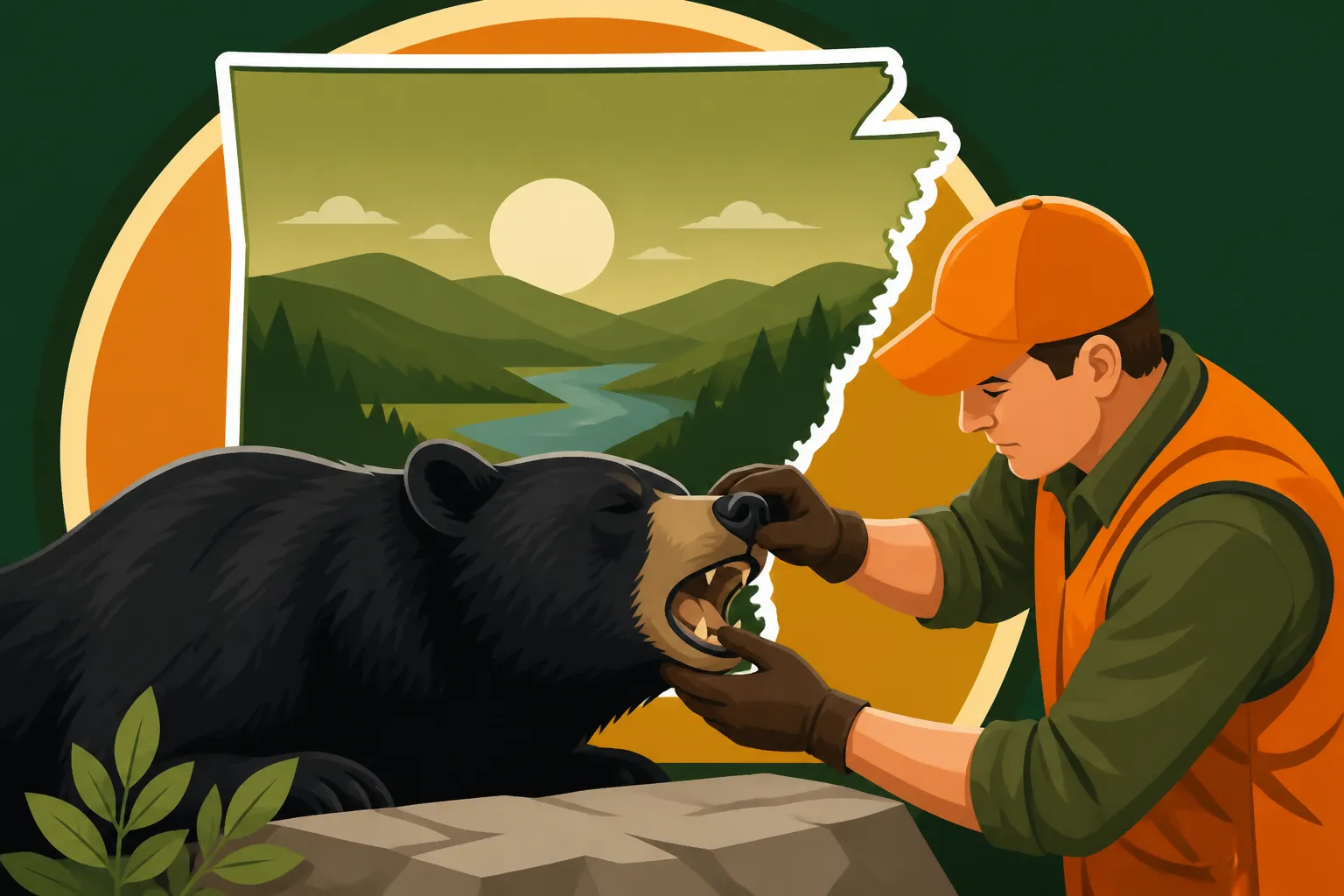
Arkansas Bear Checking Requirements
Harvesting a black bear in Arkansas is an incredible experience, but the excitement can quickly turn to stress when you start thinking about the official requirements. It's easy to feel overwhelmed by regulations, especially with the clock ticking after a successful hunt. This guide is here to walk you through every step of checking your bear, ensuring you comply with Arkansas Game and Fish Commission (AGFC) rules and contribute to responsible wildlife management.
Understanding Why Bear Checking Matters
Checking your bear isn't just a bureaucratic hoop to jump through; it's a fundamental part of wildlife conservation. Every piece of data collected from a checked animal helps the Arkansas Game and Fish Commission make informed decisions about managing the state's bear population. Without this information, they'd be flying blind, making it harder to ensure healthy bear numbers for generations to come.
The AGFC's Role in Bear Management
The AGFC is tasked with maintaining a robust and healthy population of Black Bears in the Arkansas Ozarks and Ouachitas. This isn't a small feat, especially considering the challenges of habitat management and human-wildlife interaction. The data collected from checked bears, such as the location of harvest, the bear's sex, and sometimes even age, provides crucial insights into population distribution, success rates, and overall herd health.
Think of it like a scientist gathering samples in a lab; each checked bear is a data point that contributes to a larger understanding. This allows the AGFC to adjust hunting seasons, set appropriate quotas, and implement conservation strategies that truly work. It's how they keep our bear numbers thriving while providing opportunities for hunters.
Contributing to Conservation Efforts
As hunters, we have a responsibility that extends far beyond pulling the trigger. Participating in the bear checking process is one of the most direct ways we contribute to the long-term health and sustainability of the species we pursue. It transforms a solitary hunting experience into a collective effort for conservation.
Every hunter who properly checks their bear plays a vital role. You're providing the raw data that allows wildlife biologists to track trends, identify potential issues, and adapt management plans. This engagement helps fulfill the promise of "fair chase" and ensures that the legacy of bear hunting in Arkansas remains strong. It’s a testament to the success of The Arkansas Black Bear Restoration efforts from decades past.
The Basics of Bear Checking in Arkansas
When you've successfully harvested a bear, the clock starts ticking, and a few critical steps need to be taken quickly. Understanding these basics before you even step into the woods can alleviate a lot of stress and prevent potential violations. Arkansas has specific timelines and requirements that must be met without delay.
The 24-Hour Rule: Time is of the Essence
The most crucial rule to remember is the 24-hour deadline. You must check your bear within 24 hours of harvest. This window can feel incredibly short, especially if you're deep in the wilderness or dealing with a large animal. The moment the bear is down and you've confirmed the kill, that timer begins. It doesn't start when you get back to your truck or camp; it's from the actual time of harvest.
This strict timeframe is in place for a good reason: to ensure the integrity of the harvest data and allow AGFC to monitor quotas efficiently. It means that planning for extraction and immediate checking needs to be part of your overall hunting strategy. Don't wait until the last minute; as soon as you have a signal or access to a phone, get it done.
The Physical Tagging Requirement
Immediately after harvesting your bear, before moving it from the kill site, you are required to attach your valid bear tag to the animal. This isn't something you can do later; it's an immediate action. The tag must be securely affixed to the bear in a way that it cannot be removed or replaced without being damaged. Typically, this means attaching it to an ear, leg, or through a tendon.
This physical tag serves as proof that the bear was legally harvested by you. It must remain attached to the bear until it has been officially checked with the AGFC and reaches the point of final processing (e.g., quartered, deboned, or placed in a commercial processing facility). Failure to immediately tag your bear is a serious violation and can result in significant penalties.
Bear Zones and Quotas: Knowing Your Limits
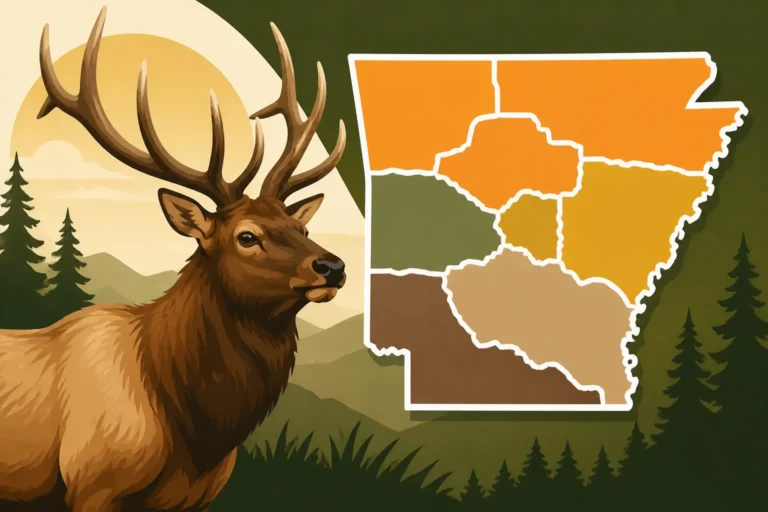
Arkansas manages its bear harvest using specific bear zones, each with its own quota. This means that a particular zone can close to bear hunting at any time once its quota is met. This adds an extra layer of urgency and responsibility for hunters to stay informed. Imagine the frustration of harvesting a bear only to discover your zone closed hours earlier!
The AGFC provides ways to How to Check If a Bear Zone Is Open, often through its website or a dedicated hotline. It's imperative that you check the status of your hunting zone, especially if you're hunting during a period when the quota might be close to being met. The Arkansas Bear Seasons and Zone Quotas are designed to ensure sustainable harvesting, so staying current on closures is crucial for legal hunting. You don't want to find yourself in a situation where your hard-earned bear becomes an illegal harvest.
Methods for Checking Your Arkansas Bear
In today's digital age, the AGFC has made bear checking more accessible than ever, offering several convenient options to meet that 24-hour deadline. Whether you're tech-savvy or prefer a more traditional approach, there's a method that works for most situations. Knowing these options beforehand can be a real lifesaver when you've got a bear on the ground.
Checking via the AGFC App or Website
For many hunters, the easiest and fastest way to check a bear is through the official AGFC mobile app or their dedicated website. This method allows you to complete the process directly from your smartphone or computer, often right from the field if you have service. The app and website are designed to be user-friendly, guiding you through the necessary steps.
You'll need to log in using your customer ID and password, select the "Check Bear" option, and then accurately input all the required harvest details (date, time, location, sex of the bear). The system will then issue you a unique confirmation number. It's a fantastic tool, and many hunters find a mapping application like GoHunt invaluable for pinpointing exact harvest locations for accurate reporting. Just remember, a reliable internet connection is key for this method.
Calling the AGFC Toll-Free Number
What if you're in a remote corner of the Ouachita National Forest and your phone's data signal is non-existent? That's where the AGFC's toll-free check number becomes your best friend. This traditional method is still widely available and often provides a reliable backup when digital options fail. You'll simply dial the provided number and speak with an automated system or an operator who will walk you through the process.
Be prepared to provide all the same information you would for the app or website: your license number, contact details, and precise harvest information. Make sure you have a pen and paper handy, as you'll need to write down the confirmation number provided at the end of the call. This method is a tried-and-true way to ensure compliance, even when you're off the grid.
Authorized Checking Stations: A Traditional Option
While most hunters now opt for digital or phone-in methods, authorized checking stations still exist, though they are less numerous than in years past. These physical locations, often found at bait shops, general stores, or AGFC offices in prime hunting areas, offer a more hands-on approach. If you prefer to speak to someone or need assistance, this can be a good option.
When using a checking station, you will bring your physically tagged bear to the location. The attendant will record the necessary information, confirm your license, and provide you with a physical confirmation. It's a great way to ensure everything is done correctly, especially if you're new to bear hunting or have questions. However, remember to check their operating hours and locations in advance, as they may not always be convenient or open when you need them.
Important Information You'll Need
Successfully checking your bear hinges on having all the correct information at your fingertips. Fumbling for details under pressure can lead to mistakes or delays, potentially putting you past the 24-hour deadline. Being prepared with this data is just as important as having the right gear for the hunt itself.
Your Hunter Information
First and foremost, you'll need all your personal hunter identification details. This includes your current Arkansas hunting license number, your full legal name, your mailing address, and a reliable contact phone number. This information ensures that the harvest is correctly attributed to you and helps the AGFC maintain accurate records of individual hunter activity.
It's a good practice to have this information written down on a waterproof card in your wallet or saved as a note on your phone. Even better, if you're using the AGFC app, your personal details will usually be pre-filled once you've logged in, streamlining the process. Just confirm everything is correct before submitting your harvest.
Harvest Details
This is where the scientific data collection truly comes into play. You'll need to provide precise details about the bear you harvested:
- Date and Time of Harvest: Be as accurate as possible.
- County of Harvest: The specific county where the bear was taken.
- Location: Whether it was on private land or a specific Arkansas Wildlife Management Areas. If it was on private land, you might need details about the landowner. If it was on a WMA, you'll need to specify which one. Using tools like the GoHunt app or the AGFC Map Tool can give you exact GPS coordinates for this.
- Sex of the Bear: Male or female. This is crucial for population models.
The more accurate and detailed you are with this information, the better the data is for AGFC biologists. Estimating a time or guessing a location can lead to skewed data, so take a moment to record these specifics at the moment of harvest.
Confirmation Number and What to Do With It
Once you've submitted all the required information, whether via app, website, or phone, you will receive a unique confirmation number. This number is your undeniable proof that you have legally checked your bear and complied with AGFC regulations. Do NOT lose it.
You should immediately record this confirmation number. If you used the app, it will be stored there, but it's wise to write it on your physical bear tag that's attached to the animal. If you called it in, definitely write it on your tag or a waterproof card that stays with the bear. This confirmation number must remain with the bear and its parts until final processing. It's your legal "hall pass" for transporting your harvest.
Special Considerations and Common Pitfalls
While the general checking process is fairly straightforward, there are some specific scenarios and common mistakes that can trip up even experienced hunters. Being aware of these additional considerations can save you a lot of hassle and ensure your hunt remains entirely legal.
CWD Zone Rules and Carcass Transport
Chronic Wasting Disease (CWD) is a serious concern for deer and elk, and while bears aren't known to contract CWD, the presence of CWD Management Zone Rules in Arkansas can still affect how you handle and transport your bear carcass. If you harvest a bear in a CWD-positive county, you need to be acutely aware of any carcass transport restrictions that may apply.
The primary concern is often the transportation of brain and spinal column material, which are CWD-risk parts in deer and elk. While bears don't carry CWD, the regulations around these high-risk materials in CWD zones are strict to prevent any accidental spread or confusion. Always check the latest AGFC regulations regarding carcass transport, especially if crossing county lines, or if you plan on having your bear tested as part of the Arkansas CWD Testing for Hunters program if such a program is in place for bears.
WMA Specific Regulations
Hunting on public land, especially Arkansas Wildlife Management Areas, often comes with its own set of rules and regulations that supplement the statewide guidelines. While the core bear checking requirements remain the same, some WMAs might have additional steps or specific guidelines for hunters. For example, some might require you to check in and out physically at a WMA office, or have specific instructions for how and where to transport game within the WMA boundaries.
Before heading out to hunt on any WMA, it's always a good idea to consult the specific WMA regulations for that area. These are usually available on the AGFC website or in the annual hunting guide. Using the AGFC Map Tool can also help you understand specific zones and rules within a WMA. Don't assume; always verify.
Recovering a Bear: Safety and Logistics
Harvesting a bear is a monumental task, but recovering it, especially a large one in rugged terrain, can be an even greater challenge. This is where the 24-hour checking rule can become incredibly stressful. Many hunters make the mistake of prioritizing speed over safety or proper field dressing. Remember, your safety and the quality of your meat come first.
If you find yourself with a bear down deep in a hollow or far from an access road, you might need to quarter the animal in the field to facilitate transport. While doing so, remember that the physical tag must remain with the parts until checked. Quartering can save you immense effort and ensure you get the meat out quickly, but ensure you maintain all required parts for inspection if an AGFC officer were to check your harvest. Plan your recovery strategy before you even pull the trigger, considering how you'll get the bear out and to a place where you can check it within the allotted time.
What Happens After You Check Your Bear
Congratulations, you’ve navigated the regulations and successfully checked your bear! But the journey isn’t quite over. There are still a few important steps to ensure your hard-earned harvest is properly managed, from transportation to processing. Knowing what comes next will help you maximize your harvest and complete the process responsibly.
Transporting Your Bear Legally
Once your bear has been officially checked and you have that precious confirmation number, you can legally transport it. The critical rule here is that the physical bear tag, now ideally marked with your confirmation number, must remain attached to the bear or its parts during transport. Whether you're hauling it out of the woods, taking it to a processor, or bringing it home, that tag is your legal proof.
Be mindful of carcass transport rules, especially if you've harvested in or are traveling through a CWD zone. While bear meat is generally safe, ensuring no high-risk parts (like the brain and spinal column) are unnecessarily transported out of a CWD management area is a good practice, even if not explicitly regulated for bears. The tag must remain attached until the animal is quartered or deboned for storage, or has reached its final destination for processing.
Processing Your Harvest
After transport, the next big step is processing your bear. This is where your bear transforms from an animal into usable meat and possibly a trophy. You can choose to process the bear yourself, or take it to a professional game processor. Given the size and unique characteristics of bear meat, many hunters opt for a professional, especially for their first bear.
Proper handling is crucial. Bear meat, like any wild game, needs to be cooled quickly to preserve its quality and prevent spoilage. If you're planning to keep the hide for a rug or taxidermy, discuss this with your processor beforehand, as it requires special care. This is also the point at which the original tag can finally be removed, once the animal has been substantially processed for consumption or storage. For tips on how to handle the meat, check out resources on Handling Bear Meat Safely.
Submitting Samples for CWD Testing
Although CWD primarily affects deer and elk, the AGFC occasionally conducts surveillance or requests samples from other species, or specific regulations might apply. While routine CWD testing for harvested bears isn't typically mandated, it's important to be aware that specific circumstances or research initiatives might prompt the AGFC to request samples from your bear.
If you are hunting in a known CWD management area, or if AGFC personnel contact you, they might ask you to submit specific tissue samples (often lymph nodes or brain stem) from your bear for testing. This is a voluntary but incredibly helpful contribution to broader wildlife health monitoring. Always follow their instructions carefully if asked, as your participation aids in understanding the health landscape of Arkansas's wildlife, including the population dynamics and health of How Many Black Bears Arkansas Has. Furthermore, if you're engaging in practices like Bear Baiting Rules and Tactics in Arkansas, understanding CWD protocols remains vital.
| Method of Checking | What You Need | Key Notes & Considerations |
|---|---|---|
| AGFC App/Website | Valid hunting license, customer ID/password, internet connection, harvest details (date, time, county, WMA/private, sex of bear) | Fastest & most convenient. Best if you have reliable cell signal in the field. Download the app before you hunt. GoHunt can assist with location. |
| Toll-Free Phone | Valid hunting license, harvest details, pen & paper | Reliable backup for remote areas with no data signal. Be prepared to provide all info verbally. Write down confirmation number immediately. |
| Authorized Checking Station | Valid hunting license, physical tagged bear | Less common now, but available in some areas. Good if you prefer in-person assistance. Check hours & locations in advance. |
Disclaimer
Please remember that hunting regulations can change. While this guide provides comprehensive and up-to-date information, it is always your responsibility to consult the most current Arkansas Game and Fish Commission (AGFC) regulations and proclamations before engaging in any hunting activity.