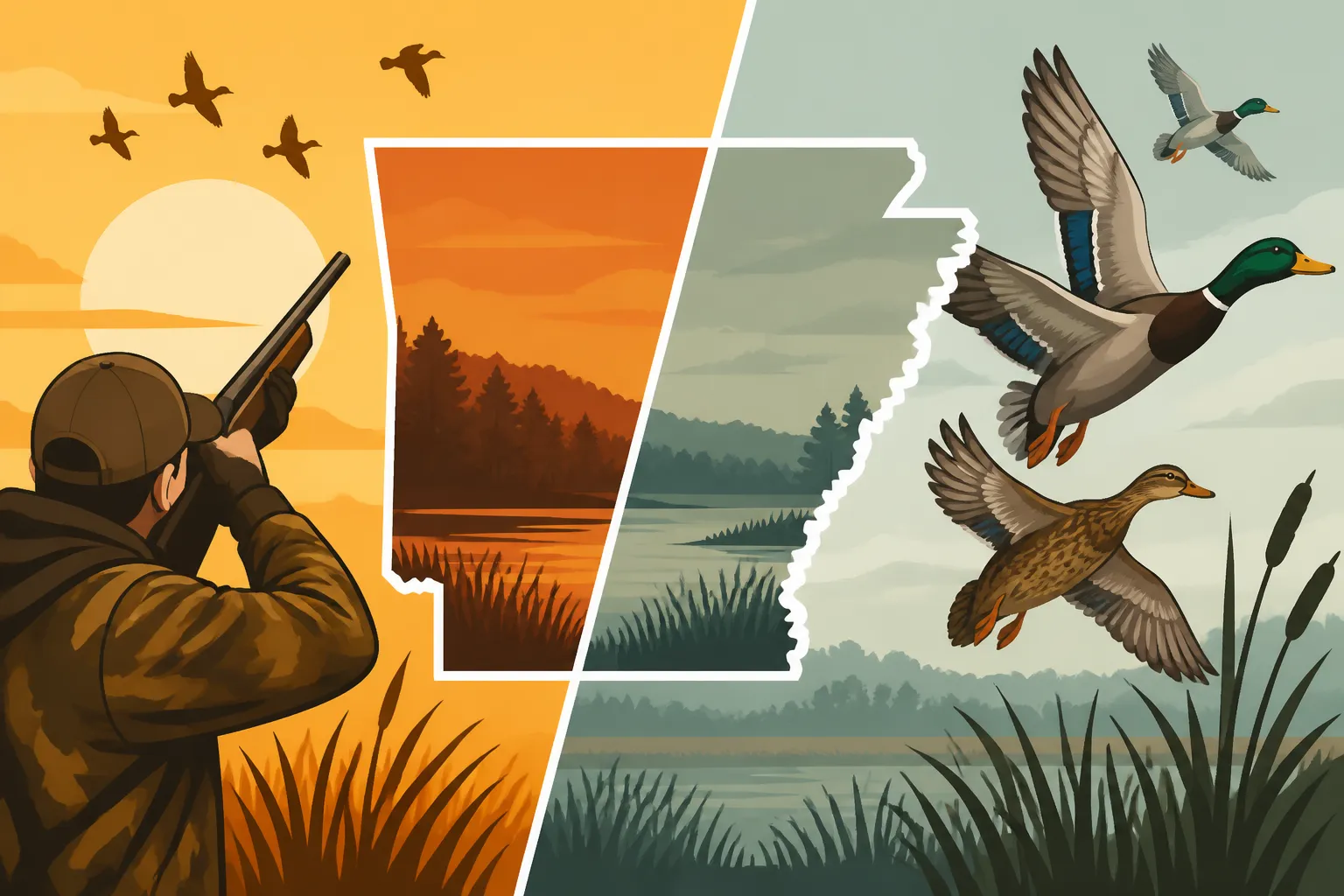
Arkansas Duck Season Splits
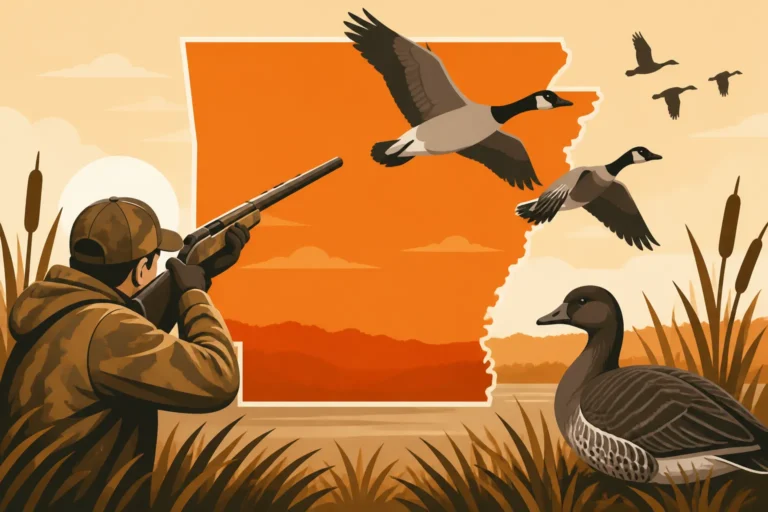
It’s easy to get a bit bewildered by Arkansas’s duck season. You might be planning a hunt, looking at the calendar, and suddenly you see terms like "first split" and "second split," along with periods when hunting simply isn't allowed. This isn't just an arbitrary scheduling choice; these splits are a fundamental part of how Arkansas manages its incredible waterfowl resources. This guide will walk you through the ins and outs of the Arkansas duck season splits, helping you understand their purpose, how they affect hunting, and how to plan your trips for maximum success.
Understanding the "Split" Concept in Arkansas Duck Hunting
For those accustomed to a continuous hunting season, the concept of a "split" season can seem a bit strange. In Arkansas, the duck hunting season isn't one long, uninterrupted stretch. Instead, the total number of allowable hunting days is divided into distinct periods, separated by days or even weeks when no duck hunting is permitted. This design is far from random; it's a carefully considered management strategy unique to states situated along major migratory flyways like the Mississippi Flyway, which bisects Arkansas. The objective is multifaceted, balancing conservation needs with providing optimal hunting opportunities.
Why the Season Isn't Continuous
The primary driver behind segmenting the duck season is rooted in waterfowl biology and the dynamics of migration. Imagine a scenario where hunting pressure is constant from early November through late January. Early-arriving birds, often young and less wary, would face an incessant barrage of calls and shots. This sustained pressure could rapidly "educate" the ducks, pushing them out of traditional hunting areas, forcing them to become nocturnal feeders, or simply encouraging them to continue their migration further south, bypassing Arkansas altogether. By introducing breaks, game managers aim to provide critical "rest periods" for the birds. During these closures, ducks can feed undisturbed, recover from the initial hunting pressure, and redistribute themselves across the landscape, often settling into new areas or returning to previously pressured spots that now offer a sense of security. It’s essentially a reset button for the birds, offering a "fresh start" when the season reopens.
Moreover, the staggered migration of various duck species and age classes plays a significant role. Early in the season, you'll primarily encounter local populations and early migrants like wood ducks and green-winged teal. As winter intensifies further north, the main waves of mallards, pintails, and gadwall begin to arrive. A continuous season might exhaust hunting grounds or over-pressure local birds before these major flights even reach Arkansas. The splits allow the Arkansas Game and Fish Commission (AGFC) to strategically align hunting periods with anticipated peaks in migration, maximizing hunter success rates when significant numbers of birds are present. This intelligent scheduling helps ensure that all phases of the migration offer viable hunting opportunities, rather than concentrating all pressure on the initial arrivals.
The Role of Migration Corridors and Weather
Arkansas’s prime location in the Mississippi Flyway means it serves as a crucial wintering ground and stopover for millions of ducks and geese. However, the influx of these birds is not a single, predictable event. It's a series of movements heavily dictated by weather patterns, particularly severe cold fronts sweeping down from the northern states and Canada. These weather systems are the engines that drive ducks south. If the duck season were continuous, a major push of new birds arriving during a period of heavy hunting pressure might simply overfly Arkansas, continuing their journey to less disturbed areas.
The splits are intentionally designed, in part, to account for these environmental factors. An early split often targets the initial wave of migrants and local populations, while a later split is frequently timed to coincide with the arrival of the main mallard migration, which historically occurs when harsh winter weather settles into the upper Midwest. During the closed periods between splits, birds that have already arrived have the opportunity to settle in, locate undisturbed feeding and roosting sites, and become less wary. This can make them more receptive to calling and decoying when the season reopens. While Mother Nature doesn't always adhere strictly to the calendar, the split system attempts to harness these natural migration dynamics. For instance, a prolonged freeze in North Dakota can mean a sudden influx of ducks into the Arkansas Delta; the splits aim to ensure that when these new birds arrive, there's a significant portion of the hunting season left to pursue them effectively.
Historical Context and Rationale Behind Duck Season Splits
The concept of splitting the duck season isn't a modern invention; it's an evolved strategy refined over decades of waterfowl management. Early hunting seasons across North America varied wildly, often being either continuously long or quite short, and managers quickly learned that a more nuanced approach was necessary. The current split system in Arkansas is the culmination of extensive biological research, hunter feedback, and a commitment to balancing the long-term health of waterfowl populations with quality recreational opportunities for hunters.
Early Season vs. Late Season Pressures
One of the fundamental reasons for implementing split seasons is to effectively manage and distribute hunting pressure throughout the migratory period. Consider a continuous season starting, say, in early October and running uninterrupted until January. The initial waves of ducks, typically less experienced juvenile birds, would face relentless pressure from the moment they entered the state. This intense, unceasing early season pressure could quickly "burn out" prime hunting locations and lead to birds becoming extremely wary and difficult to hunt long before the peak migration even occurs. The strategic closure period, often in late November or early December, provides a vital reprieve. During this time, ducks that have already been exposed to hunting pressure can relax, feed, and acclimate to their wintering grounds without the constant threat of hunters.
When the season reopens for its later segment, it frequently coincides with the arrival of fresh waves of ducks, pushed south by severe cold fronts from the north. These new arrivals are typically less "educated" and often more responsive to calls and decoys. This approach effectively creates two distinct hunting experiences: an initial phase for local birds and early migrants, and a subsequent phase for the major influx of more migratory, northern-bred waterfowl. Without these carefully planned splits, the quality of hunting could significantly deteriorate by mid-season, as birds quickly learn to avoid pressured areas. For hunters, this means adapting their strategies to the phase of the season, but it also provides multiple opportunities to encounter active, responsive birds throughout the extended winter period.
Biological Considerations for Waterfowl Management
The Arkansas Game and Fish Commission, working closely with the U.S. Fish and Wildlife Service, relies heavily on scientific data to inform its season setting. This data includes continental duck population estimates, detailed habitat assessments, and local harvest statistics. Split seasons are a critical tool within this biological management framework. For instance, a short closed period can dramatically reduce overall disturbance during crucial feeding times, allowing birds to conserve energy, regain lost weight, and better prepare for the rigors of winter. It’s more than just a rest; it’s an opportunity for physiological recovery and enhanced survival.
Furthermore, different duck species exhibit varied migration timing and susceptibility to hunting pressure. A split season allows managers to fine-tune hunting periods, potentially offering greater protection to certain species or populations during vulnerable times while still providing ample opportunity for more robust species. The special September Teal Season is an excellent example of a dedicated split season designed around a specific species' unique early migration pattern. The main duck season splits apply this principle more broadly, using periods of closure to enhance the overall health and distribution of the waterfowl population. This science-based approach ensures that Arkansas can sustain its reputation as a world-class waterfowl destination for future generations of hunters.
Navigating the Annual Arkansas Duck Season Dates
Every year, Arkansas duck hunters eagerly await the official announcement of season dates. While the general structure of splits tends to remain somewhat consistent from year to year, the precise opening and closing dates, as well as the duration of the closed periods, can shift. Staying informed about these exact dates is critical, as hunting outside of legal seasons carries severe penalties, including fines and potential loss of hunting privileges. The AGFC works diligently to disseminate this information, but it remains the individual hunter's responsibility to know and adhere to the current regulations.
Key Dates and Calendar Markers
Typically, the Arkansas duck season features a multi-split structure. This usually includes an early segment, often beginning in mid-November, followed by a break, and then a longer, continuous segment that extends from mid-December through late January. It's important to remember that these main duck season splits are separate from the Arkansas's September Teal Season, which provides an early opportunity to hunt blue-winged and green-winged teal. The primary reason for the break after the first main duck split is often to allow newly arriving migrants to settle in and to reduce pressure during a period that might historically see lower duck numbers before colder weather pushes the major northern flights south.
A typical structure might look something like this:
- First Split: Mid-November to late November.
- Closed Period: Late November to mid-December (ranging from a week to ten days).
- Second Split: Mid-December to late January.
These specific dates are announced well in advance, usually in late spring or early summer, once federal waterfowl frameworks are established. It is imperative to mark these dates on your calendar, especially if you are planning travel, booking guided hunts, or requesting time off from work. This split structure is designed to offer diverse hunting conditions and opportunities throughout the season. The first split often features warmer weather and targets local ducks and early migrants, while the second split typically occurs in colder conditions, coinciding with the peak arrival of northern mallards, pintails, and gadwall. Consequently, your gear, calling approach, and even decoy spreads may need significant adjustments between these different periods.
How AGFC Communicates Changes
The Arkansas Game and Fish Commission is the official and definitive source for all hunting regulations, including duck season dates and bag limits. They publish a comprehensive annual hunting and fishing guide that details all seasons, limits, and rules. This invaluable guide is readily available in print at AGFC offices, various sporting goods retailers throughout the state, and as a downloadable PDF on their official website. Consulting this guide is an absolute must for every hunter before they venture afield.
In addition to the annual guide, the AGFC utilizes its official website, social media platforms, and press releases to communicate any updates, changes, or special announcements. Given the dynamic nature of waterfowl migrations and environmental conditions, sometimes emergency closures or temporary regulation adjustments can occur, though these are infrequent for the standard duck season splits. For example, if a particular area experiences extreme drought or widespread flooding that significantly impacts waterfowl or safe hunter access, the AGFC may issue temporary restrictions. Keeping a close watch on their official communication channels is the best way to stay current. Many hunters also leverage modern hunting apps, often powered by platforms like GoHunt, which integrate official AGFC data directly into their mapping and information services, providing convenient, up-to-date regulations and land status information right on their mobile devices. Regularly checking these resources throughout the season is a highly recommended practice, particularly if you're hunting across different zones or areas.
| Season Segment | Typical Dates | Primary Weather | Primary Duck Activity | Hunter Pressure | Tactical Focus |
|---|---|---|---|---|---|
| First Split | Mid-Late November | Mild to Cool | Local birds, early migrants, wood ducks | Moderate, especially opener | Smaller spreads, soft calling, scouting small water |
| Closed Period | Late Nov – Mid-Dec | Variable | Ducks settle, new migrants arrive | None | Intensive scouting, gear prep, observation |
| Second Split | Mid-Dec – Late January | Cold, Freezing | Northern mallards, pintails, divers, specklebellies | High | Large spreads, aggressive calling (then soft), field/reservoir focus |
Impact of Splits on Duck Behavior and Hunter Strategy
The split season structure isn't merely a regulatory framework; it profoundly influences how ducks behave and, consequently, how hunters must strategize. A truly successful duck hunter in Arkansas is not just proficient with a call or a shotgun; they are also keen observers of patterns and highly adaptable to constantly changing conditions. The splits demand a flexible mindset, recognizing that what proved effective during the warm days of the first split may be utterly useless during the bitter cold of January.
Early Season Opportunities and Challenges
The first split of Arkansas duck season, typically kicking off in mid-November, can present a mixed bag of conditions. The weather might still be unseasonably warm, meaning ducks are often dispersed rather than concentrated in traditional wintering grounds. You'll likely encounter more local wood ducks, early-arriving mallards, and possibly gadwall or green-winged teal. These birds tend to be less pressured initially, making them more receptive to calling and decoying tactics. The opportunities here often lie in targeting these initial arrivals before they become highly educated.
However, significant challenges exist. Warmer temperatures can make duck movements less predictable, and finding large concentrations can be difficult without strong northern cold fronts pushing birds south. Public lands, especially popular ones, often experience heavy pressure on opening weekend, which can quickly educate resident birds. Hunters during this period often need to be more mobile and proactive, focusing on scouting specific areas that hold water and food, such as shallow timber holes, isolated backwater sloughs, or even flooded agricultural ditches that might not be accessible or attractive later in the season. Understanding how to navigate and hunt Hunting Arkansas Flooded Green Timber or effectively using Setting Up on a Canopy Opening can be particularly productive during this initial phase, as ducks often seek natural, secluded cover before widespread sheet water develops. Your calling should typically be softer and more conservative, mimicking contented feeding chatter rather than frantic hails.
Mid-Season Lulls and Peak Migration
The closed period between splits is a fascinating time. For the ducks, it represents a crucial respite from constant hunting pressure, allowing them to establish undisturbed feeding and roosting routines, regain energy, and settle into their preferred winter habitats. For hunters, it's a prime window for diligent scouting, equipment maintenance, and strategic planning. When the season reopens, usually in mid-December, a new dynamic emerges. If significant cold fronts have swept through the northern states, this second split often coincides with the eagerly anticipated peak of the mallard migration. Suddenly, the fields and flooded timber that seemed quiet during the first split can explode with thousands of newly arrived birds.
This mid-season to late-season period, especially after major cold fronts, is what many Arkansas hunters dream about. The challenge shifts from merely locating birds to effectively hunting potentially massive numbers of highly pressured, yet often newly arrived, ducks. These birds, having endured long migrations, are actively seeking food and refuge, and can be highly responsive to skilled calling and realistic decoy spreads. However, they also learn incredibly quickly. Within days of a big influx, these ducks can become extremely wary, flaring at the slightest unnatural movement or overly aggressive calling. This is when deep dives into tactics like Hunting Arkansas Flooded Green Timber or mastering Hunting Rice Fields and Levees become invaluable, as birds are often driven to specific, food-rich areas. Additionally, utilizing advanced scouting tools and real-time mapping data, such as those offered by platforms like GoHunt, can provide an undeniable edge in identifying overlooked spots or subtle shifts in duck activity patterns, helping you stay ahead of the game.
Late Season Strategies for Pressured Birds
As the late split advances into January, especially towards the season's closing weeks, conditions can become exceptionally challenging. The weather is often at its coldest, with widespread ice formation becoming a significant factor, pushing ducks to remaining open water or areas fed by natural springs. By this point, most ducks have run the gauntlet; they've been hunted across multiple states, heard every type of call, and seen every conceivable decoy spread. The birds that remain are typically the wariest of the wary, often becoming largely nocturnal or utilizing inaccessible refuge areas during legal shooting hours. This is the period where patience, subtlety, and an intimate understanding of duck behavior become absolutely paramount.
Late-season strategies often pivot towards targeting specific species that might linger, such as pintails, gadwall, or even diver ducks on large lakes and reservoirs. Hunters might find success by significantly downsizing their spreads, employing ultra-realistic, natural calls, or focusing on smaller, isolated pockets of water that receive minimal hunting pressure. Success during this period is less about sheer numbers and more about effectively outsmarting a few extremely cautious birds. This is also a time when deep understanding of local patterns, such as anticipating Hunting the Delta Rut in January, can sometimes offer tangential benefits, as deer seeking refuge in dense cover can be an indicator of other undisturbed areas where ducks might also concentrate. Furthermore, often the most successful late-season hunters are those willing to walk further, penetrate deeper into public lands, and hunt spots that others have abandoned, or skillfully employ a well-brushed Using a Ground Blind on an Arkansas WMA in an unconventional, low-pressure location.
Regulatory Nuances and What Hunters Need to Know
Beyond simply knowing the specific dates of the duck season splits, there are several crucial regulatory nuances that every Arkansas duck hunter must fully understand. These rules are implemented for various reasons, ranging from federal mandates to state-specific conservation initiatives, and they typically carry substantial weight. Ignorance of these regulations is never an acceptable excuse, and violations can lead to severe consequences, including significant fines, the loss of hunting privileges, and even the confiscation of valuable hunting equipment.
Federal Framework and State Adaptations
The foundational framework for all migratory bird hunting seasons, including ducks, is established at the federal level by the U.S. Fish and Wildlife Service (USFWS). Each year, after extensive population surveys across breeding grounds, thorough habitat assessments, and sophisticated scientific modeling, the USFWS sets a comprehensive "framework." This framework dictates the maximum allowable number of hunting days, legal shooting hours, species-specific bag limits, and the earliest and latest possible season dates for each of the four North American flyways. States within these flyways, such as Arkansas, then operate strictly within these federal guidelines, adapting the rules to best suit their unique local conditions, hunter preferences, and specific waterfowl management objectives.
This federal-state dynamic explains why Arkansas has the flexibility to structure its season with particular splits, as long as the total number of hunting days does not exceed the federally mandated maximum (which is typically around 60 days for ducks in the Mississippi Flyway). The AGFC meticulously considers factors such as historical peak migration timing, areas that experience intense hunting pressure, and valuable public input when making these state-specific adaptations. For example, the decision on Why Arkansas Splits Its Duck Season often stems from a careful balance between providing an appealing early season opener and the critical need to conserve birds, while also ensuring ample hunting opportunities during the mid-winter migration. Understanding this cooperative federal and state partnership helps hunters appreciate the complex, layered nature of waterfowl regulations and why specifics can differ significantly even between states within the same flyway.
Temporary Closures and Emergency Orders
While the annual duck season dates are generally established and published well in advance, unforeseen circumstances can occasionally necessitate temporary closures or the issuance of emergency orders. While these occurrences are relatively rare for the regular duck season, it is crucial for hunters to be aware of their possibility. Such situations typically arise due to extreme environmental events, like prolonged droughts leading to dangerously low water levels on public lands, or conversely, severe widespread flooding that renders vast areas inaccessible or creates unsafe hunting conditions. Although less common for the general duck season, localized disease outbreaks in specific areas or among certain species could also potentially trigger emergency management measures.
For instance, if a significant portion of a Wildlife Management Area (WMA) becomes unfavorably dry, the AGFC might temporarily close it to hunting. This action would be taken to protect the limited remaining water resources for waterfowl or to allow conditions to improve. Conversely, major flooding events, particularly prevalent in the Delta regions, can sometimes lead to discussions about temporary closures or restrictions on access. These critical decisions are always made with the dual priorities of wildlife conservation and hunter safety at the forefront. The AGFC invariably communicates any such emergency orders through widespread public notices, utilizing their official website, media alerts, and social media channels. Leveraging a reliable mapping and information tool, such as the GoHunt platform, can also be highly beneficial for staying current on WMA closures or any special regulations, as many such applications are designed to integrate real-time updates from state wildlife agencies. Always make it a practice to double-check the latest information before heading afield, especially if weather or environmental conditions have been unusual or extreme.
Making the Most of Each Segment of the Season
Rather than viewing the split season structure as a complication, it should be embraced as a dynamic opportunity to experience distinct phases of the duck migration and to continually refine a diverse array of hunting skills. Each segment of the season presents its own unique set of challenges and rewards, demanding a conscious shift in tactics, scouting efforts, and even your mental approach. The most successful hunters are those who embrace this inherent variability, constantly learning and adapting their methods.
Pre-Season Scouting for Each Split
The effectiveness of pre-season scouting is magnified in a split season environment. Just because you thoroughly scouted your favorite green timber hole in October doesn't guarantee it will be the hot spot during the bitter cold of the late split in January. Instead, pre-season scouting must take on a more segmented and targeted approach. Before the first split opens, concentrate your efforts on identifying water sources that are likely to hold local birds and early migrants. This often means focusing on smaller, shallower pockets within the timber, secluded oxbow lakes, or even flooded agricultural ditches that might be overlooked during later periods. These early birds tend not to prioritize large, expansive water bodies and often prefer more intimate, sheltered locations. Observing their flight paths, preferred roosting sites, and feeding habits before they experience heavy hunting pressure is absolutely critical.
During the closed period between the first and second splits, scouting becomes an indispensable activity once more. This lull in hunting provides a unique and invaluable window to observe how birds have reacted to the initial pressure and to identify if new waves of migrants have arrived. Look for fresh duck sign in recently flooded fields, newly accessible timber, and even on larger reservoirs where ducks might be staging. Have their flight corridors changed? Have they shifted their primary feeding patterns? This period of undisturbed observation can be incredibly revealing. Utilizing modern scouting tools like satellite imagery or detailed topographic maps, often found within platforms like GoHunt, can help you pinpoint potential new resting or feeding areas that ducks might have discovered during their brief respite from hunting. Always pay close attention to changing water levels, as they can fluctuate rapidly and completely alter duck access and preferences. The more comprehensive your understanding of the landscape and bird movements before the season reopens, the greater your chances of success during the subsequent split. This dedicated, segmented scouting is truly the secret sauce for consistent success.
Adjusting Tactics for Different Periods
The shift in hunting conditions between the early split and the late split in Arkansas is often dramatic, demanding a complete re-evaluation and overhaul of your hunting tactics. In the warmer, often calmer conditions of the first split, ducks are typically less pressured and more receptive to subtle calling and smaller, more natural decoy spreads. Your calling strategy might focus on soft quacks and contented feed chuckles rather than aggressive hail calls. A decoy spread of just a dozen birds, artfully placed to mimic a small, comfortable group, can be highly effective. The emphasis should be on tight, well-hidden setups in naturally shaded timber holes or dense brushy cover.
As the season progresses into the colder, late split, especially after major northern migrations, ducks become significantly warier. They have likely encountered extensive hunting pressure across multiple states. This is when larger, more visible spreads become necessary, particularly in open agricultural fields or on expansive bodies of water. More aggressive calling, with increased volume and urgency, might be required to capture the attention of high-flying flocks, but it's crucial to swiftly transition to softer, more convincing chatter as they commit and work towards your spread. Motion decoys, such as spinning wing decoys or jerk strings, can be incredibly effective in drawing the attention of distant, educated birds, assuming their use is legal in your specific hunting area and time. Mastering techniques like Setting Decoys in Timber Holes in the early season will look fundamentally different from deploying extensive spreads when Hunting Rice Fields and Levees in January, where high-visibility and movement are often paramount. Furthermore, layering up with appropriate cold-weather gear is essential, as the bitter cold of January can be relentless; staying warm and comfortable is key to maintaining focus and remaining in the blind longer.
Post-Season Reflections for Next Year
A truly dedicated duck hunter’s season doesn't end when the last legal shot is fired. Post-season reflection is an incredibly powerful, yet often underutilized, tool for enhancing future success, especially when navigating the intricate nuances of Arkansas’s duck season splits. Take the time to meticulously review your hunting log, recall specific hunts, and honestly evaluate what worked and what didn't during each distinct split. Did you primarily encounter wood ducks and local birds in the first split? Were northern mallards heavily concentrated in specific types of habitat during the second? Did the prevailing weather patterns in November significantly differ from those in January, and how did those differences impact bird movement and availability?
Consider the level of hunting pressure you encountered in various areas. Did a particular public land spot become too heavily pressured and unproductive after the first split? Could a more remote or less accessible area have yielded better results in the late season? Make detailed notes about water levels, the availability of key food sources, and even specific calling sequences or decoy placements that seemed to work best. This valuable, self-generated data, when combined with the next year’s AGFC regulations and your renewed pre-season scouting efforts, will provide you with a significant advantage. Duck hunting is an ongoing learning process, and each split, each individual hunt, offers new insights. By meticulously analyzing your past experiences, you can continually refine your strategies, make more informed decisions about when and where to hunt during future Arkansas duck season splits, and ensure you are fully prepared when the whistle blows for another exciting season.
Disclaimer
Please note: Hunting regulations and season dates can change. Always consult the official Arkansas Game and Fish Commission (AGFC) regulations guide for the most current and accurate information before planning any hunt. This article is intended for informational purposes only and should not be considered a substitute for official sources.