Hunting Rice Fields and Levees
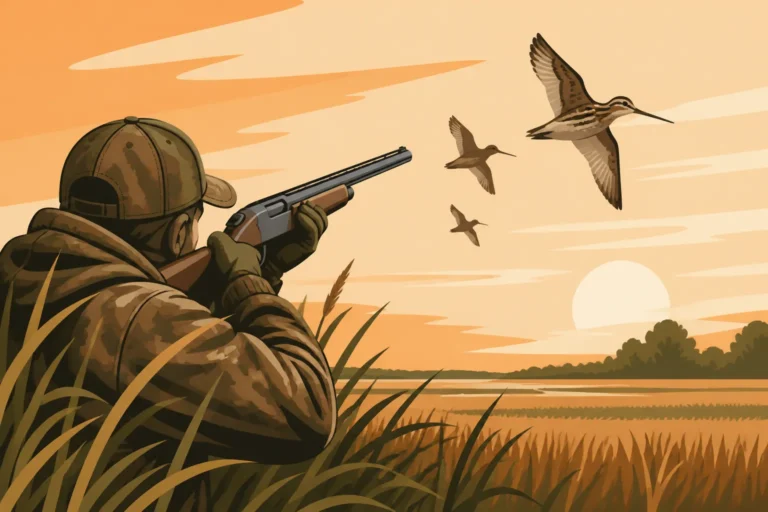
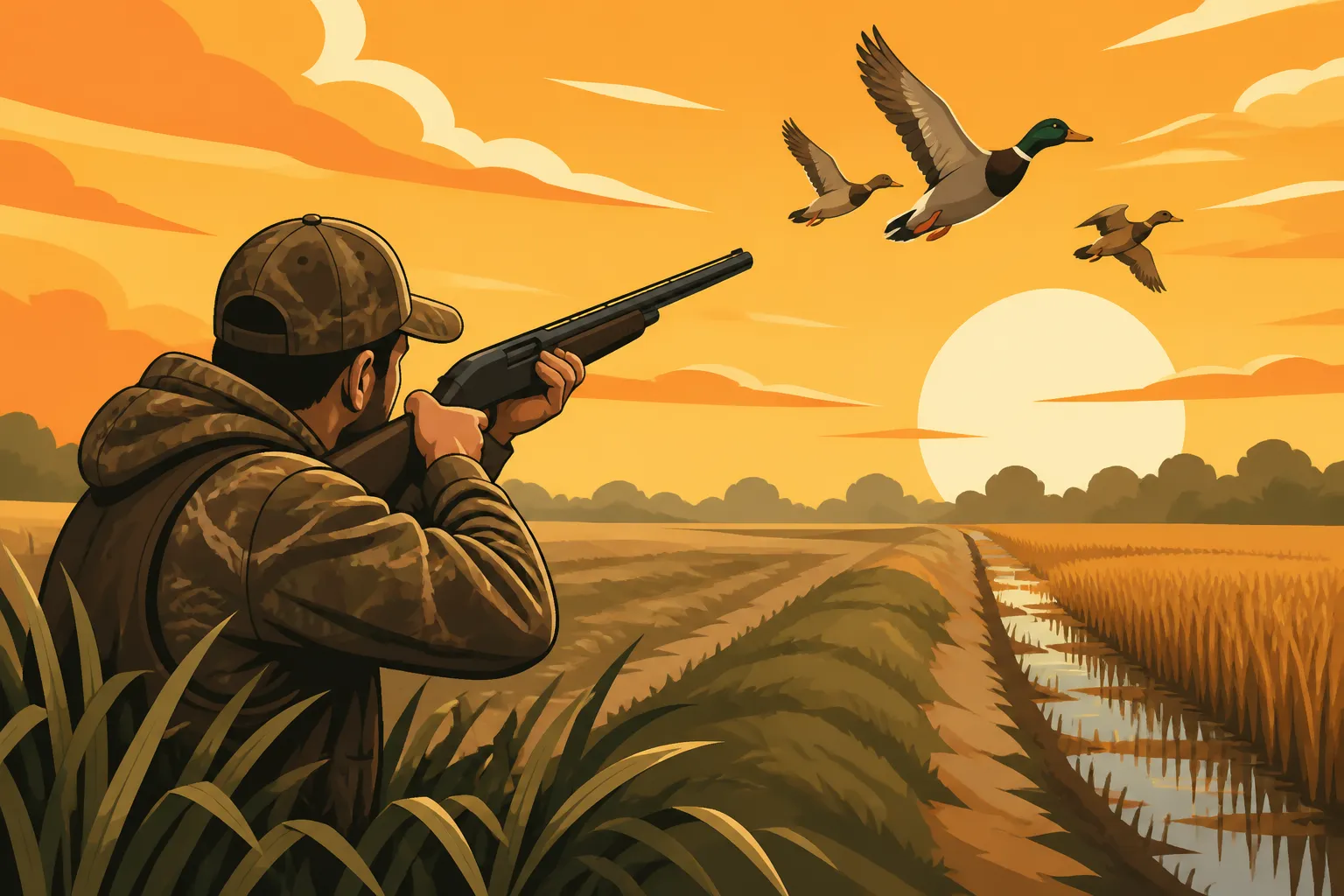
Hunting rice fields and levees in Arkansas can be one of the most exhilarating, yet frustrating, pursuits a waterfowler can experience. The wide-open spaces, the fickle nature of migrating birds, and the unique challenges of concealment often leave hunters feeling exposed and perplexed. This guide will walk you through the nuances of targeting ducks and geese in Arkansas's vast agricultural landscapes, offering deep insights into scouting, gear, tactics, and what it truly takes to fill a strap when the birds are working these fertile fields.
The Allure of Arkansas Rice Fields and Levees for Waterfowl
When you think of duck hunting in Arkansas, most folks immediately picture mallards cupped in flooded timber, wings set over a hole in a green tree reservoir. And while that iconic image certainly holds a special place, a massive portion of the state's waterfowl hunting success happens in the less romantic, but equally productive, landscape of agricultural fields—specifically, rice fields and their accompanying levees. These areas are an absolute magnet for ducks and geese, and understanding why is the first step to hunting them effectively.
Why Ducks and Geese Love These Habitats
Imagine you're a duck that's just flown hundreds, if not thousands, of miles down the Mississippi Flyway. You're hungry, tired, and looking for a safe place to rest and refuel. What's more appealing than a vast, shallowly flooded rice field? These fields, especially after harvest, offer an incredible bounty of waste grain, which is pure energy for migrating waterfowl. Mallards, pintails, wigeon, gadwall, and even teal will gorge themselves on leftover rice, soybeans, and corn. It's an all-you-can-eat buffet that provides critical calories for their journey.
Geese, particularly specklebellies (greater white-fronted geese) and snow geese, are also huge fans of these agricultural settings. Specks are notorious grazers, often found in dry or lightly flooded fields, digging up roots and waste grains. Snow geese, with their voracious appetites, will decimate a field, grubbing for anything edible. For a duck or a goose, a well-managed rice field or an adjacent levee provides everything: abundant food, relatively shallow water for dabblers, and open sightlines that make them feel secure from predators. This combination is precisely why so many hunters in the Delta, particularly around Stuttgart, focus their efforts on these productive areas. You can learn more about why these areas are so vital in Field and Flooded Rice Duck Hunting in the Delta.
The Landscape: More Than Just Flat Water
While rice fields might appear as simple, flat expanses of water and mud, they are incredibly dynamic ecosystems when viewed through the eyes of a duck hunter. The intricate network of levees, ditches, and variations in water depth creates micro-habitats within the larger field. Levees, for instance, aren't just pathways for farm equipment; they are elevated strips of land that often hold a bit more cover, offer slightly deeper water on one side, and provide a natural place for ducks to loaf and preen. When fields are flooded, these levees can act as crucial travel corridors for ducks moving between feeding and resting areas.
The varying water depths across a field are also critical. Dabbling ducks prefer shallower water, typically less than 18 inches, where they can tip up and feed easily. Deeper sections, often along the main ditches or behind larger levees, might attract divers or offer a secure loafing area for mallards on a sunny afternoon. The layout of these fields also means wind plays an enormous role. With no timber to break the breeze, ducks approach into the wind, and understanding the fetch of the wind across the field is crucial for decoy placement and blind setup. It's a completely different ballgame than hunting in the tight confines of Hunting Arkansas Flooded Green Timber.
Scouting Success: Finding Your X
You hear it all the time: "You can't kill ducks where they ain't." And nowhere is that truer than in rice fields and levees. Unlike timber hunting where ducks might filter into a general area, field birds are often highly concentrated in specific spots where they feel safe and food is abundant. Scouting isn't just important; it's the absolute cornerstone of a successful hunt.
Pre-Season Reconnaissance and Digital Tools
Long before the season opens, you should be putting in work. Driving the backroads of the Delta, looking for unharvested fields, talking to local farmers, and observing bird movements are all vital. Pay attention to which fields are being flooded and when. Ducks will often find the first available water and food sources. Tools like the GoHunt app can be invaluable here. Its satellite imagery and landowner information can help you identify potential private land access points, mark areas of interest, and keep track of observed bird activity. You can often spot subtle differences in fields, such as unharvested strips or areas of particularly thick stubble, that might hold more appeal to ducks.
Digital scouting also involves closely monitoring weather patterns, particularly cold fronts that push new birds into the region, and water levels. While you can't control the weather, knowing when to expect fresh birds can narrow down your scouting efforts. For publicly accessible fields, especially those on Wildlife Management Areas (WMAs), understanding Arkansas WMA Permits and Draw Hunts and their specific access rules is paramount. These areas often have designated hunting zones, and knowing them beforehand saves valuable time.
Reading Sign and Water Conditions
Once the season starts, scouting shifts to real-time observation. This means getting out well before first light, or staying late after a hunt, to glass fields and listen for birds. Look for concentrations of ducks and geese. Are they feeding actively, or just loafing? Note their entry and exit paths. Where do they feel comfortable landing? These observations are gold. If you're seeing ducks consistently in a specific corner of a field, that's your "X."
Water conditions are another critical factor. Too much water, and ducks might be too spread out. Too little, and they can't land easily or access food. Pay attention to water depth along levees and in different parts of the field. Are the birds using a specific depth contour? If you're on public ground, understanding water level reports, like those for the White River, can give you a heads-up on what to expect. You might also want to read up on Reading Water Levels on the White River for a broader understanding of how this impacts Delta hunting.
After the harvest, you're looking for waste grain. In Hunting Rice Fields After Harvest, the availability of food can vary greatly. Some farmers might disc their fields quickly, removing much of the available grain. Others might leave more behind, making them prime duck magnets. Look for areas with visible stubble and scattered grain, or where the ground has been churned up by feeding birds. The presence of fresh droppings and feather piles is an obvious sign you're in the right place.
Essential Gear for Field and Levee Hunts
Hunting rice fields and levees presents a unique set of gear challenges. Unlike timber where you might stand against a tree, these open environments demand careful consideration for concealment, decoy spread, and mobility. Having the right tools for the job can make or break your hunt, ensuring you're comfortable, hidden, and effective.
Blind Options for Exposed Environments
Concealment is king in open fields. Ducks and geese have incredible eyesight, and any silhouette or unnatural shape will send them flaring. Layout blinds are the go-to choice for field hunting. Brands like Avery, Final Approach, and Rogers Sporting Goods offer excellent options that allow you to lie flat, disappearing into the stubble or dirt. The key is to brush them in thoroughly with natural vegetation from the field—rice stubble, dried grass, or mud. Don't be lazy here; over-brushing is always better than under-brushing. A bare layout blind in a field is a neon sign to wary birds.
If you're hunting a levee, a mobile panel blind or a temporary pit blind can work. Panel blinds allow you to create a quick, portable wall of concealment that you can brush in. Some hunters even dig shallow pits directly into the levee, or into the field edge, taking advantage of any natural depressions. The trick is always to break up your outline and blend in perfectly with your surroundings. Remember, these birds have seen it all, especially by mid-season.
Decoy Spreads for Open Water and Fields
The type and size of your decoy spread will depend heavily on whether you're targeting ducks, geese, or both, and the specific conditions of the field. For ducks in flooded rice, a spread of two to three dozen mallards, mixed with a few pintails or wigeon, is a good starting point. Consider motion decoys, such as spinning wing "mojos" or jerk strings, to add realism, especially on calm days. Position your spread to create a landing zone into the wind, keeping your blind downwind of the main body of decoys. You can get more specifics on how to optimize this in Setting a Spread on a Levee.
For geese, you'll need a much larger spread, often dozens to hundreds of full-body or shell decoys. For specklebellies, realistic full-bodies are best, often set in smaller family groups. For snow geese, white rags or plastic silhouettes in massive numbers are common, creating the appearance of a huge feeding flock. Motion is critical for geese, with flappers or flying decoys adding life. Mixing goose and duck decoys can be effective, as ducks often feel safer landing near larger geese. When planning your spread, think about what the birds are actually doing in the fields you've scouted. Are they in tight groups? Spread out? Copy their natural behavior.
| Decoy Type | Target Species | Ideal Conditions | Spread Size | Key Feature |
|---|---|---|---|---|
| Mallard Floaters | Ducks (Mallard, Pintail, Wigeon) | Flooded Rice, Shallow Water | 2-4 dozen | Realism, Dabbler Look |
| Full-Body Geese | Specklebelly Geese | Dry/Lightly Flooded Fields | 2-6 dozen (family groups) | High Realism, Grazing |
| Snow Goose Silhouettes/Rags | Snow Geese | Any Field, Open Water | 100-500+ | Mass Appeal, Visibility |
| Spinning Wing (Mojo) | Ducks | Calm Days, Low Wind | 1-2 per spread | Motion, Flash |
| Jerk String | Ducks | Calm Days, Tight Holes | 1 per setup | Subtle Motion, Lifelike |
Calls and Concealment
Your calling strategy needs to match the open nature of the fields. While loud hail calls might be necessary to get distant birds' attention, once they commit, you'll need to tone it down. Soft feeding chuckles, contented clucks, and subtle quacks are often more effective as birds work closer. For geese, a good speck call is a must, and knowing how to make the distinctive "cluck-cluck-cluck" is vital. For snow geese, electronic calls are often employed during the Hunting Under Spring Conservation Order Rules, but for regular season, mouth calling in a flock can be effective.
Beyond blinds, personal concealment is crucial. Wear camouflage that matches the field environment—Optifade Marsh, Mossy Oak Bottomland, or Realtree Max-7 are popular choices. Face masks, gloves, and waders are non-negotiable. Your reflection, even from a shiny shotgun barrel, can flare birds. Many hunters use specialized coatings or tape to dull reflective surfaces. Remember, in open country, every detail matters. Even a slight glint from a watch or a phone screen can be enough to spook a wary flock.
Mastering Hunting Tactics in Open Terrain
Hunting rice fields and levees requires a different tactical mindset than hunting timber. The open environment means birds often see your spread from a long way off, giving them plenty of time to scrutinize it. Success hinges on being completely hidden, knowing when to call, and understanding how to finish birds in the wide open.
Setting Up for Success on a Levee or Blind
When choosing your setup location, always consider the wind. Ducks and geese land into the wind, so your blind should be positioned downwind of your main decoy spread. This forces birds to fly over your decoys and directly into your shooting lane as they commit. If you're on a levee, pick a spot where the levee itself provides a natural rise or a slight depression that can aid in concealment. In a layout blind in the middle of a field, ensure your blind is oriented with the sun at your back, if possible, to keep it out of the birds' eyes and make it harder for them to see you.
Another critical factor is your entry and exit. In open fields, birds can see you from hundreds of yards away. Plan your approach to the blind well before shooting light, preferably under the cover of darkness. Use field edges, ditches, or existing levee systems to stay out of sight. Once you're in the blind, stay in the blind. Getting up, moving around, or making noise will quickly send birds packing. This is where the patient hunter truly shines. GoHunt can help you map out discreet routes to your hunting spot, minimizing disturbance.
Calling Strategies for Field Birds
Field birds, particularly those that have been hunted for a few weeks, are notoriously "call shy." While aggressive calling might work early in the season or for unpressured birds, most of the time, subtlety is key. Start with soft hail calls to get their attention if they're distant. As they turn and approach, switch to contented feed calls, clucks, and low quacks. You want to sound like a happy, relaxed group of ducks, not a frantic convention.
When birds are working your spread, watch their reaction. If they're cupped and coming, often less calling is more. Let the decoys do the work. If they're hanging up, circling wide, or acting hesitant, a soft comeback call or a series of clucks might be needed to reassure them. Avoid overcalling, especially when birds are inside 100 yards. Think of it as a conversation: you don't need to shout when someone is right in front of you. This nuanced approach differs from How Timber Calling Differs From Open Water where reverberation and echoes play a larger role.
Handling Pressure and Changing Conditions
Arkansas is a heavily hunted state, especially its prime waterfowl areas. Field birds will quickly learn what's safe and what isn't. If the birds are landing short, flaring wide, or simply not committing, it's a clear sign of pressure. When this happens, be prepared to adapt. This might mean:
- Reducing your spread: Sometimes, a smaller, more realistic spread of a dozen decoys looks more natural than a massive one.
- Going silent: Let the decoys do all the work.
- Changing locations: If your current spot isn't working, be willing to pack up and move to a different field or even a different part of the same field.
- Hunting later in the morning: Pressured birds often fly later, seeking less activity.
Weather conditions also dramatically impact field hunting. Calm, sunny days can make birds wary and difficult to finish. Overcast, windy, or rainy days often provide better hunting, as the weather helps break up your silhouette and makes birds more eager to get on the ground. Strong winds can make birds work faster and harder to control, so be ready for quick shots. The general health of the duck population, as observed through Arkansas Duck Harvest Numbers, can also give you an idea of how wary birds might be on average.
Navigating Regulations and Safety
Hunting rice fields and levees, especially on public land, comes with its own set of rules and safety considerations. Understanding and adhering to these is not just about staying legal, but also about ensuring a safe and ethical hunt for everyone involved.
Arkansas AGFC Rules for Field Hunting
The Arkansas Game and Fish Commission (AGFC) has specific regulations that apply to waterfowl hunting in agricultural settings. Always check the current Arkansas Waterfowl Seasons and Zones and regulations digest before you head out. Key points to remember include:
- Shotgun restrictions: You can only use shotguns that are 10-gauge or smaller, plugged to hold no more than three shells (one in the chamber, two in the magazine).
- Nontoxic shot: Only federally approved nontoxic shot is allowed for waterfowl hunting. Steel, bismuth, and tungsten-based alternatives are common. Lead shot is strictly prohibited.
- Shooting hours: Waterfowl shooting hours generally run from 30 minutes before sunrise until sunset. Always be precise with your timing.
- Baiting: It is illegal to hunt waterfowl over bait. This means no placing corn, rice, or other grains to attract birds. This can be a gray area in agricultural fields, so understand what constitutes a "normal agricultural operation" versus illegal baiting. If a field is flooded specifically to attract birds to feed on deliberately placed grain, that's baiting. If it's flooded as part of normal farming practices after harvest, that's generally legal. When in doubt, call the AGFC.
- WMA specific rules: If you're hunting public WMAs like Bayou Meto WMA or Dave Donaldson Black River WMA, there will be additional rules regarding vehicle access, ATVs, designated hunting zones, and potentially draw hunt requirements. Always check the WMA-specific regulations. You can find information about these areas and their unique guidelines on the AGFC website or with GoHunt's public land layers.
Safety Considerations in Open Water and Fields
Hunting in rice fields and along levees, particularly when flooded, introduces several safety challenges that hunters need to be aware of:
- Wading safety: Flooded fields can have uneven bottoms, hidden ditches, and deep mud. Always be cautious when wading, especially in the dark. Use a sturdy wading staff to probe ahead. Never wade alone in unknown waters. The temperature of the water can also be a significant factor, as hypothermia is a real risk in cold Arkansas winters.
- Boat safety: If you're using a boat to access flooded fields, ensure it's in good working order, you have all required safety gear (life vests, lights, signaling devices), and you know how to navigate the area. Submerged obstacles like stumps, fences, or irrigation pipes can be serious hazards.
- Visibility: In open fields, especially during foggy or low-light conditions, it can be easy to lose track of other hunting parties. Always be aware of your surroundings, adhere strictly to safe shooting zones, and never swing on a bird if you're not 100% sure of what's beyond it. Hunter orange isn't required for waterfowl, but maintaining situational awareness is even more critical.
- Hypothermia: Duck hunting often takes place in cold, wet conditions. Dress in layers with waterproof outer shell, and bring extra clothes in a dry bag. If you fall into cold water, getting dry and warm quickly is paramount.
- Communication: Always let someone know where you're going and when you expect to return. Carry a fully charged cell phone (in a waterproof case) or a satellite communication device like a Garmin inReach, especially if you're venturing into remote areas.
Hunting these big, beautiful, bird-filled fields is an experience unique to Arkansas. With careful scouting, the right gear, and a deep understanding of bird behavior and local regulations, you can have truly memorable hunts chasing greenheads and specks across the Delta.
Disclaimer
Hunting is an inherently dangerous activity. This article provides general information and recommendations, but it is not a substitute for proper training, adherence to all local, state, and federal laws, or personal responsibility. Always prioritize safety, respect wildlife, and obtain the necessary licenses and permits. Conditions and regulations can change, so always consult the most current Arkansas Game and Fish Commission regulations before heading afield.