Hunting Rice Fields After Harvest
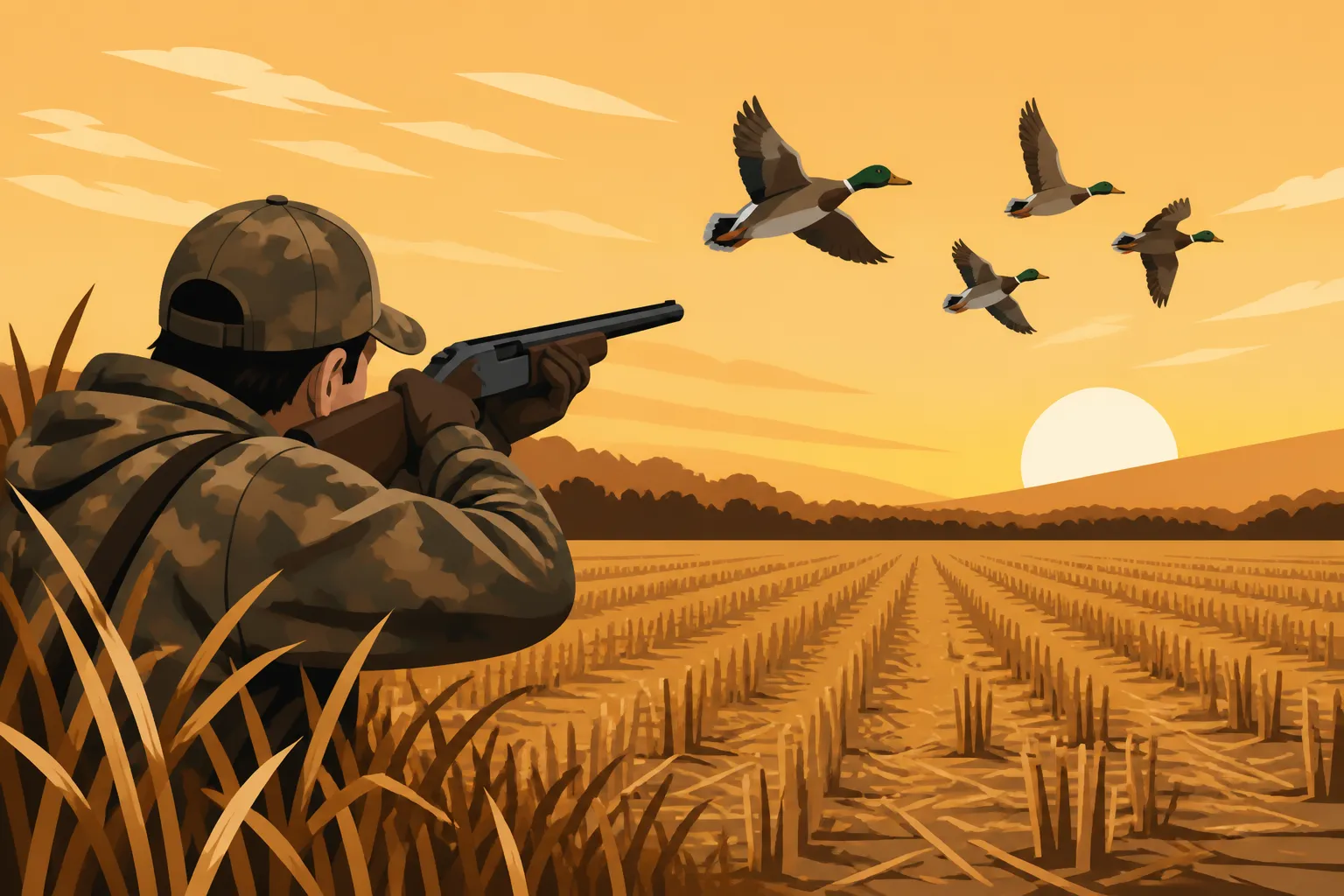
Hunting flooded rice fields after harvest in Arkansas can be one of the most exhilarating yet frustrating experiences for a waterfowl hunter. Many of us arrive before dawn, shivering in the biting wind, only to find the birds are wary, circling high, or simply not showing up where we expected them. It's tough when you've invested time and effort, but the open landscape and often pressured birds make for a unique challenge. This guide will help you understand the dynamics of hunting these expansive, often unforgiving, post-harvest environments and equip you with the strategies to find success.
The Unique Challenge of Hunting Post-Harvest Rice Fields
When the combines roll through the vast fields of the Arkansas Delta, they leave behind a landscape that, to the untrained eye, might look barren. But to millions of migrating waterfowl, especially mallards, pintails, and various species of geese, these stubble fields become critical feeding grounds. Understanding why they use these areas and the specific challenges they present is the first step toward filling your strap.
Why Ducks and Geese Are Drawn to Stubble
After the rice is harvested, a significant amount of grain, known as "waste grain," remains scattered across the fields. This waste grain is an absolute goldmine for migrating waterfowl, providing a high-energy food source they desperately need to fuel their long journeys and survive the cold Arkansas winters. While some fields are re-flooded specifically for hunting, many are simply wet from natural rainfall or irrigation, making the fallen rice accessible. Ducks and geese learn quickly where these easy meals are found, and they'll return to the same general areas day after day until the food source is depleted or the pressure becomes too high. The sheer abundance of this food is a primary reason why Arkansas is such a magnet for birds on the Mississippi Flyway.
Beyond the food, these open expanses offer a sense of security. While timber offers protection from predators and wind, vast open fields provide excellent visibility. Ducks and geese can spot danger from a long way off, making them incredibly wary, especially as the season progresses and they've encountered countless hunters. This is a crucial distinction from hunting in timber, where birds are often lower and commitment can be quicker. In rice, they circle, they climb, and they often seem to "lock up" miles away, making hunters question every decoy, every call, and every bit of exposed skin. This natural inclination for security in open areas is a core challenge we face when setting up.
Common Frustrations and What to Expect
Let's be real, hunting cut rice isn't always pretty. One of the biggest frustrations is the sheer lack of natural cover. Unlike the timber where you can lean against a tree or the river bottom with its brushy edges, a rice field often offers nothing but stubble. This means bringing your own concealment, which can be a monumental task when you’re already hauling decoys, guns, and gear across muddy terrain. The birds are often incredibly "high-hatted," meaning they circle at dizzying altitudes, peering down at every detail. They’ve seen it all, from poorly hidden blinds to shining faces, and they're quick to flare at the slightest imperfection.
Another common headache is the mud. Oh, the mud! Depending on rainfall and whether the field is actively flooded, you could be dealing with anything from ankle-deep mire to knee-deep slop. This makes accessing your hunting spot, deploying decoys, and retrieving birds an absolute slog. It wears you out faster than you think and can lead to equipment issues if you're not prepared. Then there's the wind; these open fields are often exposed to strong, gusty winds that can make calling difficult, push decoys out of position, and simply make for a miserable hunt if you're not dressed properly. Expect to work hard, walk far, and constantly battle the elements, but also anticipate the incredible reward when a flock of mallards finally commits and drops into your spread.
Scouting and Setting Your Strategy in the Open
Success in post-harvest rice fields often hinges less on fancy calling and more on meticulous scouting and thoughtful setup. You simply can't out-call a bad location, especially when dealing with intelligent, pressured birds that have seen plenty of action by the time they hit the Arkansas Delta.
Identifying Key Areas and Patterns
Before you even think about setting a decoy, you need to understand where the birds want to be. This means thorough, diligent scouting. Spend time driving backroads, using optics to scan fields, and watching flight patterns. Pay close attention to areas where large numbers of ducks and geese are consistently feeding. Look for concentrations of waste grain—sometimes these are obvious piles, other times it’s just a section of a field that got missed during harvest or has slightly lower spots where water collects. Don't be afraid to pull over and watch. If birds are pitching into a particular corner or near a specific ditch, that's your starting point.
Consider factors like wind direction and historical feeding patterns. Birds typically prefer to land into the wind, so knowing the prevailing winds for your hunt day will help you orient your setup. Also, be aware that birds often have "safe zones" within large fields where they feel less pressured. These might be distant corners, areas near a thick levee or tree line, or sections of the field that are harder for hunters to access. Using mapping apps like GoHunt can be invaluable here. Its satellite imagery and landowner data can help you identify potential access points, ditches, and unique features in an otherwise monotonous landscape. Remember, the birds will tell you where they want to be, you just have to listen. For tips on scouting before the season even begins, check out our guide on Scouting Arkansas Public Land Before Season.
Concealment is King: Blinds and Cover
In an environment as open as a cut rice field, concealment is paramount. If the birds see you, they're gone. Period. This means you need a blind that blends seamlessly with the surroundings. Layout blinds are incredibly effective, as they keep you low to the ground and can be brushed in with stubble from the field itself. Ensure your blind material matches the color of the dry stubble or the muddy ground. Natural cover is almost nonexistent, so you'll often have to create your own. This might involve cutting rice stubble or using artificial grass mats to cover your blinds, making sure there are no unnatural straight lines or shiny spots.
Consider your entire setup from the bird's perspective. Are there any shadows that stick out? Is your face shining in the morning sun? Even the smallest details can flare birds. We've all been there, thinking we're perfectly hidden, only to watch a flock hover out of range, craning their necks, and then flaring wildly. It's a frustrating but common experience that reinforces the need for meticulous concealment. If you’re hunting near a levee or a slight rise in the field, these can offer a bit more cover to work with, allowing you to Brushing In a Blind on a Levee more effectively, but still require significant effort to disappear.
Here's a quick comparison of popular blind types for rice field hunting:
| Blind Type | Pros | Cons | Best Use Case |
|---|---|---|---|
| Layout Blind | Excellent low-profile concealment, portable | Can be wet/muddy, limited movement, setup time | Ideal for open fields, maximum concealment |
| Panel Blind | Versatile configurations, good concealment | Heavier to transport, can cast shadows | Good for edges of fields, larger groups, variable cover |
| A-Frame Blind | Allows standing/sitting, good social space | Very visible if not perfectly brushed, heavy | Larger groups, longer hunts, where good brushing is possible |
| Pit Blind (Built) | Permanent, ultimate concealment, comfortable | Requires significant effort to build, fixed location | Private land, highly consistent spots, year-over-year use |
No matter the type, ensure it's fully brushed in and tested against the sky. A quick selfie of your setup from a low angle can reveal glaring holes you might miss from inside.
Decoy Spreads and Calling Techniques for Rice Fields
Once you've found the X and have your concealment dialed in, it's time to focus on attracting those wary birds. Rice fields often demand different decoy strategies and calling approaches than timber holes or open water.
Large Spreads for Maximum Attraction
In the vast expanse of a cut rice field, a small spread of decoys can simply disappear. To grab the attention of high-flying ducks and geese, you need volume. We're talking about large spreads, often 100-200+ duck decoys, complemented by a solid number of goose decoys if you're targeting those as well. The goal is to create a visible beacon, something that shouts "food and safety" from a long distance. Motion decoys, like spinning wing models or jerk cords, are absolutely crucial here. That flash and movement catch the birds' eyes from far off, breaking up the static look of a traditional spread and mimicking alive, contented birds.
Think about creating distinct landing zones within your spread. Ducks typically prefer to land into the wind, so set your decoys to leave an open pocket in front of your blinds. For geese, especially specklebellies, larger, more spaced-out spreads tend to work better, mimicking their natural feeding patterns. If you're targeting multiple species, consider dedicated areas within your spread for ducks and geese, or a mixed spread with larger "families" of similar species. The key is realism and visibility. Given the open nature of these fields, ducks and geese can spot abnormalities in your spread from far off. For more on decoying in specific field types, check out Setting a Spread on a Levee or even Specklebelly Hunting in Arkansas Fields.
Reading Birds and Adjusting Your Calls
Calling in open rice fields is an art form. You're not trying to bring birds into a tight timber hole; you're often trying to coax them down from thousands of feet in the air. This requires strong, commanding hail calls to get their attention, followed by a range of softer, more contented clucks and quacks as they approach. Watch the birds' reaction intently. Are they working? Are they looking at your decoys? Are they gaining or losing altitude? Their behavior will tell you how to adjust your calling.
One common mistake is over-calling. Once birds commit and start working, often less is more. Switch to quiet feed calls, soft quacks, and contented murmurs. These sounds reinforce the idea of a peaceful, safe feeding ground. If they start to drift or climb, a well-timed comeback call or a slightly louder series of quacks can sometimes pull them back. For geese, a series of sharp, excited clucks can be incredibly effective, especially for specklebellies. Don't be afraid to experiment, but always prioritize realistic sounds over sheer volume, especially when birds are close. Understanding the seasonal movements and calls can make a big difference, so dive into our guide on Duck Migration Timing Into Arkansas to help you anticipate bird behavior.
Essential Gear and Safety Considerations
Hunting cut rice fields can be physically demanding and expose you to the elements. Having the right gear isn't just about comfort; it's about safety and effectiveness.
Staying Warm, Dry, and Mobile
The cold can be brutal in open rice fields. Layering is non-negotiable. Start with good moisture-wicking base layers, add insulating mid-layers, and top it off with a waterproof and windproof outer shell in a camouflage pattern that matches the field. Quality waterproof boots are a must – not just water-resistant, but truly waterproof and tall enough for the mud and shallow water you'll encounter. Neoprene waders are often preferred over breathable waders for their insulating properties in cold, wet conditions. Don't forget a warm hat, gloves, and even hand warmers. Being cold and wet not only makes for a miserable hunt but also impacts your ability to remain still and shoot accurately.
Mobility is also key. While some hunts might involve sitting in a permanent pit blind, many rice field hunts require walking long distances, often through thick mud. Lightweight decoys and portable blind solutions can make a huge difference in your endurance. Consider a sturdy decoy sled or backpack to transport your gear efficiently. When moving through dense stubble, pay attention to where you step; hidden irrigation pipes or holes can lead to twisted ankles. Always let someone know your hunting location and expected return time, especially if you're hunting alone.
Navigating the Elements and Public Land Rules
Arkansas weather can be famously unpredictable, especially during duck season. One day it's mild and sunny, the next it's a driving rain or freezing sleet. Being prepared for everything is crucial. This includes knowing when to call it quits if conditions become unsafe, like severe thunderstorms or dangerously slick ice. Always have a fully charged phone and a reliable GPS device, like the one in your GoHunt app, especially if you're unfamiliar with the area or hunting on public land where it's easy to get disoriented in the vast, similar-looking fields.
If you're hunting public access rice fields, like those found within certain Wildlife Management Areas (WMAs), it's imperative to know the specific regulations. These can include rules about Arkansas WMA Duck Hunt Draws, vehicle access, blind construction, and even shooting hours. Always check the current Arkansas Game and Fish Commission (AGFC) regulations beforehand. Public land often means more pressure, so being the first one in, or finding a spot others overlook, can give you an edge. Also, remember that Nontoxic Shot Rules in Arkansas are in effect statewide for waterfowl hunting, so make sure your shells comply. Respecting these rules and other hunters ensures everyone has a safer, more enjoyable season.
Before heading out, make sure you understand the current Arkansas Duck Daily Bag Limit for the species you're pursuing and all other Arkansas Waterfowl Seasons and Zones information. Staying informed helps keep you and other hunters safe and legal.
Disclaimer
Hunting is an inherently dangerous activity. Always prioritize safety, follow all local, state, and federal regulations, and obtain proper licenses and permits. This guide is for informational purposes only and does not substitute for professional instruction or personal due diligence regarding safety, equipment, or legal requirements. Ensure you have landowner permission before hunting on private property.