Flooded Rice Versus Green Timber
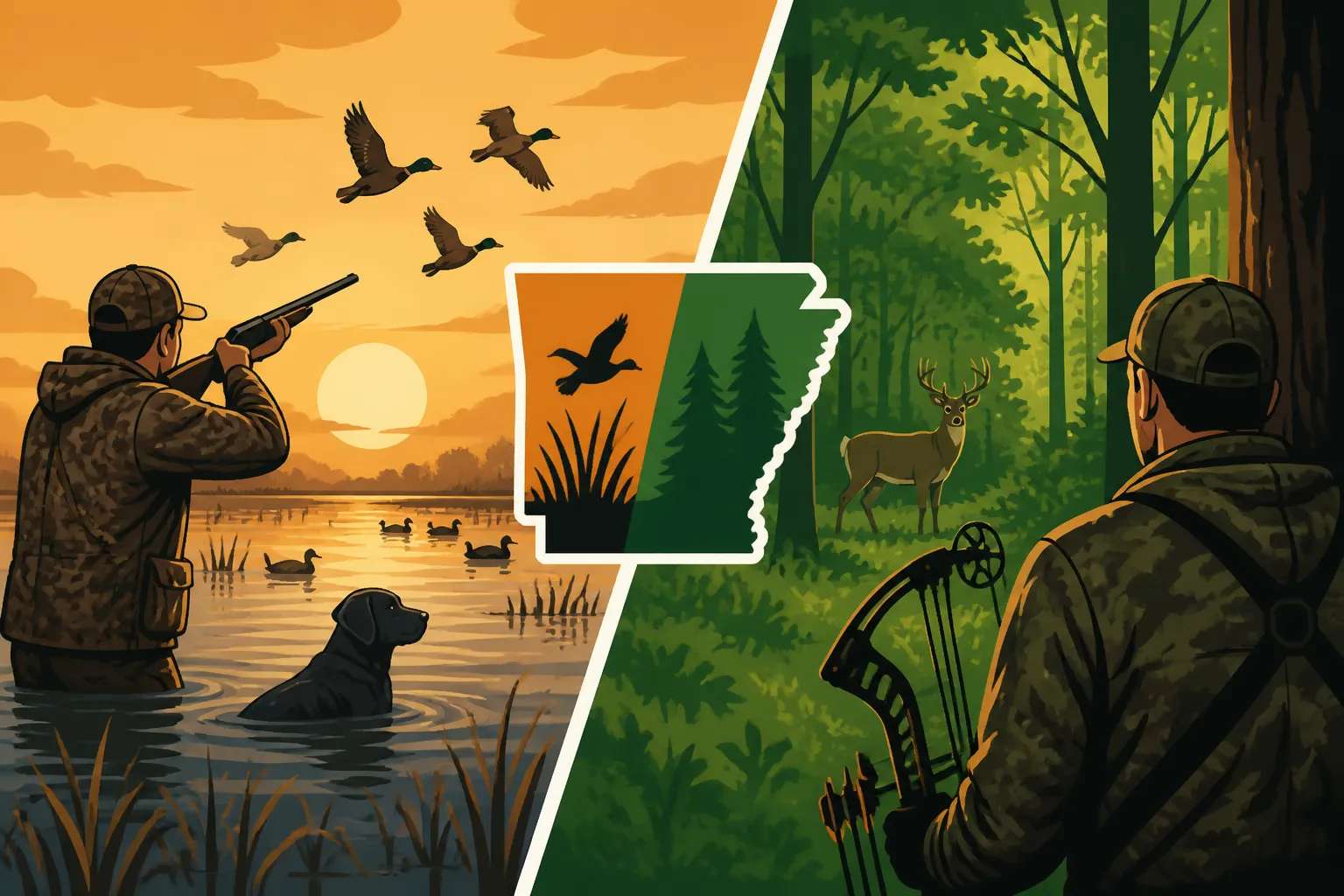
For many duck hunters dreaming of Arkansas, the image that often comes to mind is a mosaic of flooded green timber and expansive rice fields, each promising a different, yet equally thrilling, experience. The challenge, however, is understanding the profound differences between these two iconic habitats and knowing which approach to take for a successful hunt. This guide aims to peel back the layers, offering a deep dive into the distinct characteristics, strategies, and joys of hunting flooded rice versus green timber, helping you prepare for either quintessential Arkansas waterfowl adventure.
Understanding the Fundamental Differences Between Green Timber and Flooded Rice
Arkansas is truly a waterfowl hunter's paradise, primarily due to the unique convergence of the Mississippi Flyway with a diverse array of wetland habitats. But not all duck hunting in Arkansas is created equal, and the experience shifts dramatically whether you're chasing birds through towering oaks or hiding on a levee in a vast agricultural field. The core distinction lies in habitat, water depth, visibility, and ultimately, how ducks use these areas, which in turn dictates your tactics.
Habitat and Duck Behavior Dynamics
Green timber hunting, as the name suggests, takes place in flooded forests, typically bottomland hardwoods like oak, pecan, and cypress. The water depth can vary wildly, from ankle-deep to waist-deep or even higher, and the trees provide natural cover and structure. Ducks, primarily mallards and wood ducks, are drawn to the acorns and other mast crops that fall from these trees. They feel secure in the timber, using the canopy for protection from aerial predators and the dense cover for loafing and feeding. The intimate nature of timber hunting means ducks often pitch right into the decoys, offering close-range shots and an intensely personal experience. It's often a game of patience, waiting for small groups to work their way through the trees.
On the flip side, flooded rice fields are open, agricultural landscapes intentionally flooded after harvest. These fields are typically shallow, often just a few inches to a foot or so deep, making them ideal for dabbling ducks to feed on waste grain. While mallards are certainly prevalent, you'll also encounter a wider variety of species, including pintails, wigeon, gadwall, and an abundance of specklebellies and snow geese. The lack of natural cover means hunters rely on layout blinds, panel blinds, or heavily brushed pits along levees. Ducks approaching these fields are often higher and warier, requiring larger decoy spreads, aggressive calling, and expert flagging to pull them down. It’s a completely different visual and auditory experience, often characterized by waves of birds working distant spreads before committing.
Decoy Spreads and Calling Styles
In green timber, the emphasis is on realism and creating a "landing zone." Because visibility is limited by the trees, you don't need a massive spread. A dozen or two highly realistic decoys, often weighted for deeper water, are more than sufficient. The key is to arrange them naturally in a small pocket or opening within the trees, simulating a relaxed group of feeding ducks. Motion decoys like jerk cords are incredibly effective here, as the subtle movement helps ducks pinpoint your spread through the dense canopy. When it comes to calling, the tight confines of the timber demand a more subtle, conversational approach. Soft greeting calls, feeding chuckles, and lonesome hen calls that mimic contentment are far more effective than loud, aggressive hailing calls, which can sound unnatural and blow birds out of the area. It's about coaxing them in, not flagging them down from a mile away. You can learn more about how Calling Ducks in Tight Arkansas Timber differs from open water strategies.
For flooded rice fields, it's often a case of "the more, the merrier." With wide-open skies and excellent visibility, you need a large, eye-catching spread to draw attention from distant birds. Spreads of 100, 200, or even 500+ decoys are common, often including large numbers of full-body field decoys for geese and duck floaters. Motion is paramount, with spinning-wing decoys (like Mojo Outdoors spinners), flappers, and flaggers used aggressively to simulate a bustling feeding frenzy. Calling in rice fields tends to be much louder and more assertive. You'll use strong hailing calls to get the attention of high-flying flocks, followed by rapid comeback calls and excited feeding sounds as they start to commit. The goal is to paint a picture of safety and abundance that can be seen and heard from afar. When you’re considering Hunting Rice Fields and Levees, remember that these strategies are key.
The Allure and Intricacies of Green Timber Duck Hunting
There's an almost mystical quality to hunting ducks in flooded green timber that captures the imagination of many a waterfowler. It's an immersive experience that harkens back to the roots of duck hunting in the South, and for good reason. The tight cover, the echoes of calls bouncing off ancient trees, and the close-up encounters with landing mallards create unforgettable memories.
Navigating the Timber and Setting the Scene
Hunting in green timber is physically demanding and requires a keen understanding of the environment. Unlike open fields, access can be tricky, often involving wading through varying water depths, navigating submerged logs, and pushing through thick brush. Many hunters rely on specialized timber boats or even kayaks to get to their desired holes, then transition to wading once in position. Before the hunt, scouting is absolutely critical. You need to identify key feeding areas, preferred roosting spots, and flight lanes within the trees. Using a mapping application like GoHunt can be invaluable here, allowing you to mark potential access points, timber holes, and areas of high duck activity from past seasons. When the water is up, ducks will follow specific Entry Routes Through Flooded Timber.
Once you've found your "hole" – a pocket of relatively open water within the timber – the next step is to set up your position. Blinds are usually natural, simply leaning against a tree or using existing brush for concealment. Decoy placement is subtle but important. You're trying to create a welcoming, natural landing strip, often with a "pocket" where birds will naturally want to settle. Think about where the wind will bring the ducks in and set your decoys so that they are coming over your blind or setup, presenting easy shots. Often, a few decoys just outside the main group, mimicking stragglers, can add to the realism.
Calling and Shooting in Close Quarters
The magic of green timber hunting often lies in the calling. It's a conversation with the birds, a delicate dance of sound that requires finesse rather than volume. Soft, contented quacks, subtle feeding chatter, and a well-timed lonesome hen call are your best tools. The goal is to reassure ducks already in the area or slowly working their way in, not to shout at birds a mile away. The sound carries differently through the dense woods; it seems to hang in the air, allowing ducks to pinpoint the source. Learning How Timber Calling Differs From Open Water is a crucial skill for success.
When ducks commit, they often appear silently, weaving through the trees before dropping into the decoys. The shots are typically close-range, requiring quick reflexes and accurate gun handling in tight spaces. Hunters need to be mindful of their shooting lanes and ensure they have a clear path before pulling the trigger. The thrill of a flock of mallards back-pedaling into your setup, wings cupped, feet down, within mere yards, is an unparalleled experience that truly defines Hunting Arkansas Flooded Green Timber. It's a testament to the skill involved in bringing birds in so close.
Mastering the Challenge of Flooded Rice Field Duck Hunting
While green timber offers intimacy, flooded rice fields offer spectacle. The sheer volume of birds, the vastness of the landscape, and the distinct strategies involved make it a different, yet equally rewarding, pursuit. For many, this is the classic "Stuttgart experience."
Wide-Open Spaces and Large Spreads
Hunting flooded rice fields means dealing with wide-open spaces and often, wary birds that have seen every trick in the book. Unlike the natural cover of timber, you're exposed to the elements and the keen eyesight of high-flying ducks. This is where well-placed blinds become critical. Layout blinds, positioned directly in the decoy spread, allow hunters to remain completely concealed until the shot. Alternatively, building sturdy, brushed-in panel blinds or dug-out pits along levees provides excellent concealment, especially for larger groups.
The decoy spread is your primary magnet. As mentioned, larger numbers are typically better, creating the illusion of a massive congregation of ducks. Mix in mallard and pintail decoys, and if geese are in the area, don't shy away from adding several dozen full-body specklebelly or snow goose decoys. The more realistic and extensive your spread, the more confident the approaching birds will be. Motion is also key; multiple spinning-wing decoys and experienced flaggers are essential for getting the attention of ducks flying hundreds of yards away. You'll learn a lot about effective decoy use when studying Setting a Spread on a Levee. The flat, reflective water of the rice fields means any unnatural glare or movement will be easily spotted by sharp-eyed birds.
Aggressive Calling and Adapting to Pressure
Calling in rice fields requires a powerful, clear call and a willingness to be aggressive. You're competing with other hunters, distant natural sounds, and the sheer vastness of the open environment. High-pitched hail calls are used to grab attention, followed by a series of excited comeback calls to keep birds locked on your spread. As ducks get closer, you'll transition to feeding chuckles and softer clucks, but always maintaining a sense of urgency and excitement. Being able to adapt your calling style based on how birds are reacting is crucial; sometimes they want volume, other times a more subtle approach will seal the deal.
Duck hunting in flooded rice fields, especially on popular public lands like those often listed on the GoHunt platform, can involve significant hunting pressure. Birds quickly learn to avoid areas where they've been shot at. This means staying concealed, limiting movement, and making sure your calling is on point. Often, the best strategy is to be patient and let the birds work, even if they make several passes. Waiting for the ducks to fully commit and be "in the blocks" before calling the shot will lead to higher success rates and cleaner kills. Hunters often find themselves Hunting Rice Fields After Harvest, taking advantage of the grains left behind.
Choosing Your Hunt: When to Opt for Timber or Fields
Deciding between flooded rice and green timber often boils down to personal preference, the type of experience you're seeking, and current conditions. Both offer phenomenal duck hunting, but they are undeniably different beasts.
Factors to Consider for Your Hunt
- Experience Level and Physicality: Green timber hunting can be more physically demanding due to wading in potentially deep water, navigating obstacles, and often longer, more strenuous retrieves. Flooded rice, especially from a pit blind, might offer an easier physical experience.
- Desired Aesthetic: If you crave the classic, intimate experience of ducks dropping into a secluded pocket of flooded woods, timber is your calling. If you love the spectacle of huge flocks working large spreads against an open sky, rice fields will likely appeal more.
- Weather Conditions: Timber can offer a bit more shelter from biting winds and driving rain, and ducks might seek refuge there during harsh weather. Rice fields, being open, can be brutal in freezing winds. However, sunny, bluebird days can be fantastic in timber, bringing birds out to feed. Conversely, heavy overcast days can be great for rice fields, as ducks often fly lower.
- Species Preference: While mallards are king in both, timber hunting often yields more wood ducks. Rice fields can offer a wider mix of dabblers and are prime for specklebellies and snow geese.
- Equipment: Timber hunting might require waders, specialized boats, and compact decoys. Rice field hunting often necessitates layout blinds, larger decoy bags, and potentially ATVs for hauling gear across fields.
- Public vs. Private Land: Excellent timber hunting can be found on Arkansas Wildlife Management Areas (WMAs) like Bayou Meto WMA. Many prime rice fields are privately leased, though public options exist. You can often find detailed maps and access information on the GoHunt platform to explore various public land opportunities, helping you decide where to focus your efforts. Knowing Arkansas WMA Permits and Draw Hunts is crucial for public land access.
No matter which you choose, a successful hunt in either habitat demands thorough scouting, attention to detail in your setup, and an understanding of duck behavior. Many seasoned Arkansas hunters will tell you that the best strategy often involves doing both, adapting to conditions and bird movement throughout the season. Sometimes, the ducks are just not in the timber, and a switch to the open fields is exactly what you need. Conversely, after a period of intense field pressure, timber might offer a calmer, more productive option. Understanding Arkansas Waterfowl Seasons and Zones will help you plan when and where to maximize your chances in either environment.
| Feature / Habitat | Green Timber Hunting | Flooded Rice Field Hunting |
|---|---|---|
| Primary Habitat | Flooded bottomland hardwood forests | Floated agricultural fields (rice, soybeans) |
| Water Depth | Varies, often moderate to deep (ankle to waist+) | Shallow (few inches to 1 foot) |
| Cover Type | Natural trees, submerged brush | Artificial blinds (layout, panel), levees |
| Decoy Spread Size | Small to moderate (1-3 dozen) | Large to very large (100+ duck/goose) |
| Calling Style | Subtle, conversational, soft feeding chuckles | Loud, aggressive hail calls, excited comeback calls |
| Motion Decoys | Jerk cords, subtle movement | Spinning wings, flappers, aggressive flagging |
| Typical Species | Mallards, Wood Ducks | Mallards, Pintails, Wigeon, Gadwall, Specklebellies, Snow Geese |
| Visibility | Limited, close-range | Wide-open, long-range |
| Physical Demands | Often higher (wading, navigating timber) | Varies (layout blind easy, setting hundreds of decoys hard) |
| Atmosphere | Intimate, traditional, serene | Dynamic, high-energy, fast-paced |
| Primary Challenge | Stealth, working specific pockets, navigation | Overcoming wary birds, heavy pressure, concealment |
Disclaimer
Hunting involves inherent risks, including but not limited to those associated with firearms, outdoor conditions, and wildlife. Always prioritize safety, follow all local, state, and federal hunting regulations, and consider taking a hunter education course. The information provided in this guide is for informational purposes only and does not constitute professional advice. Ensure you have the proper licenses, stamps, and permits before heading afield.