Brushing In a Blind on a Levee
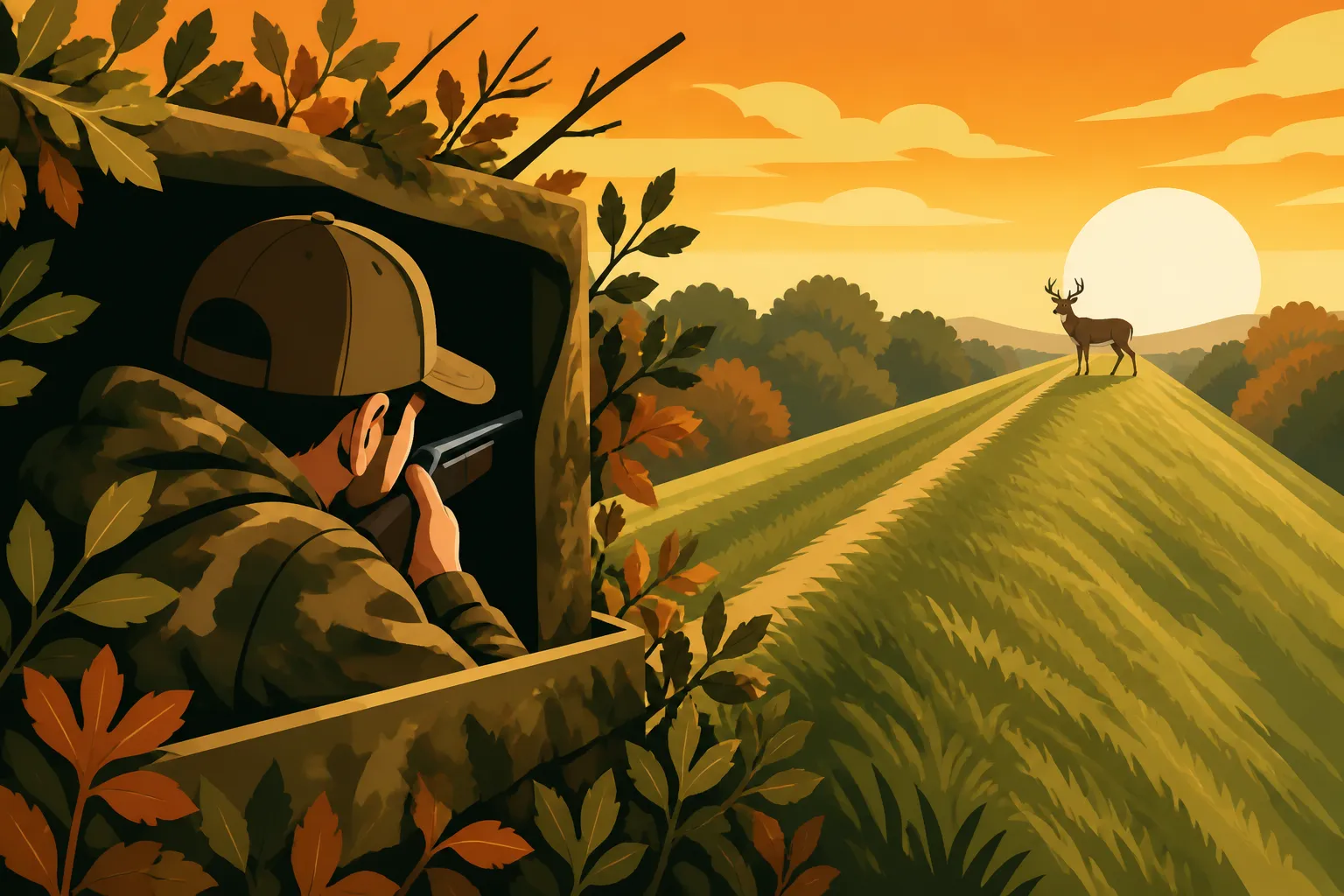
There's nothing quite as deflating as spending hours, maybe even days, scouting out that perfect levee spot, hauling in your gear, and setting up a duck blind, only to have every single flight of mallards flare at 100 yards because your hide looks more like a fort than a natural part of the landscape. We've all been there, staring up at those circling birds, wondering what went wrong. This guide is all about taking the guesswork out of brushing in a blind on a levee, making sure your setup blends seamlessly into the Arkansas Delta, and putting more ducks in your face.
The Unique Challenges and Advantages of Levee Blind Placement
Levees are absolute magnets for ducks, especially in the flat, often featureless landscape of the Arkansas Delta. They provide high ground, often separating flooded timber from open fields, or creating natural travel corridors. But hunting them effectively requires a specific approach to blind concealment.
Why Levees are Duck Magnets
Think about it from a duck's perspective. In a vast expanse of flooded rice fields, bean fields, or even shallow sheet water, a levee often represents the only significant change in elevation. These elevated strips of land can create protected pockets of water on one side, act as windbreaks, or simply serve as a landmark for migrating birds. They’re also perfect ambush points when ducks are transitioning between feeding and resting areas, or moving from a large body of water to a smaller, more intimate hole. Understanding these flight patterns is crucial. You might see ducks using levees as a direct flight path, or simply as a reference point as they navigate the landscape. The key is to be where they want to be, without being seen. When you're scouting, pay close attention to where ducks are flying when they cross these raised features, and consider how a levee might impact wind and sun direction.
Overcoming the Lack of Natural Cover
Here’s the rub with levees: while they’re great for ducks, they’re often pretty terrible for concealment. Many levees, especially those bordering agricultural fields, are kept clear of substantial woody growth. You might find some sparse weeds, maybe a few small saplings, but rarely enough to truly disappear a large duck blind. This lack of inherent cover is the biggest hurdle. You can't just throw up a pop-up blind and expect it to work; it'll stick out like a billboard. This means you, as the hunter, are responsible for bringing in nearly all of your concealment. It's a labor-intensive process, but absolutely non-negotiable for success. If you're on public land, remember to check specific WMA rules regarding cutting vegetation or using artificial materials. Using a tool like GoHunt's map features can help you scout potential areas to source natural materials without trespassing or violating regulations.
Gathering Your Materials and Essential Tools
Before you even think about setting foot on your chosen levee with your blind frame, you need to have a plan for what you’re going to use for brushing and what tools will make the job easier (and safer!). It’s easy to underestimate how much material you’ll actually need, and trust me, making multiple trips back to the truck or home for more brush is the fastest way to sap your motivation.
Sourcing Local, Natural Vegetation
The absolute best material for brushing in your blind is local vegetation. This means finding brush that naturally grows in the area surrounding your chosen levee. If you're hunting along rice or soybean fields, think about cornstalks, milo stalks, or even dried grasses and cattails from drainage ditches. If you’re near timber, look for small saplings, fallen branches with leaves (if they’re still holding on), or even privet hedge. The goal is to mimic what the ducks see every single day. If you’re using cut cornstalks, make sure they’re from fields that have a similar appearance to the one your blind borders. Avoid bringing in materials that look completely foreign to the immediate habitat. For instance, putting dark green pine branches on a levee surrounded by light brown, dried-out marsh grass is going to scream "blind!" You'll often need to harvest a lot more material than you think. A good rule of thumb is to gather at least two to three times what you believe you'll need.
| Material Type | Pros | Cons | Ideal Use |
|---|---|---|---|
| Corn/Milo Stalks | Excellent vertical cover, natural look in farm fields, good density. | Can be brittle, may need frequent refreshing, dusty. | Primary vertical concealment on agricultural levees. |
| Cattails/Reeds | Great for marshy or ditch areas, lightweight, good texture. | Can break down quickly, limited structural support. | Blending edges, adding texture, supplementing other brush. |
| Small Saplings/Branches | Durable, realistic texture, provides structural support. | Heavier, harder to transport, illegal to cut on some public land. | Structural elements, main vertical cover in timbered areas. |
| Artificial Blind Grass | Uniform color, durable, easy to attach. | Can look unnatural if not blended, expensive, not "local." | Base layer, filling in gaps, supplementing natural brush. |
Tools That Make Brushing a Breeze
Having the right tools can turn a frustrating chore into a manageable task. First and foremost, a good pair of heavy-duty limb loppers or a small, sharp saw is essential for cutting brush. Don’t try to break branches by hand; you’ll just end up with jagged, unnatural-looking pieces and sore hands. Next, you'll need plenty of zip ties – and I mean plenty. Get a variety of sizes, from smaller ones for individual stalks to larger, more robust ties for securing bundles of branches to your blind frame. Bungee cords can also be useful for temporarily holding larger pieces in place while you zip-tie them. Gloves are a must, especially if you're dealing with thorny brush or rough stalks that can splinter. A pair of wire cutters, or even a good multi-tool, will come in handy for trimming zip ties after they’re secured. And finally, don’t forget a headlamp if you anticipate working into the evening, or a good set of binoculars to step back and check your work from a distance – this is often overlooked but crucial for seeing your blind through a duck's eyes. You can also utilize scouting apps like GoHunt to mark locations where you've found good brushing material for future reference.
A Step-by-Step Guide to Brushing In Your Levee Blind
Alright, you've got your blind frame set up, your materials are gathered, and your tools are ready. Now comes the art of making that blind disappear. This isn't just about throwing a bunch of brush on it; it's about creating an illusion.
Building a Solid Foundation
The first step is to establish a strong, dense base around the bottom of your blind. This is where most ducks will get their first look as they approach, and a gap at ground level is a glaring red flag. Start by pushing larger, sturdier pieces of brush, like cornstalks or thick saplings, into the ground around the perimeter of your blind. Angle them slightly outward to create a wider footprint and break up the hard lines of the blind's base. If the ground is too hard, you might need to use a sledgehammer or a digging bar to create pilot holes, or simply pile brush horizontally against the base. The goal here is to eliminate any shadows or empty spaces beneath the blind that could give away its presence. Don't be shy with material; density is your friend at this stage. Think about how a deer or a rabbit would disappear in thick cover; you want to replicate that level of concealment.
Layering for Natural Depth and Texture
Once your base is in, start working your way up the blind, layering your brush. Don't just stick everything vertically. Incorporate horizontal pieces, diagonal pieces, and varying heights. This creates natural depth and breaks up the uniform shape of the blind. Start with the coarser, heavier materials at the bottom and work your way up with finer, lighter brush on top. Use your zip ties to secure everything firmly to the blind frame. This is where your creativity comes in. Imagine the wind is blowing; will your brush look like it's naturally swaying, or will it be rigid and fake? Consider leaving some gaps or openings, but not direct sightlines into the blind. Ducks are incredibly perceptive, and a solid, impenetrable wall of brush can look just as unnatural as no brush at all. The goal is to create a dynamic, textured appearance that mimics the random growth of nature. For areas where natural growth is particularly sparse, such as the edge of a well-maintained agricultural field, consider how you might need to augment your natural brush with commercially available blind grass, ensuring it blends seamlessly.
Blending with the Surrounding Environment
This is the most critical step. Once you have the bulk of your brush on the blind, take a step back – way back – and look at it from different angles, especially from the direction you expect ducks to approach. Does it blend in? Are there any obvious straight lines, harsh angles, or unnatural colors? This is where that attention to hyper-local details comes into play. If your levee is surrounded by tall, golden-brown grasses, make sure your blind reflects that color palette and texture. If it's next to green timber, use more woody, leafy material. One common mistake is creating a blind that's too uniform in color or texture. Nature is rarely uniform. Scatter some different types of brush, add some lighter pieces, some darker pieces. If you're on a levee where there are scattered small bushes, try to mimic that pattern on your blind, making it look like a clump of natural growth. You might even consider throwing some natural dirt or mud onto lower sections of the brush to further break up its appearance and make it look weathered. Pay particular attention to the top edge of the blind; a flat, artificial-looking top is a dead giveaway. Use taller, sparser brush along the top to break up the horizon line. Remember that ducks see in color, so your blind must match the exact shades of the landscape.
Maintaining and Adapting Your Levee Blind Throughout the Season
Your work isn't done after the initial brush-in. Arkansas hunting seasons are long, and the Delta landscape changes, sometimes dramatically, with weather and water levels. A blind that's perfectly concealed in October might be glaringly obvious by December.
Refreshing and Repairing Your Concealment
As the season progresses, natural brush will dry out, shed leaves, and break down. Wind, rain, and repeated entries and exits by hunters will all take their toll. You need to make regular trips back to your levee blind to refresh the concealment. This might mean adding new bundles of fresh cornstalks, replacing brittle saplings, or simply weaving in more dried grasses. Keep an eye on the color of your brush; if it starts to turn a completely different shade from the surrounding environment, it’s time for an update. Carrying a small bag of extra zip ties and a few key pieces of brush with you on each hunt is a smart move for quick touch-ups. Remember, diligent maintenance is what separates the consistently successful hunters from those who have one good day and then struggle. You might also find yourself needing to re-tie loose brush after a particularly windy day or a big rain event. Strong storms can absolutely devastate a blind if it's not well-secured.
Adapting to Changing Water and Vegetation Levels
The Arkansas Delta is famous for its fluctuating water levels. A levee that was bone dry early in the season might be partially submerged later on, or vice-versa. This means your blind needs to be adaptable. If water levels rise significantly, the base of your blind might suddenly be exposed, or conversely, a low blind might become too short to see over. You may need to add taller sections of brush or even raise the blind frame slightly if possible. Similarly, as natural vegetation grows or dies back around the levee, your blind needs to match. If surrounding fields are harvested, your blind should look like it belongs in a cut field. If a nearby ditch fills with thick, green growth, you might need to incorporate some of that into your blind. Regularly scouting your spot from a distance, just as a duck would see it, will highlight these issues before they cost you birds. This is where understanding aspects like Reading Water Levels on the White River for larger areas, or just keenly observing your specific levee, becomes vital. Being proactive about these changes will make a huge difference.
Considerations for Hunting Pressure
Arkansas is a popular hunting destination, especially for ducks, and many levees, particularly on public land, see significant hunting pressure. When ducks are pressured, they become incredibly wary. They'll scrutinize every detail, every shadow, every unnatural shape. A well-brushed blind is even more critical in these situations. If you're hunting a high-pressure area, you might need to over-brush your blind, making it even denser and more camouflaged than usual. Consider adding natural elements like mud or even a few scattered rocks if they fit the surroundings, to further break up the outline. Also, pay attention to your entry and exit routes. Trudging through the same spot repeatedly, leaving clear trails or piles of displaced mud, can give away your position just as easily as a poorly brushed blind. Try to vary your routes or approach the blind from the side least visible to incoming birds. Don't forget that Scouting Arkansas Public Land Before Season can give you a leg up on understanding where pressure might be heaviest and what kind of natural cover is available for your levee blind.
Disclaimer
Hunting carries inherent risks, and conditions can change rapidly. Always prioritize safety, follow all Arkansas Game and Fish Commission regulations, and obtain appropriate licenses and permits. This guide provides general information and should not replace professional advice or personal judgment.