Duck Migration Timing Into Arkansas
There's nothing quite like the anticipation of ducks filling the Arkansas skies, but knowing when those flights will truly arrive can feel like trying to predict the future. We've all spent mornings shivering in a blind, wondering if the big push is ever going to hit, and it's a frustration every Arkansas waterfowler understands. The annual duck migration isn't a single event but a complex, ever-shifting puzzle influenced by weather, habitat, and even the birds' own instincts. This guide will help you understand the factors that drive duck migration into our state, so you can better anticipate those prime hunting opportunities and make the most of your time in the timber or flooded fields.
The Complex Dance of Duck Migration into Arkansas
When we talk about duck migration into Arkansas, it's easy to imagine a single, massive wave of birds descending upon us. The reality, however, is far more nuanced and fascinating. It's a prolonged, dynamic process, a grand spectacle that unfolds in stages, driven by a primal urge for survival and perpetuation of the species. Understanding this intricate dance is key to becoming a more successful and less frustrated waterfowler.
Why Ducks Migrate When They Do
Ducks, like most migratory birds, are hardwired to move. Their migration is a strategic response to environmental cues, ensuring they can access sufficient food, suitable breeding grounds, and temperate wintering areas. The journey south to Arkansas and other states along the Mississippi Flyway isn't a random flight; it's a precisely timed expedition dictated by a confluence of factors. Food scarcity is a primary driver; as northern wetlands freeze, crucial food sources like aquatic vegetation, seeds, and invertebrates become inaccessible. Water availability also plays a huge role – if wetlands up north dry up or freeze solid, ducks have no choice but to seek open water further south.
Breeding instincts are another foundational element, though these drive the spring migration north. For our purposes, the lack of breeding conditions or the onset of colder temperatures in their northern breeding grounds triggers the southbound movement. It’s also important to remember that not all ducks are "northern" ducks. Many ducks breed within Arkansas itself, forming a resident population. These local birds don't undertake epic migrations but often shift within the state based on local conditions, sometimes leading to early season opportunities or providing a baseline population even before the major flights arrive.
The Role of the Mississippi Flyway
Arkansas is not just on the Mississippi Flyway; for many species, especially mallards, it’s a critically important wintering destination within it. This flyway acts like a massive funnel, stretching from the arctic tundras of Canada all the way down to the Gulf Coast. As ducks leave their breeding grounds in the Canadian prairies, the Dakotas, Minnesota, and Wisconsin, they begin to filter down this immense aerial highway. Arkansas, with its rich agricultural landscape of flooded rice and bean fields, along with its extensive green timber reservoirs and natural bottomland hardwoods, offers an irresistible haven.
The state's geographic position makes it a natural magnet. We're situated at a point where a significant portion of the flyway’s duck population bottlenecks as they search for prime wintering habitat. This strategic location means that even if some birds peel off to the east or west, a tremendous number will pass through or settle in Arkansas. Different species also tend to follow slightly different routes or have varying tolerances for cold, leading to staggered arrivals. Some, like the earliest teal, might appear almost as soon as the first cool fronts dip down, while others, like many diver ducks, hold out until much later in the season when frigid temperatures truly grip the northern latitudes. The health of the entire flyway, from breeding grounds to wintering habitat, impacts how many birds make it to Arkansas, making the work of conservation groups and agencies vital throughout the entire migration corridor.
Key Factors Influencing Arrival Dates
While the general pattern of migration is predictable – north in spring, south in fall – the exact timing and intensity of duck arrivals in Arkansas can vary wildly from year to year. This unpredictability is what drives hunters crazy, but it's largely due to a few powerful environmental factors that either push birds down or hold them up. Understanding these variables will give you a much better sense of what to expect each season.
Northern Weather Systems and Cold Fronts
If there's one single factor that dictates when the "big ducks" truly arrive in Arkansas, it's the weather, specifically persistent cold fronts and winter conditions in the northern states and Canada. It's a tale as old as time for Arkansas duck hunters: a balmy November with temperatures in the 60s often means local birds are the only game in town, while the skies further north remain filled with unmolested flocks. Ducks are resilient, and as long as they have open water and accessible food sources, they'll often linger as far north as possible to conserve energy.
A single cold front, even a strong one that brings a quick dip in temperature to Arkansas, might spur a minor push of birds, but it rarely triggers the massive, season-making flights. What we really need is sustained, bitter cold that extends deep into the central flyway. When ice-up occurs across Manitoba, Saskatchewan, the Dakotas, and then through Nebraska, Iowa, and Missouri, that's when the true exodus begins. The freezing of major marshes, rivers, and lakes up north leaves ducks with no choice but to pack their bags and head south. This continuous pressure is what drives wave after wave of new birds into our state. You can often track these movements by monitoring weather patterns, not just in Arkansas, but hundreds of miles to our north. When you see extended forecasts for freezing temperatures and snow across the upper Midwest, that's when you should start getting truly excited.
Local Habitat Conditions in Arkansas
Even with strong northern pushes, the local conditions right here in Arkansas play a critical role in whether those migrating ducks decide to stay or keep flying. Ducks are smart; they're looking for prime real estate, and that means abundant food and safe roosting areas. If Arkansas's traditional wintering grounds aren't ready, birds might overfly or simply spread out across less ideal habitat.
Water levels in the Delta are paramount. For the iconic green timber hunting, controlled flooding of areas like Bayou Meto WMA or privately managed timber holes is essential. Ducks need sufficient water depth to feed on submerged acorns and aquatic vegetation. If timber is dry or too shallow, they'll look elsewhere. Similarly, for those hunting flooded rice and bean fields, timely rainfall or irrigation is crucial. Farmers typically harvest their crops by late fall, leaving behind waste grain that ducks absolutely love. But if those fields aren't adequately flooded, the grain isn't accessible, and the birds won't stick around. Reading Water Levels on the White River can give you an idea of how critical water management is in specific areas.
Food availability, beyond just water levels, is also key. A banner year for red oak acorns in our bottomland hardwoods can hold thousands of birds, even if other factors aren't perfect. Similarly, a region with ample waste grain in agricultural fields acts as a powerful draw. Conversely, if local habitat conditions are poor due to drought, late harvests, or insufficient water management, the birds might continue their journey south to Louisiana or Texas, or they might simply scatter across a wider area, making them harder to find and hunt. These local conditions, combined with the northern weather, create the dynamic picture of migration each season.
Typical Migration Waves for Key Species
While we often generalize about "ducks" arriving, the reality is that different species adhere to their own migratory schedules, influenced by their individual physiology, preferred food sources, and tolerance for cold. This means the duck population in Arkansas isn't static; it changes throughout the season as new waves of birds arrive.
Early Arrivals: Teal, Gadwall, Wigeon
The earliest indicators of the fall migration usually come in the form of teal. Green-winged and blue-winged teal are often the first to feel the chill of early autumn, and their arrival can sometimes be quite noticeable even before the regular duck season opens. This is precisely why Arkansas has a special Arkansas's September Teal Season. These fast-flying, smaller ducks are less cold-hardy and are quick to head south at the first sustained cool spell, often passing through or pausing in Arkansas before continuing further down the flyway.
Following the teal, often in the early part of the regular duck season (typically November), you'll start to see increased numbers of gadwalls and American wigeon. These birds are a bit hardier than teal but still prefer milder temperatures. They often mix with local birds, providing good shooting opportunities in both flooded timber and agricultural fields. While they might not garner the same iconic status as mallards, they are a vital part of the early season bag and often signal that the larger migration is indeed underway, even if the "big push" hasn't yet materialized.
The Main Event: Mallards and Pintails
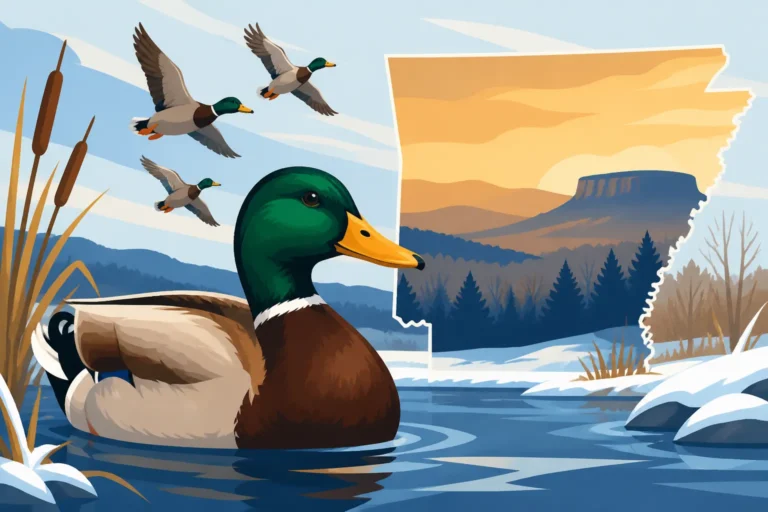
For many Arkansas hunters, the arrival of mallards is the true start of duck season. These are the ducks that fill our green timber reservoirs and light up the sky over rice fields. Mallards are more cold-tolerant than teal or gadwall, and they'll often linger further north until forced out by freezing conditions. This means the major influx of mallards typically occurs later in November and throughout December, directly correlating with those strong, persistent cold fronts we discussed earlier. When the northern states and Canada truly lock up, that's when you can expect to see significant increases in Mallard Numbers Wintering in Arkansas.
Pintails often arrive alongside or just after the main mallard flights. These elegant birds are highly sought after by hunters, and they share a preference for flooded agricultural fields, particularly rice. They tend to be a bit warier than mallards and will often utilize vast, open flooded areas. The numbers of both mallards and pintails can fluctuate dramatically throughout the season, with new birds pushing in after each major cold snap and some older birds potentially moving further south if conditions worsen or hunting pressure becomes too intense. Why Mallards Winter in Arkansas is a fascinating topic, largely revolving around the perfect combination of food, water, and relatively milder winters compared to their breeding grounds.
Late Season Divers and Other Species
As the season progresses into late December and January, and temperatures truly plummet, you'll start to see a greater proportion of "hardier" ducks, including various diving ducks and often an increase in specklebelly geese. Diver ducks like ring-necked ducks, scaup (bluebills), and canvasbacks, along with buffleheads and goldeneyes, are built for colder conditions and often prefer large, open bodies of water like reservoirs, oxbow lakes, and deeper river channels. Diver Ducks on Arkansas Reservoirs highlights where these birds can often be found. Their arrival usually means winter has firmly taken hold across the flyway.
January, especially after the Christmas holiday season, can often bring some of the most consistent hunting, as sustained cold up north keeps birds pushed down and relatively contained to accessible open water. While the initial large waves might have passed, fresh birds continue to trickle in throughout the season, replenishing populations as older birds are harvested or move. Understanding these species-specific arrival patterns allows you to tailor your hunting approach, focusing on different habitats and tactics as the season progresses.
Tools and Strategies for Tracking the Migration
Knowing the general trends and factors is one thing, but how do you apply that knowledge in real-time to maximize your hunting success? The good news is that modern technology and good old-fashioned scouting provide powerful tools for staying on top of the duck migration.
Monitoring Weather and Online Resources
One of the most effective ways to anticipate duck arrivals is to become a meteorologist, at least for the upper Mississippi Flyway. Pay close attention to long-range forecasts for states like North Dakota, South Dakota, Nebraska, Iowa, Minnesota, and Wisconsin, as well as the Canadian prairies. Look for multi-day periods of below-freezing temperatures, significant snow events, and persistent cold fronts. These are the engines that drive ducks south. You don't need to be a professional, just aware.
Beyond general weather apps, numerous online resources can aid your migration tracking. Many hunting and conservation organizations publish weekly waterfowl reports that provide invaluable insights into bird numbers, species composition, and habitat conditions across different regions of the flyway. Platforms and communities like those found on GoHunt can be excellent places to gather real-time intelligence, observe weather trends, and read reports from other hunters further north. While these reports are always a snapshot and can be subjective, they can collectively paint a clearer picture of migratory movements. Checking Arkansas Duck Counts and Aerial Surveys from the Arkansas Game and Fish Commission can also give you a broader, data-driven perspective on what's happening statewide.
Scouting and Local Intelligence
No amount of online research can replace boots-on-the-ground (or waders-in-the-water) scouting. Local intelligence is gold. If you have the opportunity, drive around the areas you plan to hunt. Look for new ducks in unexpected places, observe flight patterns, and note any changes in water levels or food sources. Even a quick drive around flooded fields or timber blocks can reveal whether new birds have arrived. Observing how ducks are utilizing different habitats locally can tell you a lot about current conditions and food preferences. You might notice that fresh birds are flying higher or acting warier than resident ducks, indicating a recent arrival.
Building a network of contacts — fellow hunters, farmers, or even folks who live near prime habitat — can also be incredibly beneficial. Their observations about bird numbers or recent movements can often confirm or contradict what you're seeing online. Pay attention to how the birds are reacting to hunting pressure in different areas. New, unpressured birds are often more vulnerable, while those that have been hunted hard for weeks will be far warier. Remember, effective Scouting Arkansas Public Land Before Season is not just about finding sign; it's about understanding the seasonal rhythm of the birds and the land. By combining northern weather monitoring with local intelligence and online resources, you'll be as prepared as possible for those incredible flights when they finally arrive.
Here's a quick overview of typical duck arrival windows in Arkansas, keeping in mind that these are highly variable based on real-time conditions:
| Species | Typical First Arrivals (Earliest) | Peak Migration (Main Influx) | Late Season Presence (Hardy Birds) | Preferred Habitat |
|---|---|---|---|---|
| Green-winged Teal | Mid-September | Early October – Mid-November | Diminishing by December | Shallow flooded fields, ditches |
| Blue-winged Teal | Early September | Late September – October | Mostly departed by November | Shallow flooded fields, marsh |
| Gadwall | Early November | Mid-November – December | Good through January | Flooded fields, timber edges |
| American Wigeon | Early November | Mid-November – December | Good through January | Flooded fields, timber edges |
| Mallard | Mid-November | Late November – Mid-January | Strong through January | Flooded timber, rice fields |
| Northern Pintail | Mid-November | Late November – Mid-December | Declining by January | Open flooded rice fields |
| Wood Duck | Resident, early migrant | Good through mid-November | Present, but less numerous | Timber, wooded creeks |
| Ring-necked Duck | Late November | December – Mid-January | Strong through January | Reservoirs, deeper sloughs |
| Scaup (Bluebill) | Early December | December – January | Strong through January | Large lakes, open water |
| Canvasback | Early December | December – Mid-January | Strong through January | Large lakes, open water |
Disclaimer
This article is for general informational purposes only and does not constitute professional advice. Laws, prices and regulations vary by location and change over time. Consult a qualified professional for guidance on your specific situation.