Arkansas Elk Range and Viewing
The majestic return of elk to Arkansas is one of the state's true conservation triumphs, but knowing where and when to catch a glimpse of these incredible animals can feel like searching for a needle in a haystack for many folks. It’s easy to get frustrated if you spend hours driving around, hoping for a sighting, and come up empty-handed. This guide is designed to help you understand where Arkansas’s elk roam, the best times to find them, and how to enjoy their presence responsibly, turning your next outing into a memorable wildlife encounter.
The Return of Arkansas Elk: A Conservation Success Story
It’s almost hard to imagine a time when the bugle of an elk didn’t echo through the Ozark mountains, but for many years, these magnificent creatures were entirely absent from our state. Their journey back to Arkansas is a testament to dedicated conservation efforts and the resilience of wildlife.
A Legacy Reclaimed: Historical Presence and Decline
Long before European settlers arrived, elk roamed widely across Arkansas. They were an integral part of the natural landscape, with their large size and distinctive calls shaping the wilderness experience. However, a combination of unregulated hunting and widespread habitat destruction during the 18th and 19th centuries led to their extirpation from the state. By the late 1800s, Arkansas's elk population was completely wiped out. The wilderness felt a profound void without them, a silent reminder of what had been lost. For decades, only historical accounts and old tales spoke of these giants in "The Natural State."
The Reintroduction Effort: Bringing Them Back Home
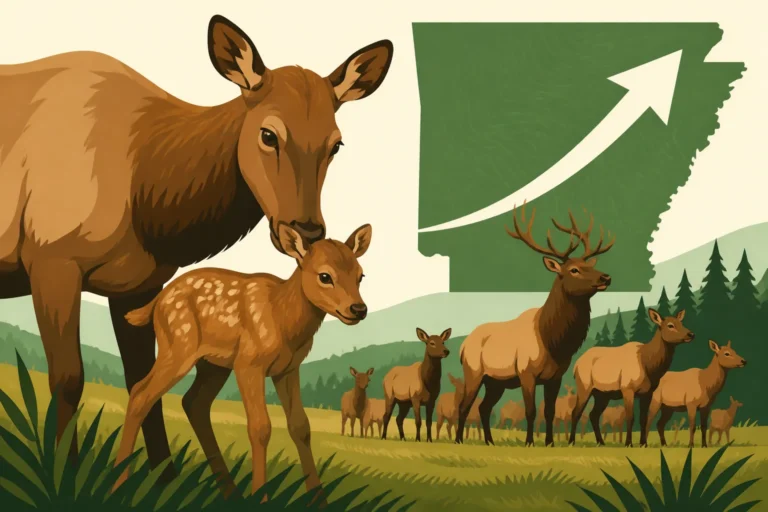
The dream of bringing elk back to Arkansas finally began to materialize in the early 1980s. Spearheaded by the Arkansas Game and Fish Commission (AGFC) and working in cooperation with the National Park Service, a bold reintroduction program was launched. Between 1981 and 1985, a total of 112 Rocky Mountain elk were transplanted from Colorado and Nebraska to a designated release site in Newton County, deep within the Buffalo River drainage. The goal was to establish a self-sustaining herd in an environment that once again offered suitable habitat. The initial years were crucial, with biologists monitoring the animals closely, observing their adaptation to the Arkansas landscape. This monumental effort marked a new chapter for Arkansas wildlife, allowing the state to reclaim a significant piece of its natural heritage. The success of the reintroduction has been remarkable, transforming the area into a vibrant ecosystem where elk now thrive, solidifying a lasting legacy for future generations. If you’re interested in the specifics, you can dive deeper into the Arkansas Elk Reintroduction History and learn precisely When Elk Came Back to Arkansas.
Where the Wild Things Roam: Arkansas Elk Range
While the idea of elk in Arkansas might conjure images of vast, untouched wilderness, their primary range is quite specific, centered around one of our state’s most iconic natural treasures. Understanding this core area, as well as the peripheral zones, is key to successful viewing.
The Buffalo River Corridor: Core Elk Habitat
The heart of Arkansas elk country is undoubtedly the Buffalo River National Park corridor, particularly in the counties of Newton and Boone. This area provides an ideal mix of habitat that these magnificent animals absolutely thrive in. Here, you'll find a beautiful mosaic of open fields, often old homesteads or agricultural lands, interspersed with dense hardwood forests, rocky bluffs, and clear spring-fed streams. The open areas offer prime grazing opportunities, rich with grasses and forbs, while the surrounding woodlands provide essential cover for bedding, calving, and escaping the elements or perceived threats.
Specific valleys along the Buffalo River, such as Boxley Valley, Ponca, and Pruitt, are renowned for their consistent elk sightings. These natural clearings, often bordered by steep, forested hillsides, act like magnets for elk, especially during the early morning and late evening hours when they emerge to feed. The accessibility of these locations, combined with the elk's tendency to utilize these open spaces, makes them premier viewing destinations. The river itself, with its pristine waters and lush banks, also contributes to the overall health and appeal of this unique elk habitat. If you want to know more about the specifics of the herd that calls this area home, check out information on The Buffalo River Elk Herd.
Expanding Horizons: Peripheral Zones and Wanderings
While the Buffalo River corridor remains the undisputed epicenter of Arkansas's elk population, these animals aren't always content to stay strictly within those boundaries. As the herd has grown and individual elk seek out new territories, it's not uncommon for them to venture into surrounding areas. The Ozark National Forest, which encompasses much of the land adjacent to the Buffalo River National Park, serves as an extended, though less concentrated, range for elk. Here, you might find smaller, more transient groups, or even solitary bulls pushing the boundaries.
Wildlife Management Areas (WMAs) like Gene Rush WMA, which borders portions of the Buffalo River area, also provide potential habitat. These peripheral zones are often characterized by more rugged, forested terrain, making elk sightings less frequent and requiring more effort and keen observation. Young bulls, in particular, are known for their exploratory nature, sometimes traveling considerable distances in search of new stomping grounds or potential mates. While you won't find the large, easily visible herds you might see in Boxley Valley, these areas offer a chance for a more wild and unexpected encounter for those willing to venture off the beaten path. Using advanced mapping tools, like those offered by GoHunt, can be incredibly helpful for analyzing terrain, identifying potential travel corridors, and even locating food sources in these less-traveled areas, giving you an edge in finding those more elusive elk. For specific details on WMAs in elk country, you can explore the Gene Rush WMA and Elk Country resources.
Elk Viewing in Arkansas: Best Places and Times
Catching sight of a wild elk is an unforgettable experience, and with a little planning, you can significantly increase your chances in Arkansas. It’s not just about being in the right place, but also at the right time.
Prime Viewing Locations: Where to Set Your Sights
When it comes to reliably spotting Arkansas elk, a few locations stand head and shoulders above the rest, largely due to their unique blend of habitat, accessibility, and the elk's predictable patterns.
Boxley Valley: This is often hailed as the undisputed champion of elk viewing in Arkansas. Located near Ponca, Boxley Valley offers expansive open fields where large herds frequently gather to graze, especially in the mornings and evenings. There are designated pull-offs along Highway 43 and Highway 21 that provide safe viewing opportunities. The key here is patience and respect – park off the road, don’t block traffic, and use binoculars or a spotting scope to observe from a distance. The sheer number of elk often found here makes it a top choice, and it's easily where most people get their first glimpse. More specific tips on this location can be found in Arkansas Elk Viewing at Boxley Valley.
Ponca: Just a short drive from Boxley, Ponca offers a more intimate setting, though perhaps with fewer massive herds. The fields and clearings around Ponca are also excellent elk habitat. Access here can be a bit more limited in terms of large pull-offs, but walking some of the smaller trails or finding discreet spots along secondary roads can yield rewarding sightings. It’s common to see smaller groups or even solitary animals here.
Pruitt: Further downriver, the Pruitt area also features open river bottoms and fields that attract elk. While often less crowded than Boxley or Ponca, Pruitt still provides good opportunities, particularly for those looking for a slightly more tranquil viewing experience. There's a scenic overlook that can offer panoramic views, and elk are often seen grazing in the pastures adjacent to the highway.
When visiting any of these spots, remember that elk are wild animals. Their presence isn't guaranteed, and their habits can change. The best approach is to arrive early, just before sunrise, or stay late, until just after sunset, when elk are most active. Always have your binoculars ready, and keep a keen eye on the edges where fields meet the forest, as this is often where they transition between feeding and bedding areas.
Seasonal Strategies: When to Witness the Majesty
Timing your visit can dramatically impact your elk viewing success. Each season offers unique opportunities and challenges.
Fall (Rut): The Bugle's Call (September-October)
Without a doubt, fall, particularly from mid-September through October, is the most exciting time to witness Arkansas elk. This is the breeding season, or rut, when bull elk are at their most active and vocal. The iconic bugle of a bull elk echoing through the Ozarks is an experience you won't soon forget. Bulls will be sparring, herding cows, and constantly challenging rivals, making for incredible photo opportunities and dramatic wildlife viewing. However, this is also the most popular time for visitors, so expect larger crowds, especially in Boxley Valley. You’ll want to arrive extra early to secure a good viewing spot. This period is also when the Arkansas's Buffalo River Elk Permit Draw takes place, adding another layer of excitement for those lucky enough to draw a tag.
Winter: Easier to Spot, Fewer Crowds (November-February)
As the leaves fall and the landscape becomes barer, elk become easier to spot against the dormant vegetation. In winter, they often congregate in larger herds in the open fields, seeking out remaining forage. While the dramatic rutting action is over, the chance of seeing a significant number of animals is high, and the crowds are significantly smaller. This is a peaceful time for viewing, allowing for quiet observation of their daily routines. Just remember to bundle up, as those Ozark mornings can be crisp!
Spring: Calving and Rebirth (March-May)
Spring brings new life to elk country, with cows giving birth to calves, typically in late May or early June. During this sensitive period, cows will often seek secluded, protected areas to calve. While seeing a newborn calf is magical, it’s also a time when disturbing the elk is critically important to avoid. Viewing during spring requires more patience, and you might see smaller, more spread-out groups. It's vital to maintain a respectful distance to ensure the safety and well-being of the vulnerable young. Learning about Elk Calving and Herd Growth can provide valuable insights into this delicate phase.
Summer: Lush Greenery and Velvet Antlers (June-August)
Summer offers a beautiful, verdant backdrop for elk viewing, but it can also be the most challenging season. Elk are often more nocturnal during the warmer months, seeking shade during the day. However, early mornings and late evenings can still yield sightings as they emerge to feed. This is the time when bull elk are growing their antlers, often still covered in velvet, making for an interesting sight. The lush foliage can make them harder to spot, requiring more diligent scanning of field edges and clearings.
To help you plan, here's a table summarizing the best times and locations:
| Location | Best Season for Viewing | Key Behavior to Observe | Access/Tips |
|---|---|---|---|
| Boxley Valley | Fall (Rut), Winter | Bugling, large herd grazing, sparring | Easy roadside access (Hwy 43/21), designated pull-offs, often crowded. |
| Ponca | Fall (Rut), Spring | Smaller groups, more intimate interactions, calves (spring) | Limited parking, walk-in opportunities, less crowded than Boxley. |
| Pruitt | Year-round, especially Winter | Grazing in fields, river crossings, less pressure | Good scenic overlook, can be very quiet, smaller groups. |
| Gene Rush WMA | Less predictable | Solitary bulls, smaller groups in dense woods | Requires more scouting and hiking; check WMA rules for vehicle access and camping. |
Understanding Elk Behavior: What to Look For
Spotting an elk is one thing; truly understanding what they're doing and why makes the experience so much richer. Learning to read the landscape and interpret their communication cues can transform a simple sighting into a deeper connection with these magnificent animals.
Reading the Landscape: Signs of Elk Presence
Even if you don't immediately see an elk, the landscape often tells a story of their presence. Learning to identify these subtle clues can guide you to where they might be.
Tracks and Scat: Elk tracks are distinct and larger than deer tracks, typically measuring around 4-5 inches in length. Look for pairs of cloven hooves, and note if the dewclaws are visible, especially in soft ground, indicating a heavier animal. Scat, or droppings, will be considerably larger than deer pellets, often resembling dark, elongated cylinders, sometimes clumped together, especially when their diet is lush. Fresh tracks and moist, shiny scat are strong indicators that elk have recently been in the area.
Rub Trees and Wallows: During the rut, bull elk will often rub their antlers on small trees and shrubs to remove velvet and mark their territory. Look for damaged bark, often at shoulder height or higher. These "rub trees" are a clear sign of bull activity. Wallows are muddy depressions where elk roll around, often to cool off, relieve itching, or during the rut, to scent mark. They can be quite large, with muddy banks and surrounding vegetation that's often trampled. Finding a fresh wallow means elk are likely using that area.
Browsing and Grazing Evidence: Elk are both grazers and browsers, meaning they eat grasses and forbs, as well as leaves, twigs, and bark. Look for areas where vegetation has been heavily fed upon. They tend to leave a ragged edge when browsing twigs, as they lack upper incisors and tear vegetation rather than biting it cleanly like a rabbit. In open fields, large patches of cropped grass can signal a preferred feeding spot. Using tools like GoHunt can help you analyze satellite imagery to identify prime feeding meadows or dense cover where elk might bed down. These insights can significantly improve your scouting efforts, whether you're hunting or just viewing.
Decoding Elk Communication: Sounds and Signals
Elk are highly communicative animals, and their vocalizations and body language provide a fascinating window into their social lives.
The Iconic Bugle: The most famous elk vocalization is the bugle, predominantly heard during the fall rut. It's a complex call that starts as a low bellow, rises to a high-pitched whistle, and then often drops back down to a series of grunts and chirps. A bugle can signify a challenge to rival bulls, an advertisement of dominance, or a way to locate cows. Hearing a bull bugle is an electrifying experience and often indicates their immediate presence. Different bugles can communicate different intentions, from a soft, inquiring call to a full-throated, aggressive challenge.
Chirps, Mews, and Barks: Beyond the bugle, elk have a range of other vocalizations. Cows often make soft "mews" to communicate with their calves or other herd members, while calves respond with high-pitched "chirps." A sharp "bark" is typically an alarm call, signaling danger to the herd and often prompting them to flee or become highly alert. Listen carefully, as these quieter calls can often lead you to a hidden group of elk.
Body Language: Elk communicate visually as well. A bull with his head held high, ears cocked, and antlers laid back might be asserting dominance or preparing to challenge another bull. During the rut, bulls will often thrash vegetation with their antlers, rip up patches of ground, or stand broadside to display their size. Cows with calves will be extremely watchful, often looking directly at any perceived threat. Tail flicking can indicate agitation or alertness. Observing these nuances of their body language can tell you a lot about the elk's mood and intentions, crucial for both appreciating their behavior and ensuring your own safety.
Respecting the Wild: Ethical Viewing and Safety
When you're out looking for elk, it's about more than just spotting them; it's about being a responsible steward of the wild. Our actions directly impact these animals, and ensuring their well-being, as well as our own safety, is paramount.
Keeping Your Distance: Minimizing Disturbance
The allure of getting a closer look at a magnificent elk can be powerful, but it's crucial to resist the urge to approach them. Maintaining a safe and respectful distance is the most important rule of ethical wildlife viewing. Elk, especially cows with calves or bulls during the rut, can become stressed or defensive if they feel threatened. This stress can impact their feeding patterns, energy reserves, and even their reproductive success. A good rule of thumb is to stay far enough away that the elk don't change their behavior because of your presence. If they lift their heads, stop feeding, or start to move away, you're too close.
This means using binoculars or a spotting scope for detailed observation rather than trying to get a selfie. Avoid sudden movements, loud noises, or using flash photography, which can startle animals, particularly at dawn or dusk. Also, never, ever try to feed wild elk. Feeding them can lead to habituation, making them lose their natural fear of humans, which often puts them in dangerous situations and can lead to aggressive encounters. In areas like the Buffalo River National Park, these rules are strictly enforced to protect both visitors and the elk. Remember, you're a guest in their home, and respecting their space ensures that future generations can also enjoy the privilege of seeing these amazing animals. For specific regulations regarding conduct within the region, it’s always good to consult resources like the Buffalo National River Hunting Rules for the broader area.
Safety First: Coexisting with Wildlife
While elk are generally docile, they are powerful wild animals, and caution is always advised, especially in certain situations. The safety of both you and the elk depends on your awareness and responsible behavior.
Respecting Their Power: A bull elk, particularly during the rut, is a force of nature. They can be incredibly aggressive when protecting their cows or challenging rivals. Never approach a bugling bull, and always give them ample room. Cows with calves are equally protective and can charge if they perceive a threat to their young. If you find yourself too close, back away slowly and calmly, without making direct eye contact, which can be seen as a challenge. It's important to remember that these aren't zoo animals; they are unpredictable.
Awareness of Your Surroundings: Beyond elk, the Ozarks are home to other wildlife that demands respect. Black bears, though generally shy, exist in the region. Always store food properly and be aware of your surroundings, especially when hiking. Venoumous snakes like copperheads and timber rattlesnakes are also present, so watch your step and stick to established trails. Being informed about Finding Bear Sign in the Ozarks and other local wildlife can help you stay safe.
Preparedness is Key: When venturing into elk country, especially if you're exploring beyond the roadside viewing areas, be prepared. Carry water, snacks, a first-aid kit, and a fully charged phone. Let someone know where you're going and when you expect to return. While not typically needed for roadside elk viewing, carrying bear spray is always a good idea for deeper wilderness excursions in bear country. The goal is to observe, appreciate, and leave no trace, ensuring a safe and memorable experience for everyone.
The Role of Responsible Management: Supporting the Herd
The thriving elk population in Arkansas isn’t just a happy accident; it’s the direct result of thoughtful, science-based management by the Arkansas Game and Fish Commission (AGFC). Their work plays a critical role in maintaining a healthy and sustainable herd, and understanding this helps us appreciate our own role as visitors.
Balancing Conservation and Opportunity: The AGFC carefully monitors the elk population, assessing herd health, reproduction rates, and habitat conditions. This data informs their management decisions, which include setting hunting seasons and quotas. While hunting might seem contradictory to viewing, it's a vital tool in wildlife management. A limited, permit-based elk hunt helps manage the herd's size, prevent overpopulation, and reduce conflicts with landowners, particularly concerning Elk Crop Damage Along the Buffalo. This sustainable harvest ensures the long-term health of the herd and provides unique opportunities for hunters. The annual Arkansas's Buffalo River Elk Permit Draw is a testament to this careful balance, offering a chance to participate in the management while experiencing the challenge of hunting these magnificent animals.
Visitor Impact and Education: Responsible management also extends to educating the public about ethical viewing practices. The AGFC and National Park Service work to inform visitors about the importance of keeping their distance, not feeding wildlife, and respecting the natural environment. Every time you observe elk responsibly, you’re supporting these conservation efforts by minimizing human disturbance and allowing the animals to behave naturally. This creates a better experience for everyone and contributes to the overall success of the reintroduction program.
Reporting and Awareness: If you happen to observe an elk that appears sick, injured, or is behaving unusually, it’s important to report it to the AGFC. Early detection of diseases like Chronic Wasting Disease (CWD) or injuries can be crucial for the health of the entire herd. Being an extra set of eyes on the ground is a valuable contribution to conservation. You can find information on Reporting a Sick Animal in Arkansas through the AGFC’s official channels. Your awareness and quick action can make a real difference in protecting Arkansas’s cherished elk population.
Disclaimer
Please note that hunting regulations, seasons, and wildlife viewing guidelines can change. Always consult the latest official publications from the Arkansas Game and Fish Commission (AGFC) and relevant land management agencies (e.g., National Park Service, U.S. Forest Service) before planning any hunting or wildlife viewing trip. This content is for informational purposes only and should not be considered legal or definitive advice.