Arkansas’s Buffalo River Elk Permit Draw
It’s a dream many of us share, isn’t it? The chance to hunt elk, especially when you live outside the typical Western states, can feel like an impossible long shot. But here in Arkansas, nestled within the stunning Ozark Mountains along the Buffalo River, that dream is a tangible reality, albeit one that demands patience, strategy, and a little bit of luck. This guide will walk you through the intricacies of Arkansas's Buffalo River elk permit draw, from understanding the herd to maximizing your chances and preparing for a hunt of a lifetime.
The Allure of Arkansas Elk Hunting
For decades, the idea of elk bugling in the South seemed like pure fantasy. Yet, Arkansas has cultivated a thriving elk population that offers a truly unique hunting experience. It's a testament to dedicated conservation efforts and the resilience of these magnificent animals.
A Unique Opportunity in the South
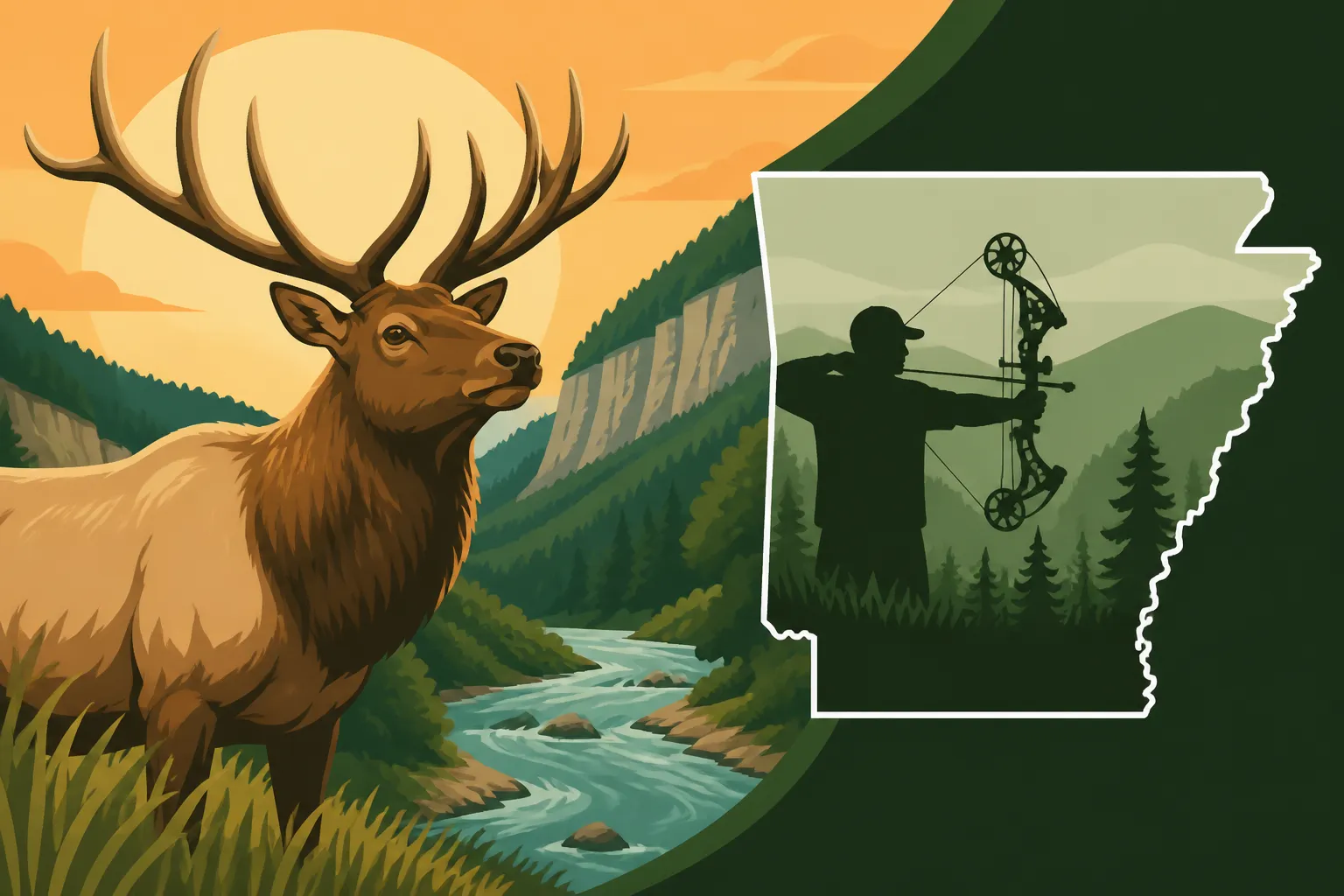
When you mention elk hunting, most folks immediately picture towering mountains out West – places like Colorado, Montana, or New Mexico. But picture this: rolling Ozark hills, clear spring-fed rivers, and hardwood bottoms echoing with the unmistakable sound of a bull elk's bugle. That's the reality in Arkansas, specifically around the Buffalo National River. This isn't just a hunt; it's an immersive experience in a landscape many never associate with elk. It's rugged, beautiful, and profoundly different from any other elk hunting destination in the country.
The Arkansas Game and Fish Commission (AGFC) has worked tirelessly to re-establish this herd, beginning with initial releases in the early 1980s. Learning about the Arkansas Elk Reintroduction History really puts into perspective how far these animals have come. The success story of elk in Arkansas has not only boosted local ecology but also created a highly coveted hunting opportunity. For many Arkansas hunters, drawing an elk tag is more than just a hunt; it’s a connection to a remarkable conservation success and a chance to pursue a truly iconic big game animal right in their home state.
Beyond the hunt itself, the sheer beauty of the Buffalo River area is a draw. The crisp autumn air, the vibrant fall foliage painting the mountainsides, and the chance to simply be in the presence of these majestic creatures make the entire experience unforgettable, regardless of whether you punch your tag. It’s about the journey, the challenge, and the opportunity to witness a truly wild animal in a setting that defies traditional expectations.
Understanding the Buffalo River Elk Herd
The primary elk herd in Arkansas roams the picturesque region surrounding the Buffalo National River, encompassing parts of Newton, Boone, Carroll, and Madison counties. This is where the majority of the hunting effort is concentrated and where the permit draw truly matters. These elk thrive in a mix of open pastures, forested hillsides, and river bottomlands, providing diverse habitat that allows them to flourish.
The Buffalo River Elk Herd is a well-managed population, carefully monitored by the AGFC to ensure its health and sustainability. They've grown steadily over the years, from those initial release numbers into a stable, huntable population. While the herd size isn't comparable to some Western states, the quality of the animals, particularly the bulls, can be exceptional, with many mature bulls sporting impressive racks. This focus on quality over sheer quantity ensures a challenging and rewarding experience for those lucky enough to draw a tag.
For any aspiring Arkansas elk hunter, understanding the herd's behavior and typical ranges is crucial. While elk are known for their nomadic tendencies, they generally stick to certain areas within their core range, especially during the breeding season. Knowing where to focus your scouting efforts, recognizing their preferred feeding and bedding areas, and understanding how they react to pressure in the Ozark terrain will significantly increase your odds once you have that precious permit in hand.
Navigating the Permit Draw System
Let's be real, applying for a limited-entry hunt can feel like buying a lottery ticket. It's exciting, a little nerve-wracking, and often, you're left wondering if you did everything right. The Arkansas elk permit draw is no different, but by understanding the system, you can ensure your application is submitted correctly and on time.
Key Dates and Application Windows
Timing is absolutely everything when it comes to limited-entry draws. Miss a deadline, and you're out for the year, plain and simple. The Arkansas Game and Fish Commission is very clear about its application periods, and it’s critical that you mark these dates on your calendar well in advance. Generally, the application period for the Buffalo River elk permit draw opens in the spring, typically around May, and runs through early June. However, these dates can shift slightly year to year, so always confirm the exact schedule on the official AGFC website as soon as it's released for the upcoming season.
The announcement of the draw results usually follows a few weeks after the application window closes, often in late June or early July. This is the moment of truth that every applicant eagerly awaits. If you're successful, you'll receive notification, usually by email, and the real planning begins. If not, well, there’s always next year, and the on-site permit draw offers another chance. Knowing the Arkansas Elk Permit Application Dates precisely is your first, most important step to even having a chance at chasing an Arkansas elk.
It’s not just about applying on time, it’s about being prepared. Don’t wait until the last minute to gather your information or set up your AGFC account. Technical glitches happen, life gets in the way, and you don’t want to be scrambling on the final day. Set a reminder a week before the deadline, and then another for the day of. This foresight can save you a lot of headache and heartache in the long run, ensuring you don’t miss out on your chance simply due to a forgotten date.
The Application Process: Step-by-Step
The application process itself is relatively straightforward, but it requires attention to detail. All applications for the Arkansas elk permit draw are handled online through the AGFC licensing system. You’ll need an active Arkansas hunting license, which includes a valid conservation stamp, to be eligible to apply. Even if you don't plan on hunting other species, this is a prerequisite. Make sure your license is up to date and valid for the current license year.
Once logged into your AGFC account, you'll navigate to the "Draws and Permits" section and select the elk permit application. Here, you'll choose your preferred permit type (either-sex or antlerless, which we'll discuss in more detail shortly) and may have the option to apply as a group. You'll need to pay a non-refundable application fee for each application submitted. It's a small price for a chance at a hunt of a lifetime, but make sure you account for it. The system is user-friendly, guiding you through each step, but don't rush. Double-check all your information before final submission. This meticulous approach is key to avoid any disqualifying errors.
After submitting, you'll receive a confirmation email. Keep this email as proof of your application. While tools like GoHunt are invaluable for analyzing draw odds in other states, for Arkansas, the AGFC's platform is the definitive source for application and results. You won't find better, more direct information than what comes straight from the Commission. Take your time, read all instructions carefully, and ensure every field is filled out accurately. A small mistake can invalidate your entire application.
Understanding Preference Points (or lack thereof)
Unlike many Western states that employ a preference point or bonus point system to improve long-term draw odds, Arkansas does not currently utilize such a system for its elk draw. This means that every applicant, regardless of how many years they’ve applied unsuccessfully, theoretically has the same chance of drawing a permit each year. It’s a true lottery system.
On one hand, this can be frustrating for those who have been applying for years, seeing new applicants draw tags before them. There’s no accumulating advantage, no reward for loyalty. On the other hand, it also means that a first-time applicant has just as good a chance as someone who’s been in the draw for a decade. This democratic approach ensures that everyone starts on equal footing each year, making the process less about building points and more about pure chance.
Given that there are no preference points, your strategy for applying doesn't really change from year to year in terms of increasing your odds through accumulated attempts. Instead, your focus should be on consistently applying every year you're eligible and exploring all available avenues, such as the on-site permit draw, to maximize your chances. While some may prefer a point system, the current format ensures that the dream of an Arkansas elk hunt remains equally accessible to all residents and non-residents willing to put in an application.
Elk Permit Types and Hunter Quotas
Understanding the specific types of permits available and the number of hunters allowed is crucial for tailoring your application strategy. Not all elk permits are created equal, and the AGFC carefully manages quotas to balance hunting opportunities with herd health.
Either-Sex vs. Antlerless Permits
When you apply for an Arkansas elk permit, you'll generally choose between an "either-sex" permit and an "antlerless" permit. As the names suggest, these permit types dictate what kind of animal you're legally allowed to harvest. An either-sex permit is the golden ticket; it allows you to harvest either an antlered bull or an antlerless elk (cow or calf). These are, understandably, the most sought-after permits and consequently have the lowest draw odds. Everyone dreams of bringing home an impressive bull, and the either-sex tag makes that dream a possibility.
An antlerless permit, on the other hand, restricts you to harvesting only a cow or calf. While it might not carry the same trophy appeal, an antlerless tag is an excellent opportunity to experience an Arkansas elk hunt and bring home some delicious elk meat. These permits also tend to have slightly better draw odds due to less competition. For conservation, these antlerless tags are vital for herd management, helping to control population growth and maintain a healthy sex ratio within the herd. The AGFC issues Either-Sex Versus Antlerless Elk Permits strategically to meet their management goals.
Many hunters, especially those new to the draw or prioritizing the experience over a trophy, will apply for an antlerless permit to increase their chances. It’s a pragmatic approach that still offers a fantastic hunting opportunity. You'll still be out in the beautiful Ozarks, chasing elk, learning their habits, and making memories. Plus, elk meat is incredibly lean and flavorful, making an antlerless harvest a highly desirable outcome for any tablefare enthusiast.
Permit Numbers and Hunt Zones
The AGFC carefully allocates a limited number of elk permits each year. The exact number can fluctuate based on herd health assessments, population trends, and management objectives. Typically, the number of permits issued is quite small, often in the double digits, making the draw incredibly competitive. For example, the total number of permits issued, including both either-sex and antlerless, might only be around 30-50 across all hunt zones. This low number is why the draw is so challenging and why drawing a tag is such a significant accomplishment. The AGFC announces How Many Arkansas Elk Permits Are Issued each year before the draw, so keep an eye out for those specifics.
These permits are usually tied to specific hunt zones within the core elk range, generally designated as the Buffalo River Zones. These zones are defined geographical areas within the elk management unit. When you apply, you'll typically select a specific hunt zone, and your permit will be valid only within that zone during the designated season. Understanding the characteristics of each Arkansas Elk Hunt Zones – their terrain, access points, and historical elk activity – can help you make an informed decision when applying.
Let’s look at a simplified example of how permits might be allocated:
| Permit Type | Hunt Zone 1 (Ozark National Forest) | Hunt Zone 2 (Buffalo National River) | Hunt Zone 3 (Private Land Focus) | Total Permits (Example) |
|---|---|---|---|---|
| Either-Sex | 5 | 8 | 2 | 15 |
| Antlerless | 7 | 10 | 3 | 20 |
| Total | 12 | 18 | 5 | 35 |
Note: This table uses hypothetical numbers for illustration. Actual permit numbers and zone allocations vary annually.
The hunting seasons for elk permits are also typically split into different hunt periods, usually a fall archery/muzzleloader season and a later modern gun season. These seasons are designed to coincide with different stages of the elk rut and migration, offering unique challenges and opportunities. Understanding these periods and how they align with your hunting style is another key piece of the puzzle. The specific dates for When the Arkansas Elk Hunts Run are published annually in the AGFC hunting regulations.
Boosting Your Odds: Strategies and Considerations
Even in a pure lottery system, there are still strategies you can employ to potentially improve your chances or at least increase your opportunities to participate in an elk hunt. It's about being smart and persistent.
Researching Hunt Zones and Success Rates
While Arkansas doesn't have a preference point system, smart research is still your best friend. Delve into past harvest reports and draw statistics provided by the AGFC. Look for patterns in which zones tend to have higher success rates, or perhaps zones that receive fewer applicants, subtly increasing your individual odds. Sometimes, a slightly less popular zone might be the ticket, even if it doesn't boast the biggest bulls year after year. Focus on public land access within those zones.
Understanding the terrain and access for each zone is also critical. Some zones might have more rugged terrain, requiring greater physical conditioning, which might deter some applicants. Others might have a higher percentage of private land, making access more challenging unless you have pre-arranged permission. Using tools like the AGFC's interactive map and GoHunt's detailed mapping layers (even if it's for general land ownership research) can help you visualize these zones and identify potential advantages or disadvantages. The more you know about the landscape, the better you can strategize your application.
Don't just look at the overall success rate; try to dig into specific permit types (either-sex vs. antlerless) within those zones. An antlerless tag in a particular zone might have significantly better odds than an either-sex tag in the same area. Prioritize what's most important to you – the experience of an elk hunt, or the specific pursuit of a trophy bull. This honest self-assessment will guide your research and application choices, preventing you from chasing a phantom dream with unrealistic expectations.
Group Applications and Their Dynamics
The Arkansas elk permit draw allows for group applications, which can be a double-edged sword depending on your goals. When applying as a group, if one member draws a permit, all members of that group draw the same permit type for the same hunt zone. This is fantastic if you want to ensure you hunt with friends or family, but it comes with a significant caveat: the draw odds for a group are based on the individual with the lowest chance of drawing. Meaning, if anyone in your group is deemed ineligible for any reason, or if the group size puts you at a disadvantage, it impacts everyone.
The true dynamics of group applications need careful consideration. If you're hunting with an experienced elk hunter, or someone who is particularly committed to the application, joining forces can be a great way to share the experience. However, it's vital that everyone in the group understands the rules, submits their portion of the application correctly, and is fully committed to the hunt if drawn. A single error by one member can disqualify the entire group, so communication and diligence are paramount.
For those looking to maximize their individual statistical odds, applying as a single applicant often makes more sense, as it removes the variable of other hunters' eligibility or potential mistakes. However, for an experience like elk hunting, the camaraderie of a group can often outweigh slightly better individual odds. It’s a personal choice that requires weighing the shared experience against the statistical probability. Just make sure everyone is on the same page before you click submit!
Exploring On-Site Permit Opportunities
Even if you don't draw a permit in the main online lottery, all hope is not lost! The AGFC holds an exciting and highly anticipated on-site permit draw as part of the annual Buffalo River Elk Festival in Jasper, Arkansas. This event, usually held in June, is a fantastic celebration of elk and conservation in the state, and it offers an additional chance to secure an elk permit. It's an experience in itself, drawing crowds from all over the region who are eager to participate.
To participate in the on-site draw, you typically need to be present at the festival and register in person. The rules and exact number of permits available through this method are announced annually, so be sure to check the AGFC's official communications. This is a true wildcard opportunity, often providing a handful of either-sex and antlerless permits. For many, attending the festival and participating in the on-site draw has become an annual tradition, a chance to immerse themselves in elk country and socialize with fellow hunters, even if they don't walk away with a tag. This is precisely what On-Site Elk Permits at the Elk Festival are all about.
The beauty of the on-site draw is that it gives everyone a fresh shot, even if they were unsuccessful in the online lottery. It adds another layer of excitement and possibility to the Arkansas elk hunting season. If you're committed to hunting elk in Arkansas, making the trip to the Elk Festival is highly recommended, not just for the permit draw, but for the overall experience and connection to the elk community. You never know when luck might strike, and being there ensures you don't miss that opportunity.
Preparing for an Arkansas Elk Hunt
Drawing an elk permit is only half the battle; the real work begins when you start preparing for the hunt itself. Arkansas elk hunting, especially in the rugged Ozarks, demands physical fitness, the right gear, and a deep understanding of the local environment.
Physical Conditioning and Gear Essentials
The terrain around the Buffalo River is stunningly beautiful, but it's also incredibly demanding. You'll encounter steep ridges, deep hollows, thick timber, and rocky creek beds. This is not flat ground hunting. If you draw an elk tag, start a rigorous physical conditioning program months in advance. Focus on cardio, leg strength, and endurance. Long hikes with a loaded pack, climbing stairs, and trail running will be your best friends. The ability to climb steep inclines silently and descend safely, often off-trail, is paramount. Many hunts will require miles of walking and climbing, sometimes through thick brush, so being in top physical shape is not just a recommendation—it's a necessity for an enjoyable and successful hunt.
Beyond physical fitness, having the right gear is non-negotiable. Quality hiking boots are essential; waterproof, comfortable, and well broken-in. A reliable backpack capable of carrying essentials for a full day, including water, food, first-aid, rain gear, and game bags, is crucial. Optics are also key; good binoculars (10×42 or 12×50) and a spotting scope can make a huge difference in locating elk across vast landscapes. Other critical items include a rangefinder, scent control products, a sharp knife, and navigation tools like a GPS unit or a reliable hunting app with offline maps. Remember, you're often in remote areas with limited cell service.
Don't skimp on clothing. Layering is always the best strategy for varying Ozark weather. Start with moisture-wicking base layers, add insulating mid-layers, and top it off with waterproof and windproof outer layers. Camouflage patterns suitable for timber and rocky terrain will help you blend in. Consider specialized elk calls – bugles, cow calls, and chuckles – and practice using them well before your hunt. Having reliable equipment for field dressing and packing out meat, such as game bags, a hoist system, and a sturdy pack frame, is also paramount, especially if you're lucky enough to harvest an animal in a remote area.
Scouting the Buffalo River Country
Scouting is where success truly begins, even more so for a limited-entry hunt like Arkansas elk. Once you know your hunt zone, dedicate as much time as possible to in-person scouting before the season opens. This area is rugged, and understanding the lay of the land, identifying potential elk bedding areas, feeding locations, and travel corridors, is vital. Look for fresh tracks, rub lines on trees, wallows, and droppings. Pay close attention to water sources, as elk will always be near them.
The Buffalo National River area is characterized by dramatic elevation changes and often dense timber. Utilize aerial maps and topographical features to identify potential bottlenecks, saddles, and benches where elk might travel. Focus on Scouting Arkansas Public Land Before Season to understand hunting pressure, access points, and terrain challenges. Don't be afraid to put boots on the ground, even during the off-season. This intimate knowledge of your zone will give you a significant advantage when the season arrives.
During your scouting trips, observe prevailing wind patterns and understand how Wind and Thermals in Ouachita Hollows (and by extension, the Ozarks) influence elk movement. Elk have an incredible sense of smell, and a misplaced stand or stalk can quickly ruin your hunt. Knowing how thermals rise and fall with the sun, and how topography channels wind, is a skill that comes with experience in these mountains and is invaluable for getting close to elk undetected. These reconnaissance missions are not just about finding elk; they're about building a comprehensive understanding of the landscape and how elk utilize it.
Understanding Elk Behavior in the Ozarks
Arkansas elk, while the same species as their Western cousins, exhibit some behaviors unique to their Ozark habitat. They might be smaller in stature than Rocky Mountain elk, but they are just as keen and adaptable. During the rut, typically in late September and early October, bulls become vocal and aggressive, making calling strategies highly effective. Knowing the subtle nuances of elk vocalizations – from soft cow mews to aggressive bugles – can be a game-changer.
Unlike open country elk, Arkansas elk in the timber are often more elusive and tend to stick to the thick cover, especially during daylight hours. They’re masters of concealment. This means still-hunting slowly and quietly through dense woods, paying close attention to every sound and movement, becomes a primary tactic. Understanding their feeding habits, what native browse they prefer, and how they react to changes in weather or hunting pressure will directly impact your success. They might also utilize private land adjacent to public areas for refuge.
Observe how elk use the varied landscape. They'll often feed in open fields or pastures during the night and early morning, retreating to dense timber or brushy hillsides to bed during the day. Predicting these movements, coupled with a solid understanding of wind and thermals, will be essential for successful intercepts. Remember, these are wild animals in their natural habitat, and their behavior can be unpredictable. Patience, adaptability, and persistent observation are your greatest assets when chasing elk in the Arkansas Ozarks.
Post-Draw: What to Do Next
The emotions of seeing your name on that successful draw list are incredible, but they're quickly followed by the realization that you now have a tremendous amount of planning to do. And if you didn't draw, there are still ways to engage with the elk resource.
If You Draw a Permit: Next Steps
Congratulations! Drawing an Arkansas elk permit is a rare and coveted achievement. Your first step after receiving notification is to thoroughly review all the information provided by the AGFC, including your specific hunt dates, hunt zone boundaries, and any special regulations pertinent to your permit type (either-sex or antlerless). This is also the time to double-check any required hunter education or safety courses, although all hunters in Arkansas should already be familiar with Arkansas Hunter Education and Safety Rules.
Next, it’s time to finalize your hunt logistics. If you haven't already, start detailed planning for transportation, lodging, and hunting partners. Are you camping, staying in a cabin, or at a local motel? How will you get to your hunt zone each day? Coordinate with any hunting companions regarding gear, supplies, and shared responsibilities. This is where all that pre-season scouting and physical conditioning comes into play. You’ll also want to line up a reliable meat processor in the area if you plan to use one, or ensure you have all the necessary equipment for self-processing.
Consider engaging with local experts or guides, even if it’s just for a day or two, to gain invaluable insights into the current elk patterns and the specific challenges of your hunt zone. While going fully guided isn't required, a local’s knowledge can drastically reduce your learning curve in unfamiliar territory. Remember that responsible hunting practices, including proper field dressing and meat care, are crucial, especially if you're hunting in warm early-season conditions. This is the hunt of a lifetime, and careful planning will ensure it's a successful and memorable one.
If You Don't Draw: Alternative Elk Pursuits
It’s completely understandable to feel a pang of disappointment if your name isn't called in the draw. After all the anticipation, it can be a real letdown. But don't let that discourage you from continuing your pursuit of an Arkansas elk experience. Remember, there's always the option to attend the annual Buffalo River Elk Festival and try your luck at the On-Site Elk Permits at the Elk Festival. This is a fantastic event, and many hunters secure their tags this way. It's an opportunity for a second bite at the apple, and the atmosphere alone makes the trip worthwhile.
Beyond the hunt itself, the Buffalo River region offers incredible opportunities for elk viewing. The Boxley Valley area, particularly during the early morning and late evening, is renowned for its excellent elk viewing opportunities. Many people travel from across the state and beyond just to catch a glimpse of these magnificent animals in their natural habitat. Seeing the elk in person can fuel your passion and keep you connected to the herd, making future applications even more meaningful. You can learn more about Arkansas Elk Range and Viewing spots for the best chances.
Consider volunteering with conservation groups or the AGFC on elk-related projects. This hands-on involvement can provide unique insights into elk management, expose you to prime elk habitat, and deepen your understanding of the animals. It’s also an excellent way to give back to the resource that provides such incredible opportunities. Even without a permit, there are many fulfilling ways to engage with Arkansas’s elk and continue to foster that connection to the wild.
Responsible Elk Hunting in Arkansas
Hunting is a privilege, and with that privilege comes a profound responsibility to the animals, the land, and the future of hunting itself. This is especially true when pursuing a reintroduced, carefully managed species like elk in Arkansas.
Ethical Hunting Practices
Ethical hunting begins long before you pull the trigger. It starts with a commitment to fair chase, understanding and adhering strictly to all AGFC regulations, and having the utmost respect for the animal you pursue. For elk, this means ensuring you are physically capable of making a clean, ethical shot and being prepared to track and recover your animal, even in challenging terrain. Knowledge of shot placement is critical; practice at the range until you are confident in your abilities at various distances and angles.
Post-harvest, ethical practices extend to proper field dressing, quick and efficient meat retrieval, and utilizing as much of the animal as possible. No hunter ever wants to waste game, especially not an elk. Be prepared for the significant effort required to quarter and pack out an elk from rugged terrain. Having proper game bags and a sturdy pack frame is essential. Leave no trace behind, ensuring that the hunting area is left as clean, or cleaner, than you found it.
Beyond the hunt, ethical hunting also means being a good ambassador for the sport. Respect landowners, even if you are on public land. Be considerate of other hunters and outdoor enthusiasts. Report any suspicious or illegal activity to the AGFC. Our actions as individual hunters reflect on the entire hunting community, and upholding high ethical standards is paramount to preserving our hunting heritage for future generations.
Conservation and Habitat Preservation
The presence of elk in Arkansas is a direct result of dedicated conservation efforts, and every hunter has a role to play in continuing that legacy. When you buy your hunting license and apply for an elk permit, a portion of those fees directly funds wildlife management and habitat restoration projects carried out by the AGFC. This direct contribution is one of the most fundamental ways hunters support conservation.
Beyond financial contributions, active participation in habitat preservation is invaluable. This could involve volunteering for habitat improvement projects in elk country, supporting organizations focused on land conservation, or simply practicing good land stewardship when you're in the woods. Protecting and enhancing the diverse habitats that elk rely on—from open fields for grazing to dense forests for cover—is crucial for the long-term health and growth of the herd. This ensures the future of Elk Calving and Herd Growth remains strong.
Awareness of the unique challenges facing the Arkansas elk herd, such as Elk Crop Damage Along the Buffalo on private lands or potential disease concerns, is also important. Understanding these issues allows hunters to be informed advocates for sound wildlife management policies. By embracing ethical practices and actively contributing to conservation, Arkansas elk hunters become integral partners in ensuring that these magnificent animals continue to roam the Ozark landscape for generations to come.
Disclaimer
The information provided in this guide is for general informational purposes only and is subject to change. Hunting regulations, season dates, permit allocations, and application processes are set by the Arkansas Game and Fish Commission (AGFC) and can be modified annually. Always consult the official AGFC website and the current year's hunting regulations for the most accurate and up-to-date information before applying for any permits or heading afield.