Arkansas Elk Hunt Zones
For many hunters, the dream of calling in a majestic bull elk in Arkansas can feel like a far-off fantasy, shrouded in mystery and complicated regulations. Trying to figure out not just if you can hunt elk, but where you can actually step foot with a permit, can be incredibly frustrating. This comprehensive guide will peel back the layers of confusion surrounding Arkansas's specific elk hunt zones, breaking down what you need to know to pursue these incredible animals in their native habitat.
The Unique Challenge of Arkansas Elk Hunting
Hunting elk in Arkansas isn't like heading out West for a sprawling herd hunt. Here, it’s a truly special, limited-opportunity experience that draws a deep connection to our state's conservation success story. The challenges aren't just in the rugged terrain or the elk's keen senses; they begin long before you ever step foot in the woods, starting with understanding the very specific areas where elk hunting is permitted. It’s a pursuit that demands patience, a bit of luck, and a whole lot of homework.
Why Elk Hunting Here is Different
Arkansas wasn't always home to a thriving elk population. Our native elk were wiped out by the late 1800s due to unregulated hunting and habitat loss. The elk you see today are the result of a monumental reintroduction effort that began in 1981, bringing elk from states like Colorado and Nebraska back to the Ozarks. This history means the population, while robust, is concentrated in a particular region, making their range much smaller and more defined than in other states. This tight geographic distribution, largely centered around the Buffalo National River corridor, is precisely why understanding the specific hunt zones is so critical. We're talking about a precious resource, managed meticulously, and that management involves very precise boundaries.
The Permit Draw Reality
Before you even think about which zone you'll hunt, you need to contend with the reality of the permit draw. Unlike deer or turkey tags that can often be purchased over-the-counter, an elk permit in Arkansas is a highly coveted, limited draw. The Arkansas Game and Fish Commission (AGFC) issues a very small number of permits each year, divided between public land hunts and private land hunts, and further allocated to either bull or antlerless elk. Your chances of drawing a tag are slim, which only amplifies the importance of knowing exactly where you can go if you are one of the lucky few. The permit draw process, including applying through the Arkansas's Buffalo River Elk Permit Draw system, is the gatekeeper to this incredible experience, and each permit drawn is tied to a specific type of hunt within a designated zone.
Deciphering Arkansas's Designated Elk Hunt Zones
Arkansas's elk herd is primarily concentrated in the beautiful Ozark Mountains, specifically within the Buffalo River watershed. Because of the unique nature of the herd and its management, the hunting opportunities are confined to very specific areas. It’s not a statewide free-for-all; you must be intimately familiar with the boundaries set forth by the AGFC. These zones are designed to manage the herd, distribute hunting pressure, and ensure sustainable numbers for future generations.
The Primary Elk Hunt Zone Overview
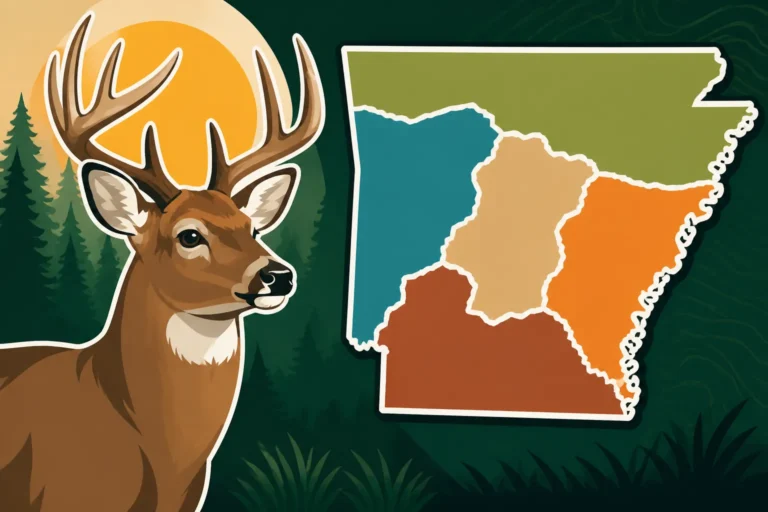
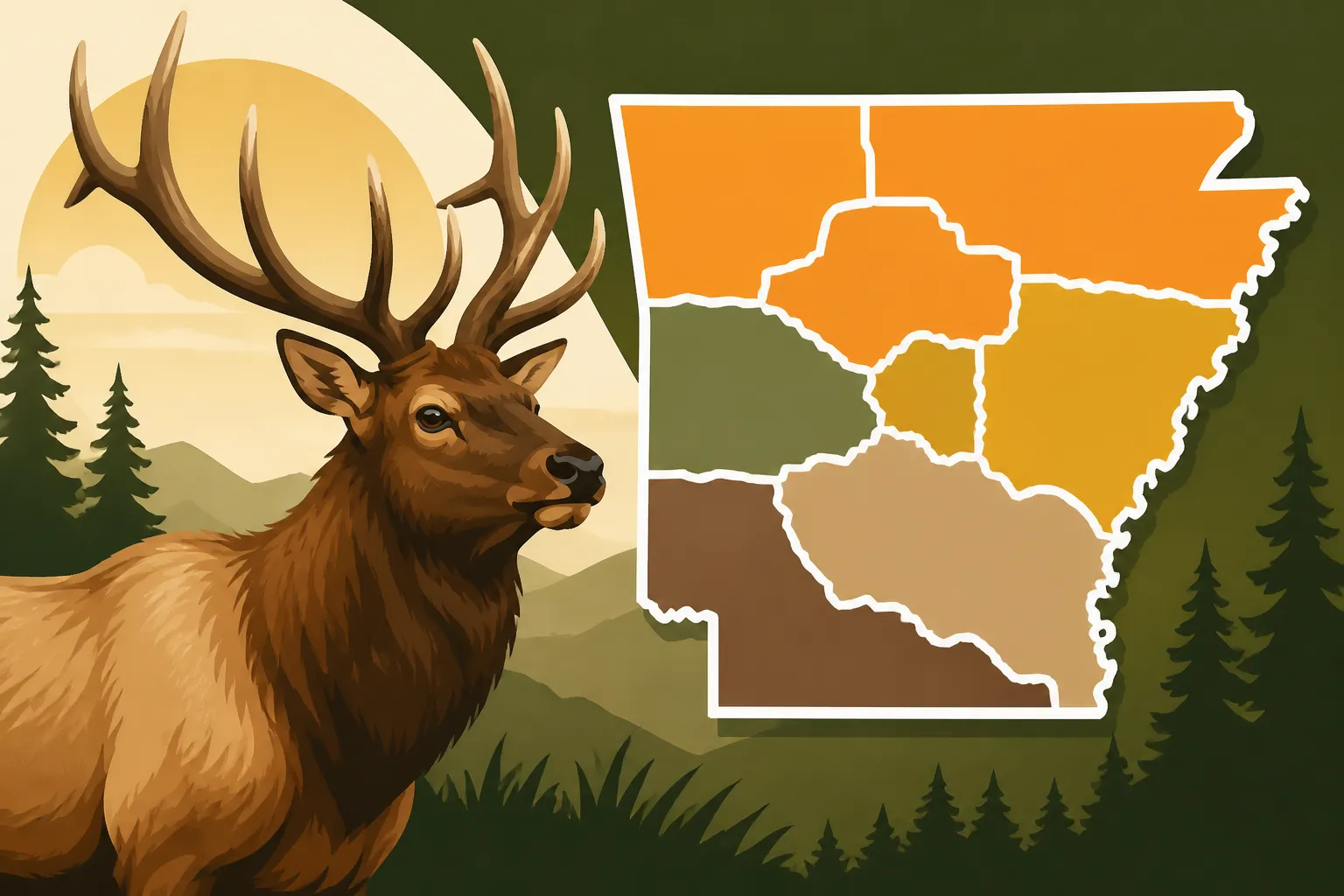
The AGFC designates several specific Elk Hunt Zones (EHZs), all located within what's broadly known as "Elk Country" – that scenic, rugged region encompassing portions of Newton, Boone, Carroll, and Madison counties. These zones are not always contiguous blocks but often weave around public and private land boundaries, including vast stretches of the Ozark National Forest and lands bordering the Buffalo National River.
The primary zones include:
- Elk Zone 1 (Buffalo River EHZ): This zone covers a significant portion of the core elk range. It often includes areas north and south of the Buffalo National River, extending into Newton and Boone counties. This is ground that's characterized by steep draws, hardwood ridges, and thick cedar glades.
- Elk Zone 2 (Richland Valley EHZ): Centered around the iconic Richland Valley area, this zone also includes key elk habitat. It's renowned for its picturesque scenery and is a popular spot for elk viewing, which means the animals here can be quite accustomed to human presence, albeit at a distance.
- Elk Zone 3 (White Rock EHZ): Named for the White Rock Mountain area, this zone is typically found further west and south, often within the larger bounds of the Ozark National Forest. The terrain here can be particularly rugged, requiring serious physical exertion.
- Elk Zone 4 (Gene Rush EHZ): Encompassing the Gene Rush Wildlife Management Area (WMA), this zone is a significant piece of public land actively managed for a variety of wildlife, including elk. It's an important destination for those who draw a WMA-specific permit.
These zones aren't just arbitrary lines on a map; they delineate distinct ecological units or management areas where elk populations are regularly monitored. When you apply for your permit through How Arkansas Elk Permits Are Drawn, you'll often be applying for a specific type of hunt (bull or antlerless) within one of these designated zones. It’s crucial to know which zone your permit is valid for, as hunting outside of it is a serious violation.
Special Zone Considerations and Boundaries
Navigating these zones requires more than just a general idea; it demands precision. Many of these zones overlap with other public land designations, each with its own specific rules and access points. For instance, large parts of these elk zones are within the Ozark National Forest, which allows hunting but might have specific rules regarding vehicle access, camping, or tree stand placement that you'll need to know.
A significant consideration is the Buffalo National River itself. While elk frequently use the lands adjacent to the river, the National Park Service manages the river corridor, and hunting is not allowed within the Buffalo National River boundaries. This creates a complex patchwork of huntable and non-huntable land, often literally side-by-side. You might see elk just across the river or just inside a private land boundary, but if your permit isn't valid for that specific spot, you can't pursue them.
To help visualize these complex boundaries, an invaluable tool like GoHunt can be a game-changer. It offers detailed maps with property lines, public land boundaries, and often overlays specific hunt zones, allowing you to clearly see where you can and cannot go. Using such tools in conjunction with the official AGFC maps, particularly the AGFC Map Tool, is essential.
Here’s a quick overview of what some of these zones entail:
| Elk Hunt Zone (EHZ) | Primary Location | Key Features / Terrain | Overlapping Public Lands | Important Considerations |
|---|---|---|---|---|
| EHZ 1 (Buffalo River) | Newton, Boone Counties | Steep ridges, hardwood forests, river drainages | Ozark National Forest, private lands | Close proximity to Buffalo National River; rugged |
| EHZ 2 (Richland Valley) | Newton County | Open valleys, timbered hills, scenic views | Ozark National Forest, private lands | Popular elk viewing area; potential for more wary elk |
| EHZ 3 (White Rock) | Madison, Newton Counties | Very rugged, remote mountainous terrain | Ozark National Forest | Demands high physical fitness; good for solitude |
| EHZ 4 (Gene Rush) | Newton, Searcy Counties | Managed WMA habitat, mixed hardwoods/pines | Gene Rush WMA, some private land | Specific WMA rules apply; often draw-only for WMA |
This table provides a general overview, but always check the most current AGFC hunting regulations and detailed maps for precise, up-to-the-minute boundary information for the season you plan to hunt.
Strategies for Navigating Your Chosen Elk Zone
Once you've beaten the odds and drawn a coveted elk permit for a specific zone, the real work begins. Knowing the boundaries on a map is one thing; understanding how to effectively hunt within those bounds is another entirely. Arkansas elk country is breathtaking but unforgiving, and success hinges on careful planning and realistic expectations.
Public Land Access Within Elk Zones
A significant portion of Arkansas's elk habitat, particularly within the designated zones, lies on public land, primarily managed by the U.S. Forest Service as part of the Ozark National Forest. This means that access is generally open to hunters, but it comes with its own set of challenges. Roads can be limited, especially deep within the forest, and many areas require extensive foot travel. You might be hunting vast tracts of timber, navigating through thick undergrowth, or climbing incredibly steep inclines.
This is where pre-season scouting and detailed map work become your best friends. Tools like GoHunt are invaluable for identifying access points, understanding terrain features, and even locating potential elk sign before the season opens. You'll want to identify logging roads, old trails, and natural travel corridors. Pay attention to water sources and potential bedding areas on north-facing slopes, which offer cooler temperatures for elk. Remember that in some parts of the Ozark National Forest, certain roads may be seasonally closed, so always check with the local Forest Service office or the AGFC for current conditions.
Understanding Habitat and Terrain Differences
Even within a single elk hunt zone, the habitat and terrain can vary dramatically, and understanding these nuances is key to locating elk. The Ozarks are characterized by a mosaic of hardwood forests, often dominated by oaks and hickories, interspersed with pine stands, cedar glades, and steep, rocky bluffs.
- Hardwood Ridges: Elk will often feed on acorns and other mast crops found on the broad, flat tops or gentle slopes of these ridges, particularly in the early season. Learning how to identify good feeding areas can be crucial.
- Deep Hollows and Drainages: These offer bedding cover, shade, and consistent water sources. Elk will use these to escape pressure and the midday heat. They can be incredibly thick and challenging to traverse but often hold elk.
- River Bottoms: While hunting is generally prohibited directly within the Buffalo National River corridor, the adjacent river bottoms and tributary creeks offer crucial foraging and travel routes for elk. These areas tend to have richer soils and more diverse vegetation.
- Pine Stands and Clear-Cuts: These can provide excellent thermal cover in cold weather and dense bedding areas. Elk will use the edges of clear-cuts for browsing on new growth.
Each of these habitats demands a different hunting approach. What works for Reading an Ozark Bench for Deer might apply to elk in similar terrain, but elk are larger and have a broader range, often traversing multiple habitat types in a single day.
Scouting and Preparation for Success
You've got your permit, you know your zone, and you understand the habitat. Now what? Scouting, and lots of it! Elk are intelligent, wary animals, and they're in their element in the rugged Ozarks. Pre-season scouting is not just recommended; it's essential.
- Boots on the Ground: Hike your designated zone, pay attention to tracks, droppings, rub signs on trees, and wallows. Look for freshly clipped browse.
- Map and Aerial Photo Analysis: Use GoHunt or similar mapping apps to study aerial imagery. Look for natural funnels, saddles, isolated pockets of timber, and access points that might be overlooked by other hunters. Identify escape routes and potential bedding areas.
- Trail Cameras: If permitted in your specific area, trail cameras can provide invaluable intelligence on elk movement patterns, herd composition, and even specific animals. Place them on trails, near water sources, or in natural travel corridors.
- Physical Conditioning: Don't underestimate the physical demands of elk hunting in Arkansas. The terrain is steep, rocky, and often remote. Start a rigorous exercise regimen well in advance of your hunt. You'll be climbing, descending, and potentially packing out a large animal over challenging ground.
Remember, elk often move significantly at night and during the early morning and late evening hours. Understanding their daily patterns within your specific zone through diligent scouting will give you the best chance at a successful hunt.
Key Regulations and Zone-Specific Rules to Remember
Beyond knowing the boundaries, Arkansas elk hunting comes with a set of specific rules and regulations that every hunter must adhere to. These aren't just suggestions; they are legally binding requirements designed to protect the herd and ensure fair chase. Disregarding them can lead to severe penalties, including fines and loss of hunting privileges.
Permit Type and Zone Restrictions
This is perhaps the most critical rule: your elk permit is explicitly tied to a specific zone and type of elk (bull or antlerless). You cannot use a bull permit for Zone 1 to hunt a bull in Zone 4, nor can you harvest an antlerless elk if your permit is for a bull. This precision ensures that harvest quotas are met in the correct areas and that the herd remains healthy across its range. Before you head into the woods, double-check your permit details against the current AGFC regulations to confirm your exact hunting authorization. Confusion here is not an excuse.
Furthermore, some permits are designated for private land only, meaning you cannot hunt on public land with that permit. Conversely, most public land permits will specify the general elk hunt zone, and sometimes even a particular WMA (like the Gene Rush WMA) where the hunt is valid. It's not uncommon for an elk permit to specify something like "Antlerless Elk, Private Lands, EHZ 2" or "Bull Elk, Gene Rush WMA, Public Land, EHZ 4." Always, always read your permit carefully.
Checking Stations and CWD Considerations
Upon harvesting an elk, checking it promptly is a non-negotiable requirement. The AGFC operates specific elk check stations during the season, and you must present your harvested elk there for biological data collection. This is a crucial step in the AGFC's ongoing management and research efforts, helping them monitor herd health, age structure, and genetic data. They might collect samples for disease testing, especially for Chronic Wasting Disease (CWD).
Arkansas has CWD in certain deer and elk populations, particularly in the Ozarks where the elk reside. When hunting in elk zones, especially those in or near known CWD management areas, you'll need to be aware of Arkansas CWD Rules and Carcass Transport. This often includes restrictions on transporting certain parts of the carcass out of the CWD zone or even out of the state. The AGFC provides specific guidelines on which parts are allowed for transport and which need to be left behind or processed beforehand. Always assume you will need to follow strict CWD protocols when hunting in Arkansas elk country to prevent the spread of this devastating disease.
Respecting the Buffalo National River Boundaries
As mentioned earlier, the Buffalo National River is a national park unit, and hunting is expressly prohibited within its boundaries. This creates a very challenging situation for elk hunters because elk frequently use the rich habitat along the river corridor. You might spot a bull elk just inside the park boundary, tantalizingly close, but you cannot pursue or shoot it.
Hunters must be vigilant in identifying and respecting these boundaries. Using a GPS with detailed land ownership maps, such as those available on GoHunt or the official AGFC map tool, is paramount. You need to know exactly where the National River property begins and ends. Straying into the prohibited zone, even accidentally, can lead to federal citations, hefty fines, and the loss of your hunting privileges. It’s better to err on the side of caution and maintain a clear distance from these protected areas. The AGFC and National Park Service regularly patrol these areas, and they take violations seriously.
Remember, securing an Arkansas elk permit is an incredible achievement. Respecting the zones and regulations ensures that this unique hunting opportunity remains for future generations. Good luck, and happy hunting!
Disclaimer
This guide is intended for informational purposes only and does not replace the official hunting regulations published by the Arkansas Game and Fish Commission (AGFC). All hunters are responsible for reviewing and understanding the current AGFC hunting guide, federal regulations, and any specific rules for Wildlife Management Areas or other public lands prior to hunting. Seasons, bag limits, and regulations are subject to change.