Either-Sex Versus Antlerless Elk Permits
Many hunters dream of pursuing elk, but when it comes to Arkansas, understanding the specific permit types – especially the difference between either-sex and antlerless elk permits – can feel like trying to decipher an ancient map. It’s not just about drawing a tag; it's about knowing exactly what that tag allows you to harvest and how it impacts your strategy and odds. This guide will meticulously break down these distinctions, helping you confidently navigate the unique world of Arkansas elk hunting permits.
Understanding Arkansas's Elk Management Philosophy
The presence of wild elk in Arkansas is a testament to dedicated conservation efforts, a real success story that many folks don't even know about! Once extirpated from the state, a reintroduction program brought these magnificent animals back to the Ozarks. But with a limited population and a desire to maintain a healthy, huntable herd, the Arkansas Game and Fish Commission (AGFC) manages elk hunting through a highly controlled permit system. It’s not like deer hunting where licenses are readily available over the counter; these elk tags are truly special.
The Comeback Story of Arkansas Elk
It's pretty amazing to think that less than a century ago, the idea of hunting elk in Arkansas was nothing but a distant dream. The native elk population had vanished by the mid-1800s due to unregulated hunting and habitat destruction. But thankfully, the state embarked on an ambitious journey to bring them back. Starting in the late 1980s and continuing into the early 1990s, elk were reintroduced into the Ozark Mountains, primarily near the Buffalo National River corridor. This initiative, often discussed in depth in resources like the article on Arkansas Elk Reintroduction History, laid the foundation for the healthy herd we have today. These efforts included securing suitable habitat, managing existing land, and carefully monitoring the animals. Without this monumental undertaking, none of us would even be having this conversation about drawing an elk permit.
Why Permit Types Matter for Conservation
Every single permit issued by the AGFC for elk hunting serves a specific purpose, deeply rooted in the long-term health and sustainability of the herd. It's not just about giving hunters an opportunity; it's a finely tuned tool for managing population growth, sex ratios, and herd dynamics. When you apply for a permit, whether it's an either-sex or an antlerless tag, you're becoming a direct participant in this conservation strategy. The AGFC analyzes herd data, recruitment rates, and specific needs within the various zones to determine how many of each permit type to issue. For instance, sometimes they need to selectively reduce antlerless animals to manage herd size and prevent overgrazing, while other times, they might offer more either-sex permits to provide trophy opportunities while still keeping the overall population in check. Understanding this underlying philosophy really helps put the competitive nature of the draw into perspective.
The Coveted Either-Sex Elk Permit
When most hunters picture an elk hunt, they're dreaming of a majestic bull with a massive rack bugling in the crisp morning air. This is the opportunity an either-sex elk permit provides, and it's precisely why these tags are so incredibly sought after. They offer the ultimate flexibility and the highest potential for a trophy animal, but they come with incredibly slim odds of drawing.
What "Either-Sex" Truly Means for a Hunter
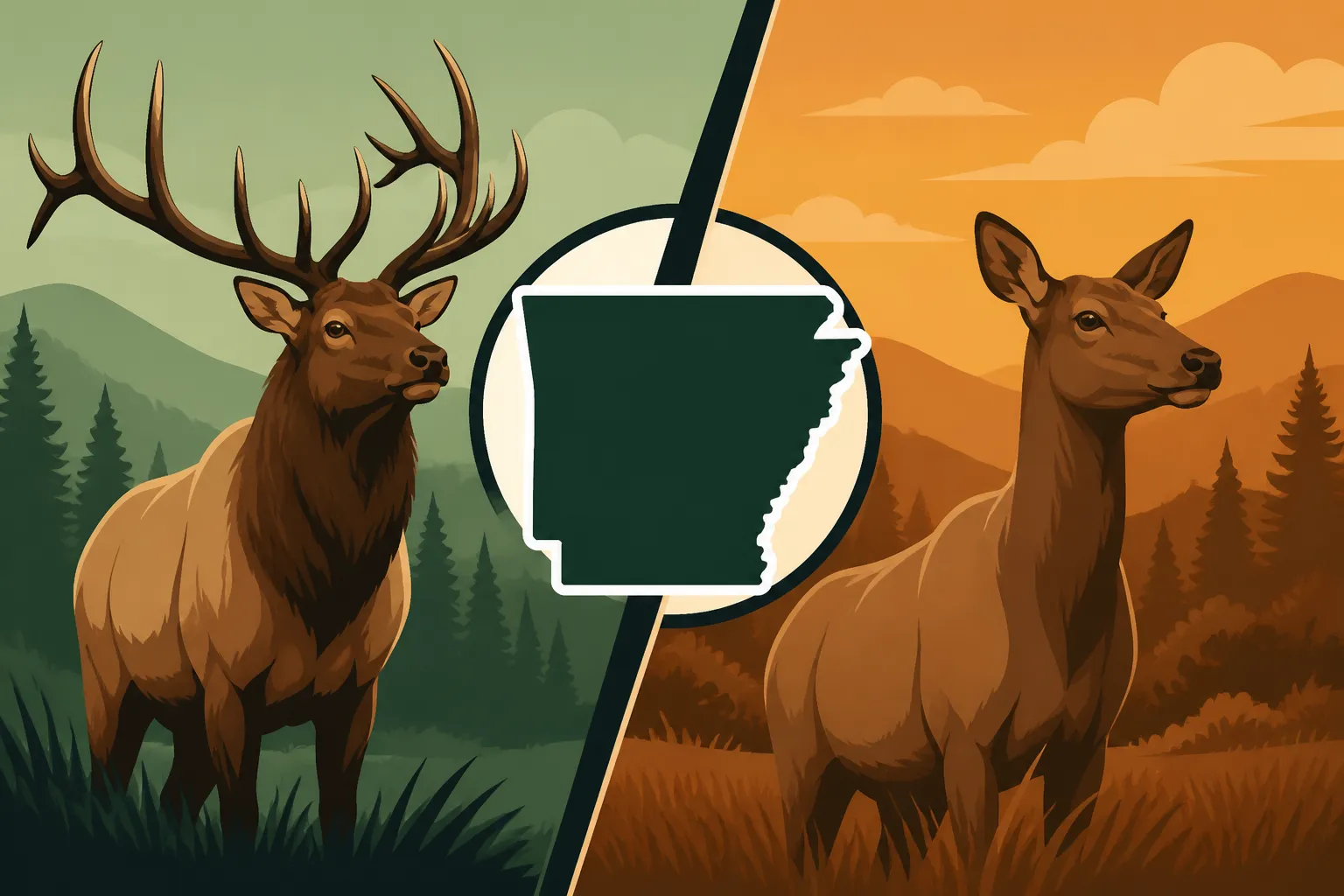
An either-sex elk permit means exactly what it sounds like: if you're lucky enough to draw one of these precious tags, you are legally allowed to harvest any legal elk, regardless of its sex. This includes bulls (antlered males) and cows (antlerless females). For many, this is the Holy Grail of elk hunting because it gives you the chance to pursue a mature bull, which is often the primary driver for applying. Imagine hearing that bugle, finding the source, and having the opportunity to make a clean shot on a magnificent Ozark bull! However, it also means that if the opportunity arises, you could take a cow, which is often easier to locate and harvest, especially if your goal is primarily meat for the freezer. This flexibility is a huge advantage, making the either-sex permit incredibly valuable to any hunter. Resources like When the Arkansas Elk Hunts Run highlight the specific seasons when these permits are valid, which typically coincide with the rut or late-season opportunities.
Odds and Expectations for Drawing an Either-Sex Tag
Let's be blunt: drawing an either-sex elk permit in Arkansas is a long shot. We're talking lottery-level odds here, and anyone who tells you otherwise is probably selling you something. Thousands upon thousands of hunters apply for a very limited number of permits each year. For example, in recent years, the AGFC might issue only a handful of either-sex permits – sometimes as few as eight or ten – for the entire state draw. When you consider that tens of thousands apply, the math is sobering. This is why many experienced hunters use tools like those offered by GoHunt to analyze draw odds and strategize their applications. Even with careful planning, it often comes down to pure luck. Non-residents face even steeper odds, though it's not impossible, as the article Can Nonresidents Draw an Arkansas Elk Permit? explains. The best approach is to apply consistently, hope for the best, and not get discouraged if it takes years, or even decades, to finally draw that golden ticket. It's a true test of patience and persistence.
The Antlerless Elk Permit: A Different Opportunity
While the either-sex permit grabs all the headlines, the antlerless elk permit offers a distinct and often more attainable hunting opportunity. These permits are crucial for herd management and provide a fantastic way for hunters to put prime elk meat in their freezers, even if it doesn't come with a trophy rack.
Defining "Antlerless" and Its Purpose
An antlerless elk permit restricts you to harvesting only an antlerless elk. This typically means a cow (female elk) or a calf. In some specific cases, it might technically include a male calf that hasn't developed antlers yet, though the primary target is usually adult cows. The purpose behind offering these permits is directly tied to population control and herd health. Elk, like any species, can overpopulate an area if left unchecked, leading to habitat degradation, increased disease transmission, and potential conflicts with landowners, especially concerning Elk Crop Damage Along the Buffalo. By issuing antlerless permits, the AGFC aims to manage herd growth, balance the sex ratio, and ensure the overall vitality of the ecosystem. It's a targeted approach to maintain a stable, healthy population within the carrying capacity of their habitat, particularly in the core of The Buffalo River Elk Herd range.
Increased Odds and Management Goals
The silver lining for hunters is that the odds of drawing an antlerless elk permit are generally, though still very challenging, much better than for an either-sex permit. The AGFC typically issues a significantly higher number of antlerless tags because they are a primary tool for population management. While you might still be competing with thousands of other applicants, the sheer volume of available antlerless permits means your chances are incrementally better. This makes the antlerless draw a more realistic goal for many hunters who are eager to experience an Arkansas elk hunt. It's an opportunity to learn about elk behavior, hone your hunting skills, and contribute directly to conservation efforts by helping manage the herd. Many hunters find immense satisfaction in harvesting a healthy cow for its exceptional meat, knowing they've participated in responsible wildlife management.
Strategic Considerations for Applying
Deciding which type of elk permit to apply for isn't just a random choice; it's a strategic decision that should align with your personal hunting goals and realistic expectations. Understanding the nuances between either-sex and antlerless permits can significantly influence your application strategy and overall hunting experience.
Balancing Desire for a Bull with Draw Odds
This is the age-old dilemma for many elk hunters in Arkansas. Do you go all-in for the dream bull, knowing your odds are incredibly low, or do you play the percentages and apply for an antlerless tag, which offers a more realistic chance of drawing? If your primary goal is to harvest a trophy bull, and you're prepared for years of unsuccessful applications, then continuously applying for an either-sex permit might be your path. Many hunters subscribe to this philosophy, viewing the draw as a pure lottery they hope to win eventually. However, if your main objective is to simply experience an Arkansas elk hunt, put elk meat in the freezer, and increase your chances of drawing any tag, then the antlerless permit becomes a much more compelling option. Some hunters even alternate their applications, or if multi-choice applications are available, prioritize either-sex but have antlerless as a backup. It's a personal call, but one that benefits from careful consideration of the Arkansas Elk Permit Cost and your long-term commitment.
Planning Your Hunt Around Your Permit Type
The type of permit you draw will directly influence your hunting strategy and preparations. If you draw an either-sex permit, you'll likely spend considerable time scouting for sign of mature bulls, learning their patterns, and practicing your bugling and calling techniques, much like you would if you were scouting for Hunting Ozark Ridges and Hollows for Deer. Your focus might shift to early morning or late evening hunts during the rut when bulls are most vocal and active. On the other hand, an antlerless permit often means a slightly different approach. While still challenging, finding cows can sometimes involve locating larger herds, observing feeding areas, and focusing on glassing open fields or clearcuts where they might be more visible. You might prioritize stealthy still-hunting or setting up ambushes near water sources or dense cover. Knowing your permit type in advance allows you to tailor your scouting, gear selection, and even your physical conditioning for the specific demands of pursuing either a bull or a cow.
The Arkansas Elk Permit Application Process
Successfully applying for an Arkansas elk permit requires attention to detail, adherence to deadlines, and an understanding of the online system. While the draw is highly competitive, everyone starts on equal footing by navigating the application process correctly.
Navigating the Online Application
The Arkansas Game and Fish Commission utilizes a user-friendly online system for permit applications, typically through their licensing portal. It's important to have an active hunting license and be registered in the system before the application period opens. When it's time, you'll log in and find the specific section for elk permit applications. The interface will guide you through selecting your preferred permit type (either-sex or antlerless) and any specific elk hunt zones you might be interested in, which are clearly defined in guides like Arkansas Elk Hunt Zones. Double-check all your information before submitting, especially your contact details. A small error could cost you a shot at a once-in-a-lifetime tag. GoHunt, among other resources, often provides excellent walkthroughs or reminders during the application window, which can be invaluable for ensuring you complete every step correctly.
Important Dates and Deadlines to Remember
Missing a deadline is a surefire way to guarantee you won't be elk hunting in Arkansas that year. The AGFC publishes a calendar of important dates well in advance, and it’s critical to mark these on your personal calendar, set reminders, or even write them on your forehead if you have to! The application period for the general public draw usually runs during a specific window, often in the spring or early summer, with results typically announced sometime in July or August. Beyond the main draw, there are also special opportunities, such as the On-Site Elk Permits at the Elk Festival, which require a separate application process and timeline. Keep an eye on the AGFC's official website and publications to ensure you're always aware of the current year's dates for submitting applications for Arkansas's Buffalo River Elk Permit Draw and when to check for results. Procrastination here simply isn't an option for such a coveted opportunity.
| Permit Type | Harvest Allowed | Primary Purpose | Typical Draw Odds (General) | Success Rate (Hunter Dependant) | Key Consideration |
|---|---|---|---|---|---|
| Either-Sex | Any legal elk (bull or cow/calf) | Trophy, General Opportunity | Very Low (e.g., <1%) | Moderate to High | Highly competitive, best for trophy hunters |
| Antlerless | Antlerless elk (cow or calf) | Population Management, Meat | Low to Moderate (e.g., 2-5%) | Moderate to High | Better odds, excellent for meat hunters |
Disclaimer
The information provided in this guide is for general informational purposes only and does not constitute legal advice. Hunting regulations, seasons, and permit requirements in Arkansas can change. Always consult the official Arkansas Game and Fish Commission (AGFC) regulations and resources for the most current and accurate information before planning any hunting trip.