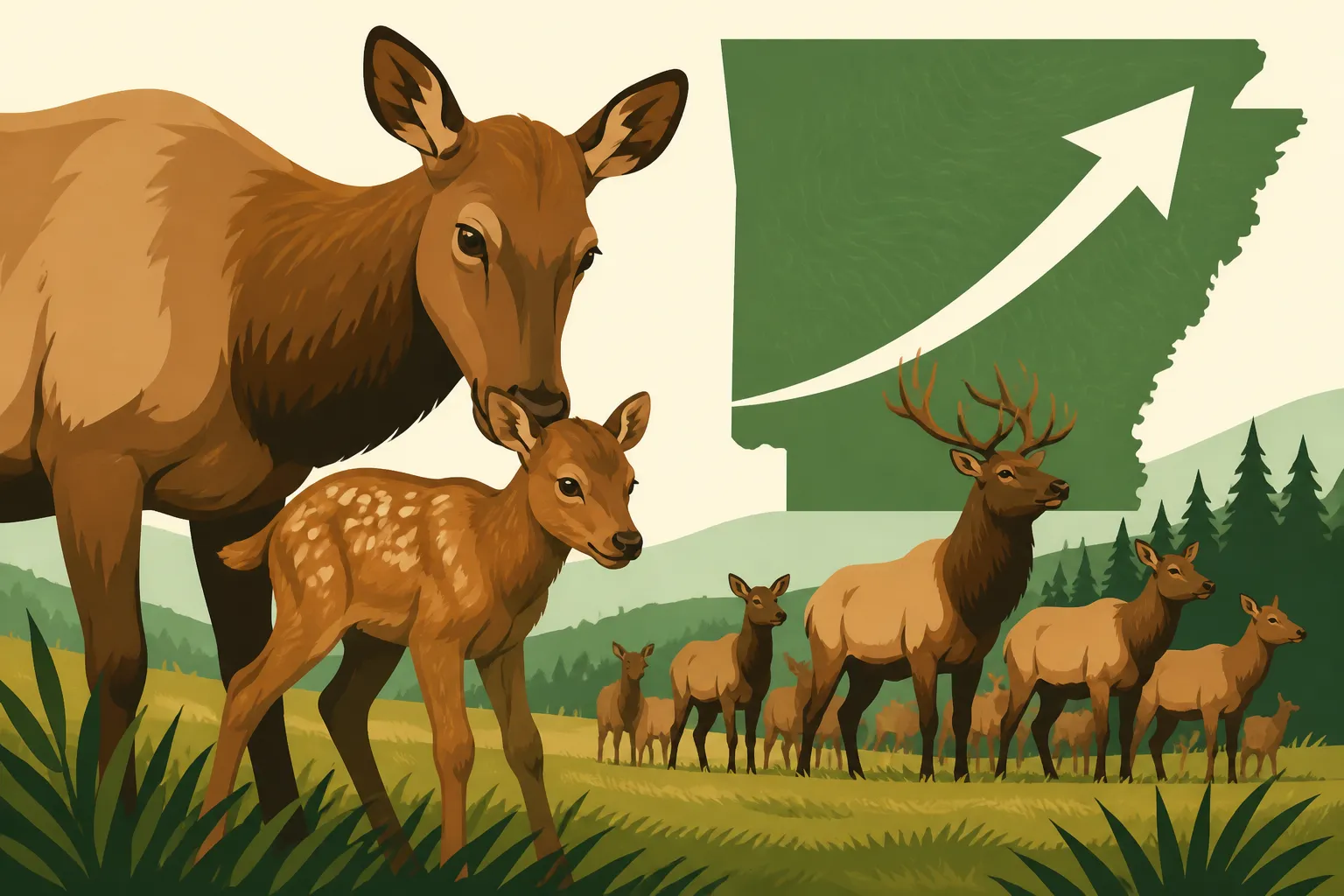
Elk Calving and Herd Growth
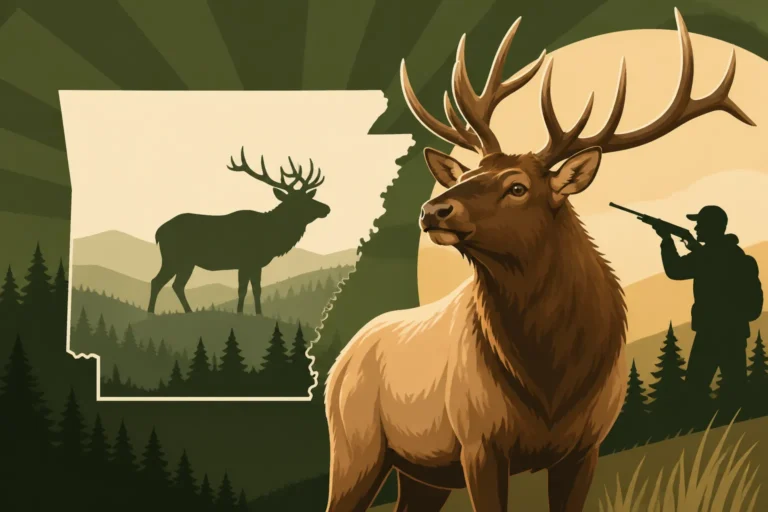
Understanding the growth and dynamics of Arkansas’s majestic elk herd can feel a bit like trying to read a secret code etched into the Ozark landscape. For many of us who cherish these animals, the details of how new life enters the herd, particularly the timing and challenges of elk calving, remain a mystery. This guide aims to pull back the curtain on that critical period, exploring the factors that contribute to the overall health and expansion of the Arkansas elk population.
The Rhythms of Elk Calving in Arkansas
The spring and early summer bring a wave of new life to the Ozark mountains, and for the elk herd along the Buffalo River, this means the annual calving season. It's a quiet, often unseen, but utterly crucial period that dictates the future numbers and vitality of the population. Understanding this rhythm helps us appreciate the resilience of these incredible animals and the delicate balance of their habitat.
When Elk Calves Arrive in the Ozarks
Typically, the Arkansas elk calving season kicks into high gear from late May through early June, though you might see calves as early as mid-May or as late as July. This timing isn't accidental; it's perfectly synchronized with the explosion of green-up in the Ozarks. As the lush grasses, forbs, and browse emerge, pregnant cow elk have access to the high-quality nutrition they need to support their developing calves and to recover after birth. The warmer weather also means fewer environmental stressors for the vulnerable newborns.
During this period, pregnant cows will instinctively seek out secluded, dense cover to give birth. This might be in thickets of young timber, brushy draws, or even tall, overgrown pastures far from human activity. The goal is to find a safe nursery where the calf can be born and remain hidden from predators for its first few critical days and weeks. It’s a time of immense vulnerability for both cow and calf, and their survival often hinges on the success of these hiding strategies. It's a stark reminder that even large, powerful animals like elk depend heavily on the cover and quiet provided by their natural surroundings.
The Calving Process and Early Calf Life
The calving process itself is a remarkable display of nature's efficiency. Cow elk generally give birth to a single calf, though twins can occur, they are far less common. The calf is born precocial, meaning it's relatively mature and mobile from birth. Within a very short time, sometimes within minutes, the newborn calf will attempt to stand, nurse, and follow its mother. This quick development is absolutely essential for survival in a landscape filled with potential threats.
For the first week or two, the calf spends most of its time bedded down, hidden by its dappled coat and lack of scent, while the cow forages nearby. She'll return frequently to nurse and check on her offspring. This "hiding" strategy is paramount; a stationary, camouflaged calf is much harder for a predator to find than one trying to keep up with a moving adult. As the calf gains strength and coordination, it will start to spend more time with its mother and eventually join small nursery groups with other cows and calves. These groups offer safety in numbers, with multiple sets of eyes and ears to detect danger. Over time, these small groups will merge into larger cow-calf herds, especially as they move to summer feeding grounds.
Factors Influencing Elk Herd Growth
The growth of Arkansas's elk herd isn't just about the number of calves born each spring; it's a complex equation involving habitat, predation, weather, and human management. Each factor plays a significant role in determining how many of those calves survive to adulthood and contribute to the herd's overall expansion. Understanding these elements is key to appreciating the efforts involved in sustaining The Buffalo River Elk Herd.
Habitat Quality and Nutritional Impact
For any large herbivore, the quantity and quality of available forage are paramount, and elk are no exception. In the Buffalo River corridor, where Arkansas's primary elk population resides, the diverse landscape offers a mix of open pastures, reclaimed mining sites, and forested areas. The lush, nutrient-rich grasses and forbs found in these openings are vital for cow elk, particularly during pregnancy and lactation. A cow in peak physical condition is more likely to carry a calf to full term, give birth to a healthy, robust calf, and produce enough milk to support its rapid early growth.
Conversely, poor habitat quality or a lack of adequate nutrition can have devastating effects. Cows might be unable to conceive, abort pregnancies, or give birth to weak calves with low survival odds. The availability of year-round forage, as well as crucial thermal and escape cover, directly influences herd health. Hunters who want to understand elk movement patterns, including where cows might choose to calve, often use detailed mapping tools like those offered by GoHunt. These platforms can help visualize forage types, elevation changes, and dense cover areas, providing valuable insights into prime elk country and how habitat directly impacts these animals throughout the year.
Predation and Calf Survival Rates
While elk are large and formidable animals, their calves are incredibly vulnerable to predation, particularly in their first few weeks of life. In Arkansas, common predators include coyotes and black bears. Feral hogs, unfortunately, can also pose a threat to newborn calves if given the opportunity. These predators typically target the youngest and weakest animals, and a well-hidden calf is often its best defense.
Cows are incredibly protective, often leading predators away from their hidden calves or even engaging in defensive behaviors. However, predation does account for a portion of calf mortality. Beyond natural predators, human-caused mortality, such as vehicle collisions or occasional poaching incidents, can also impact herd numbers, though these are generally less significant than natural factors. Efforts to manage predator populations, combined with robust habitat that provides ample hiding spots for calves, contribute significantly to higher calf survival rates. For a deeper dive into the numbers for some of these predators, you might look at articles like Arkansas Black Bear Numbers Today or How Many Coyotes Arkansas Has.
Weather and Disease Considerations
Mother Nature plays a huge role in the success of a calving season. While elk are incredibly hardy, extreme weather events can be detrimental, especially to young calves. A late-season cold snap with freezing rain or heavy snow after calves have been born can quickly lead to hypothermia and death. Similarly, prolonged periods of drought can impact forage quality, weakening cows and subsequently affecting calf health. Calves that are born into harsh conditions or whose mothers are struggling nutritionally are simply less likely to survive.
Disease, too, is a constant concern for wildlife managers. While the Arkansas elk herd has generally remained healthy, diseases like Chronic Wasting Disease (CWD), which affects deer, are always monitored closely in nearby cervid populations. Though not widespread in elk here, the potential for disease transmission is a constant factor in wildlife management. Learning about CWD in the Arkansas Elk Herd can provide additional context on how wildlife health is managed and monitored in the state. Monitoring herd health and environmental conditions is crucial for predicting and understanding fluctuations in herd growth.
Monitoring and Management for Herd Health
The Arkansas Game and Fish Commission (AGFC) plays a critical role in overseeing the health and growth of the state’s elk herd. Their efforts ensure that this majestic species continues to thrive in the Ozarks, balancing conservation with public interest. Understanding how they monitor the herd helps us all appreciate the science behind wildlife management.
AGFC's Role in Elk Population Surveys
Monitoring a wild elk population, especially one as geographically spread out as Arkansas's herd, is no small feat. The AGFC employs a combination of methods to estimate elk numbers, assess herd health, and track calf recruitment (the number of calves that survive to a year old). This includes regular aerial surveys conducted from helicopters or fixed-wing aircraft, allowing biologists to count elk in known habitat areas. Ground observations by agency staff and volunteers, often using binoculars and spotting scopes, also contribute valuable data. Trail cameras strategically placed throughout the elk range provide non-intrusive glimpses into herd composition, including the presence of calves.
This data collection is vital for understanding trends in the herd’s growth, identifying potential challenges, and informing management decisions. For the passionate hunter or wildlife enthusiast, using tools like GoHunt to record personal observations of elk, including calf sightings, can be incredibly insightful. These detailed mapping platforms allow individuals to mark locations, dates, and animal counts, creating a personal database that can help them understand local elk activity and contribute to a broader appreciation of the herd's dynamics. Such individual contributions, though not formal surveys, add to the collective knowledge base of when and where elk, particularly cows and calves, are present. You can find general information on How Many Elk Arkansas Has for insights into the overall herd.
Sustainable Harvest and Herd Balance
One of the most visible aspects of elk management is the annual regulated elk hunt. Far from being a detriment to herd growth, these hunts are carefully designed to maintain a healthy and balanced population. By issuing a limited number of permits, particularly for either-sex elk, the AGFC can manage herd size, age structure, and genetic diversity. The goal is to prevent overpopulation, which could lead to habitat degradation and increased instances of disease, while still providing a quality hunting experience.
The permits are a highly sought-after opportunity, with hunters entering a draw for the chance to pursue an Arkansas elk. This controlled harvest ensures that only a small percentage of the herd is removed annually, primarily targeting specific sex and age classes to promote overall herd health and productivity. The funds generated from these licenses and permits are then reinvested directly into habitat improvement, research, and enforcement efforts, further benefiting the elk and other wildlife. To learn more about how this process works, take a look at How Arkansas Elk Permits Are Drawn and When the Arkansas Elk Hunts Run.
The Future of Arkansas Elk
The journey of the Arkansas elk herd, from its reintroduction to its current thriving state, is a testament to dedicated conservation efforts. Looking ahead, there are both challenges and exciting opportunities for this iconic species in the Natural State.
Challenges and Opportunities for Expansion
The reintroduction of elk to Arkansas was a monumental success, transforming portions of the Ozarks into prime elk habitat. However, the herd's expansion faces ongoing challenges. Habitat fragmentation due to human development and land use changes can limit their ability to disperse and find new territories. Human-wildlife conflict, particularly concerns about Elk Crop Damage Along the Buffalo or vehicle collisions, are also factors that must be managed as the herd grows.
Despite these challenges, there are significant opportunities. Continued habitat restoration and management efforts, especially in partnership with private landowners, can create more suitable areas for elk. Understanding how the herd utilizes its current range, as explored in Arkansas Elk Range and Viewing, will be critical for any future management decisions. The success of the initial Arkansas Elk Reintroduction History provides a strong foundation for continued growth and potential minor range expansion, always with an eye toward ecological balance and public acceptance.
How Hunters Contribute to Elk Conservation
Hunters are, without a doubt, one of the most significant contributors to elk conservation in Arkansas. The funds generated from hunting licenses, tags, and elk permits directly support the AGFC's wildlife management programs, including those dedicated to elk. This financial backing is crucial for habitat improvements, population monitoring, and enforcement of wildlife regulations.
Beyond financial contributions, hunters play a vital role through their observations in the field. Ethical hunting practices and a deep respect for the animals are cornerstones of responsible wildlife management. Hunters are often the first to report unusual animal behavior, disease sightings, or illegal activities, providing critical eyes and ears on the ground. This partnership between the AGFC and the hunting community is essential for ensuring the long-term health and growth of Arkansas's cherished elk herd. It’s a powerful example of how conservation efforts benefit from the active participation of those who care most about wildlife. Moreover, the broader public awareness and appreciation for elk, often sparked by hunting stories or wildlife viewing opportunities, further strengthens the commitment to their future. For more on how wildlife health is generally monitored, consider Arkansas Wildlife Disease Monitoring.
Here’s a quick overview of the elk calving process and factors influencing herd growth:
| Aspect | Key Details | Impact on Herd Growth |
|---|---|---|
| Calving Season | Late May – Early June, coinciding with green-up | Optimizes nutrition for cows, better initial conditions for calves |
| Calf Hiding Strategy | Cows seek dense, secluded cover for birth | Reduces early calf predation, crucial for first few weeks |
| Forage Quality | Rich grasses and forbs in Ozark pastures and openings | Essential for healthy cows and robust calves; drives reproduction |
| Predation Risk | Coyotes, black bears, feral hogs targeting newborns | Significant cause of early calf mortality; influences survival rates |
| Weather Impact | Severe cold, heavy rain, or drought during calving | Can increase calf mortality, weaken cows, reduce overall success |
| Disease Monitoring | Ongoing vigilance for CWD and other ailments | Prevents widespread outbreaks, maintains herd health |
| AGFC Surveys | Aerial counts, ground observations, trail cameras | Provides data for population estimates and management decisions |
| Regulated Hunts | Limited permits issued by AGFC | Manages population size, promotes healthy age/sex structure, funds conservation |
Disclaimer
This article is for general informational purposes only and does not constitute professional advice. Laws, prices and regulations vary by location and change over time. Consult a qualified professional for guidance on your specific situation.